Genres
Artists
Albums
Make Music
Sign in
Sign in
Artists
Maxixe
Artists
Maxixe
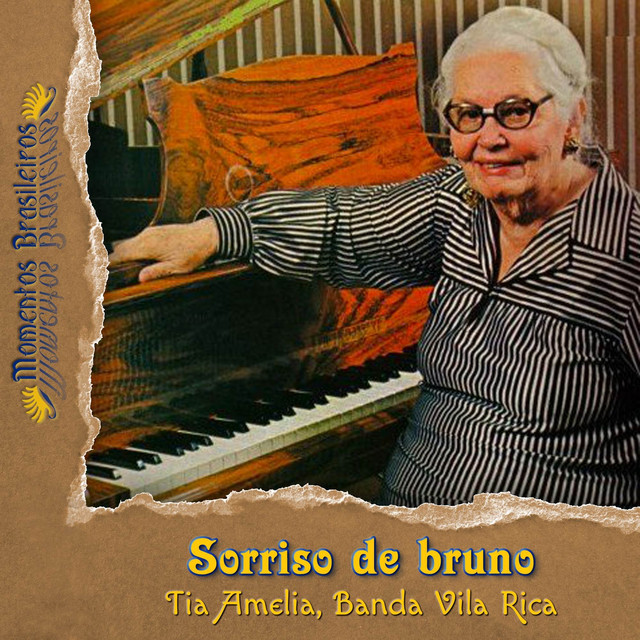
Tia Amelia
2 albums
Listen
1
/5
Genres
Traditional Music
Traditional music is an umbrella term used in the mid–20th century by folklorists and ethnomusicologists to denote community-rooted, orally transmitted repertoires tied to social ritual, work, celebration, and storytelling. Unlike commercial pop or art-music traditions, traditional music is typically learned by ear, varies regionally, and evolves slowly through communal participation. It often features modal melodies, cyclic rhythms, heterophony or unison singing, and indigenous instruments whose timbres are integral to local identity. Lyrics tend to preserve language, history, and collective memory. While the musical practices themselves can be ancient, the phrase “traditional music” emerged to replace earlier, narrower or colonial framings like “folk” or “ethnic” music, foregrounding continuity, locality, and living practice rather than exoticism.
Discover
Listen
Ragtime
Ragtime is an African American–rooted piano style that flourished from the 1890s to the 1910s, characterized by lively syncopation in the right hand against a steady, march-like “oom‑pah” accompaniment in the left hand. Typically written in 2/4 or 4/4 time and notated with straight (unswung) eighth notes, classic rags unfold in multiple 16‑bar strains, often in the form AABBACCDD. The music draws on cakewalk rhythms, marching-band forms, and popular song, and it became a sensation through sheet music, piano rolls, and parlor performance. Scott Joplin, known as the “King of Ragtime,” helped codify the genre’s refined, compositional approach, calling for moderate tempos and a clear, singing melody. Beyond solo piano, ragtime was arranged for small ensembles and orchestras, found a home in vaudeville and dance halls, and laid essential groundwork for early jazz, stride piano, and much of 20th‑century American popular music.
Discover
Listen
Maxixe
Maxixe is a lively Brazilian couple dance and the music that accompanies it, often nicknamed the "Brazilian tango." It crystallized in Rio de Janeiro in the late 19th century as a hybrid of Afro‑Brazilian and European dance musics. Musically, maxixe sits in duple meter (2/4) with buoyant, off‑beat accents and syncopation derived from lundu and the habanera/tresillo cell, but propelled with the forward motion of the European polka and schottische. The style flourished in urban salons, theater revues, street festivities, and early carnival, moving deftly between refined piano pieces (sometimes labeled "tango brasileiro") and small ensemble settings with guitars, cavaquinho, flute, and clarinet. As a social dance it was animated, close‑embrace, and playful, which lent it both popularity and controversy. Stylistically it bridged the 19th‑century salon world and the emerging 20th‑century sound of Rio, helping to seed choro, marchinha, and eventually samba.
Discover
Listen
Albums
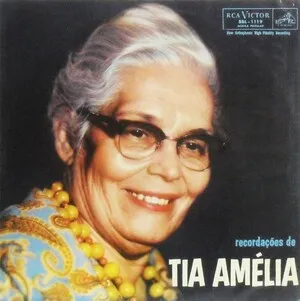
Recordações de Tia Amélia
Tia Amélia
Maxixe
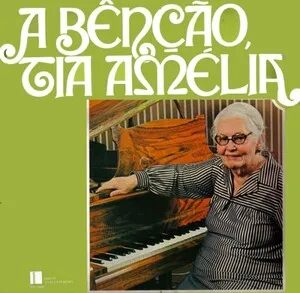
A bênção, tia Amélia
Tia Amélia
Maxixe
Similar artists
1
/5
Valentino
Ragtime
Traditional Music
1
/5
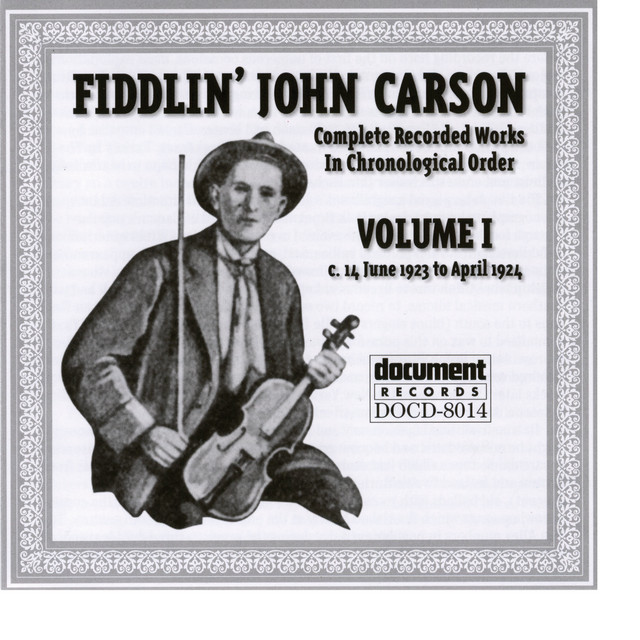
Fiddlin John Carson
Ragtime
Traditional Country
Traditional Music
1
/5
宮城まり子
Enka
Kayōkyoku
Ragtime
1
/5
Frank Novak
Polka
Ragtime
Traditional Music
1
/5
Hugh Tracey
Ragtime
Traditional Music
1
/5
Wasi Ka Nanara Pan Pipers
Ragtime
Traditional Music
1
/5
Sister Ernestine Washington with Bunk Johnson's Jazz Band
Ragtime
Traditional Music
2
/5
Joshua Rifkin
Ragtime
Maxixe
4
/5
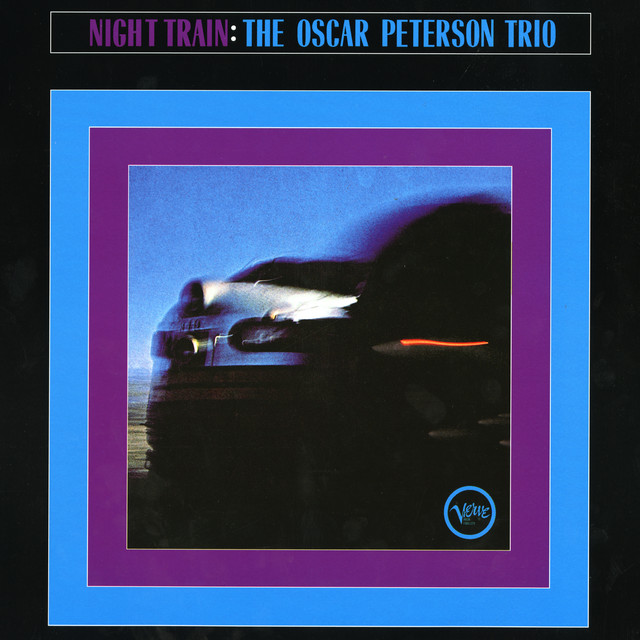
Oscar Peterson Trio
Contemporary Post-Bop
Bebop
Cool Jazz
3
/5
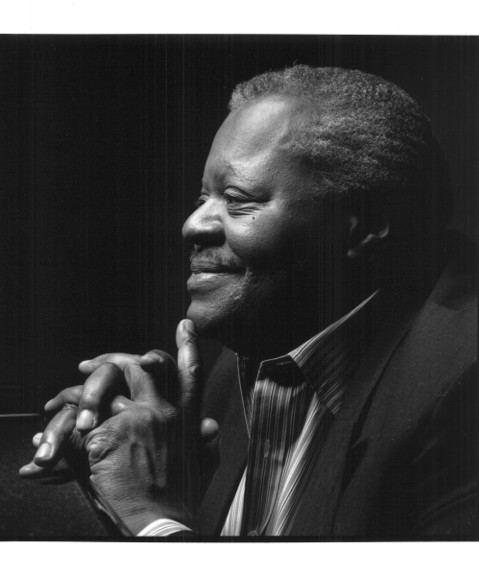
Oscar Peterson
Jazz
Bebop
Cool Jazz
Download our mobile app
Get the Melodigging app and start digging for new genres on the go
Download on the App Store
Get it on Google Play
© 2026 Melodigging
Give feedback
Legal
Melodding was created as a tribute to
Every Noise at Once
, which inspired us to help curious minds keep digging into music's ever-evolving genres.