Genres
Artists
Albums
Make Music
Sign in
Sign in
Artists
Bélé
Artists
Bélé
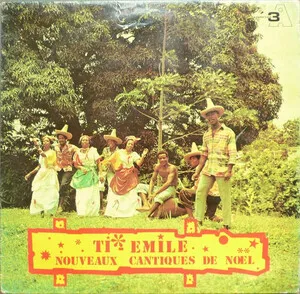
Ti Emile
2006
·
2 albums
Listen
1
/5
Genres
Champeta
Champeta is an Afro‑Colombian dance music born in the Caribbean coast around Cartagena and Barranquilla, emerging from the picó (sound‑system) culture that blasted imported African LPs at street parties. It translates the kinetic guitar lines and call‑and‑response spirit of Congolese soukous, highlife, and makossa into a distinctly coastal Colombian groove. Built on bright, interlocking electric‑guitar ostinatos (often in a sebene style), rubbery bass, and hand percussion, champeta favors hypnotic two‑chord vamps, catchy choruses, and playful, often streetwise lyrics delivered in Spanish and, at times, Palenquero. Since the 2000s, the style’s “champeta urbana” wave has folded in drum‑machine kicks, synth hooks, and club sonics while keeping the joyous, communal energy of the picó plaza.
Discover
Listen
Zouk
Zouk is a high-energy dance music that originated in the French Caribbean (Guadeloupe and Martinique) in the early 1980s, crystallized by the band Kassav’. It blends Haitian compas (kadans) with local folk rhythms and the glossy production aesthetics of disco, funk, and early electronic pop. Early “zouk béton” emphasized driving, tightly arranged rhythms, bright synth-brass stabs, and call-and-response vocals. A slower, smoother branch known as “zouk love” followed, foregrounding romantic lyrics, silky harmonies, and sensual grooves. Sung primarily in Antillean Creole and French, zouk is both a party soundtrack and a cultural statement of Caribbean identity.
Discover
Listen
Compas
Compas (also spelled konpa or compas direct) is Haiti’s modern, méringue-based dance music. It features a steady, driving groove, lyrical melodies, and tight horn or synth hooks designed for continuous social dancing. The style blends Haitian méringue rhythms with jazz and Afro‑Cuban/Latin elements, typically in a mid‑tempo 4/4. A locked‑in drum/cowbell pattern, syncopated bass ostinatos, percussive rhythm guitar, keyboards playing montuno-like figures, and call‑and‑response vocals in Haitian Creole or French are core traits. Since the late 1970s, electronic keyboards and drum machines have been common, but the feel remains warm, romantic, and unshakably danceable.
Discover
Listen
Traditional Music
Traditional music is an umbrella term used in the mid–20th century by folklorists and ethnomusicologists to denote community-rooted, orally transmitted repertoires tied to social ritual, work, celebration, and storytelling. Unlike commercial pop or art-music traditions, traditional music is typically learned by ear, varies regionally, and evolves slowly through communal participation. It often features modal melodies, cyclic rhythms, heterophony or unison singing, and indigenous instruments whose timbres are integral to local identity. Lyrics tend to preserve language, history, and collective memory. While the musical practices themselves can be ancient, the phrase “traditional music” emerged to replace earlier, narrower or colonial framings like “folk” or “ethnic” music, foregrounding continuity, locality, and living practice rather than exoticism.
Discover
Listen
Bélé
Bélé (also spelled bèlè or belair in some islands) is a drum‑centered folk music and dance tradition of the French- and English-speaking Lesser Antilles, notably Martinique, Dominica, Guadeloupe, Saint Lucia, Grenada, Haiti, and Trinidad and Tobago. It is performed by a duo of dancers who engage in a refined call‑and‑response with the lead drummer and a chorus of singers. The core ensemble features the tanbou bélé (a large, often tilted, barrel drum), tibwa (two wooden sticks striking a timeline on the drum shell or a piece of wood), and shakers (chacha/maracas). Songs are led by a chantwèl (lead caller) and answered by a responding chorus, most often in Creole. The music’s feel blends West/Central African rhythmic languages with European (especially French) couple‑dance aesthetics. Bélé is both a social courtship dance and a ritual of community solidarity: it accompanies fêtes, wakes, and village gatherings, and has distinct regional variants (e.g., bèlè dous, bèlè pitjé in Martinique; bele/beleh in Dominica and Trinidad).
Discover
Listen
Albums
2006
2
/5
25 ans de bel-air
Ti-Émile
Bélé
Nouveaux cantiques de Noël
Ti-Émile
Bélé
Similar artists
1
/5
Ti Raoul
Compas
Traditional Music
Zouk
2
/5
Patrick Gane
Compas
Traditional Music
Zouk
2
/5
Les Shleu Shleu
Compas
Haitian Music
Champeta
1
/5
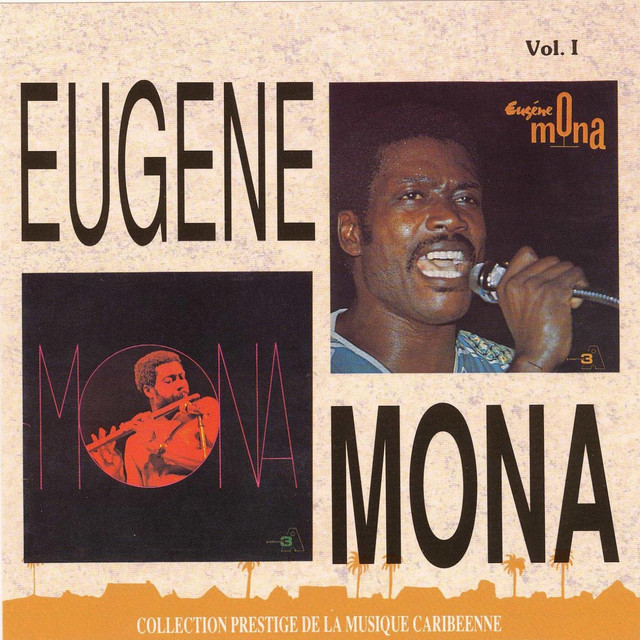
Eugène Mona
Biguine
Compas
Traditional Music
1
/5
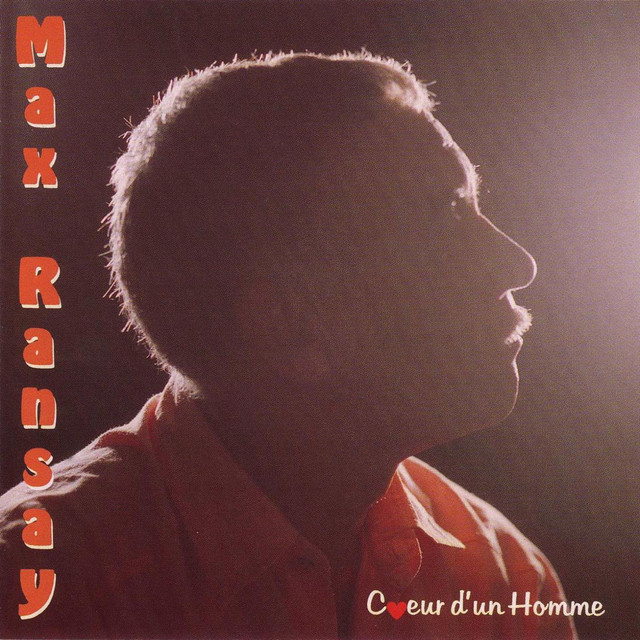
Max Ransay
Compas
Traditional Music
Zouk
1
/5
Zouk All Stars
Champeta
Compas
Zouk
1
/5
Victor Treffre
Compas
Traditional Music
Zouk
1
/5
Empreintes
Compas
Traditional Music
Zouk
1
/5
Gertrude Seinin
Compas
Traditional Music
Zouk
1
/5
Céline Fleriag
Compas
Traditional Music
Zouk
Download our mobile app
Get the Melodigging app and start digging for new genres on the go
Download on the App Store
Get it on Google Play
© 2026 Melodigging
Give feedback
Legal
Melodding was created as a tribute to
Every Noise at Once
, which inspired us to help curious minds keep digging into music's ever-evolving genres.