Genres
Artists
Albums
Make Music
Sign in
Sign in
Artists
Ragtime
Artists
Ragtime
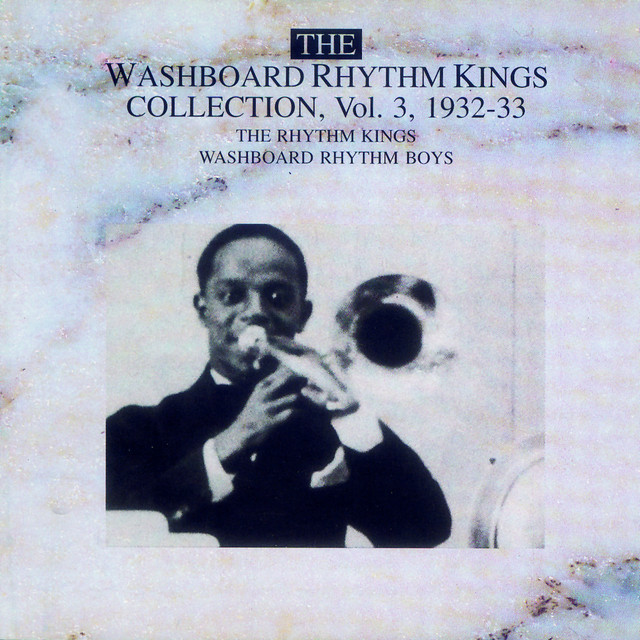
The Washboard Rhythm Kings
2014
·
1 album
Listen
1
/5
Genres
Swing
Swing is a jazz style centered on a buoyant, danceable groove created by a walking bass, four-to-the-bar rhythm guitar, a backbeat emphasis on 2 and 4, and a lilted “swung” eighth-note feel. Typically performed by big bands (saxes, trumpets, trombones, and a rhythm section) as well as small combos, it balances written arrangements with improvised solos. Hallmarks include call-and-response between horn sections, riff-based melodies, shout choruses that build intensity near the end of an arrangement, and rich sectional voicings grounded in blues language and ii–V–I harmonic motion. Tempos range from medium to brisk, serving social dances like the Lindy Hop and Jitterbug. Swing’s expressive phrasing, dance-floor focus, and sophisticated arranging made it the dominant popular music of the late 1930s and early 1940s.
Discover
Listen
Washboard
Washboard is an early 20th‑century, instrument-defined microgenre of American vernacular music that centers the scrubbed, rhythm-keeping washboard (often played with thimbles, spoons, or brushes) as a featured percussion voice. Emerging from the crossroads of jug-band music, country blues, ragtime, and hot jazz, washboard ensembles typically performed upbeat, stomping tunes, blues numbers, and novelty songs in dance halls, rent parties, and on street corners. The sound is raw and percussive: chattering triplets, scraped backbeats, woodblock and cowbell accents, and improvised breaks punctuate small combos with guitar/banjo, piano, clarinet or cornet, kazoo or jug, and call‑and‑response vocals. Although tied to specific bands and scenes of the late 1920s and 1930s, the washboard aesthetic persisted through folk and skiffle revivals and fed directly into zydeco’s rubboard tradition, leaving a lasting imprint on roots and revivalist music.
Discover
Listen
Ragtime
Ragtime is an African American–rooted piano style that flourished from the 1890s to the 1910s, characterized by lively syncopation in the right hand against a steady, march-like “oom‑pah” accompaniment in the left hand. Typically written in 2/4 or 4/4 time and notated with straight (unswung) eighth notes, classic rags unfold in multiple 16‑bar strains, often in the form AABBACCDD. The music draws on cakewalk rhythms, marching-band forms, and popular song, and it became a sensation through sheet music, piano rolls, and parlor performance. Scott Joplin, known as the “King of Ragtime,” helped codify the genre’s refined, compositional approach, calling for moderate tempos and a clear, singing melody. Beyond solo piano, ragtime was arranged for small ensembles and orchestras, found a home in vaudeville and dance halls, and laid essential groundwork for early jazz, stride piano, and much of 20th‑century American popular music.
Discover
Listen
Albums
2014
All Time Jazz: Washboard Rhythm Kings
The Washboard Rhythm Kings, Washboard Rhythm Band
Washboard
Similar artists
2
/5
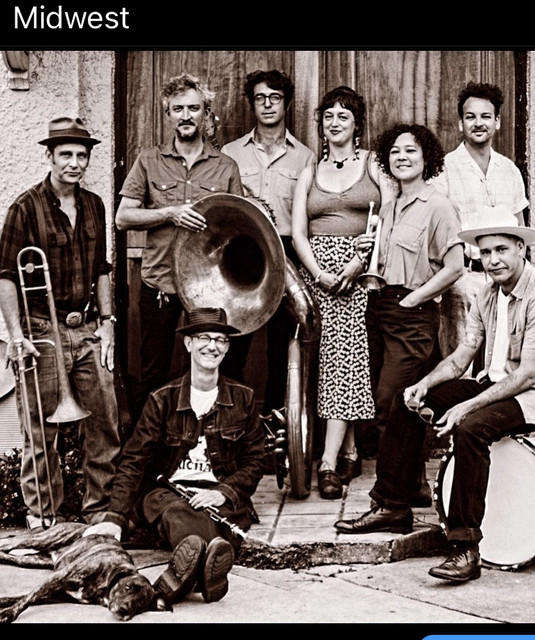
Tuba Skinny
Ragtime
Dixieland
New Orleans Brass Band
2
/5
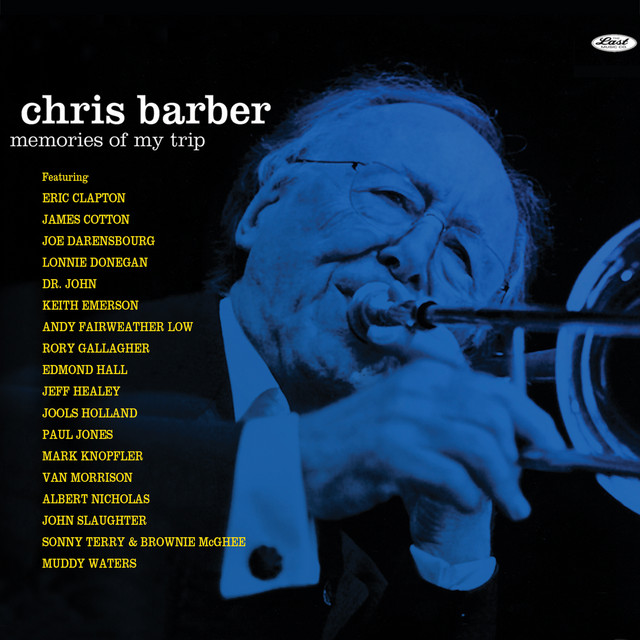
Chris Barber
Big Band
British Trad Jazz
Jazz
2
/5
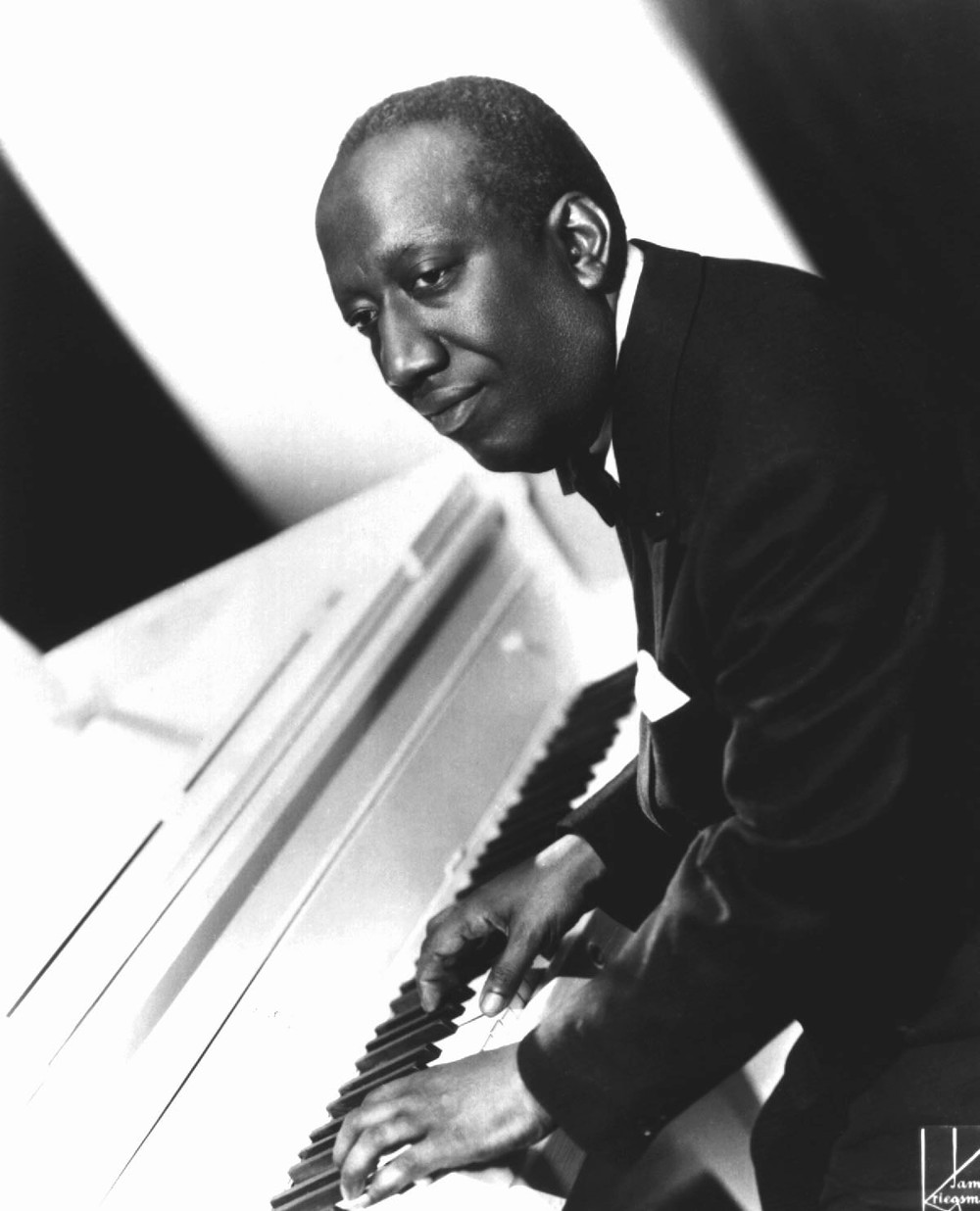
James P. Johnson
Stride
Ragtime
Boogie-Woogie
3
/5
Benny Goodman
Ragtime
Big Band
Jazz
3
/5
Erroll Garner
Stride
Jazz
Ragtime
3
/5
Django Reinhardt
Gypsy Jazz
Jazz
Ragtime
3
/5
Sidney Bechet
Dixieland
Jazz
Ragtime
3
/5
Fats Waller
Stride
Ragtime
Big Band
3
/5
Preservation Hall Jazz Band
Dixieland
Jazz
Cajun
3
/5
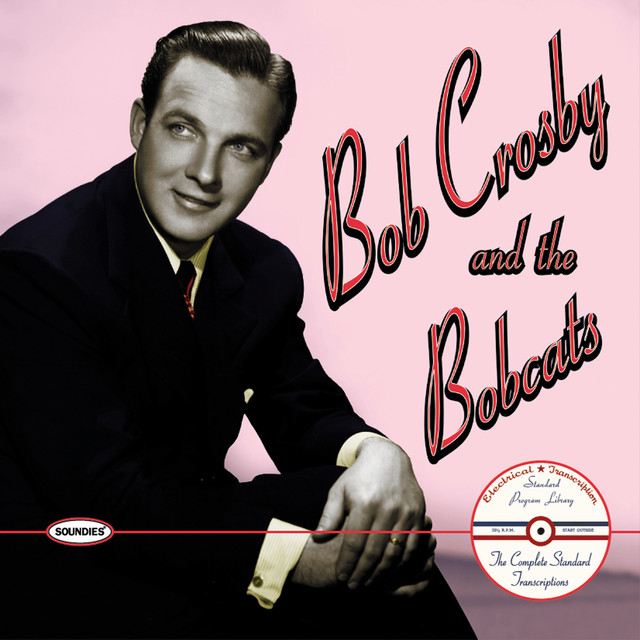
Bob Crosby & The Bob Cats
Big Band
Ragtime
Swing
Download our mobile app
Get the Melodigging app and start digging for new genres on the go
Download on the App Store
Get it on Google Play
© 2026 Melodigging
Give feedback
Legal
Melodding was created as a tribute to
Every Noise at Once
, which inspired us to help curious minds keep digging into music's ever-evolving genres.