Genres
Artists
Albums
Make Music
Sign in
Sign in
Artists
Doo-Wop
Artists
Doo-Wop
The Versatones
1 album
Listen
1
/5
Genres
Doo-Wop
Doo-wop is a vocal harmony–driven style of rhythm and blues that blossomed in mid-century urban America. Built around lead-tenor melodies, lush background harmonies, and playful nonsense syllables (the source of its name), the genre blends church-bred gospel techniques with street-corner spontaneity. Musically, doo-wop favors simple, singable chord cycles—especially the “’50s progression” (I–vi–IV–V)—a steady 4/4 or lilting 12/8 feel, and call-and-response between lead and backing parts. Arrangements range from a cappella to small combos with guitar, piano, bass, light drums, and occasional saxophone. Lyrically, the songs are often teen-centered: romance, longing, heartbreak, and devotion. The sound emerged in the late 1940s within African-American communities and soon resonated across ethnic lines, inspiring groups in cities such as New York, Philadelphia, Chicago, Detroit, and Los Angeles. Its polished harmonies, sweet ballads, and hooky refrains helped shape early rock and roll and later pop harmony traditions.
Discover
Listen
Chicago Polka
Chicago polka is a Polish-American polka style centered in Chicago’s Polish immigrant communities. It is especially associated with a slightly slower, steadier dance tempo than some Central European polka traditions, and with a “looser” feel that leaves room for instrumental improvisation. Typical ensembles feature melody and counter-melody traded between clarinet and trumpet, with the concertina providing the signature rhythmic pulse and chordal support, often alongside drums and bass. The overall sound is festive and community-oriented, designed for social dancing (polkas, obereks, waltzes) at neighborhood halls, weddings, and festivals.
Discover
Listen
Polka
Polka is a lively Central European couple dance and musical style in a brisk 2/4 meter, characterized by its buoyant “oom‑pah” bass-chord accompaniment and bright, diatonic melodies. Originating in Bohemia (today’s Czech Republic) in the early 19th century, it quickly became a pan-European craze before taking root across immigrant communities in the Americas. Ensembles typically feature accordion or button box/concertina, clarinet or saxophone, trumpets/trombone, tuba or string bass, and drum kit, with regional variants highlighting different lead voices and rhythmic feels. While the classical ballroom tradition codified polka into formal strains (often AABB with a contrasting trio), folk and popular styles favor singable tunes, simple I–IV–V harmonies, and tempos commonly around 115–135 BPM, inviting upbeat social dancing and communal celebration.
Discover
Listen
Albums
Polish Party! Adults Only
The Versatones
Chicago Polka
Similar artists
2
/5
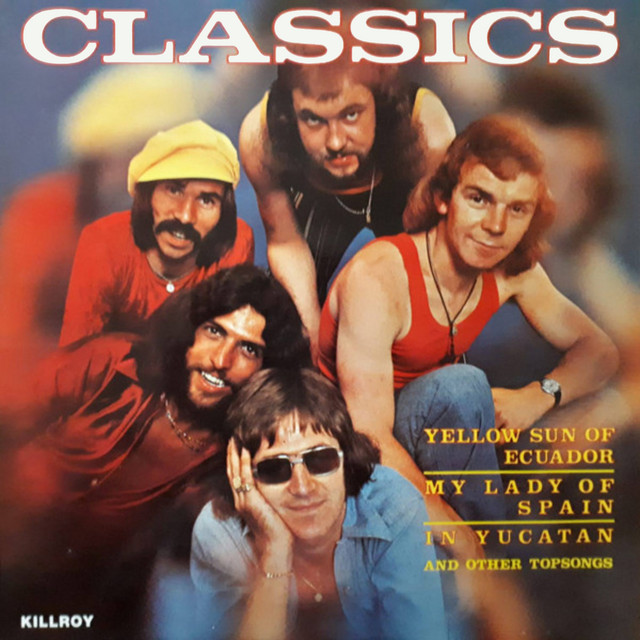
The Classics
Doo-Wop
Indorock
Nederpop
1
/5
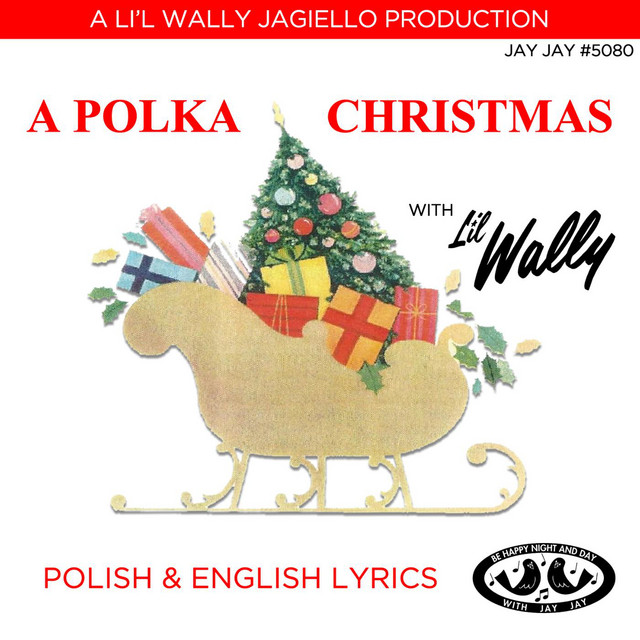
Li'l Wally Jagiello
Chicago Polka
Polka
4
/5
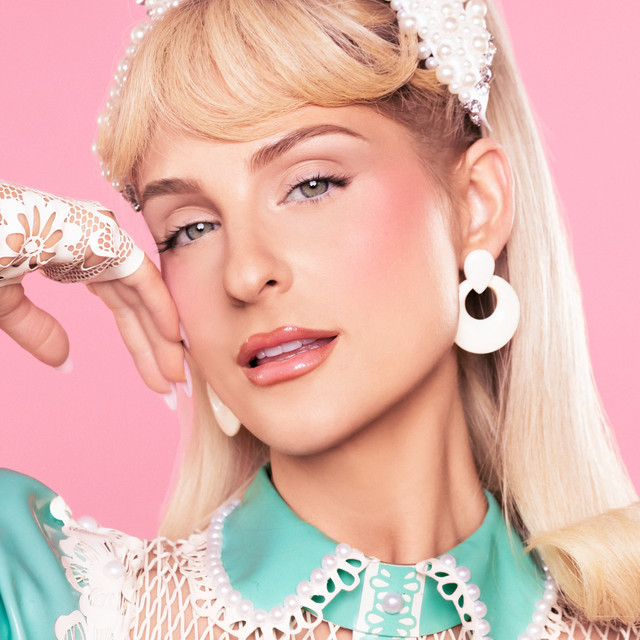
Meghan Trainor
Hip Pop
Doo-Wop
Pop
4
/5
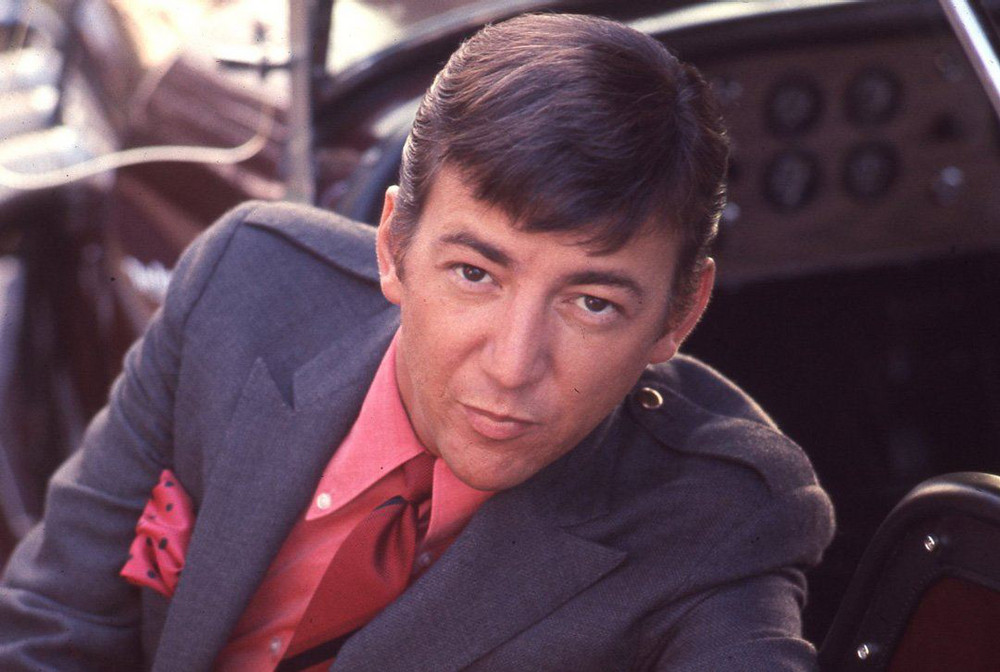
Bobby Darin
Adult Standards
Big Band
Doo-Wop
4
/5
Ritchie Valens
Doo-Wop
Rock And Roll
Shimmer Psych
4
/5
The Platters
Doo-Wop
Easy Listening
Rock And Roll
4
/5
"Weird Al" Yankovic
Comedy
Comedy Rock
Polka
3
/5
The Drifters
Doo-Wop
Motown
Rock And Roll
3
/5
Dion
Doo-Wop
Brill Building
Gamecore
3
/5
The Everly Brothers
Rock And Roll
Close Harmony
Pop
Download our mobile app
Get the Melodigging app and start digging for new genres on the go
Download on the App Store
Get it on Google Play
© 2026 Melodigging
Give feedback
Legal
Melodding was created as a tribute to
Every Noise at Once
, which inspired us to help curious minds keep digging into music's ever-evolving genres.