Your digging level

For this genre
0/8
🏆
Sign in, then listen to this genre to level up

Description

Chicago polka is a Polish-American polka style centered in Chicago’s Polish immigrant communities.

It is especially associated with a slightly slower, steadier dance tempo than some Central European polka traditions, and with a “looser” feel that leaves room for instrumental improvisation.

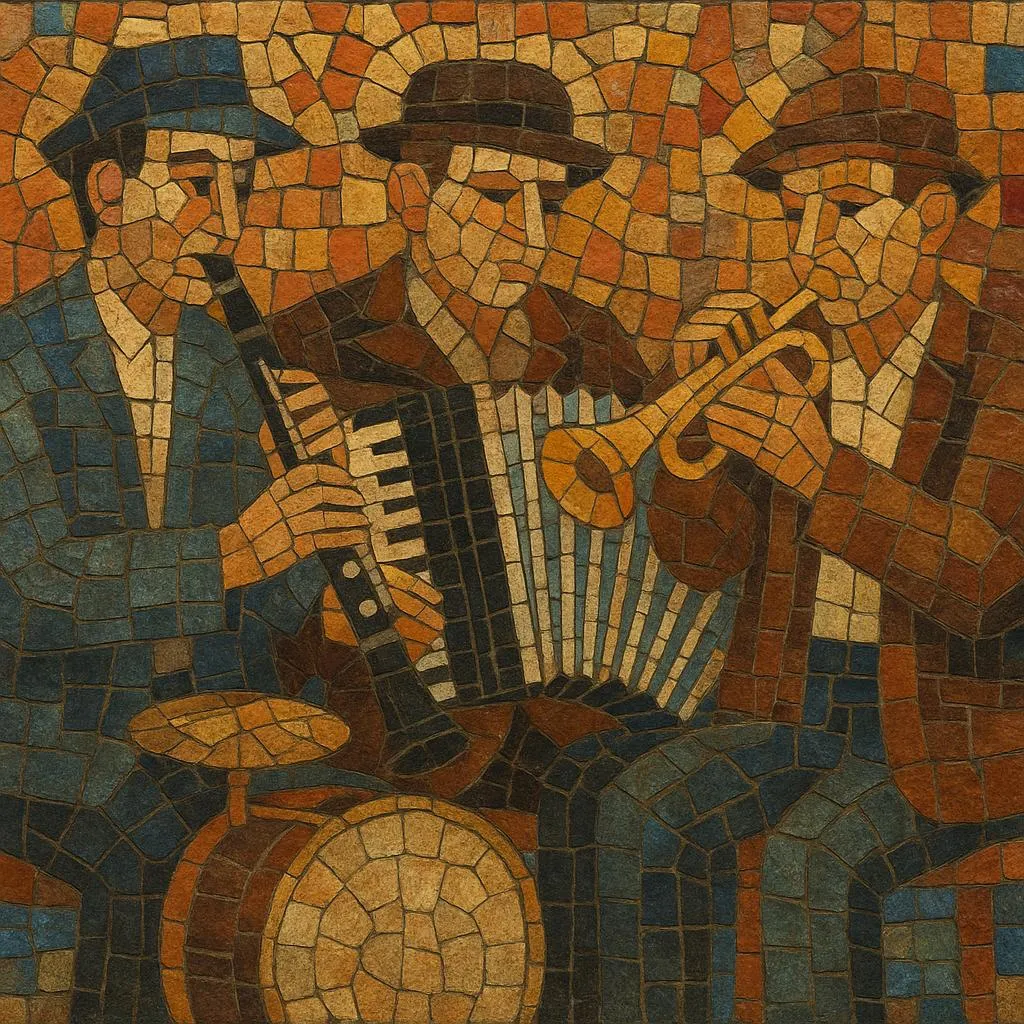
Typical ensembles feature melody and counter-melody traded between clarinet and trumpet, with the concertina providing the signature rhythmic pulse and chordal support, often alongside drums and bass.

The overall sound is festive and community-oriented, designed for social dancing (polkas, obereks, waltzes) at neighborhood halls, weddings, and festivals.


Sources: Spotify, Wikipedia, Discogs, Rate Your Music, MusicBrainz, and other online sources

History

Roots and formation (late 1800s–1930s)

Chicago polka grew out of Polish immigrant musical life in Chicago, where dance music from Poland (polkas, obereks, and related village/urban traditions) mixed with other Central and Eastern European styles performed in the city.

The Chicago sound (1930s–1950s)

By the 1930s, working-class dance bands and recording activity helped solidify a recognizable Chicago approach: a durable dance groove, a prominent concertina-driven pulse, and front-line horns/woodwinds that could embellish melodies with improvisation.

Popularization and the “Polka” boom (1950s–1970s)

Postwar prosperity, radio, and regional record labels amplified the style. Chicago became a major hub for Polish-American polka, and the sound spread through touring circuits, community dances, and ethnic festivals across the Midwest.

Continuity and revival (1980s–present)

While mainstream visibility fluctuated, Chicago polka remained strong through family bands, festivals, and dedicated radio programs. Contemporary groups often keep the classic instrumentation and repertoire while updating arrangements, set lists, and production for modern audiences.


How to make a track in this genre

Core instrumentation
•   Concertina: Use it as the rhythmic engine (oom-pah comping), often with quick bellows changes for drive. •   Clarinet + trumpet: Write a lead line that can be doubled at the octave or harmonized in thirds/sixths; leave space for short improvised fills. •   Rhythm section: Add drum kit (snare on 2 and 4, light kick support) and bass (walking or alternating root–fifth).
Rhythm and feel
•   Keep a 2/4 polka foundation with a slightly slower, steadier dance tempo than very fast polka variants. •   Aim for a strong, even “two-step” bounce: bass note on beat 1, chord on beat 2 (and similarly across the bar), with snare reinforcing the backbeat. •   Let the clarinet and trumpet add syncopated pickups and turnarounds without disrupting the dance pulse.
Harmony and form
•   Favor bright, functional harmony: I–IV–V with occasional ii–V or secondary dominants for momentum. •   Common forms are AABB or verse/chorus structures with clear eight-bar phrases. •   Use short instrumental breaks for improvisation (often 8–16 bars), then return to the main strain for dancers.
Melody and improvisation
•   Write singable, folk-like melodies with repeated motifs and stepwise motion. •   Arrange call-and-response between trumpet and clarinet, or have one carry the melody while the other plays counterlines. •   Keep improvisation rhythmic and melodic (ornaments, short runs, paraphrasing the tune) rather than long jazz solos.
Lyrics and themes (optional)
•   If adding vocals, keep lyrics simple and communal: celebrations, dancing, love, neighborhood pride, family events. •   Use refrains that are easy for a crowd to sing along with, and consider bilingual Polish/English phrases in a Polish-American context.
Production and performance tips
•   Prioritize a forward concertina and a clear, lively horn/clarinet blend. •   Play for dancers: maintain consistent tempo, emphasize turnarounds, and keep endings crisp (tag the final phrase or use a rallentando only if the crowd expects it).

Top tracks

Locked
Share your favorite track to unlock other users’ top tracks
Influenced by
Has influenced
No genres found
Challenges
Digger Battle
Let's see who can find the best track in this genre
© 2026 Melodigging
Melodding was created as a tribute to Every Noise at Once, which inspired us to help curious minds keep digging into music's ever-evolving genres.
Buy me a coffee for Melodigging