Genres
Artists
Albums
Make Music
Sign in
Sign in
Artists
British Rhythm & Blues
Artists
British Rhythm & Blues
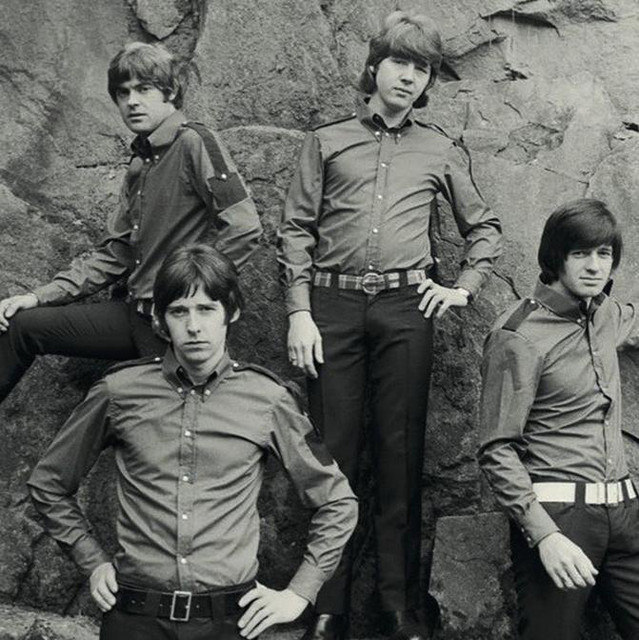
The Sorrows
Listen
Genres
British Rhythm & Blues
British rhythm & blues is the United Kingdom’s early-1960s reinterpretation of American rhythm and blues and electric Chicago blues, performed by beat-era groups with louder amplification, a tougher backbeat, and club-ready energy. The style centers on electric guitar riffs, harmonica leads, driving bass-and-drum grooves, and raw, sometimes shouted vocals. Repertoires leaned heavily on covers of Chess and Vee-Jay artists (Muddy Waters, Howlin’ Wolf, Bo Diddley, Chuck Berry) alongside original songs built from I–IV–V blues frameworks. It is tightly linked to London’s club circuit and the mod scene, where fast tempos, stomping shuffles, and an emphasis on danceable grooves defined the sound. Compared to American R&B and blues, British R&B is generally more aggressive and amplified, foregrounding attack, repetition, and live immediacy. It became a springboard for blues rock, psychedelic rock, hard rock, and eventually the UK pub-rock to punk lineage.
Discover
Listen
Freakbeat
Freakbeat is a hard-edged strain of mid-1960s British beat and R&B that pushes toward proto-psychedelia and early hard rock. It is characterized by aggressive, fuzz-drenched guitars, feedback stabs, rapid-fire drum breaks, and punchy, hook-driven choruses. Typically recorded as high-energy singles for the mod scene, freakbeat songs are concise (often two to three minutes), loud, and rhythm-forward, with blues-based riffs, shouted or urgent vocals, and dramatic dynamic stops and starts. The sound bridges early British R&B/beat groups and the heavier, more experimental rock that followed, embodying a raw, kinetic intensity ideal for dancefloors and club stages.
Discover
Listen
Garage Rock
Garage rock is a raw, energetic style of rock music that emerged in the mid-1960s from local scenes across North America. Typically performed by amateur or semi-professional teenage bands in basements and suburban garages, the sound is unpolished and immediate, favoring feel over finesse. Its hallmarks include distorted guitars, pounding drums, simple chord progressions (often I–IV–V), prominent Farfisa/Vox organ riffs, and shouted, attitude-heavy vocals. Songs are short, hooky, and driven by rhythmic urgency, with lyrics about teenage love, boredom, rebellion, and swagger. The style became a direct ancestor of proto-punk and punk rock, prized for its do-it-yourself spirit and visceral impact.
Discover
Listen
Mod
Mod is a British music style rooted in the early-to-mid 1960s modernist youth culture that prized sharp fashion, nightlife, and danceable American R&B and soul. Musically, it blends tight, hook-forward songwriting with brisk tempos, crisp guitar work, prominent backbeats, and frequent use of Hammond organ and occasional horn stabs. Typical mod records are concise and energetic, drawing on blues and R&B progressions but framed with pop sensibility and vocal harmonies. The sound sits between beat music and early rock, with a soulful edge and a strong emphasis on dancing and style. While the original wave crested in the mid-1960s, the approach later reappeared in the late-1970s mod revival and has continued to inform power pop and Britpop aesthetics.
Discover
Listen
Similar artists
4
/5
The Who
Hard Rock
Classic Rock
Mod
3
/5
Them
British Rhythm & Blues
Garage Rock
Rock
3
/5
The Yardbirds
Blues Rock
British Rhythm & Blues
Rock
3
/5
Small Faces
Mod
Proto-Punk
British Rhythm & Blues
2
/5
The Pretty Things
Garage Rock
Psychedelic Pop
Rock
2
/5
The Creation
Freakbeat
Psychedelic Rock
Rock
2
/5
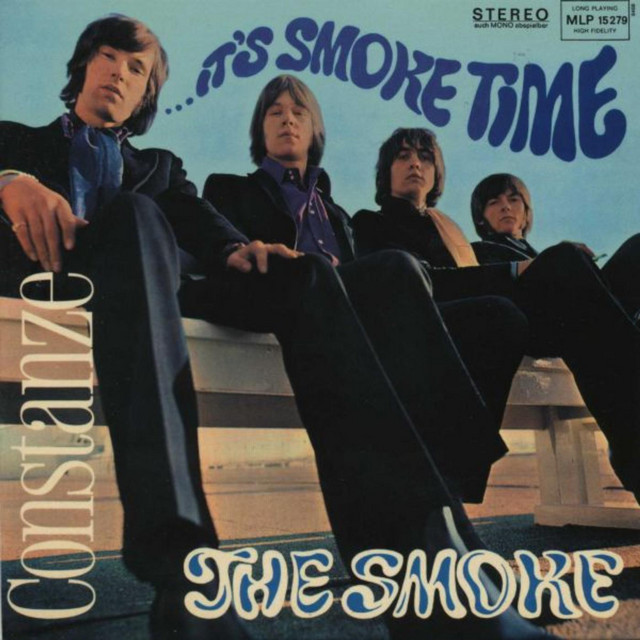
The Smoke
Acid Rock
Baroque Pop
Garage Rock
1
/5
The Sorrows
Garage Rock
Freakbeat
Proto-Punk
1
/5
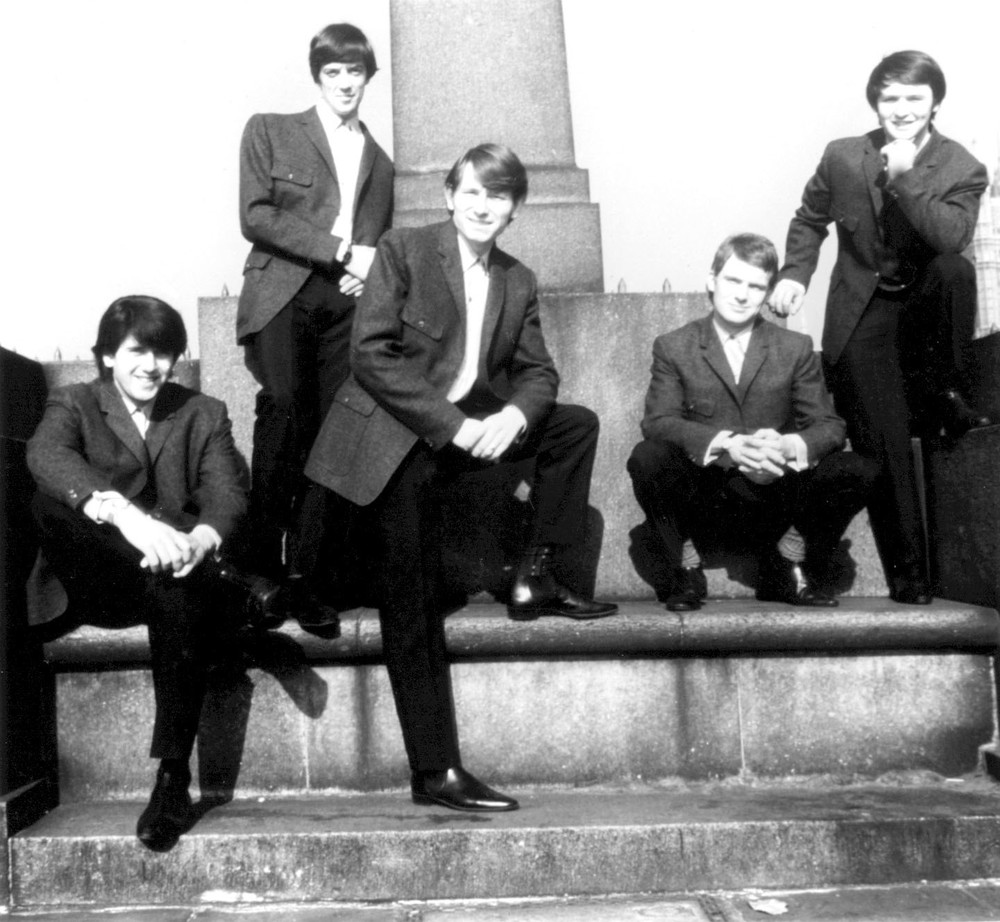
The Artwoods
British Rhythm & Blues
Mod
Rock
4
/5
The Animals
British Rhythm & Blues
Classic Rock
British Blues
Download our mobile app
Get the Melodigging app and start digging for new genres on the go
Download on the App Store
Get it on Google Play
© 2026 Melodigging
Give feedback
Legal
Melodding was created as a tribute to
Every Noise at Once
, which inspired us to help curious minds keep digging into music's ever-evolving genres.