Genres
Artists
Albums
Make Music
Sign in
Sign in
Artists
Big Band
Artists
Big Band
The Savoy Orpheans
2000
·
1 album
Listen
1
/5
Genres
Big Band
Big band is a large-ensemble style of jazz and popular dance music built around brass, reed, and rhythm sections playing arranged parts. Typical instrumentation includes five saxophones (often doubling clarinet/flute), four trombones, four trumpets, and a rhythm section of piano, guitar, upright bass, and drum set. The music emphasizes swing rhythms, call-and-response between sections, riff-based writing, and dramatic shout choruses, while leaving space for improvised solos. Born in American ballrooms and theaters, big band became the sound of the Swing Era, providing both music for dancing and a platform for sophisticated arranging and orchestration that shaped much of 20th‑century jazz and popular music.
Discover
Listen
Vintage Jazz
Vintage jazz refers to the early styles of jazz that flourished from the 1910s through the 1930s, encompassing New Orleans/early hot jazz, classic blues, and the rise of swing-era dance bands. It emphasizes collective improvisation, call-and-response horn parts, two-beat and early swing feels, and repertoire drawn from blues, ragtime, and Tin Pan Alley standards. Instrumentation typically features cornet/trumpet, clarinet, and trombone as the front line, supported by a rhythm section of piano, banjo or early archtop guitar, tuba or acoustic bass, and drums. Performances often follow 12-bar blues and 32-bar AABA song forms, with head arrangements and short solos that serve the groove and the dance floor. Today, "vintage jazz" is also used to describe historically informed performance and recording approaches that recreate the sound and aesthetic of pre-bebop jazz—mono or minimally mic’d sessions, ribbon mic warmth, and arrangements that spotlight collective energy over virtuosic individualism.
Discover
Listen
Ragtime
Ragtime is an African American–rooted piano style that flourished from the 1890s to the 1910s, characterized by lively syncopation in the right hand against a steady, march-like “oom‑pah” accompaniment in the left hand. Typically written in 2/4 or 4/4 time and notated with straight (unswung) eighth notes, classic rags unfold in multiple 16‑bar strains, often in the form AABBACCDD. The music draws on cakewalk rhythms, marching-band forms, and popular song, and it became a sensation through sheet music, piano rolls, and parlor performance. Scott Joplin, known as the “King of Ragtime,” helped codify the genre’s refined, compositional approach, calling for moderate tempos and a clear, singing melody. Beyond solo piano, ragtime was arranged for small ensembles and orchestras, found a home in vaudeville and dance halls, and laid essential groundwork for early jazz, stride piano, and much of 20th‑century American popular music.
Discover
Listen
Albums
2000
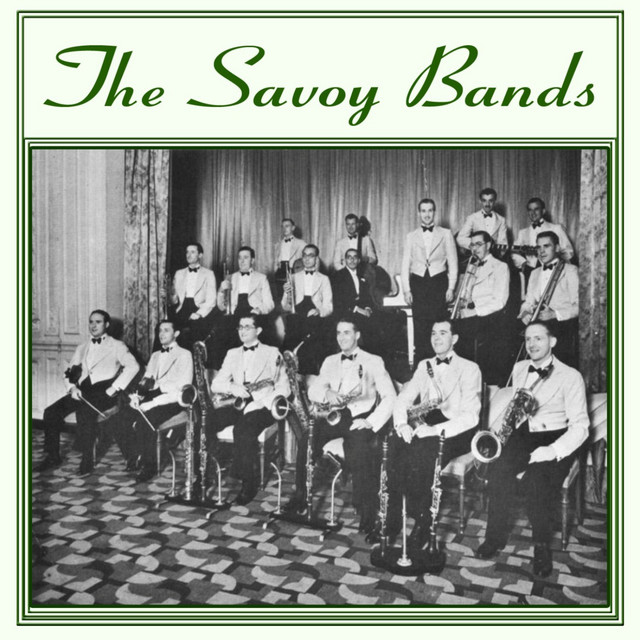
The Savoy Bands
The Savoy Orpheans, The Savoy Havana Band
Vintage Jazz
Similar artists
3
/5
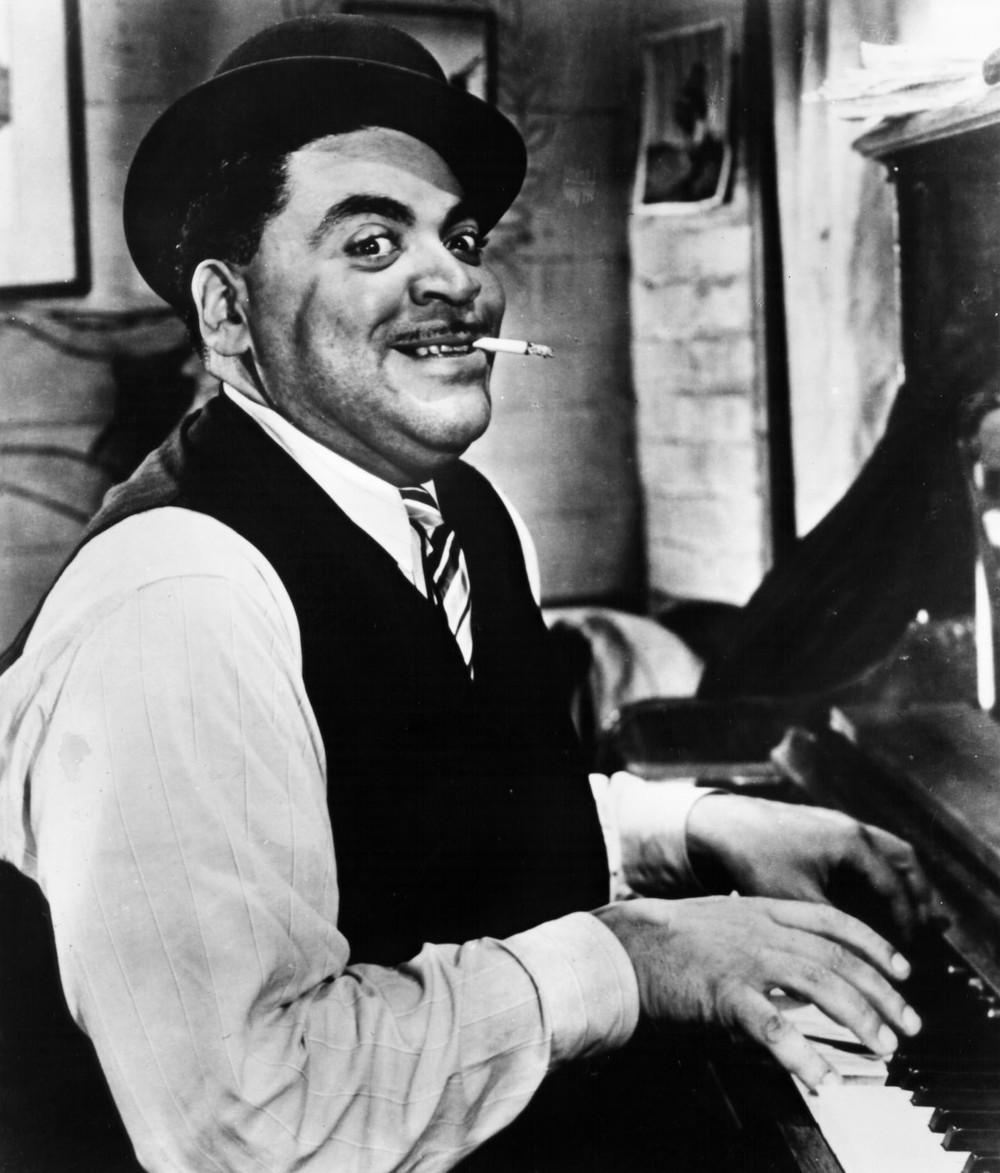
Fats Waller
Stride
Ragtime
Big Band
2
/5
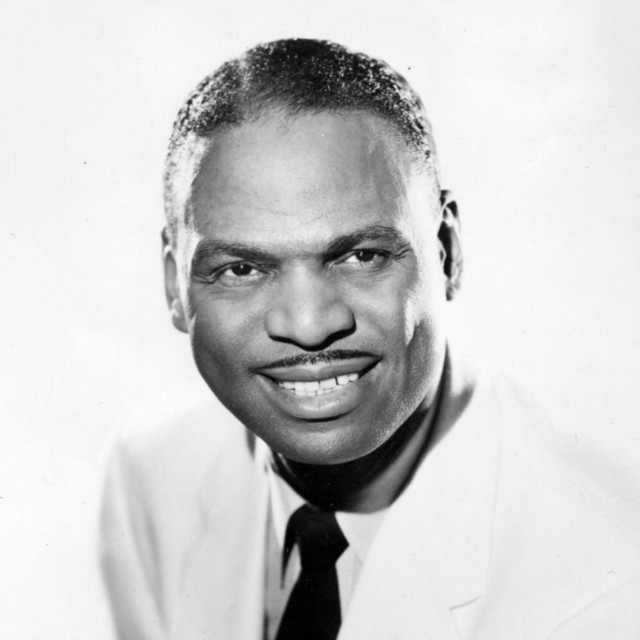
Earl Hines
Big Band
Boogie-Woogie
Hard Bop
1
/5
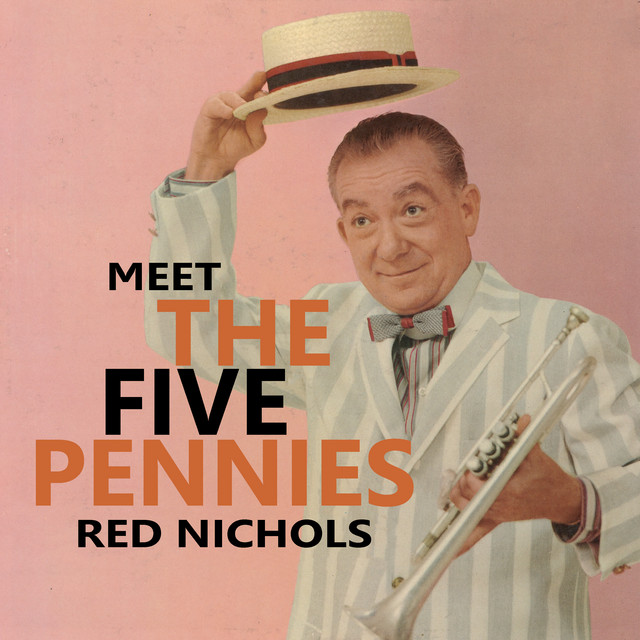
Red Nichols
Big Band
Jazz
Ragtime
1
/5
Coon-Sanders' Original Nighthawk Orchestra
Big Band
Ragtime
Vintage Jazz
2
/5
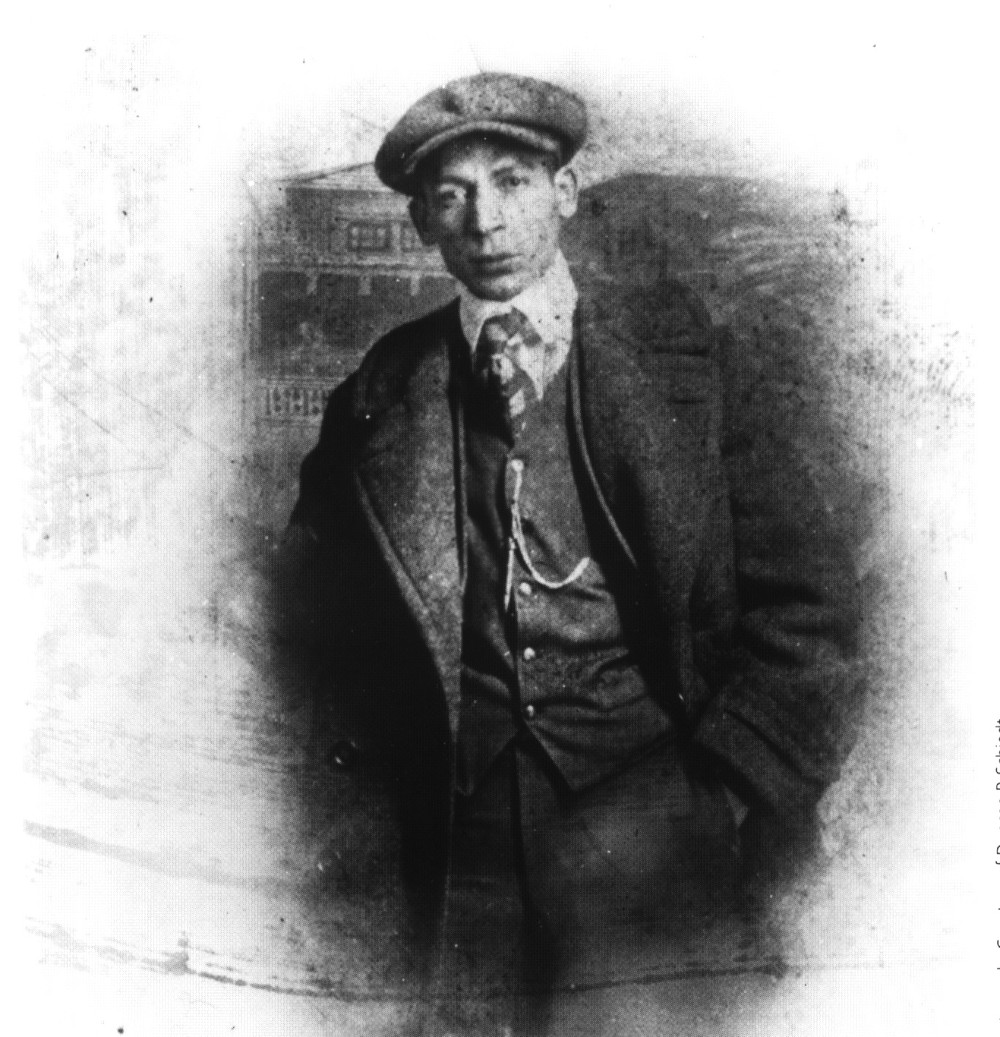
Jelly Roll Morton
New Orleans Blues
Ragtime
Dixieland
3
/5
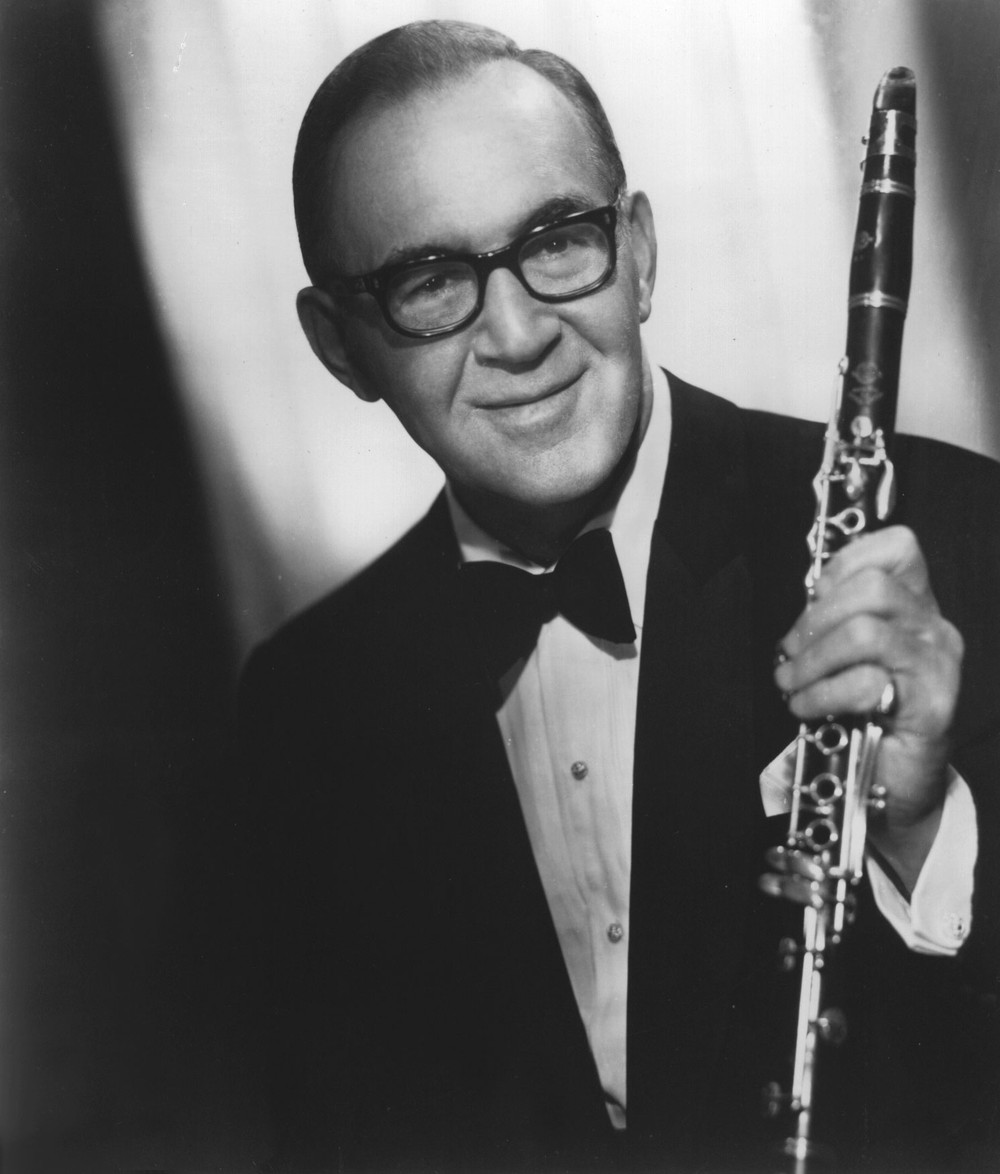
Benny Goodman
Ragtime
Big Band
Jazz
3
/5
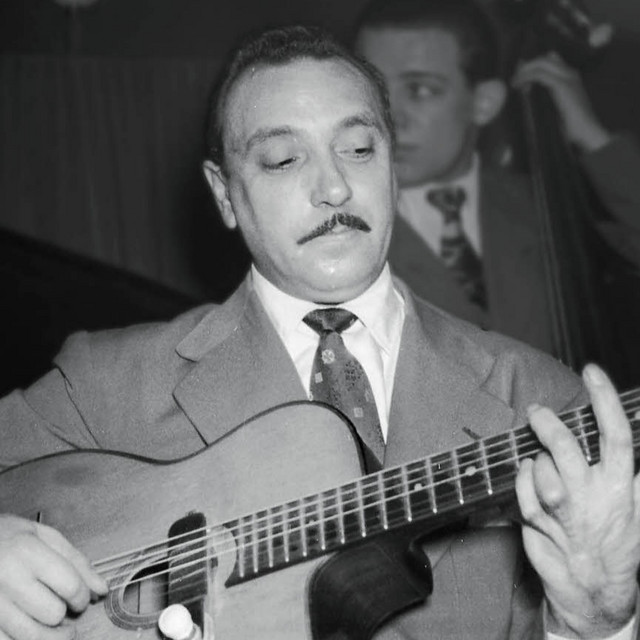
Django Reinhardt
Gypsy Jazz
Jazz
Ragtime
3
/5
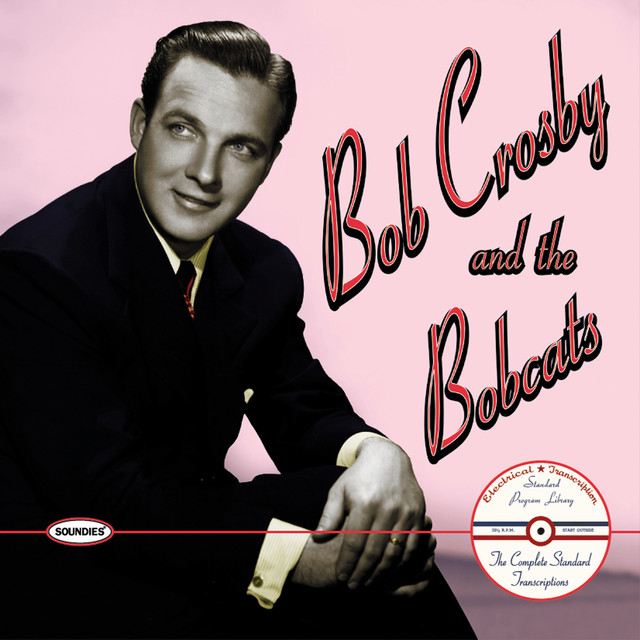
Bob Crosby & The Bob Cats
Big Band
Ragtime
Swing
2
/5
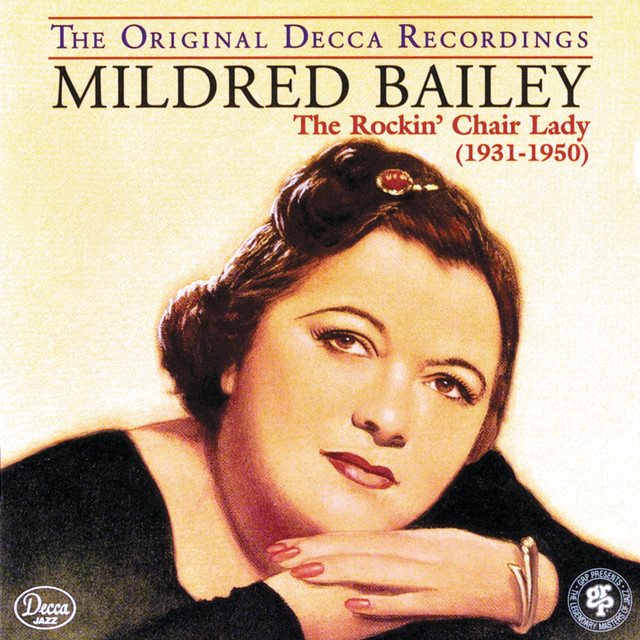
Mildred Bailey
Big Band
Jazz
Ragtime
2
/5
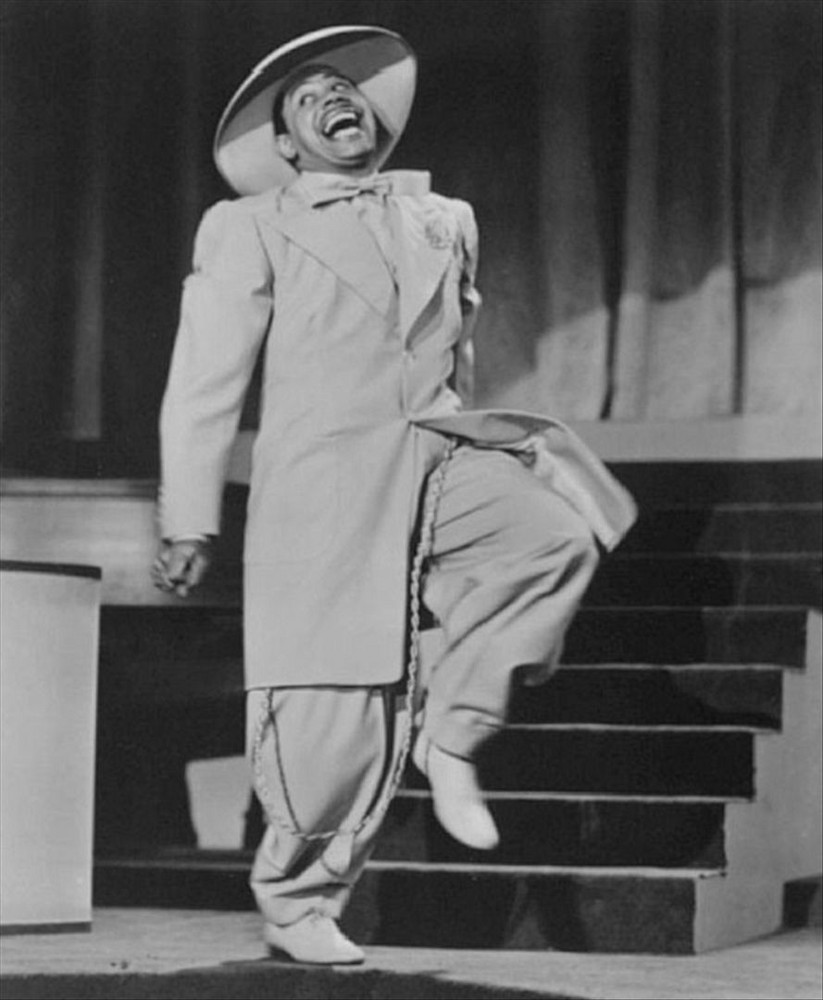
Cab Calloway
Big Band
Jazz Blues
Ragtime
Download our mobile app
Get the Melodigging app and start digging for new genres on the go
Download on the App Store
Get it on Google Play
© 2026 Melodigging
Give feedback
Legal
Melodding was created as a tribute to
Every Noise at Once
, which inspired us to help curious minds keep digging into music's ever-evolving genres.