Genres
Artists
Albums
Make Music
Sign in
Sign in
Artists
Ethio-Jazz
Artists
Ethio-Jazz
The Polyversal Souls
2015
·
1 album
Listen
1
/5
Genres
Souldies
Souldies is a modern revival of classic lowrider “oldies” soul—slow, tender ballads rooted in 1960s and early-’70s sweet soul and doo‑wop aesthetics, reimagined by a new generation of largely Chicano/Latinx artists in Southern California. Characterized by warm, analog-leaning production, mellow backbeats, honeyed vocal harmonies, and heart‑on‑sleeve lyricism, the style favors mid‑slow tempos, tape‑like saturation, spring/plate reverb, and minimalist yet expressive arrangements. English and Spanish (or Spanglish) lyrics often explore love, longing, devotion, and cruising/lowrider culture. Souldies sits at the intersection of classic soul, rhythm & blues, northern soul selections, and Latin soul, offering a contemporary, community‑centered sound that feels both timeless and newly personal.
Discover
Listen
Afrobeat Fusion
Afrobeat fusion is a modern hybrid that blends the classic Nigerian/Ghanaian Afrobeat template—polyrhythmic drums, interlocking guitars, deep bass vamps, and punchy horn sections—with contemporary styles such as house, hip‑hop, dub, nu‑jazz, disco, and broader electronic production. Where traditional Afrobeat foregrounds long, hypnotic grooves and socially charged, call‑and‑response vocals, Afrobeat fusion often shortens forms for the club, layers in synthesizers and drum machines, employs studio effects (filters, delays, tape echo, side‑chain pumping), and borrows arrangement ideas from DJ culture. The result keeps the music’s West African rhythmic DNA intact while widening its timbral palette and harmonic vocabulary for global dance floors and modern listeners.
Discover
Listen
Ethio-Jazz
Ethio‑jazz (Ethiopian jazz) is a distinctive fusion of traditional Ethiopian modal melody and rhythm with the harmonies, improvisational language, and instrumentation of jazz. Rooted in Ethiopia’s pentatonic qenet (modes)—such as tizita, bati, ambassel, and anchihoye—it places these characteristic scales over Western jazz ensembles (horn sections, piano/organ, guitar, bass, drums) and, at times, indigenous instruments like krar, masenqo, and kebero. The result ranges from sultry, minor‑tinged laments to hypnotic, groove‑forward vamps, often colored by vibraphone, organ, and saxophone timbres. Over time, Ethio‑jazz absorbed elements of soul, funk, Afro‑Latin and Afro‑Cuban rhythms, contributing to a sound that can be both melancholic and danceable, nostalgic and cosmopolitan. Mulatu Astatke—widely considered the father of Ethio‑jazz—was pivotal in crystallizing this language and popularizing it internationally.
Discover
Listen
Albums
2015
Invisible Joy
The Polyversal Souls
Afrobeat Fusion
Similar artists
3
/5
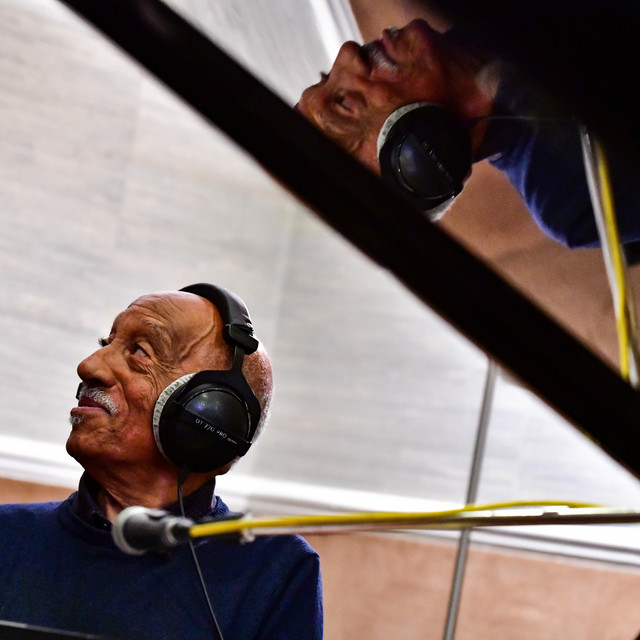
Mulatu Astatke
Ethio-Jazz
Jazz
Ethiopic Music
3
/5
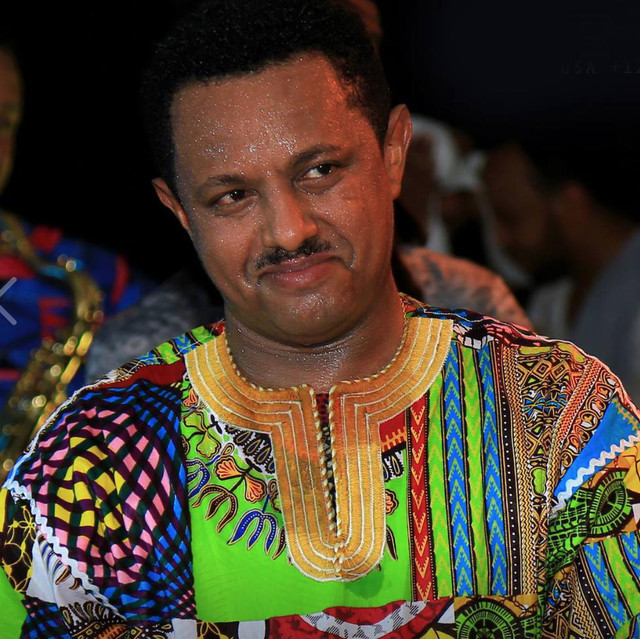
Teddy Afro
Ethio-Jazz
3
/5
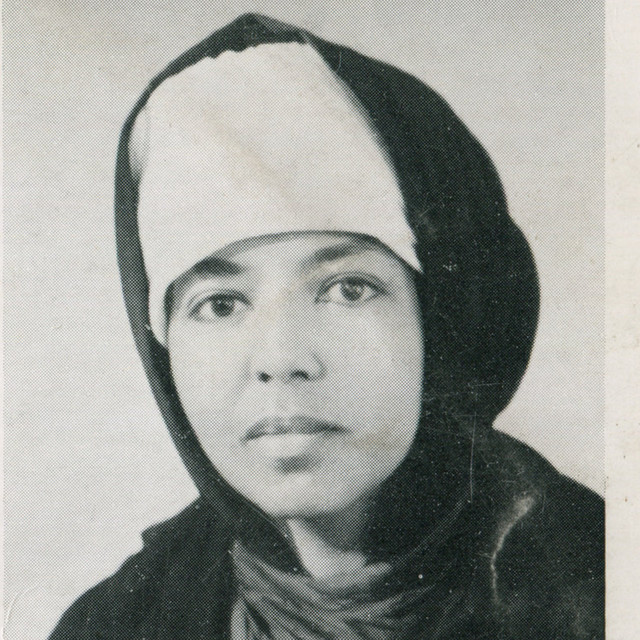
Emahoy Tsege Mariam Gebru
Ethio-Jazz
Impressionism
Ethiopian Church Music
3
/5
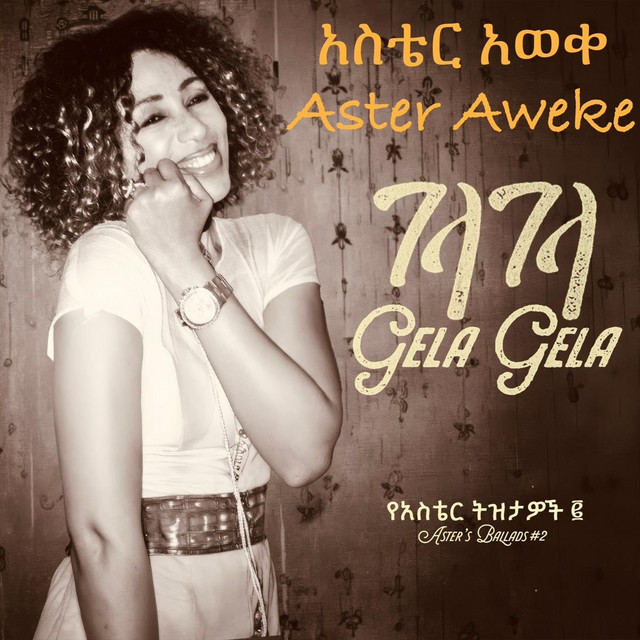
Aster Aweke
Tizita
Ethio-Jazz
Electronic
3
/5
Hailu Mergia
Ethio-Jazz
Ethiopic Music
Northeastern African Music
3
/5
Gossaye Tesfaye
Ethio-Jazz
Amharic Pop
3
/5
Abraham Afewerki
Ethio-Jazz
Tigrinya Music
3
/5
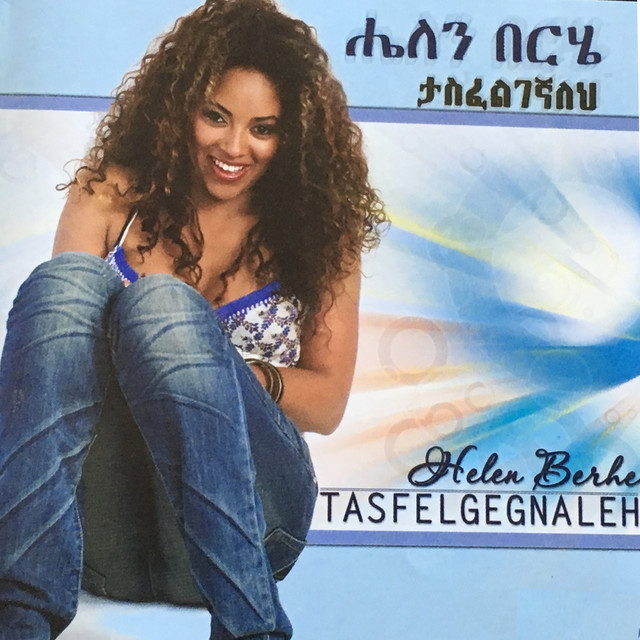
Helen Berhe
Ethio-Jazz
3
/5
Abdu Kiar
Ethio-Jazz
3
/5
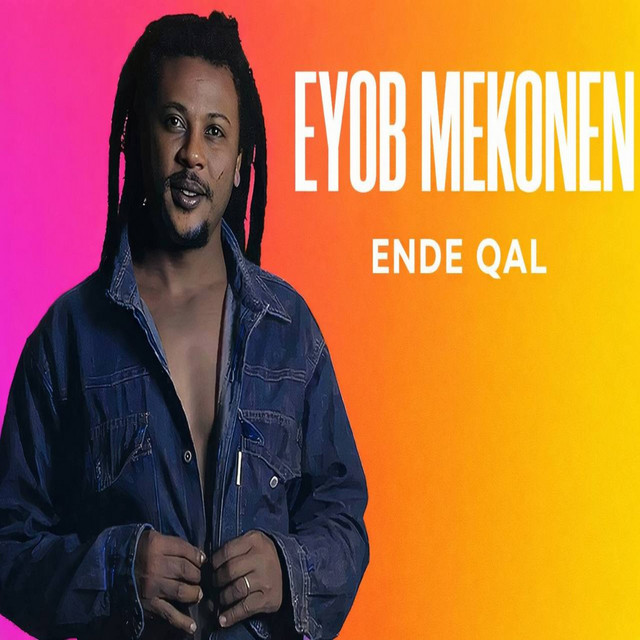
Eyob Mekonen
Ethio-Jazz
Download our mobile app
Get the Melodigging app and start digging for new genres on the go
Download on the App Store
Get it on Google Play
© 2026 Melodigging
Give feedback
Legal
Melodding was created as a tribute to
Every Noise at Once
, which inspired us to help curious minds keep digging into music's ever-evolving genres.