Genres
Artists
Albums
Make Music
Sign in
Sign in
Artists
Vocal Jazz
Artists
Vocal Jazz
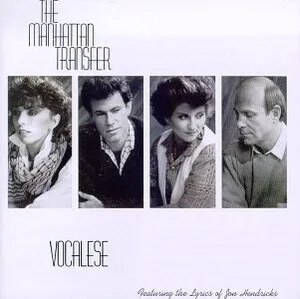
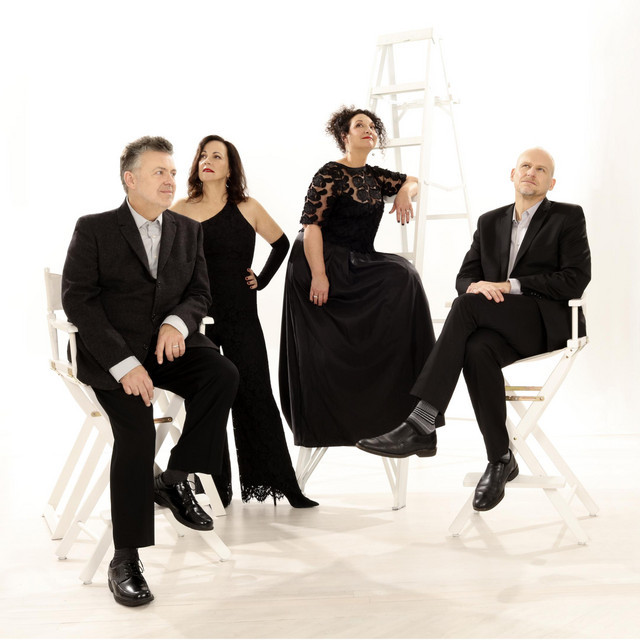
The Manhattan Transfer
1985
·
1 album
Listen
3
/5
Genres
Rasteirinha
Rasteirinha (often called “funk rasteirinha”) is a mid‑tempo branch of Brazilian funk that slows the classic baile funk groove to a warmer, more sensual pace. It blends the dembow swing of dancehall and reggaeton with samba and pagode percussion (pandeiro, cuíca, surdo, agogô, tamborim, and shakers), typically sitting around 90–105 BPM. Vocals tend to be chant‑like, playful, and street‑wise, with hooks built from call‑and‑response phrases and chopped vocal shots. Harmony is minimal—often one to three chords—so that the syncopated drums and round sub‑bass can drive the dancefloor. The overall feel is percussive, tropical, and intimate—made for block parties and clubs where groove and swing matter more than dense arrangements.
Discover
Listen
Jazz Fusion
Jazz fusion (often simply called "fusion") blends the improvisational language and harmonic richness of jazz with the amplified instruments, grooves, and song forms of rock, funk, and R&B. It typically features electric guitars, electric bass or fretless bass, Rhodes electric piano, clavinet, analog and digital synthesizers, and a drum kit playing backbeat- and syncopation-heavy patterns. Hallmarks include extended chords and modal harmony, complex and shifting meters, brisk unison lines, virtuosic improvisation, and a production aesthetic that embraces effects processing and studio craft. The style ranges from fiery, aggressive workouts to polished, atmospheric textures, often within the same piece. Emerging in the late 1960s and flourishing through the 1970s, jazz fusion became a bridge between jazz audiences and rock/funk listeners, shaping later styles such as jazz-funk, smooth jazz, nu jazz, and parts of progressive and technical rock/metal.
Discover
Listen
Vocalese
Vocalese is a jazz vocal style in which singers write and perform original lyrics to pre‑existing instrumental melodies, improvised solos, and full ensemble arrangements. Unlike scat singing—which uses non‑lexical syllables—vocalese uses fully formed words that mirror the exact rhythms, inflections, and contours of the original instrumental lines. The result is virtuosic, text‑driven performances that retain the swing feel, bebop phrasing, and harmonic sophistication of modern jazz. Vocalese is frequently realized by soloists and by vocal groups that harmonize transcriptions of big‑band or small‑group arrangements, often employing tight, jazz‑choral voicings and brisk, swinging tempos.
Discover
Listen
Pop
Pop is a broad, hook-driven style of popular music designed for wide appeal. It emphasizes memorable melodies, concise song structures, polished vocals, and production intended for radio, charts, and mass media. While pop continually absorbs elements from other styles, its core remains singable choruses, accessible harmonies, and rhythmic clarity. Typical forms include verse–pre-chorus–chorus, frequent use of bridges and middle-eights, and ear-catching intros and outros. Pop is not defined by a single instrumentation. It flexibly incorporates acoustic and electric instruments, drum machines, synthesizers, and increasingly digital production techniques, always in service of the song and the hook.
Discover
Listen
Vocal Jazz
Vocal jazz is a jazz tradition in which the human voice is treated as an instrument—matching the phrasing, articulation, and timbral nuance of horns or piano. Singers often improvise melodically and rhythmically, including using scat singing (nonsense syllables) to emulate instrumental solos. At the same time, many vocal‑jazz performances favor traditional, pop‑leaning song structures and clear lyric delivery, reducing the overall role of extended improvisation compared with small‑group instrumental jazz. Repertoires frequently draw from Tin Pan Alley and Broadway standards (the Great American Songbook), rendered with swing, ballad, or Latin feels.
Discover
Listen
A Cappella
A cappella is vocal music performed without instrumental accompaniment, by soloists or ensembles. The term, Italian for “in the manner of the chapel,” originally distinguished Renaissance polyphonic practice from Baroque concertato styles where instruments often doubled voices. Over the 19th century—amid a revival of Renaissance polyphony and a mistaken assumption that such music was always sung unaccompanied—the term solidified to mean any unaccompanied vocal performance. Today a cappella spans sacred and secular idioms, from chant and polyphony to doo‑wop, vocal jazz, collegiate and professional pop groups, and contemporary styles featuring vocal percussion and microphone technique. Very rarely, the term has also been used as a synonym for alla breve (cut time), though this usage is uncommon in modern practice.
Discover
Listen
Albums
1985
2
/5
Vocalese
The Manhattan Transfer
Vocalese
Similar artists
1
/5
Various Artists
Afro-Funk
Alternative Rock
Ambient
3
/5
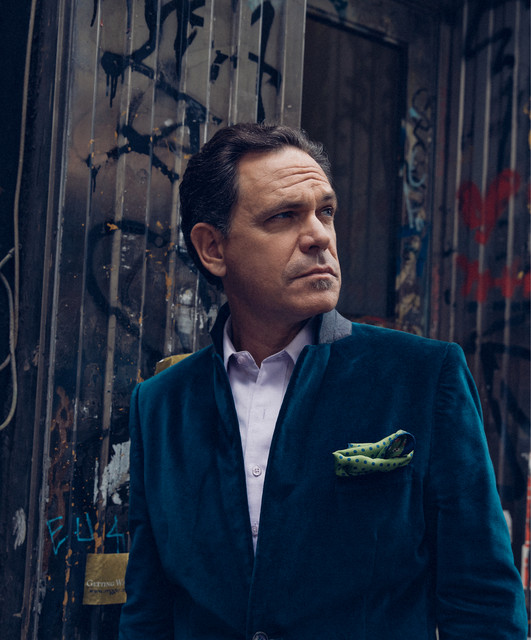
Kurt Elling
Jazz
Vocal Jazz
Vocalese
2
/5
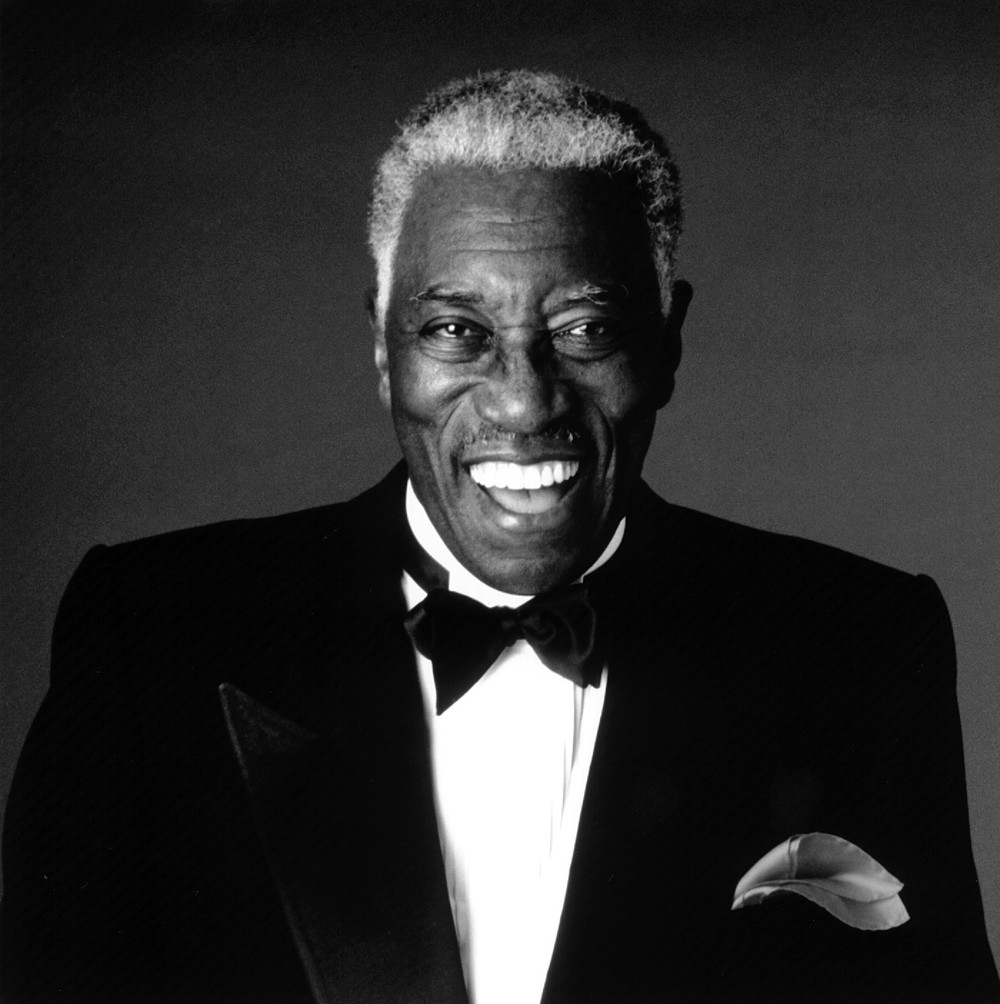
Joe Williams
Big Band
Jazz
Swing
2
/5
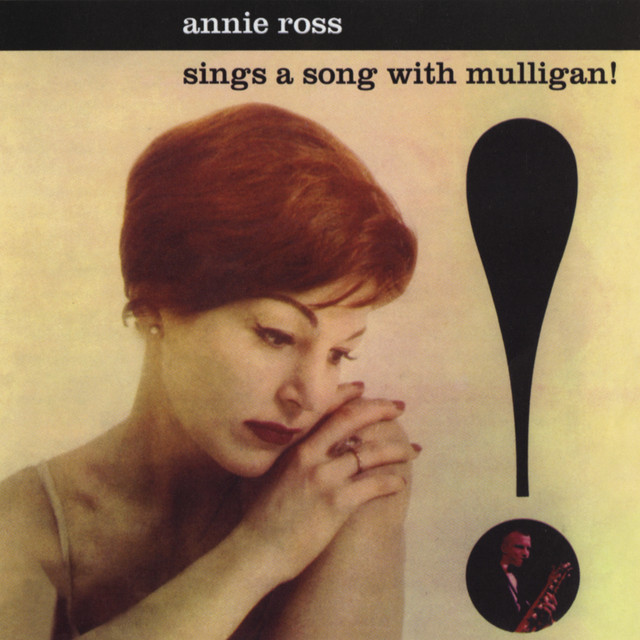
Annie Ross
Jazz
Vocal Jazz
Vocalese
2
/5
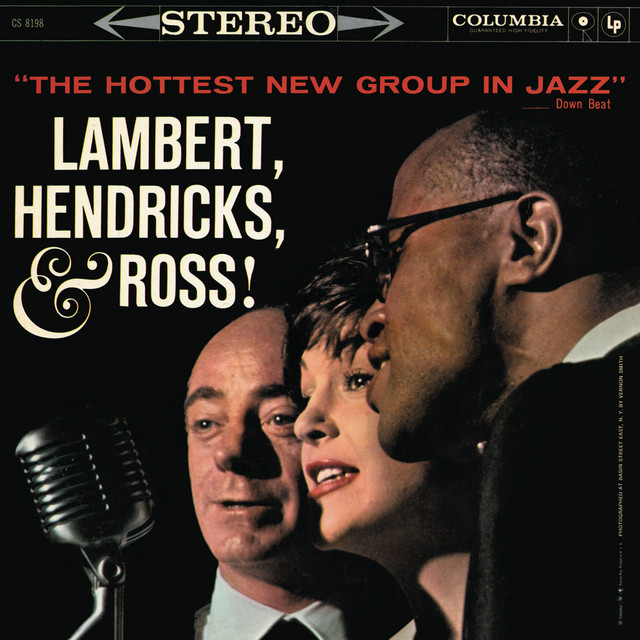
Lambert, Hendricks & Ross
Vocalese
Jazz
Vocal Jazz
2
/5
Oscar Brown, Jr.
Soul Jazz
Vocal Jazz
Vocalese
2
/5
New York Voices
Big Band
Vocal Jazz
Vocalese
2
/5
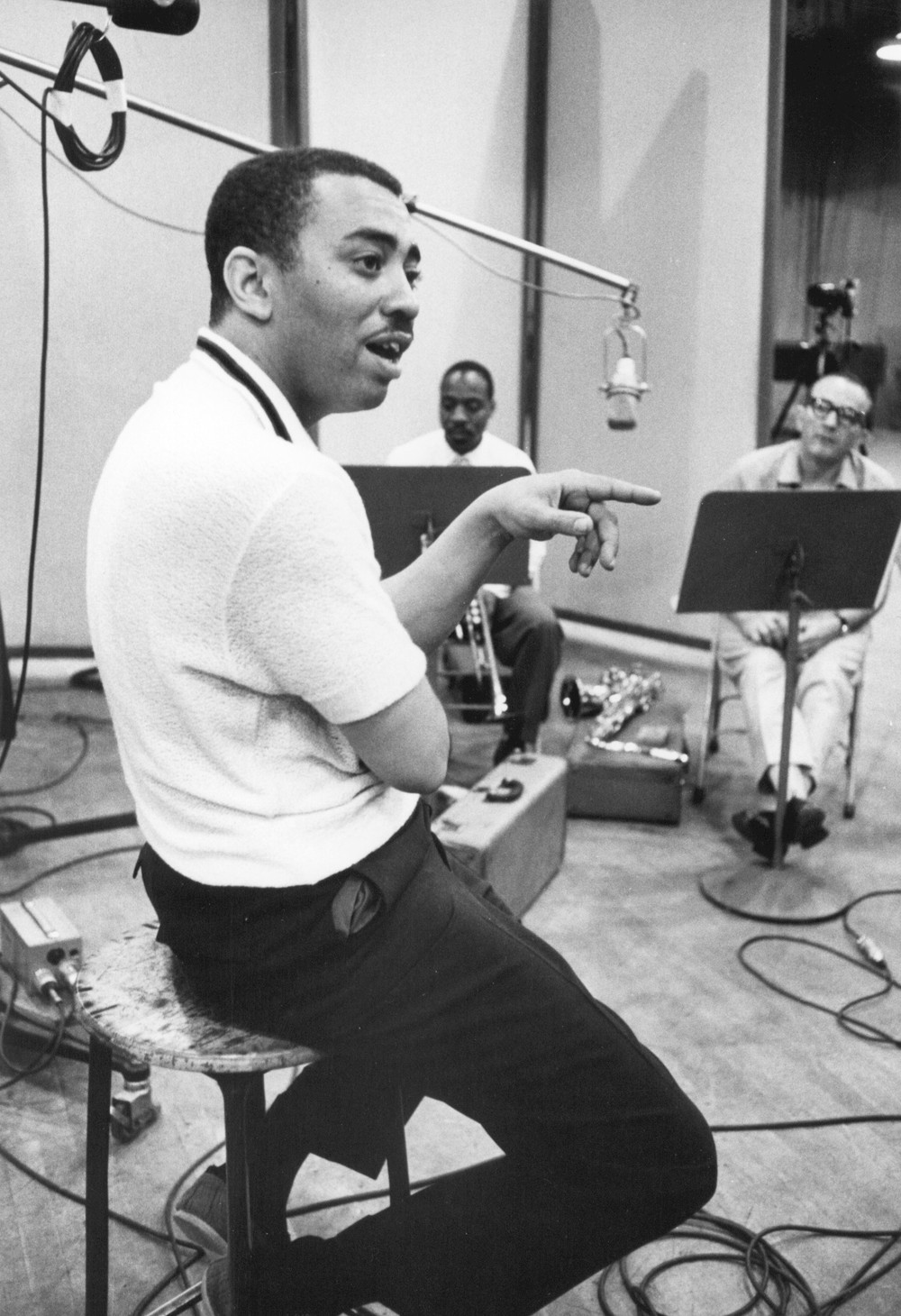
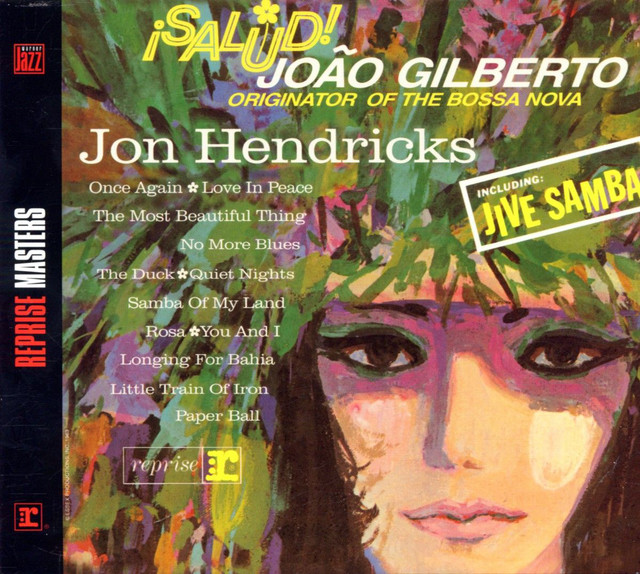
Jon Hendricks
Vocalese
Bossa Nova
Jazz
1
/5
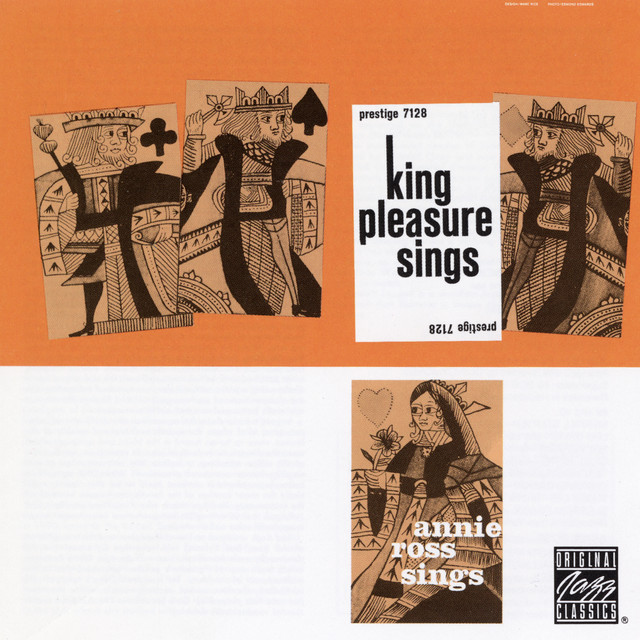
King Pleasure
Vocalese
Vocal Jazz
1
/5
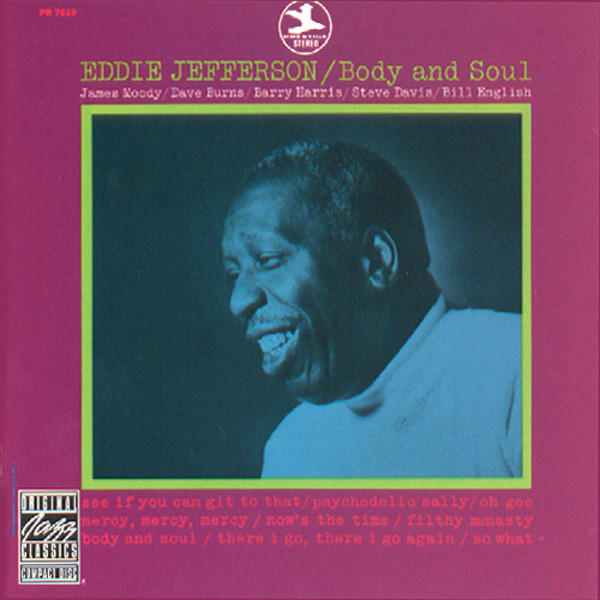
Eddie Jefferson
Vocalese
Soul Jazz
Vocal Jazz
Download our mobile app
Get the Melodigging app and start digging for new genres on the go
Download on the App Store
Get it on Google Play
© 2026 Melodigging
Give feedback
Legal
Melodding was created as a tribute to
Every Noise at Once
, which inspired us to help curious minds keep digging into music's ever-evolving genres.