Genres
Artists
Albums
Make Music
Sign in
Sign in
Artists
Garage Rock Revival
Artists
Garage Rock Revival
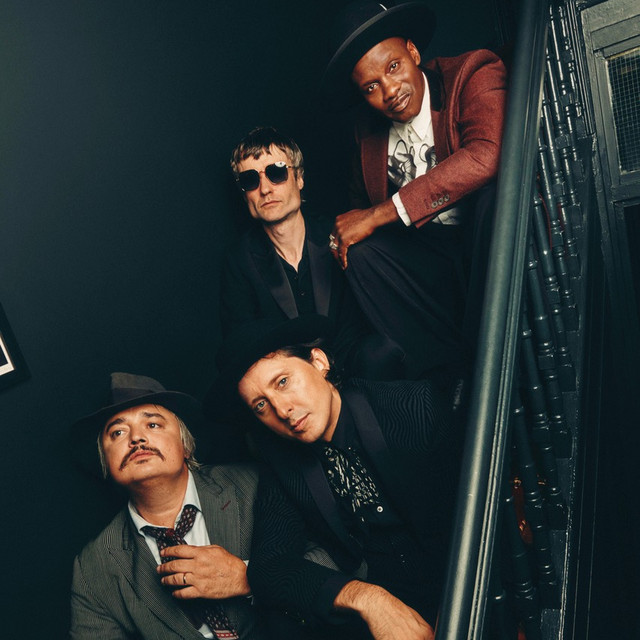
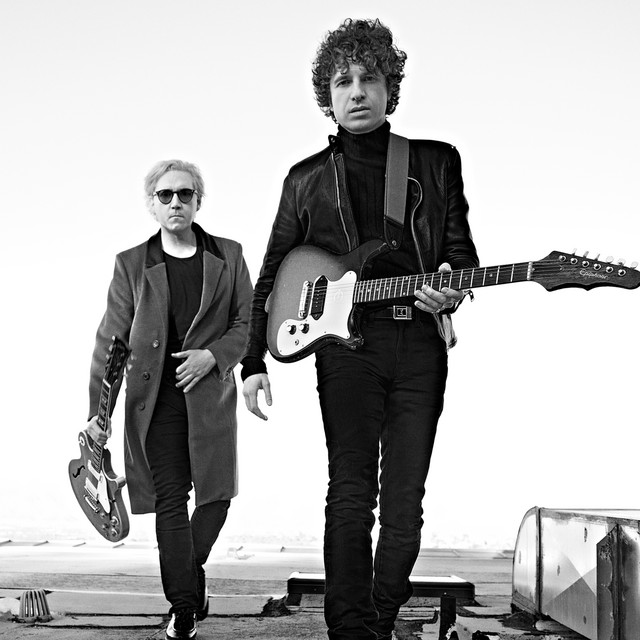
The Libertines
2002–2024
·
5 albums
Listen
3
/5
Genres
Chill Pop
Chill pop is a contemporary pop micro‑genre that blends radio‑friendly songwriting with the mellow textures of chillout and lo‑fi aesthetics. It favors soft vocals, smooth synths, clean guitar plucks, understated bass, and relaxed, mid‑tempo grooves. Instead of big, bombastic hooks, chill pop tends toward intimate, conversational melodies and minimal, airy arrangements. Production often borrows from bedroom pop and alternative R&B—subtle trap hi‑hats, warm saturation, roomy reverbs, and gentle side‑chain compression—to create a breezy, pastel sound palette well suited to playlists and late‑night listening. Lyrically, chill pop is introspective and relatable: romance, longing, gentle optimism, and coming‑of‑age themes delivered in a plain‑spoken, whisper‑close tone. The result sits between indie pop’s understated cool and mainstream pop’s catchy structures, optimized for the streaming era’s mood‑driven consumption.
Discover
Listen
Experimental Indie
Experimental indie is a broad, exploratory wing of independent rock and pop that prioritizes curiosity over convention. It blends DIY recording practices with off‑kilter song forms, unusual timbres, and a willingness to fold in ideas from avant‑pop, noise, electronic music, and psych. Rather than a fixed sound, it is a method and attitude: use the tools at hand (bedroom rigs, pedals, samplers, tape, software) to push past genre borders, while keeping the immediacy and intimacy of indie. Expect jagged rhythms, warped hooks, collage‑like arrangements, and production choices that foreground texture as much as melody.
Discover
Listen
Indie Shoegaze
Indie shoegaze is a modern fusion of indie rock songcraft with the texture-heavy aesthetics of classic shoegaze. It keeps the haze: washed-out guitars drenched in reverb and delay, breathy or buried vocals, and a strong emphasis on atmosphere. Unlike the denser, sometimes overwhelming walls of sound in late-’80s/early-’90s shoegaze, indie shoegaze tends to prize clearer hooks, jangly patterns, and compact song forms. The result is a gauzy, melodic sound that feels intimate and contemporary while still dreamily saturated.
Discover
Listen
Regalia
Regalia is a cinematic, orchestral-trap hybrid built around lush string sections, dreamy piano motifs, and other symphonic colors layered over modern trap percussion. The core contrast is between “regal” orchestration (wide, sweeping harmony and melodic scoring techniques) and hard-edged rhythmic programming (808 sub-bass, crisp snares/claps, rapid hi-hats, and impactful transitions). It is typically instrumental and soundtrack-adjacent, often designed for dramatic builds, trailers, highlight reels, or emotionally charged beats rather than verse–chorus pop structures.
Discover
Listen
Shimmer Psych
Shimmer psych is a contemporary strand of neo‑psychedelia that pairs sparkling, chorus‑washed guitars and gauzy vocal harmonies with dreamy pop songcraft. It emphasizes high‑end "shimmer," tape‑soft saturation, hypnagogic textures, and melodic hooks, sitting between dream pop, jangle pop, and classic psychedelic rock. Typical tracks are mid‑tempo, built on warm bass lines, gentle motorik or laid‑back breakbeats, and drenched in reverb, phaser, and delay. The result is sun‑bleached, nostalgic, and kaleidoscopic rather than heavy or jam‑oriented.
Discover
Listen
Windmill Scene
The Windmill scene refers to the cluster of experimental indie, post‑punk, and art‑rock bands that coalesced around The Windmill pub venue in Brixton, South London. Emerging in the late 2010s, the scene is characterized by knotty rhythms, angular guitars, spoken‑sung or declamatory vocals, and frequent use of saxophone, violin, and synths. Bands associated with the scene blend post‑punk urgency with avant‑prog ambition, no wave abrasion, and jazz-informed spontaneity, often favoring raw, live‑in‑the‑room production aesthetics. Lyrically, the scene leans toward sardonic social observation, surreal storytelling, and metropolitan anxiety, while performances emphasize high energy, improvisational turns, and dynamic contrasts.
Discover
Listen
Beats
Beats is a loose, producer-driven category for rhythm-forward instrumentals built around hip‑hop drum patterns without necessarily being rap songs or featuring vocals. It functions as an umbrella for stock, "type," and backing tracks used by rappers, singers, streamers, and content creators, spanning boom‑bap swing to trap hi‑hat grids and R&B‑leaning grooves. On streaming platforms it often appears as standalone instrumentals packaged by tempo, mood, or artist style (e.g., “trap type beat,” “R&B instrumental,” “club beat”), prioritizing portability and utility over artist identity. While rooted in hip‑hop production aesthetics—kicks, snares, 808s, chopped samples—Beats blends downtempo, electronic, and contemporary R&B sensibilities, aiming for clarity, loopability, and immediate vibe.
Discover
Listen
Garage Rock Revival
Garage rock revival is a turn-of-the-millennium resurgence of raw, guitar‑driven rock that consciously channels the immediacy of 1960s garage bands and the urgency of 1970s punk. It favors short songs, distorted riffs, catchy hooks, and a back‑to‑basics band setup over studio gloss and elaborate arrangements. Hallmarks include crunchy overdriven guitars, tight and energetic drum patterns, simple but punchy bass lines, and vocals with a swaggering or detached cool. Production often leans lo‑fi or analog‑inspired, emphasizing room sound and performance over perfection. Lyrically, it tends to focus on youthful nightlife, romance, boredom, style, and urban ennui. Scenes in New York City and Detroit were pivotal for the mainstream breakthrough, with parallel explosions in the UK, Sweden, and Australia. The movement revitalized interest in guitar rock across indie and mainstream audiences.
Discover
Listen
Post-Punk Revival
Post-punk revival is a guitar-driven rock movement of the early 2000s that reinterprets the wiry minimalism, rhythmic urgency, and austere mood of late-1970s/early-1980s post-punk and new wave for a new era. Its sound emphasizes angular, trebly guitars, driving and often danceable rhythm sections, deadpan-to-baritone vocals, and a cool, detached aesthetic. Bands favor tightly interlocked bass-and-drum grooves, sharp staccato riffs, and production that references vintage post-punk clarity while adding contemporary punch. Themes commonly circle urban ennui, alienation, romance, and nightlife, balancing darkness and momentum.
Discover
Listen
Britpop
Britpop is a UK-centered movement of the early-to-mid 1990s that revived classic British guitar-pop values—memorable hooks, concise songcraft, and everyday storytelling—while positioning itself as a confident alternative to American grunge. It celebrated Britishness in sound and subject matter, drawing heavily on 1960s and 1970s British pop and rock traditions. Stylistically, britpop tends to feature jangly or crunchy electric guitars, sing-along choruses, and tuneful melodies over straightforward rhythms. Lyrics often focus on ordinary life, class, romance, and wry social observation, typically delivered in unvarnished British accents. The production is generally clean and punchy, favoring clarity over heavy effects and emphasizing immediacy and radio-friendliness.
Discover
Listen
Indie
Indie (short for “independent”) began as music made and released outside the major-label system, where a DIY ethos shaped everything from songwriting and recording to artwork and touring. As a sound, indie is eclectic but often features jangly or overdriven guitars, intimate or understated vocals, melodic basslines, and unvarnished production that foregrounds authenticity over gloss. It spans rock, pop, and folk while welcoming electronic textures and lo‑fi aesthetics. Lyrics typically focus on personal observation, small details, and wry self-awareness rather than overt virtuosity or spectacle. Beyond style, indie describes a culture: small labels and stores, college/alternative radio, fanzines/blogs, community venues, and scenes that value experimentation, individuality, and artistic control.
Discover
Listen
Indie Rock
Indie rock is a subgenre of rock and a branch of alternative rock that coalesced in the early–mid 1980s around independent labels and DIY practices in the United Kingdom, the United States, and New Zealand. Defined less by a single sound than by an ethos, indie rock favors non‑mainstream approaches, self‑recording and small‑label distribution, and an interest in pop‑informed melody and eclectic experimentation. Hallmarks include jangly or fuzzed guitars, intimate or deadpan vocals, off‑kilter song structures, and production that often preserves a raw, “authentic” feel rather than glossy studio polish.
Discover
Listen
Alternative Rock
Alternative rock is a broad umbrella for guitar-based rock that emerged from the independent and college-radio scenes as a counterpoint to mainstream, commercial rock. It blends the energy and ethos of punk with the textural and songwriting experiments of post-punk, new wave, jangle pop, and noise rock, often foregrounding introspective or socially aware lyrics. Across its many strains—from the melodic minimalism of college rock to the loud-quiet-loud dynamics of grunge and the artful experimentation of Radiohead-era modernism—alternative rock prioritizes authenticity, sonic individuality, and a do-it-yourself approach. Its sound ranges from chiming, chorus-laden clean guitars to abrasive distortion and feedback, supported by straightforward rock rhythms or off-kilter grooves, and production that can be either raw and live-sounding or polished yet unconventional.
Discover
Listen
Punk
Punk is a fast, abrasive, and minimalist form of rock music built around short songs, stripped-down instrumentation, and confrontational, anti-establishment lyrics. It emphasizes DIY ethics, raw energy, and immediacy over virtuosity, often featuring distorted guitars, shouted or sneered vocals, and simple, catchy melodies. Typical songs run 1–3 minutes, sit around 140–200 BPM, use power chords and basic progressions (often I–IV–V), and favor live, unpolished production. Beyond sound, punk is a cultural movement encompassing zines, independent labels, political activism, and a fashion vocabulary of ripped clothes, leather, and safety pins.
Discover
Listen
Garage Rock
Garage rock is a raw, energetic style of rock music that emerged in the mid-1960s from local scenes across North America. Typically performed by amateur or semi-professional teenage bands in basements and suburban garages, the sound is unpolished and immediate, favoring feel over finesse. Its hallmarks include distorted guitars, pounding drums, simple chord progressions (often I–IV–V), prominent Farfisa/Vox organ riffs, and shouted, attitude-heavy vocals. Songs are short, hooky, and driven by rhythmic urgency, with lyrics about teenage love, boredom, rebellion, and swagger. The style became a direct ancestor of proto-punk and punk rock, prized for its do-it-yourself spirit and visceral impact.
Discover
Listen
Show all 15 genres
Albums
2024
2
/5
The Windmills of Your Mind (Reprise by La Blogothèque)
The Libertines
Garage Rock Revival
2023
2
/5
Run Run Run
The Libertines
Garage Rock Revival
2004
3
/5
The Libertines
The Libertines
Garage Rock Revival
2002
3
/5
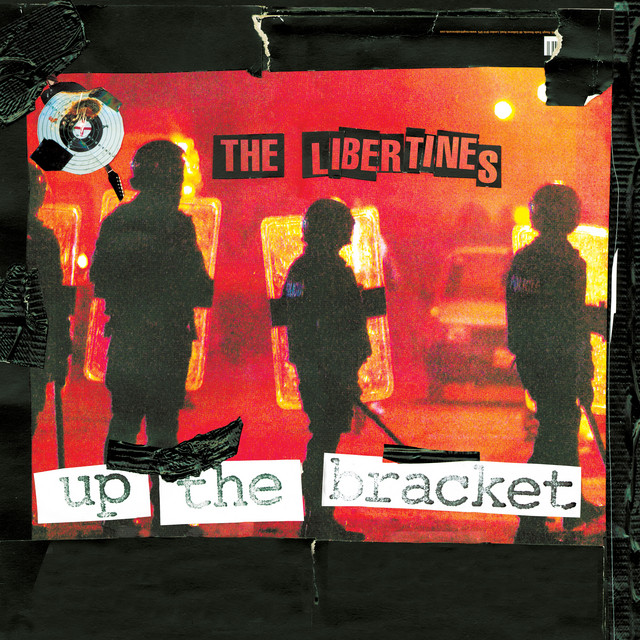
Up the Bracket
The Libertines
Garage Rock Revival
2002
1
/5
Up the Bracket
The Libertines
Garage Rock Revival
Similar artists
1
/5
Various Artists
Afro-Funk
Alternative Rock
Ambient
3
/5
Jack White
Garage Rock Revival
Blues Rock
Garage Rock
4
/5
The White Stripes
Rock
Alternative Rock
Blues Rock
3
/5
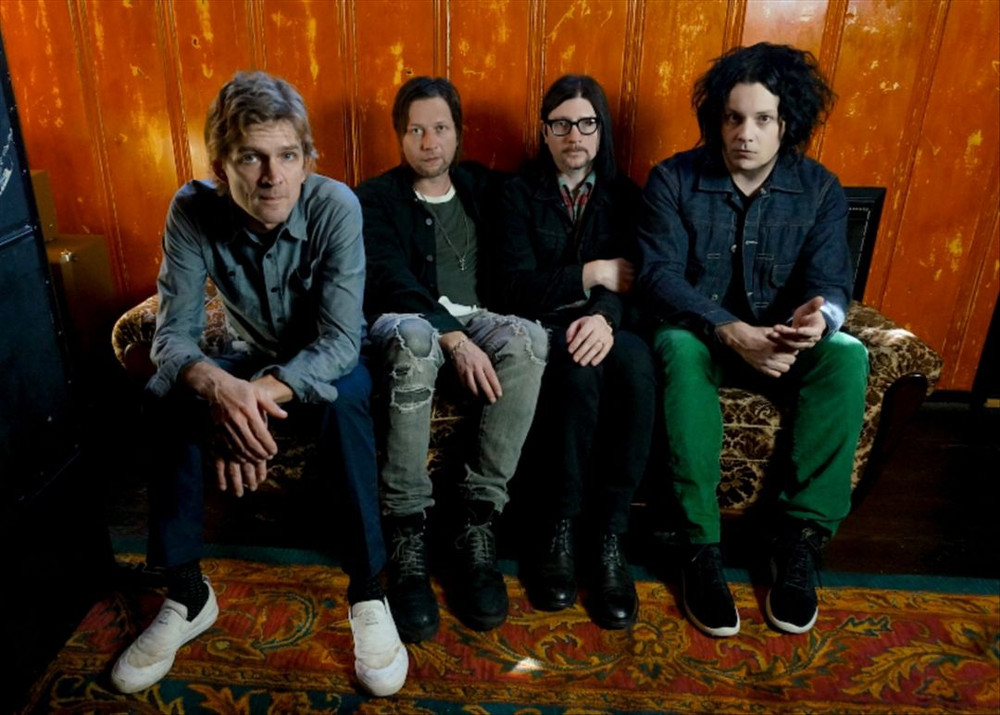
The Raconteurs
Garage Rock Revival
Alternative Rock
Chill Pop
3
/5
The Subways
Garage Rock Revival
Dance-Punk
Garage Rock
5
/5
The Strokes
Alternative Rock
Garage Rock
Indie Rock
5
/5
Arctic Monkeys
Garage Rock
Indie
Indie Rock
4
/5
Kasabian
Britpop
Garage Rock
Chill Pop
4
/5
Yeah Yeah Yeahs
Indie Rock
Dance-Punk
New Rave
4
/5
The Kooks
Garage Rock
Indie Rock
Chill Pop
Download our mobile app
Get the Melodigging app and start digging for new genres on the go
Download on the App Store
Get it on Google Play
© 2026 Melodigging
Give feedback
Legal
Melodding was created as a tribute to
Every Noise at Once
, which inspired us to help curious minds keep digging into music's ever-evolving genres.