Genres
Artists
Albums
Make Music
Sign in
Sign in
Artists
Blues Rock
Artists
Blues Rock
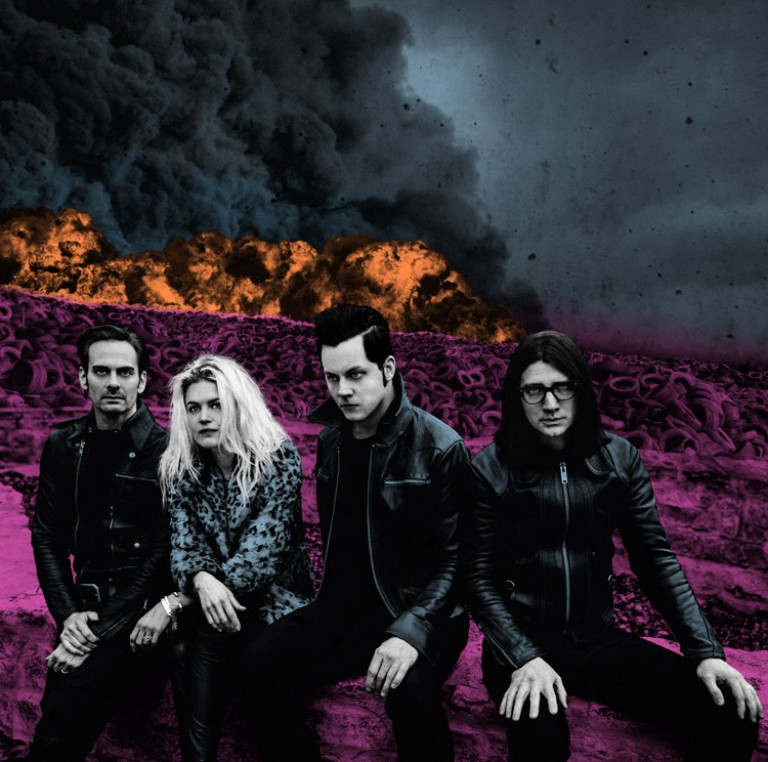
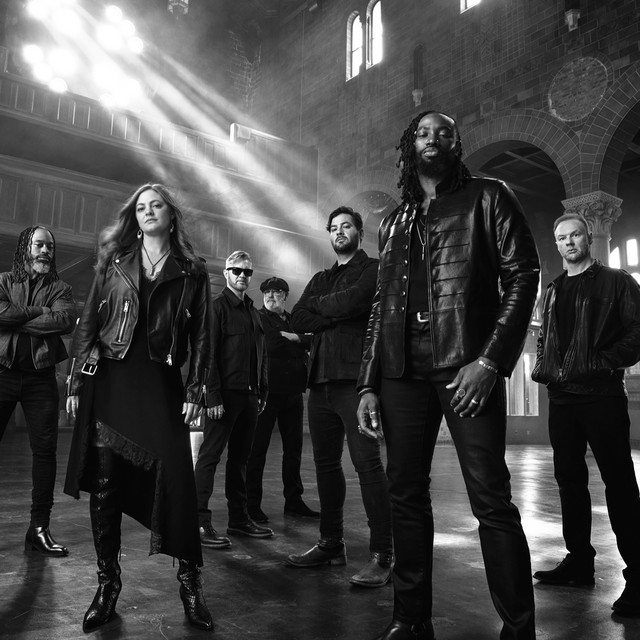
The Dead Weather
Listen
3
/5
Genres
Indian Indie
Indian indie is the umbrella for independent, non-film music made in India across languages such as Hindi, English, and numerous regional tongues. It is defined more by its DIY production and artist-led release model than by a single sound. Musically, it spans indie pop and rock, folk-fusion, singer‑songwriter ballads, dream‑pop/shoegaze textures, and electronic‑leaning productions. Artists often blend Western harmony and song forms with raga‑tinged melodies, Indian rhythmic feels, and occasional use of traditional instruments like tabla, bansuri, or sitar. The scene grew rapidly with college festivals, small venues, and digital platforms (YouTube, streaming services, Bandcamp), plus boutique labels and festivals such as NH7 Weekender that created national visibility. Lyrically, it tends to be intimate and contemporary—touching on romance, urban life, identity, and nostalgia—while maintaining accessible hooks and warm, organic sonics.
Discover
Listen
Northern Gothic
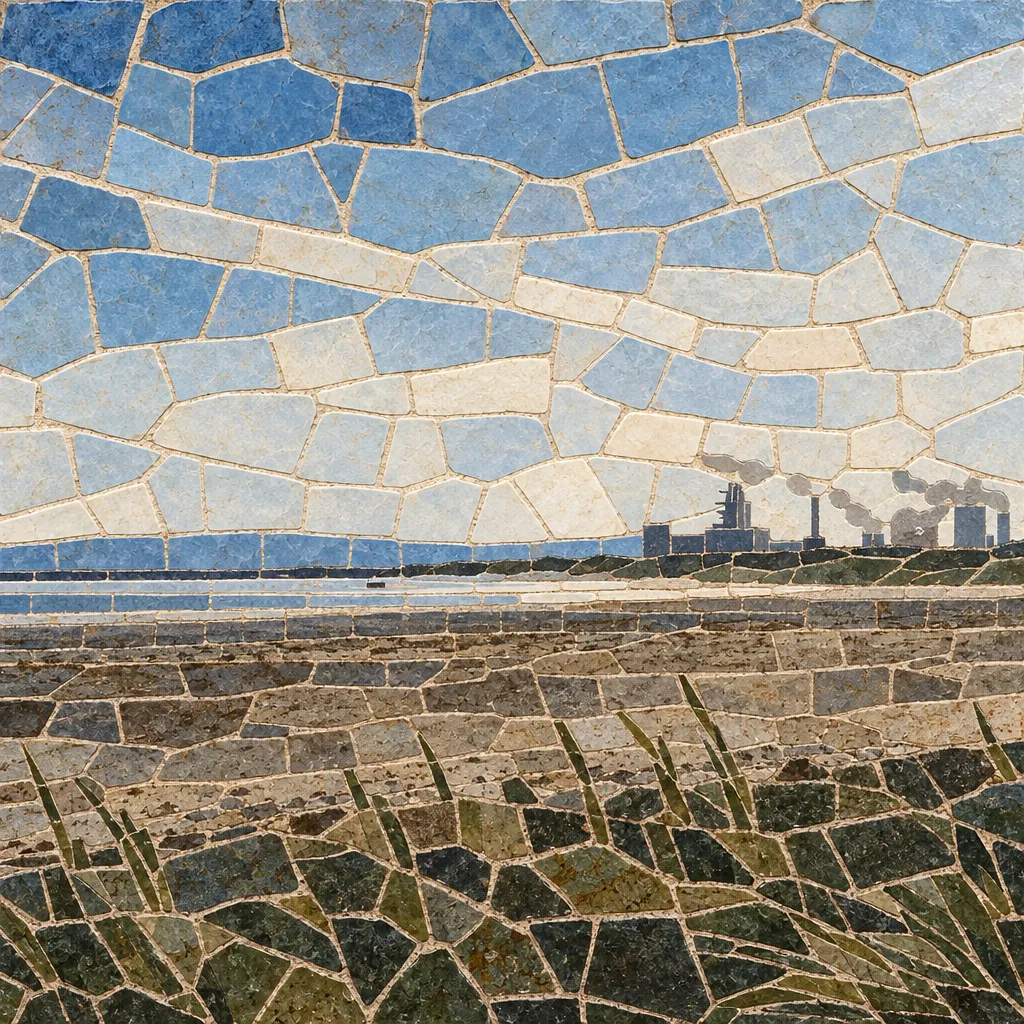
Northern gothic is a modern recontextualization of gothic sensibility rooted in the post‑industrial landscapes, politics, and culture of 21st‑century Northern England. It blends post‑punk austerity, industrial and dark ambient textures, hauntological memory work, and stark folk storytelling. The sound often evokes mills, moorland, sea ports, terraces, and cooling towers—spaces marked by deindustrialization—through tape patina, reverberant spaces, modular drones, and vernacular narratives. Compared with classic goth, it is less theatrical and more documentary or folkloric in tone, prioritizing regional specificity, minimalism, and social realism.
Discover
Listen
Garage Rock Revival
Garage rock revival is a turn-of-the-millennium resurgence of raw, guitar‑driven rock that consciously channels the immediacy of 1960s garage bands and the urgency of 1970s punk. It favors short songs, distorted riffs, catchy hooks, and a back‑to‑basics band setup over studio gloss and elaborate arrangements. Hallmarks include crunchy overdriven guitars, tight and energetic drum patterns, simple but punchy bass lines, and vocals with a swaggering or detached cool. Production often leans lo‑fi or analog‑inspired, emphasizing room sound and performance over perfection. Lyrically, it tends to focus on youthful nightlife, romance, boredom, style, and urban ennui. Scenes in New York City and Detroit were pivotal for the mainstream breakthrough, with parallel explosions in the UK, Sweden, and Australia. The movement revitalized interest in guitar rock across indie and mainstream audiences.
Discover
Listen
Southern Gothic
Southern gothic (as a music style) blends American roots idioms—country, folk, blues, gospel, and Southern rock—with the macabre, moral ambiguity, and decaying grandeur associated with the Southern Gothic literary tradition. Its sound is typically dark-hued and intimate: minor-key harmonies, modal drones, and slow-to-mid tempos underpin storytelling about sin and salvation, haunted landscapes, family secrets, and folk religion. Arrangements often feature acoustic guitar, banjo, fiddle, upright bass, pump organ or harmonium, lap/pedal steel, sparse percussion, and baritone or hushed vocals drenched in room reverb. Production tends toward earthy and atmospheric—tape-like saturation, creaking room ambience, and subtle field sounds (cicadas, church bells, train rumbles) that evoke the American South’s heat, humidity, and history.
Discover
Listen
Modern Blues
Modern blues is a contemporary evolution of traditional and electric blues that embraces current songwriting, studio techniques, and cross-genre collaboration. It preserves the core blues vocabulary—blue notes, call-and-response phrasing, and 12‑bar and minor‑blues forms—while integrating elements of rock, soul, funk, and even pop and hip hop production. Sonically, modern blues favors saturated but articulate electric guitar tones, prominent backbeat drums, thick bass, and tasteful keys or organ. Lyrically it updates classic themes of struggle, love, resilience, and place with present-day imagery and personal storytelling. The result is a style that feels rooted and authentic yet radio- and festival-ready.
Discover
Listen
Alternative Rock
Alternative rock is a broad umbrella for guitar-based rock that emerged from the independent and college-radio scenes as a counterpoint to mainstream, commercial rock. It blends the energy and ethos of punk with the textural and songwriting experiments of post-punk, new wave, jangle pop, and noise rock, often foregrounding introspective or socially aware lyrics. Across its many strains—from the melodic minimalism of college rock to the loud-quiet-loud dynamics of grunge and the artful experimentation of Radiohead-era modernism—alternative rock prioritizes authenticity, sonic individuality, and a do-it-yourself approach. Its sound ranges from chiming, chorus-laden clean guitars to abrasive distortion and feedback, supported by straightforward rock rhythms or off-kilter grooves, and production that can be either raw and live-sounding or polished yet unconventional.
Discover
Listen
Blues Rock
Blues rock is a guitar-driven style that fuses the raw feeling and 12‑bar structures of the blues with the power, volume, and rhythmic punch of rock. It emphasizes riff-based songs, pentatonic and blues-scale soloing, call‑and‑response between voice and guitar, and an expressive, often gritty vocal delivery. Typical ensembles are power trios (guitar, bass, drums) or quartet formats adding second guitar, keyboards, or harmonica, and performances commonly feature extended improvisation. Sonically, it favors overdriven tube-amp tones, sustained bends, vibrato, and dynamic contrasts, moving from shuffles and boogies to straight‑eighth rock grooves.
Discover
Listen
Garage Rock
Garage rock is a raw, energetic style of rock music that emerged in the mid-1960s from local scenes across North America. Typically performed by amateur or semi-professional teenage bands in basements and suburban garages, the sound is unpolished and immediate, favoring feel over finesse. Its hallmarks include distorted guitars, pounding drums, simple chord progressions (often I–IV–V), prominent Farfisa/Vox organ riffs, and shouted, attitude-heavy vocals. Songs are short, hooky, and driven by rhythmic urgency, with lyrics about teenage love, boredom, rebellion, and swagger. The style became a direct ancestor of proto-punk and punk rock, prized for its do-it-yourself spirit and visceral impact.
Discover
Listen
Rock
Rock is a broad family of popular music centered on amplified instruments, a strong backbeat, and song forms that foreground riffs, choruses, and anthemic hooks. Emerging from mid‑20th‑century American styles like rhythm & blues, country, and gospel-inflected rock and roll, rock quickly expanded in scope—absorbing folk, blues, and psychedelic ideas—while shaping global youth culture. Core sonic markers include electric guitar (often overdriven), electric bass, drum kit emphasizing beats 2 and 4, and emotive lead vocals. Rock songs commonly use verse–chorus structures, blues-derived harmony, and memorable melodic motifs, ranging from intimate ballads to high‑energy, stadium‑sized performances.
Discover
Listen
Show all 9 genres
Similar artists
4
/5
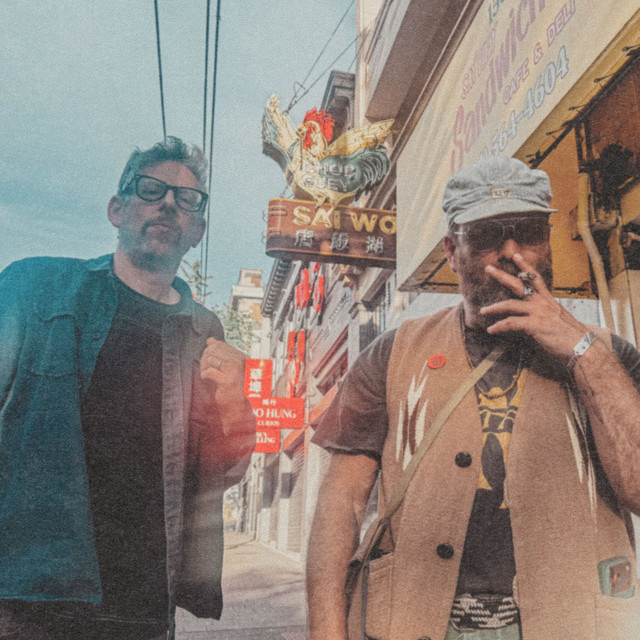
The Black Keys
Blues Rock
Modern Blues
Punk Blues
3
/5
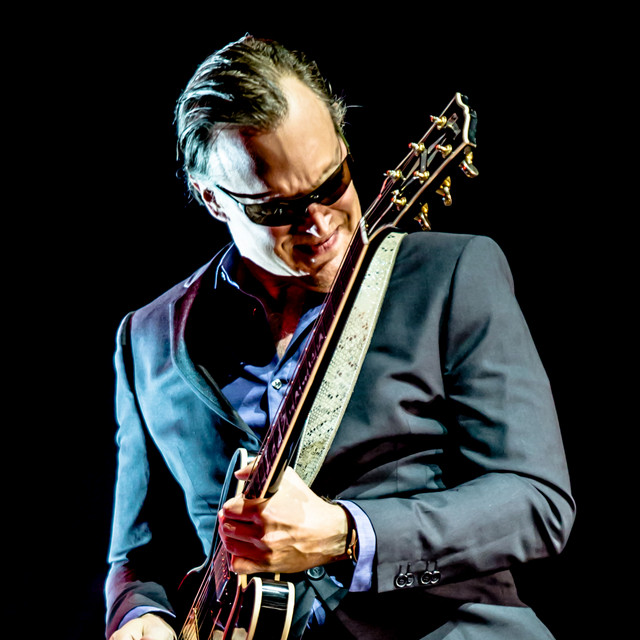
Joe Bonamassa
Classic Blues
Electric Blues
Modern Blues
3
/5
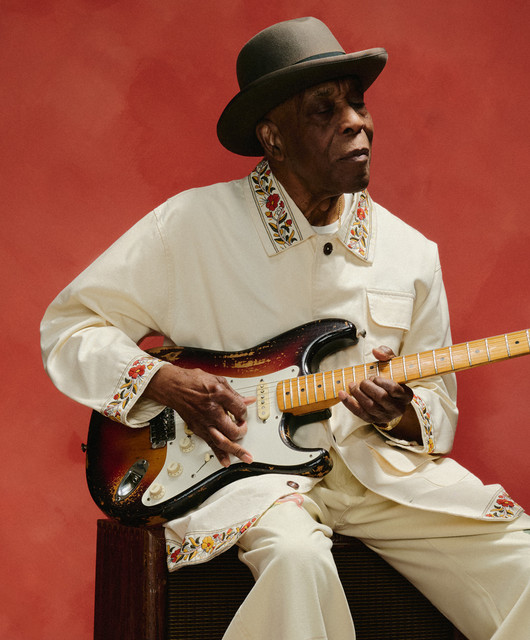
Buddy Guy
Blues
Chicago Blues
Electric Blues
3
/5
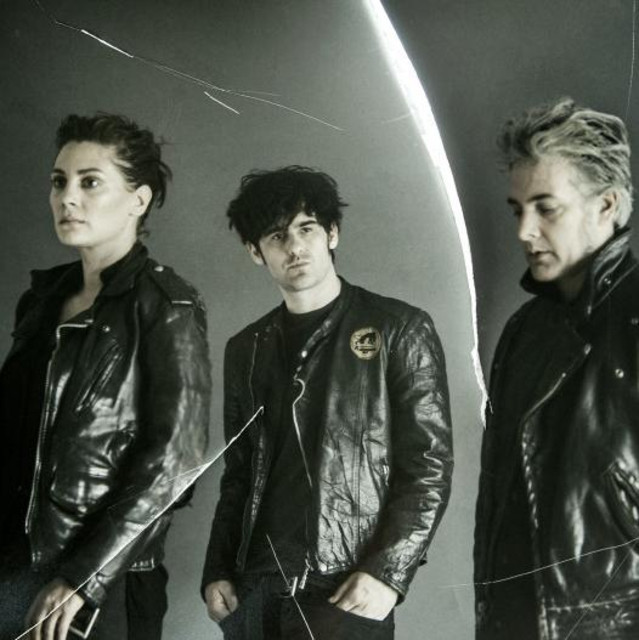
Black Rebel Motorcycle Club
Garage Rock Revival
Blues Rock
Garage Rock
3
/5
The Bones of J.R. Jones
Modern Blues
Black Americana
Blues Rock
3
/5
Black Pistol Fire
Alternative Roots Rock
Blues Rock
Garage Rock
3
/5
The Wanton Bishops
Blues
Blues Rock
Modern Blues
3
/5
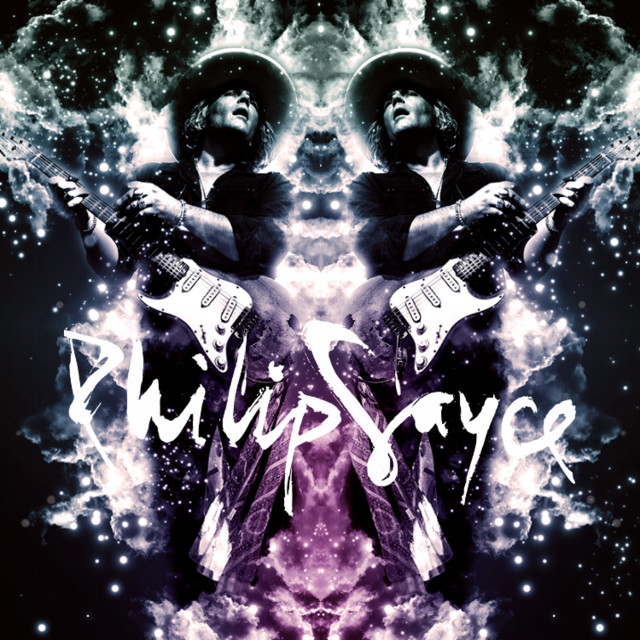
Philip Sayce
Blues
Blues Rock
Indian Indie
3
/5
Ghost Hounds
Modern Blues
Southern Rock
Blues Rock
3
/5
Fantastic Negrito
Blues
Blues Rock
Modern Blues
Download our mobile app
Get the Melodigging app and start digging for new genres on the go
Download on the App Store
Get it on Google Play
© 2026 Melodigging
Give feedback
Legal
Melodding was created as a tribute to
Every Noise at Once
, which inspired us to help curious minds keep digging into music's ever-evolving genres.