Genres
Artists
Albums
Make Music
Sign in
Sign in
Artists
Power Pop
Artists
Power Pop
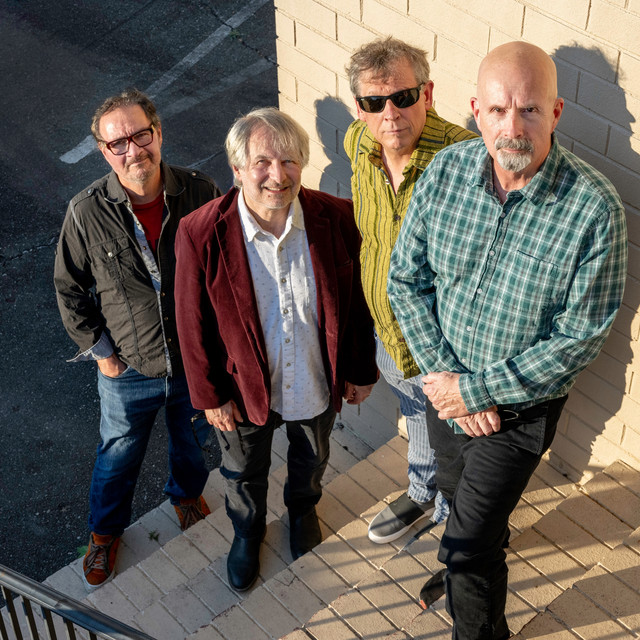
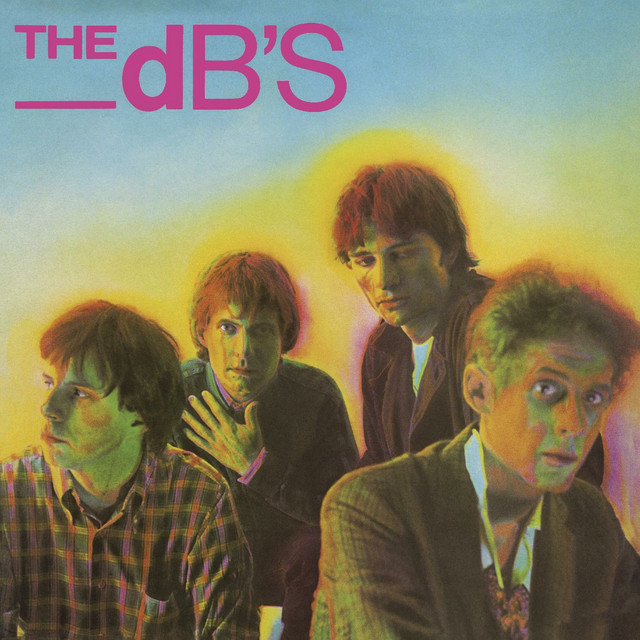
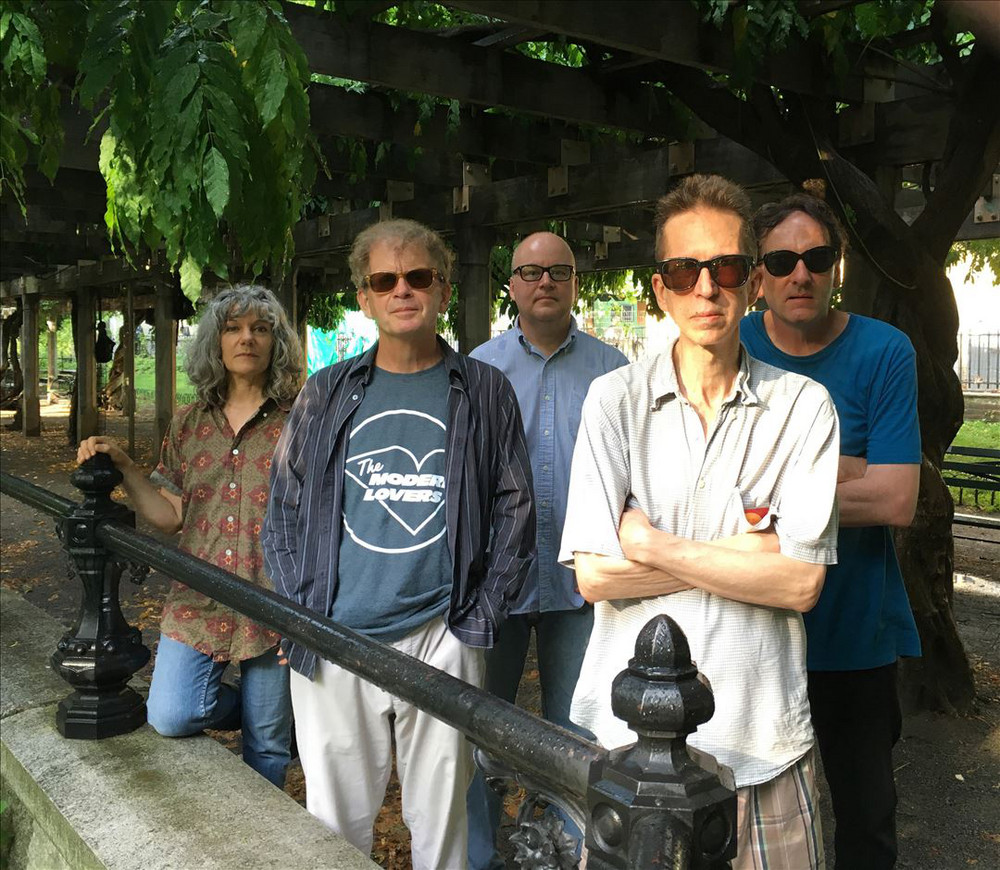
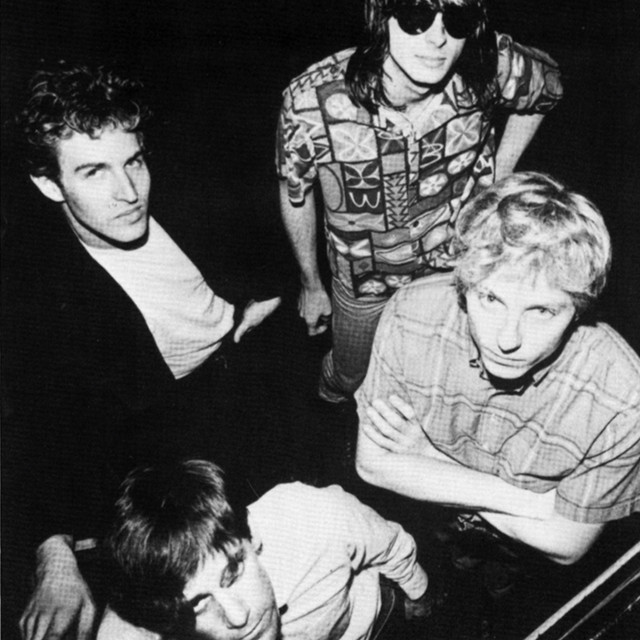
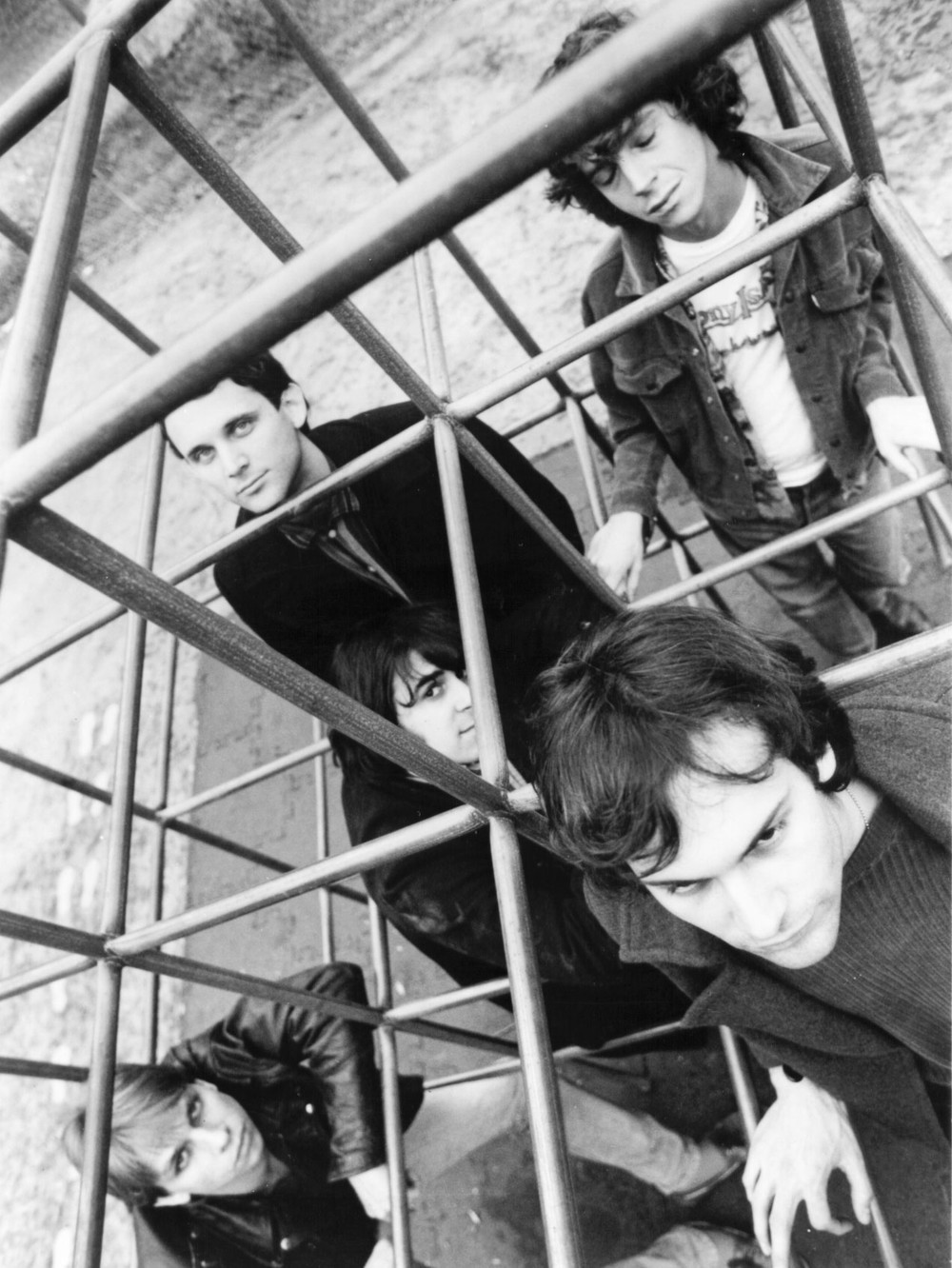
The dB's
1981–2024
·
6 albums
Listen
2
/5
Genres
Hoboken Sound
The Hoboken sound refers to the jangly, literate indie rock that coalesced around the Hoboken, New Jersey scene in the early–mid 1980s, centered on the club Maxwell’s and labels such as Coyote and Bar/None. It blends chiming guitar arpeggios, tight but unshowy rhythm sections, and understated, often wry or romantic vocals. Musically, it draws on the crisp melodicism of power pop and jangle pop, the economy of post-punk and new wave, and a Velvet Underground–style drone-and-groove sensibility. The result is urbane and hooky yet modest: songs that feel hand‑crafted, rhythmically propulsive (great for small‑club dancing), and emotionally reflective without grandiosity. The Hoboken sound became a college‑radio staple and a Northeast US counterpart to kindred indie movements, helping establish the blueprint for American indie rock’s balance of tunefulness, DIY ethos, and sonic restraint.
Discover
Listen
Jangle Pop
Jangle pop is a guitar-centered style of pop and rock defined by bright, chiming tones—often from a 12‑string electric (famously the Rickenbacker)—playing arpeggiated or open‑chord figures with minimal distortion. The sound emphasizes treble clarity, shimmering sustain, and tight compression, creating a sparkling texture that carries melodic hooks. Rhythm sections are typically crisp and supportive rather than aggressive, with steady mid‑tempo grooves and melodic bass counter‑lines. Vocals tend to be tuneful and understated, frequently with close harmonies. Lyrically, jangle pop pairs catchy, concise songwriting with wistful, romantic, and nostalgic themes. The style draws on 1960s guitar pop and folk rock traditions while channeling the DIY ethos of 1980s indie scenes.
Discover
Listen
Paisley Underground
Paisley underground is a 1980s Los Angeles–centered guitar-pop movement that revived the jangly chords, kaleidoscopic harmonies, and exploratory spirit of 1960s psychedelic and folk-rock. Its sound typically blends chiming 12‑string guitars, fuzzed or tremolo‑laden leads, Farfisa/Vox organs, and close vocal harmonies, with a production aesthetic that favors analog warmth, spring reverb, and tape‑like haze. Aesthetic touchstones include The Byrds, Love, The Velvet Underground, and West Coast psychedelia, reframed through power‑pop songcraft and a DIY post‑punk ethos. Songs often carry a dreamy, nostalgic tint—minor-key wistfulness, modal turns, and drone‑friendly textures—while keeping to concise, hook‑forward forms.
Discover
Listen
Indie
Indie (short for “independent”) began as music made and released outside the major-label system, where a DIY ethos shaped everything from songwriting and recording to artwork and touring. As a sound, indie is eclectic but often features jangly or overdriven guitars, intimate or understated vocals, melodic basslines, and unvarnished production that foregrounds authenticity over gloss. It spans rock, pop, and folk while welcoming electronic textures and lo‑fi aesthetics. Lyrics typically focus on personal observation, small details, and wry self-awareness rather than overt virtuosity or spectacle. Beyond style, indie describes a culture: small labels and stores, college/alternative radio, fanzines/blogs, community venues, and scenes that value experimentation, individuality, and artistic control.
Discover
Listen
Indie Pop
Indie pop is a melodic, DIY-rooted branch of alternative music that blends the immediacy of pop songwriting with the independence and aesthetics of underground scenes. It typically features jangly, clean-toned guitars, tuneful bass lines, compact song structures, and intimate, literate lyrics that balance sweetness with subtle melancholy. The sound often leans toward bright chord progressions, earworm choruses, and understated production, favoring charm and personality over gloss. Culturally, indie pop is tied to small labels, fanzines, and community radio, with influential scenes and imprints such as Postcard, Sarah, and Creation laying the groundwork for its global diffusion.
Discover
Listen
Power Pop
Power pop is a guitar-driven style that distills the melodic immediacy of 1960s British Invasion pop into concise, high-energy rock songs. It emphasizes big hooks, ringing guitars (often Rickenbacker-style jangle), tight vocal harmonies, and punchy, economical arrangements that typically run around three minutes. Lyrically, it leans toward youthful longing, romance, and bittersweet nostalgia, delivered with bright major-key progressions, chiming arpeggios, and sing-along choruses. Though Pete Townshend used the term in the late 1960s, the genre cohered in the early 1970s with bands like Badfinger, Big Star, and the Raspberries, and it has resurfaced repeatedly in waves through new wave, indie, and modern pop-punk contexts.
Discover
Listen
Gothic Rock
Gothic rock is a dark, atmospheric branch of post-punk that emphasizes brooding moods, melodic basslines, baritone or icy vocal deliveries, and guitar textures drenched in chorus, delay, and reverb. Its lyrics often explore themes of romanticism, existential dread, night, mysticism, and decay, drawing on Gothic literature and cinema as much as rock tradition. Sonically, it blends the stark rhythms and minimalism of post-punk with the theatricality of glam and the textural experimentation of art and psychedelic rock. Drum machines or tightly metronomic drumming underpin prominent, melodic bass figures, while guitars shimmer or scrape with chorus/flanger effects. The result is danceable yet somber music that feels both dramatic and introspective.
Discover
Listen
Post-Punk
Post-punk is a broadly experimental strain of rock that emerged in the late 1970s as artists sought to push beyond the speed, simplicity, and orthodoxy of first-wave punk. It typically features angular, bass-forward grooves; jagged or minimal guitar lines; stark, spacious production; and an openness to dub, funk, electronic, and avant-garde ideas. Lyrics often examine alienation, urban decay, politics, and the inner life with artful or abstract delivery. A studio-as-instrument approach, emphasis on rhythm section interplay, and an appetite for non-rock textures (tape effects, drum machines, found sound, synths) distinguish the style. The result can be danceable yet tense, cerebral yet visceral, and emotionally restrained yet intensely expressive.
Discover
Listen
New Wave
New wave is a broad, pop-oriented umbrella for styles that emerged in the mid-to-late 1970s as a sleeker, more melodic outgrowth of punk culture. Initially, the term varied by region: in the United States it was first used by critics and labels (famously Sire Records’ “Don’t Call It Punk” campaign in 1977) to rebrand punk-associated artists with more radio-friendly aesthetics; in the United Kingdom it encompassed a wider constellation of fresh, stylish post-punk-era sounds. Over time, “new wave” became a catch‑all for hooky guitar pop, synth-driven songs, danceable rhythms, and modernist production sensibilities. Sonically, it blends tight, upbeat rhythms (often disco- and reggae-informed), clean chorus/flanger guitars, prominent synthesizers, and concise, hook-led songwriting. Its visual identity—sharp suits, futurist imagery, and fashion-forward presentation—was integral, aligning with the rise of music television and emphasizing art-school wit, irony, and modern urban themes.
Discover
Listen
Rock
Rock is a broad family of popular music centered on amplified instruments, a strong backbeat, and song forms that foreground riffs, choruses, and anthemic hooks. Emerging from mid‑20th‑century American styles like rhythm & blues, country, and gospel-inflected rock and roll, rock quickly expanded in scope—absorbing folk, blues, and psychedelic ideas—while shaping global youth culture. Core sonic markers include electric guitar (often overdriven), electric bass, drum kit emphasizing beats 2 and 4, and emotive lead vocals. Rock songs commonly use verse–chorus structures, blues-derived harmony, and memorable melodic motifs, ranging from intimate ballads to high‑energy, stadium‑sized performances.
Discover
Listen
Show all 10 genres
Albums
2024
2
/5
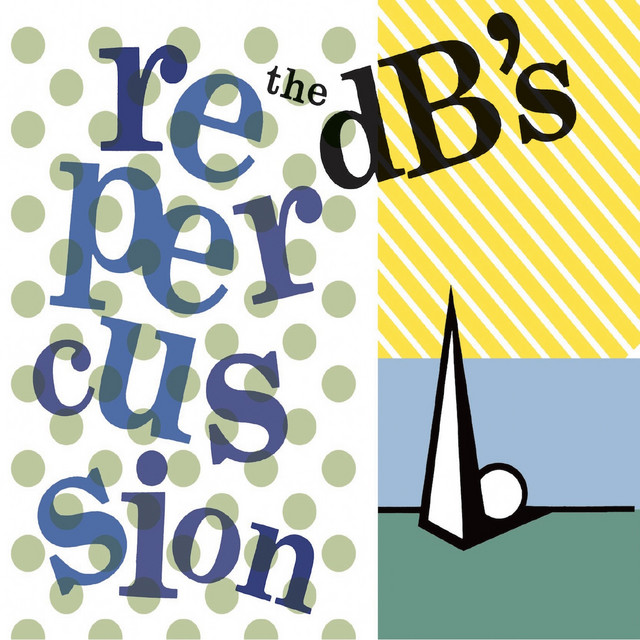
Repercussion (2024 Remaster)
The dB's
Paisley Underground
1987
1
/5
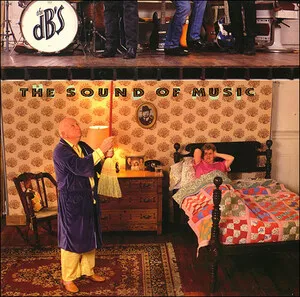
The Sound of Music
The dB's
Hoboken Sound
1984
1
/5
Like This
The dB's
Hoboken Sound
1982
1
/5
Repercussion
The dB's
Hoboken Sound
1981
2
/5
Stands for deciBels (2024 Remaster)
The dB's
Paisley Underground
Power Pop
Rock
1981
2
/5
Stands for Decibels
The dB's
Hoboken Sound
Similar artists
2
/5
The Feelies
Jangle Pop
Post-Punk
Dunedin Sound
2
/5
The Dream Syndicate
Paisley Underground
Jangle Pop
Neo-Psychedelia
2
/5
Rain Parade
Neo-Psychedelia
Paisley Underground
Jangle Pop
2
/5
The Long Ryders
Paisley Underground
Cowpunk
Americana
2
/5
Green On Red
Paisley Underground
Americana
Jangle Pop
1
/5
The Three O'Clock
Paisley Underground
Jangle Pop
Neo-Psychedelia
1
/5
Game Theory
Paisley Underground
Jangle Pop
Neo-Psychedelia
1
/5
The Bongos
Hoboken Sound
Jangle Pop
New Wave
1
/5
The Pandoras
Paisley Underground
Garage Rock
Jangle Pop
1
/5
Dirty Looks
Gothic Rock
Jangle Pop
New Wave
Download our mobile app
Get the Melodigging app and start digging for new genres on the go
Download on the App Store
Get it on Google Play
© 2026 Melodigging
Give feedback
Legal
Melodding was created as a tribute to
Every Noise at Once
, which inspired us to help curious minds keep digging into music's ever-evolving genres.