Genres
Artists
Albums
Make Music
Sign in
Sign in
Artists
Blues
Artists
Blues
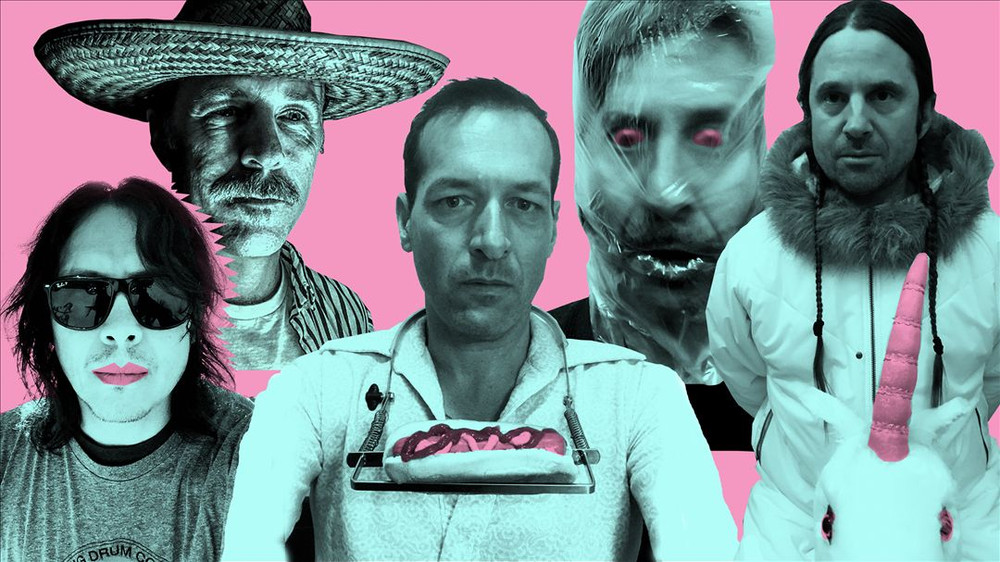
THE BOBBY LEES
Listen
2
/5
Genres
Egg Punk
Egg punk is a lo‑fi, synth‑laced, jittery offshoot of punk that embraces awkwardness, absurdist humor, and devolved futurism. It tends to favor short, tightly wound songs driven by springy bass, trebly guitars, cheap drum machines, and buzzing monosynths, with nasal or deadpan vocals. The sound references first‑wave new wave and Devo‑style art punk as much as it does budget garage punk, swapping macho toughness for geeky, rubbery energy. Releases are typically DIY—4‑track or cassette‑recorded—and circulate through small labels, Bandcamp, and tape trades.
Discover
Listen
Punk
Punk is a fast, abrasive, and minimalist form of rock music built around short songs, stripped-down instrumentation, and confrontational, anti-establishment lyrics. It emphasizes DIY ethics, raw energy, and immediacy over virtuosity, often featuring distorted guitars, shouted or sneered vocals, and simple, catchy melodies. Typical songs run 1–3 minutes, sit around 140–200 BPM, use power chords and basic progressions (often I–IV–V), and favor live, unpolished production. Beyond sound, punk is a cultural movement encompassing zines, independent labels, political activism, and a fashion vocabulary of ripped clothes, leather, and safety pins.
Discover
Listen
Garage Punk
Garage punk is a raw, high-energy strain of rock that fuses the primitive drive of mid‑1960s American garage bands with the speed, sneer, and DIY ethos later associated with punk. It favors overdriven guitars (often drenched in fuzz and spring reverb), stomping backbeats, shouted or snotty vocals, and two- or three-chord riffs recorded with intentionally lo‑fi, live-in-the-room immediacy. Organ stabs, handclaps, and tambourines are common textural touches, while lyrics lean toward teenage frustration, lust, menace, and mischief. Songs are short, hooky, and explosive—more about attitude and impact than polish—making garage punk a perennial engine for underground rock scenes.
Discover
Listen
Garage Rock
Garage rock is a raw, energetic style of rock music that emerged in the mid-1960s from local scenes across North America. Typically performed by amateur or semi-professional teenage bands in basements and suburban garages, the sound is unpolished and immediate, favoring feel over finesse. Its hallmarks include distorted guitars, pounding drums, simple chord progressions (often I–IV–V), prominent Farfisa/Vox organ riffs, and shouted, attitude-heavy vocals. Songs are short, hooky, and driven by rhythmic urgency, with lyrics about teenage love, boredom, rebellion, and swagger. The style became a direct ancestor of proto-punk and punk rock, prized for its do-it-yourself spirit and visceral impact.
Discover
Listen
Rock
Rock is a broad family of popular music centered on amplified instruments, a strong backbeat, and song forms that foreground riffs, choruses, and anthemic hooks. Emerging from mid‑20th‑century American styles like rhythm & blues, country, and gospel-inflected rock and roll, rock quickly expanded in scope—absorbing folk, blues, and psychedelic ideas—while shaping global youth culture. Core sonic markers include electric guitar (often overdriven), electric bass, drum kit emphasizing beats 2 and 4, and emotive lead vocals. Rock songs commonly use verse–chorus structures, blues-derived harmony, and memorable melodic motifs, ranging from intimate ballads to high‑energy, stadium‑sized performances.
Discover
Listen
Blues
Blues is an African American musical tradition defined by expressive "blue notes," call-and-response phrasing, and a characteristic use of dominant-seventh harmony in cyclical song forms (most famously the 12‑bar blues). It is as much a feeling as a form, conveying sorrow, resilience, humor, and hard-won joy. Musically, blues commonly employs the I–IV–V progression, swung or shuffled rhythms, and the AAB lyric stanza. Melodies lean on the minor/major third ambiguity and the flattened fifth and seventh degrees. Core instruments include voice, guitar (acoustic or electric), harmonica, piano, bass, and drums, with slide guitar, bends, and vocal melismas as signature techniques. Over time the blues has diversified into regional and stylistic currents—Delta and Piedmont country blues, urban Chicago and Texas blues, West Coast jump and boogie-woogie—while profoundly shaping jazz, rhythm & blues, rock and roll, soul, funk, and much of modern popular music.
Discover
Listen
Similar artists
4
/5
The Cramps
Psychobilly
Gothabilly
Rockabilly
3
/5
The Hives
Garage Rock Revival
Garage Punk
Garage Rock
3
/5
Amyl and The Sniffers
Riot Grrrl
Punk
Rock
3
/5
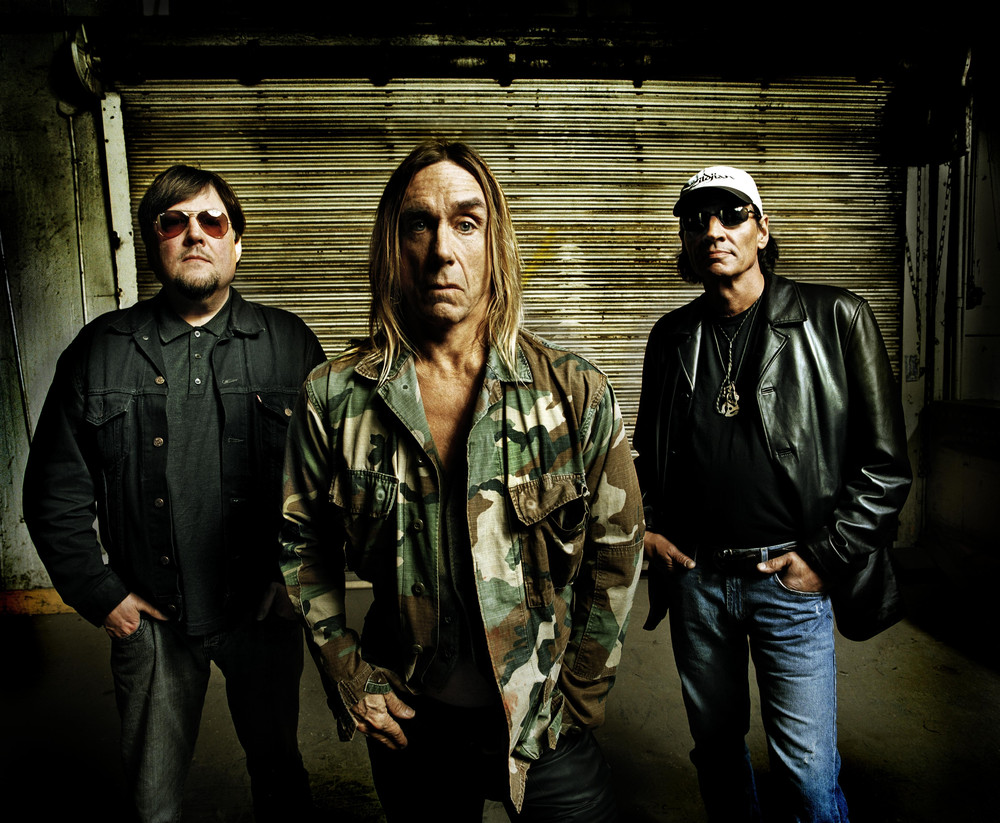
The Stooges
Garage Rock
Proto-Punk
Punk
3
/5
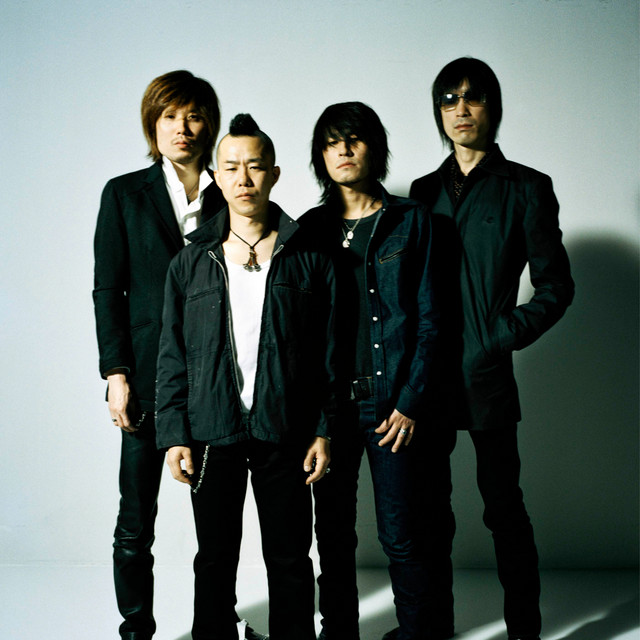
Thee Michelle Gun Elephant
Garage Rock
Garage Rock Revival
Garage Punk
3
/5
The Hellacopters
Action Rock
Punk 'n' Roll
Hard Rock
3
/5
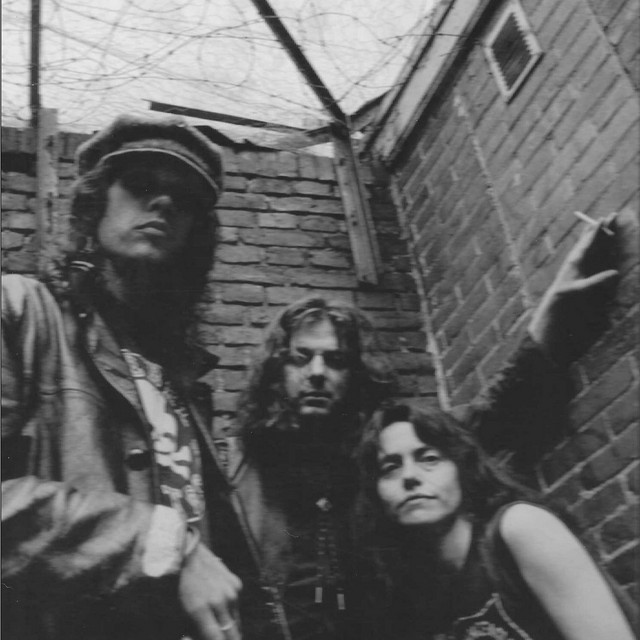
Dead Moon
Garage Rock
Garage Punk
Proto-Punk
2
/5
MC5
Garage Rock
Proto-Punk
Punk
2
/5
Supersuckers
Rock
Punk
Indie Rock
2
/5
Hot Snakes
Garage Rock
Post-Hardcore
Noise Rock
Download our mobile app
Get the Melodigging app and start digging for new genres on the go
Download on the App Store
Get it on Google Play
© 2026 Melodigging
Give feedback
Legal
Melodding was created as a tribute to
Every Noise at Once
, which inspired us to help curious minds keep digging into music's ever-evolving genres.