Genres
Artists
Albums
Make Music
Sign in
Sign in
Artists
Garage Rock
Artists
Garage Rock
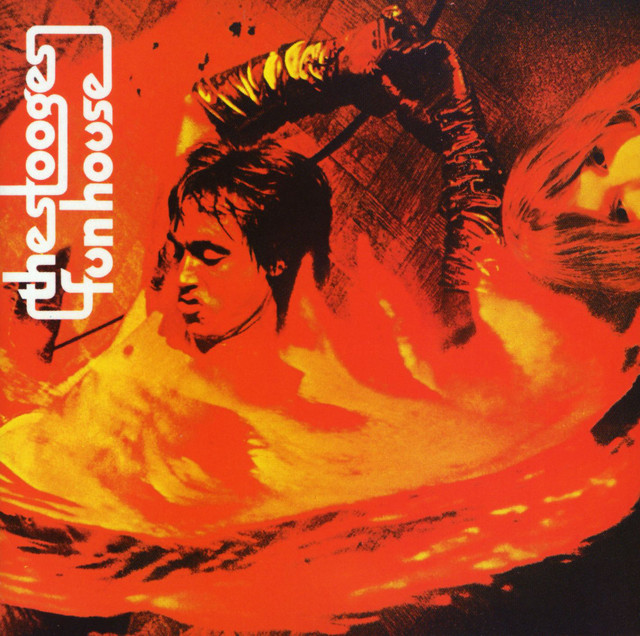
The Stooges
1969–1973
·
4 albums
Listen
3
/5
Genres
Nyc Pop
NYC pop is a contemporary, hook-forward strain of alternative pop centered on artists living and working in New York City. It blends the sheen of electropop and dance-pop with the songwriting sensibilities of indie pop and indie rock, often pairing bright synths, rhythmic guitars, and punchy drums with large, chantable choruses. Lyrically, it frequently references urban life, ambition, relationships, and self-discovery, capturing the speed, romance, and pressure-cooker energy of the city. Production is glossy but retains an indie edge: live instruments sit beside modern electronic textures, with crisp vocal stacking and ear-catching toplines designed for both radio and festival stages.
Discover
Listen
Connecticut Indie
Connecticut indie is a regional strain of U.S. indie rock that blends the heartfelt directness of emo-revival with the fuzzy guitars, DIY ethics, and adventurous textures of New England’s underground. Rooted in college-town and small-city scenes (Middletown, New Haven, Willimantic, Hartford), the sound swings between twinkly, lyrically confessional indie and louder, shoegaze- or noise-tinged guitar rock. You’ll hear gang-vocal catharsis, transparent production that favors live-room energy, and occasional orchestral or synth flourishes that reflect the area’s art-school and experimental leanings. While it is geographically defined, the micro-scene’s bands networked nationally through house shows, small labels, and online communities, making Connecticut indie both locally grounded and widely connected.
Discover
Listen
Electronic Trap
Electronic trap is a club-oriented hybrid that fuses modern trap’s drum language (punchy 808 kicks, snappy snares, fast hi-hat rolls) with EDM sound design and festival-style arrangement. Compared to rap-first trap, electronic trap is typically more instrumental and drop-driven, with dramatic buildups, heavy bass drops, and highly processed synths. Common sonic traits include distorted 808 subs, aggressive lead synths, chopped or pitched vocal samples, and big FX transitions (risers, impacts, sweeps). The overall focus is energy, bass weight, and crowd impact on large sound systems.
Discover
Listen
Punk
Punk is a fast, abrasive, and minimalist form of rock music built around short songs, stripped-down instrumentation, and confrontational, anti-establishment lyrics. It emphasizes DIY ethics, raw energy, and immediacy over virtuosity, often featuring distorted guitars, shouted or sneered vocals, and simple, catchy melodies. Typical songs run 1–3 minutes, sit around 140–200 BPM, use power chords and basic progressions (often I–IV–V), and favor live, unpolished production. Beyond sound, punk is a cultural movement encompassing zines, independent labels, political activism, and a fashion vocabulary of ripped clothes, leather, and safety pins.
Discover
Listen
Garage Rock
Garage rock is a raw, energetic style of rock music that emerged in the mid-1960s from local scenes across North America. Typically performed by amateur or semi-professional teenage bands in basements and suburban garages, the sound is unpolished and immediate, favoring feel over finesse. Its hallmarks include distorted guitars, pounding drums, simple chord progressions (often I–IV–V), prominent Farfisa/Vox organ riffs, and shouted, attitude-heavy vocals. Songs are short, hooky, and driven by rhythmic urgency, with lyrics about teenage love, boredom, rebellion, and swagger. The style became a direct ancestor of proto-punk and punk rock, prized for its do-it-yourself spirit and visceral impact.
Discover
Listen
Proto-Punk
Proto-punk is a catch-all term for the raw, stripped-down rock that immediately preceded and inspired punk rock. It favors abrasive guitar tones, primitive drumming, short song forms, shouted or deadpan vocals, and lyrics steeped in alienation, anti-establishment anger, and street-level realism. Emerging from 1960s garage rock, avant-leaning art rock, and hard-edged rhythm & blues, proto-punk connected the chaos of early rock and roll with the urgency of the 1970s punk explosion. Its sound ranges from the Detroit ferocity of The Stooges and MC5 to the arty minimalism and noise experiments of The Velvet Underground.
Discover
Listen
Hard Rock
Hard rock is a loud, riff-driven style of rock music built around heavily amplified electric guitars, a powerful rhythm section, and assertive vocals. Songs typically center on memorable, blues-based guitar riffs, strong backbeats, and energetic, often shouted or belted choruses. The genre emphasizes power, groove, and visceral impact over intricate harmony or extended improvisation. Distortion, power chords, pentatonic melodies, and call‑and‑response between vocals and guitar are core traits, while lyrical themes often explore rebellion, lust, swagger, escape, and cathartic release.
Discover
Listen
Garage Psych
Garage psych is a fuzz-drenched fusion of raw, do-it-yourself garage rock with the kaleidoscopic textures and mind-bending aesthetics of psychedelic rock. It favors simple, pounding rhythms; primitive, overdriven guitars; and swirling organs or tape-delayed vocals, all delivered with a lo-fi, room-mic immediacy. Lyrically and sonically, it blends teenage angst and street-level grit with surreal imagery, reverb-heavy atmospheres, and exploratory effects, bridging the gap between bar-band energy and psychedelic experimentation.
Discover
Listen
Garage Punk
Garage punk is a raw, high-energy strain of rock that fuses the primitive drive of mid‑1960s American garage bands with the speed, sneer, and DIY ethos later associated with punk. It favors overdriven guitars (often drenched in fuzz and spring reverb), stomping backbeats, shouted or snotty vocals, and two- or three-chord riffs recorded with intentionally lo‑fi, live-in-the-room immediacy. Organ stabs, handclaps, and tambourines are common textural touches, while lyrics lean toward teenage frustration, lust, menace, and mischief. Songs are short, hooky, and explosive—more about attitude and impact than polish—making garage punk a perennial engine for underground rock scenes.
Discover
Listen
Rock
Rock is a broad family of popular music centered on amplified instruments, a strong backbeat, and song forms that foreground riffs, choruses, and anthemic hooks. Emerging from mid‑20th‑century American styles like rhythm & blues, country, and gospel-inflected rock and roll, rock quickly expanded in scope—absorbing folk, blues, and psychedelic ideas—while shaping global youth culture. Core sonic markers include electric guitar (often overdriven), electric bass, drum kit emphasizing beats 2 and 4, and emotive lead vocals. Rock songs commonly use verse–chorus structures, blues-derived harmony, and memorable melodic motifs, ranging from intimate ballads to high‑energy, stadium‑sized performances.
Discover
Listen
Show all 10 genres
Albums
1973
3
/5
Raw Power
The Stooges
Garage Rock
Proto-Punk
Hard Rock
1970
3
/5
Funhouse
The Stooges
Proto-Punk
Garage Rock
Rock
1970
3
/5
Fun House
The Stooges
Proto-Punk
Garage Rock
Hard Rock
1969
3
/5
The Stooges
The Stooges
Garage Psych
Proto-Punk
Garage Rock
Similar artists
2
/5
The Dictators
Glam Punk
Punk
Punk 'n' Roll
2
/5
MC5
Garage Rock
Proto-Punk
Punk
1
/5
Various Artists
Afro-Funk
Alternative Rock
Ambient
2
/5
Radio Birdman
Garage Rock
Punk
Aussie Pub Rock
4
/5
Iggy Pop
Proto-Punk
Glam Rock
Chill Pop
4
/5
The Cramps
Psychobilly
Gothabilly
Rockabilly
3
/5
The Sonics
Garage Rock
Proto-Punk
Frat Rock
2
/5
New Bomb Turks
Garage Rock
Punk
Hardcore Punk
3
/5
Patti Smith
Proto-Punk
Art Punk
Cbgb Scene
3
/5
Dead Moon
Garage Rock
Garage Punk
Proto-Punk
Download our mobile app
Get the Melodigging app and start digging for new genres on the go
Download on the App Store
Get it on Google Play
© 2026 Melodigging
Give feedback
Legal
Melodding was created as a tribute to
Every Noise at Once
, which inspired us to help curious minds keep digging into music's ever-evolving genres.