Genres
Artists
Albums
Make Music
Sign in
Sign in
Artists
Moroccan Pop
Artists
Moroccan Pop
Tawsen
Listen
3
/5
Genres
Trap Shaabi
Trap shaabi is an Egyptian fusion style that blends the street-party energy and timbres of shaabi/mahraganat with the half-time bounce, 808 weight, and ad‑libbed swagger of trap. It foregrounds Egyptian Arabic slang, bold hooks, and hyper-saturated sound design while retaining regional melodic colors and percussion. Producers stitch together distorted mizmar and arghul riffs, darbuka and sagat patterns, and microtonal melodies using maqam flavors (Bayati, Hijaz, Nahawand), then anchor them with booming sub‑bass, skittering hi‑hats, and clap-heavy drums. The result is a gritty, dance‑primed urban sound that feels equally at home in Cairo side streets and global streaming playlists.
Discover
Listen
Draga
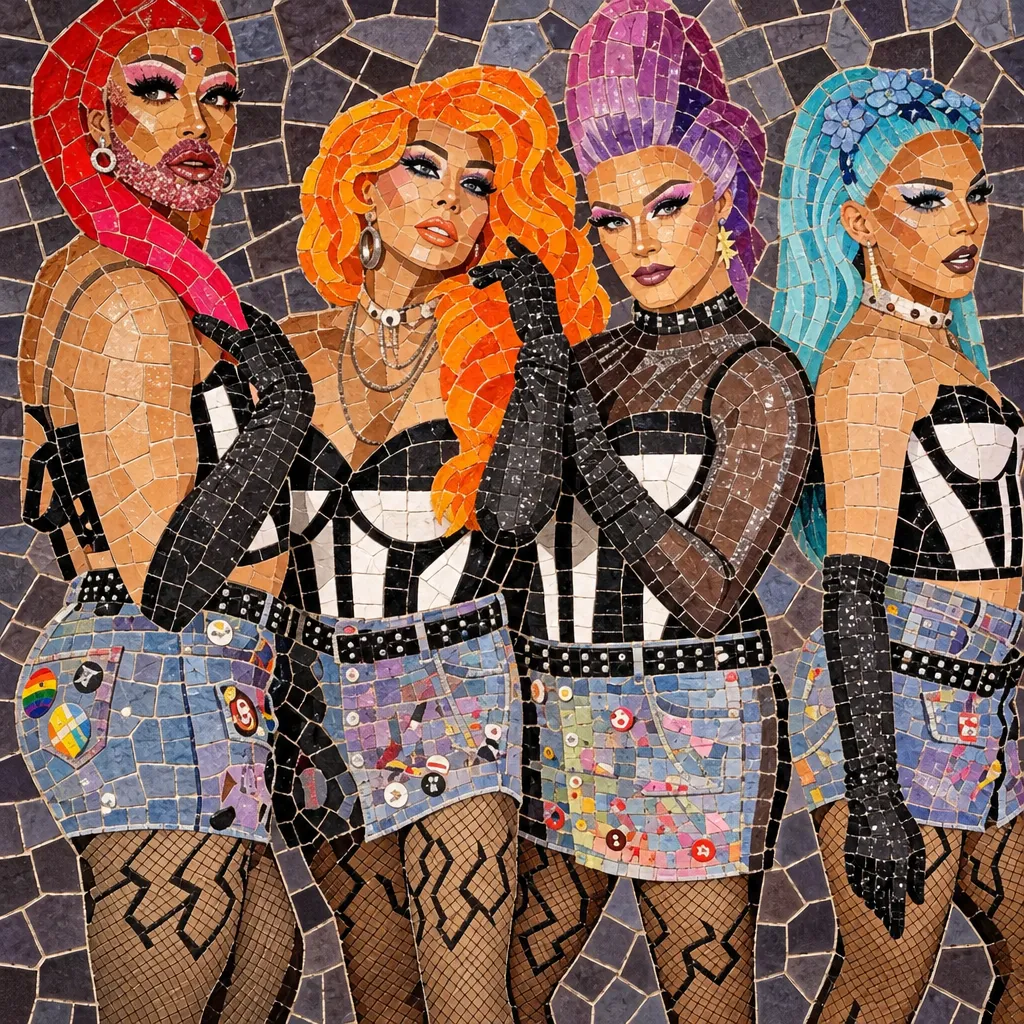
Draga is a Spanish‑language drag‑pop scene centered in Mexican queer nightlife and online culture. It blends high‑camp theatrics, witty and often satirical lyrics, and club‑ready production informed by electropop, reggaeton/dembow, moombahton, and ballroom vogue aesthetics. Tracks are typically hook‑driven and performance‑oriented—designed to work both as standalone pop singles and as lip‑sync or live show centerpieces. Vocals often mix melodic choruses with spoken attitude, ad‑libs, and punchline‑style one‑liners. The sound palette favors glossy synths, bouncy low‑end, clap‑heavy reggaeton grooves, and big, glittering drops, while visuals and persona are inseparable from the music’s meaning and impact.
Discover
Listen
Frauenrap
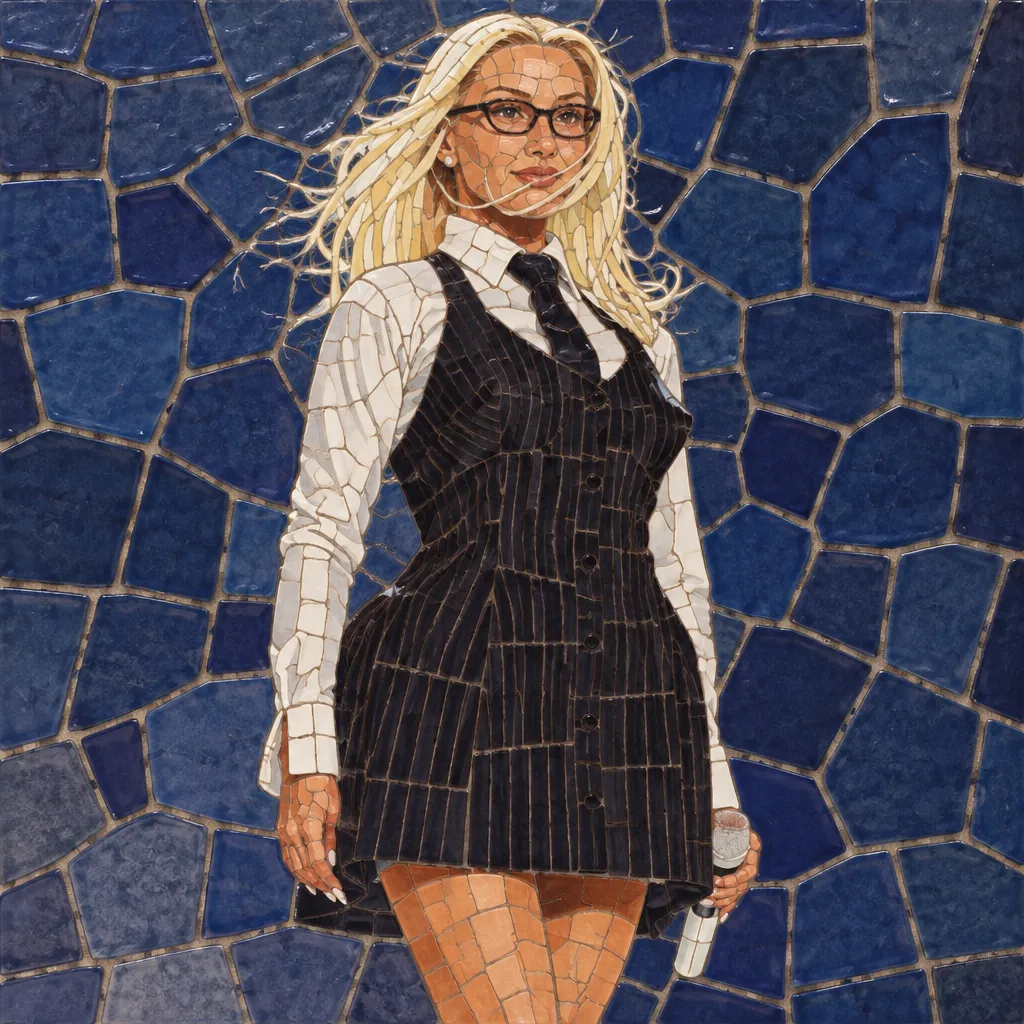
Frauenrap is a German-language umbrella term for hip hop led by women and non‑binary artists across Germany, Austria, and Switzerland (the DACH region). Musically it sits inside modern Deutschrap: booming 808s, trap hi‑hats, Autotune‑assisted toplines, and hook‑forward pop‑rap structures. Artists move fluidly between hard, percussive flows and melodic sing‑rap, often blending street‑rap attitudes with glossy pop sensibilities. Lyrically, frauenrap is marked by self‑assertion, sexuality on the artist’s own terms, social commentary, and the everyday realities of young urban life (work, relationships, migration backgrounds, digital culture). Code‑switching between German and heritage languages (e.g., Turkish, Kurdish, Albanian) and regional slang is common. Aesthetically, it ranges from icy, minimalist trap and drill beats to chart‑ready pop‑rap anthems, making it a highly visible, hit‑driven strand of contemporary German hip hop that has shifted mainstream perceptions of women in Deutschrap.
Discover
Listen
Pop Urbaine
Pop urbaine is a French mainstream pop style that blends contemporary R&B, hip hop, Afrobeats, dancehall, zouk, raï, and reggaeton with chart‑friendly songwriting. It emphasizes melodic hooks, mid‑tempo grooves, and sleek vocal production (often with Auto‑Tune) while foregrounding everyday, romantic, and nightlife themes in colloquial French. Rhythmically it favors syncopated Afro‑Caribbean patterns, sparse but bouncy 808 drums, and light guitar or synth plucks, creating a buoyant, danceable feel without the aggressiveness of club music. Vocals typically alternate between sung refrains and rap‑influenced verses, with catchy refrains designed for streaming and social media virality. The genre became a defining sound of French popular culture in the late 2010s, driven by a new generation of Francophone artists with diasporic roots who globalized French pop while keeping its language and local slang at the center.
Discover
Listen
Moroccan Pop
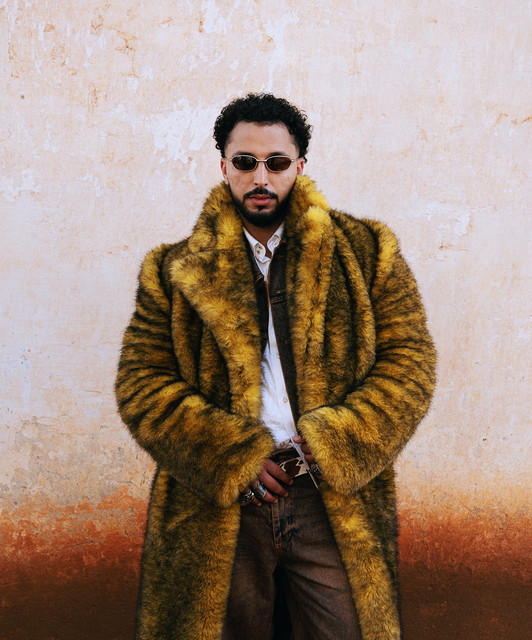
Moroccan pop is contemporary, radio‑friendly music from Morocco that blends North African rhythms and modes with global pop craft. It draws on chaabi street grooves, gnawa bass patterns, and Andalusian ornamentation while embracing glossy production, catchy toplines, and dance‑floor energy. Sung primarily in Moroccan Arabic (Darija), it often weaves in French, Standard Arabic, Amazigh (Tamazight), and occasional English phrases. The sound palette ranges from darbuka, bendir, and qraqeb to modern drum machines, synths, and Auto‑Tune, yielding sleek hooks that sit comfortably between Arab pop, French pop, R&B, hip hop, EDM, and, more recently, reggaeton and Afro‑leaning rhythms.
Discover
Listen
Moroccan Rap
Moroccan rap is a hip hop movement from Morocco that blends American rap foundations with North African rhythms, melodies, and street vernaculars. It is primarily performed in Darija (Moroccan Arabic), often mixed with French, Modern Standard Arabic, and Tamazight, creating a distinct linguistic and cultural voice. Musically, the style draws on trap and boom-bap production while sampling or referencing local sources such as gnawa grooves, chaabi claps, and raï-adjacent melodic turns. Lyrically it ranges from sharp social critique and political commentary to autobiographical storytelling, swaggering bravado, and urban poetry reflecting the realities of Moroccan cities and the diaspora.
Discover
Listen
Hip Hop
Hip hop is a cultural and musical movement that emerged from Black, Latino, and Caribbean communities, centering around rapping (MCing), DJing/turntablism, sampling-based production, and rhythmic speech over beats. It prioritizes groove, wordplay, and storytelling, often reflecting the social realities of urban life. Musically, hip hop is built on drum-centric rhythms (from breakbeats to 808 patterns), looped samples, and bass-forward mixes. Lyrically, it ranges from party anthems and braggadocio to political commentary and intricate poetic forms, with flow, cadence, and rhyme density as core expressive tools. Beyond music, hip hop encompasses a broader culture, historically intertwined with graffiti, b-boying/b-girling (breakdance), fashion, and street entrepreneurship, making it both an art form and a global social language.
Discover
Listen
Raï
Raï is a popular music genre from the port city of Oran (Wahran), Algeria, whose name comes from the colloquial Arabic word for "opinion" or "point of view." It began as a raw, vernacular form of urban song led by cheikhas (female singer-performers) accompanied by gasba flute and guellal drum, addressing everyday life, love, alcohol, social hypocrisy, and desire with unusual frankness. Across the 1970s and 1980s, raï electrified: acoustic ensembles and Bedoui/chaabi-rooted melodies merged with electric guitar, synthesizers, drum machines, and global dance grooves (funk, disco, reggae, and pop). This produced the internationally famous “pop raï” sound—at once danceable and emotionally direct—carried by stars such as Khaled, Cheb Mami, Cheb Hasni, and Cheikha Rimitti. Today, raï remains a living tradition and a flexible pop form, equally at home with traditional gasba/guellal timbres and glossy electronic production, while its lyrics continue to alternate between hedonistic celebration and aching nostalgia for home and lost love.
Discover
Listen
Show all 8 genres
Similar artists
3
/5
Balti
Moroccan Rap
Raï
Arabic Hip Hop
2
/5
Master Sina
Arabic Hip Hop
Moroccan Pop
Moroccan Rap
4
/5
DYSTINCT
Moroccan Pop
Raï
Afro Drill
4
/5
Didine Canon 16
Arabic Hip Hop
Moroccan Pop
Moroccan Rap
4
/5
Manal
Arabic Hip Hop
Arabic Rap
Moroccan Pop
3
/5
Saad Lamjarred
Shaabi
Khaleeji
Moroccan Pop
3
/5
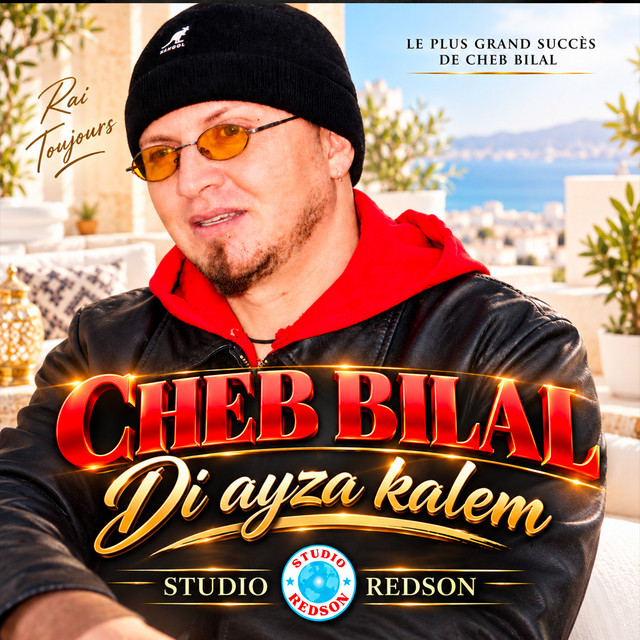
Cheb Bilal
Gnawa
Moroccan Chaabi
Moroccan Pop
3
/5
Flenn
Arabic Hip Hop
Moroccan Pop
Moroccan Rap
3
/5
Moro
Arabic Hip Hop
Moroccan Pop
Moroccan Rap
3
/5
Lbenj
Moroccan Rap
Raï
Moroccan Pop
Download our mobile app
Get the Melodigging app and start digging for new genres on the go
Download on the App Store
Get it on Google Play
© 2026 Melodigging
Give feedback
Legal
Melodding was created as a tribute to
Every Noise at Once
, which inspired us to help curious minds keep digging into music's ever-evolving genres.