Your digging level
Description
Frauenrap is a German-language umbrella term for hip hop led by women and non‑binary artists across Germany, Austria, and Switzerland (the DACH region).
Musically it sits inside modern Deutschrap: booming 808s, trap hi‑hats, Autotune‑assisted toplines, and hook‑forward pop‑rap structures. Artists move fluidly between hard, percussive flows and melodic sing‑rap, often blending street‑rap attitudes with glossy pop sensibilities. Lyrically, frauenrap is marked by self‑assertion, sexuality on the artist’s own terms, social commentary, and the everyday realities of young urban life (work, relationships, migration backgrounds, digital culture). Code‑switching between German and heritage languages (e.g., Turkish, Kurdish, Albanian) and regional slang is common.
Aesthetically, it ranges from icy, minimalist trap and drill beats to chart‑ready pop‑rap anthems, making it a highly visible, hit‑driven strand of contemporary German hip hop that has shifted mainstream perceptions of women in Deutschrap.


History
Women have been present in German hip hop since the 1990s, but the distinct visibility of “frauenrap” as a contemporary current took shape in the 2010s. Early 2010s figures such as Sookee (queer‑feminist discourse) and Schwesta Ewa (raw street narratives) pushed against a male‑dominated scene and opened cultural space for bolder female perspectives.
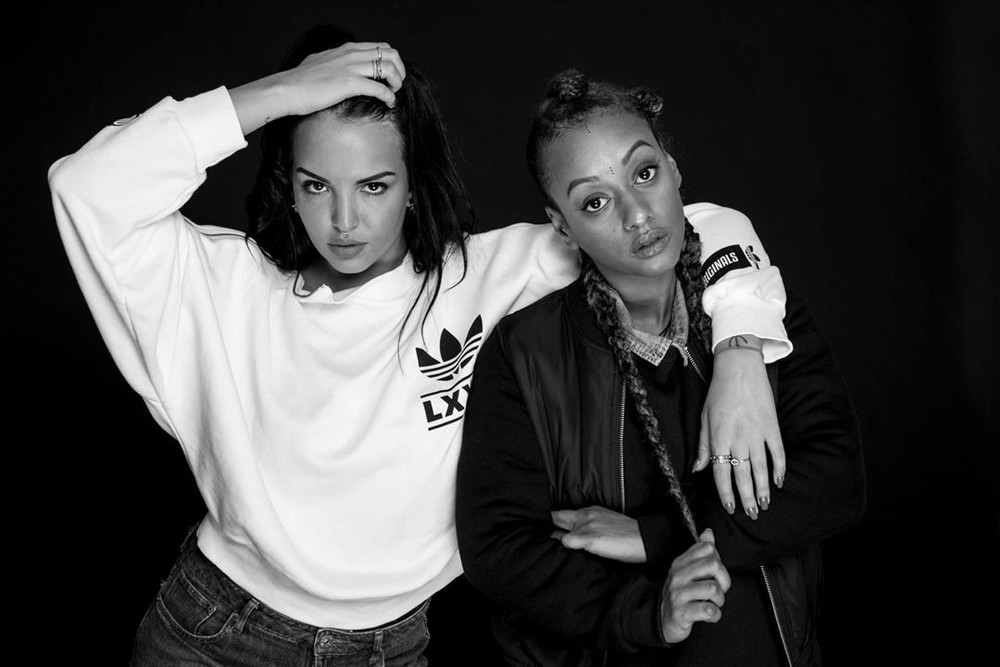
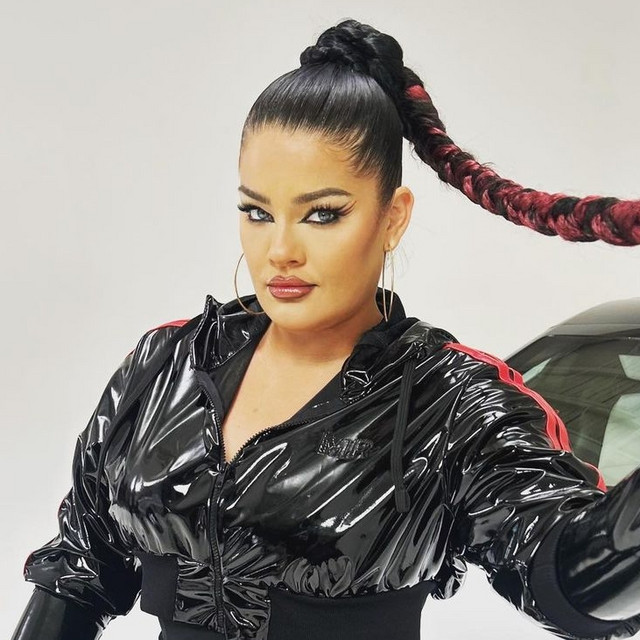
By the mid–late 2010s, a new, pop‑aware wave crystallized. Duo SXTN (Juju & Nura) broke through with brash, hooky tracks; Haiyti brought a lo‑fi, art‑trap edge; and Eunique fused street rap with melodic swagger. Loredana (Swiss/Kosovar) and Shirin David delivered blockbuster singles and videos that placed frauenrap at the top of German charts, normalizing female dominance in hit‑driven Deutschrap.
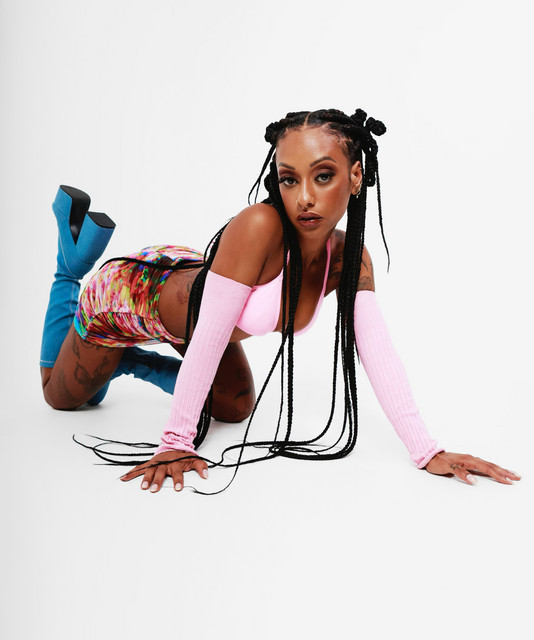
In the 2020s, artists like badmómzjay and Hava bridged hard trap/drill textures with radio‑ready choruses, while Katja Krasavice leaned into explicit, hyper‑pop‑rap aesthetics tightly synced to social media. TikTok, Instagram, and YouTube became critical A&R and marketing channels, amplifying regional scenes across the DACH region and accelerating the acceptance of women leading major rap releases. The breadth now spans drill‑tinged aggression, cloud‑rap haze, and glossy pop‑rap, with recurring themes of empowerment, autonomy, and identity.
Frauenrap has helped reframe German hip hop’s public image, broadening its audience, rebalancing gatekeeping dynamics, and inspiring a generational shift in label investments, festival lineups, and editorial playlists. It has also informed the sound and styling of adjacent German pop and R&B, where rap cadences, 808s, and assertive feminist storytelling have become standard.