Genres
Artists
Albums
Make Music
Sign in
Sign in
Artists
Cantopop
Artists
Cantopop
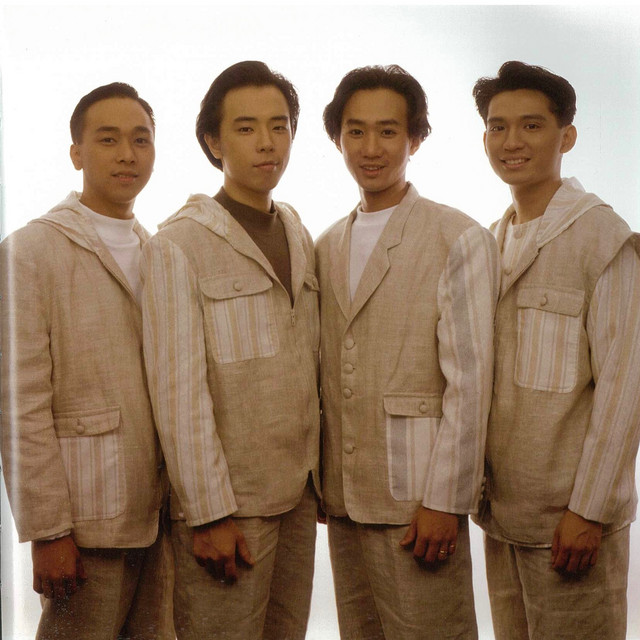
Tat Ming Pair
1987–1990
·
4 albums
Listen
2
/5
Genres
Chinese Rock
Chinese rock is the umbrella term for rock music created by bands and solo artists from Mainland China. It emerged in the 1980s during the era often called the New Enlightenment, when intellectual and cultural life reopened after the Cultural Revolution. Defined by an anti-traditional, dissenting stance, Chinese rock has long been associated with challenging mainstream ideology, the commercial establishment, and cultural hegemony. Musically, it fuses Western rock idioms (from classic rock to punk, new wave, and post-punk) with Chinese melodic sensibilities, language, and—at times—traditional instruments and pentatonic inflections.
Discover
Listen
New Romantic
New Romantic is a British music and fashion movement that crystallized in the early 1980s, pairing sleek, synth-driven new wave/pop with the theatrical flair of glam and art pop. It emphasized lavish, emotive songwriting, danceable rhythms, and a highly stylized visual identity. Sonically, New Romantic records favor analog synthesizers, drum machines, bright chorus-laden guitars, and polished studio production. Lyrically and visually, the movement celebrated escapism, romance, and glamour, often through androgynous, avant-garde fashion that emerged from London club culture (notably the Blitz Club).
Discover
Listen
Cantopop
Cantopop (Cantonese pop) is a Hong Kong–born branch of Chinese-language popular music sung primarily in Cantonese. It blends Western pop songwriting and production with local lyrical sensibilities, drawing early inspiration from shidaiqu, film/TV themes, disco, soft rock, synth-pop, and later R&B and hip hop. Stylistically, it favors hook-forward melodies, polished arrangements, emotive ballads, and mid‑ to uptempo dance tracks. Lyrics often center on romance, urban life, and identity, typically crafted with careful attention to the tones and rhythms of spoken Cantonese. The genre enjoyed a regional golden age in the 1980s–1990s and continues to evolve through contemporary pop, indie, and crossover influences.
Discover
Listen
New Wave
New wave is a broad, pop-oriented umbrella for styles that emerged in the mid-to-late 1970s as a sleeker, more melodic outgrowth of punk culture. Initially, the term varied by region: in the United States it was first used by critics and labels (famously Sire Records’ “Don’t Call It Punk” campaign in 1977) to rebrand punk-associated artists with more radio-friendly aesthetics; in the United Kingdom it encompassed a wider constellation of fresh, stylish post-punk-era sounds. Over time, “new wave” became a catch‑all for hooky guitar pop, synth-driven songs, danceable rhythms, and modernist production sensibilities. Sonically, it blends tight, upbeat rhythms (often disco- and reggae-informed), clean chorus/flanger guitars, prominent synthesizers, and concise, hook-led songwriting. Its visual identity—sharp suits, futurist imagery, and fashion-forward presentation—was integral, aligning with the rise of music television and emphasizing art-school wit, irony, and modern urban themes.
Discover
Listen
Synth-Pop
Synth-pop is a pop-oriented style that foregrounds the synthesizer as its primary instrument, often paired with drum machines and sequencers. It favors clean, melodic hooks, concise song structures, and a sleek, modernist sound that ranges from cool and minimal to lush and romantic. Emerging at the turn of the 1980s from the UK new wave and post-punk scenes, synth-pop leveraged affordable analog and then digital keyboards to bring electronic textures into the mainstream. Its sonic palette includes arpeggiated basslines, shimmering pads, bright leads, gated or machine-driven drums, and polished vocals that convey both futuristic detachment and emotional immediacy.
Discover
Listen
C-Pop
C-pop (Chinese popular music) is an umbrella term for contemporary popular music sung primarily in Chinese languages, especially Mandarin and Cantonese, and produced across Mainland China, Hong Kong, Taiwan, and the wider Chinese diaspora. It encompasses well-known streams such as Mandopop and Cantopop while also including works in Hokkien and other Sinitic varieties. Stylistically, C-pop blends Western pop, R&B, hip hop, rock, and electronic production with Chinese melodic sensibilities and traditional timbres. Hallmarks include memorable vocal-centric hooks, lyric-driven ballads, polished dance-pop, and frequent incorporation of pentatonic flavors and traditional instruments alongside modern synths and drums. C-pop is culturally influential across East and Southeast Asia, with stars whose appeal rests on both musical craft and multimedia presence (film/TV, variety shows, social platforms).
Discover
Listen
Albums
1990
2
/5
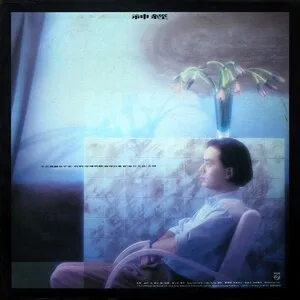
神經
Tat Ming Pair 達明一派
Cantopop
1989
1
/5
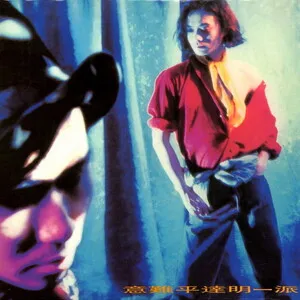
意難平
Tat Ming Pair 達明一派
Cantopop
New Romantic
1987
1
/5
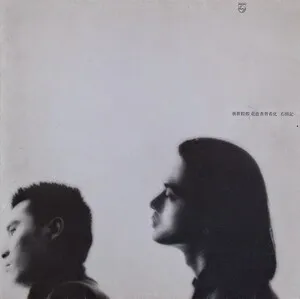
我等著你回來
Tat Ming Pair 達明一派
Cantopop
1987
2
/5
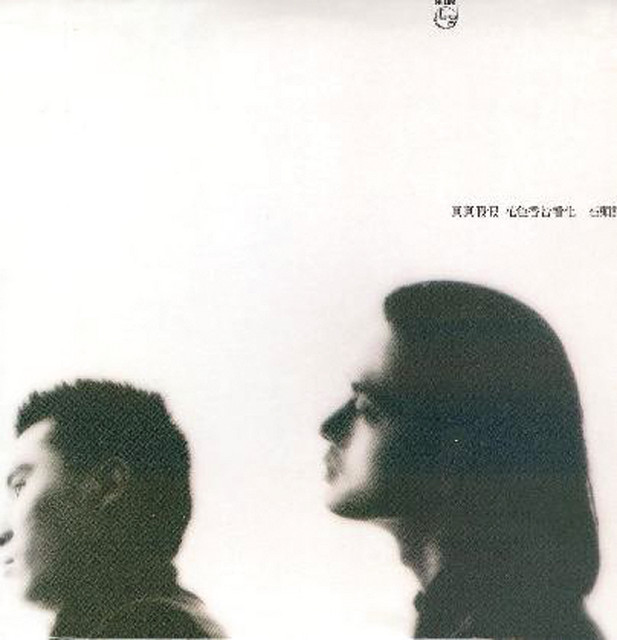
石頭記
Tat Ming Pair 達明一派
Cantopop
Similar artists
1
/5
Various Artists
Afro-Funk
Alternative Rock
Ambient
4
/5
Mayday
Chinese Rock
C-Pop
Cantopop
3
/5
Beyond
C-Pop
Cantopop
Chinese Rock
3
/5
羅大佑
C-Pop
Campus Folk
Cantopop
3
/5
回春丹
C-Pop
Cantopop
Chinese Indie
3
/5
Mr.
C-Pop
Cantopop
Chinese Indie
2
/5
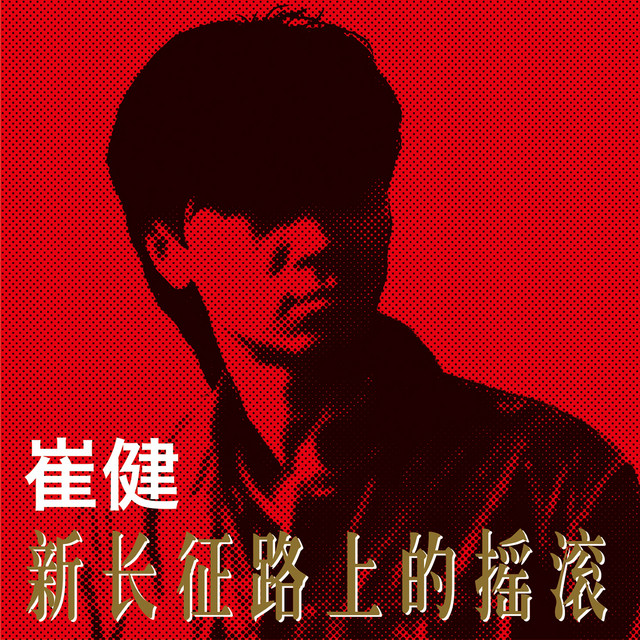
崔健
C-Pop
Chinese Indie
Chinese Rock
4
/5
G.E.M.
Cantopop
C-Pop
Mandopop
4
/5
Keung To
Cantopop
C-Pop
4
/5
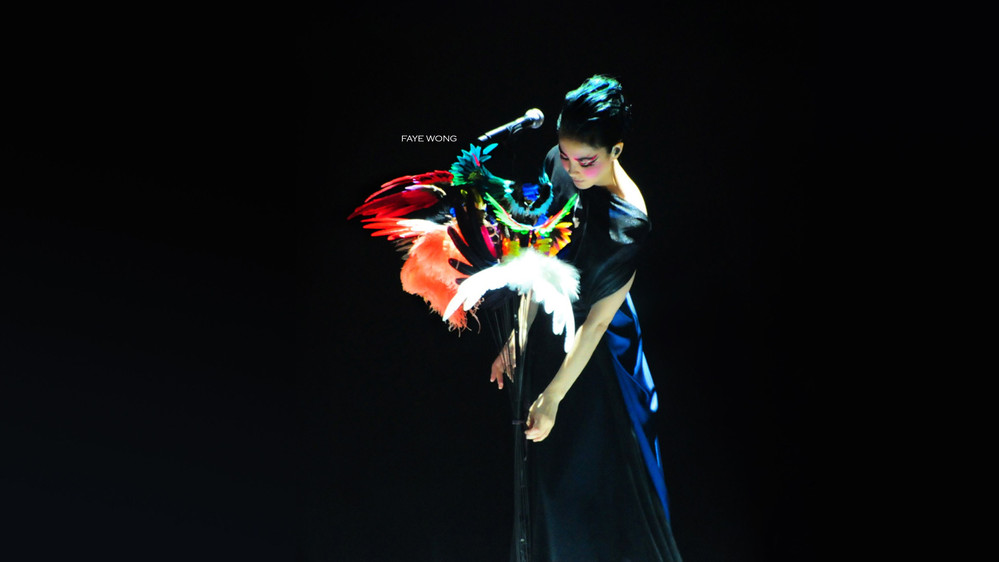
Faye Wong
C-Pop
Cantopop
Mandopop
Download our mobile app
Get the Melodigging app and start digging for new genres on the go
Download on the App Store
Get it on Google Play
© 2026 Melodigging
Give feedback
Legal
Melodding was created as a tribute to
Every Noise at Once
, which inspired us to help curious minds keep digging into music's ever-evolving genres.