Genres
Artists
Albums
Make Music
Sign in
Sign in
Artists
Rock
Artists
Rock
崔健
1989–1994
·
2 albums
Listen
2
/5
Genres
Chinese Indie
Chinese indie is a broad umbrella for independent rock and pop made in Mainland China outside the mainstream Mandopop industry. It ranges from jangly guitar pop and lo‑fi singer‑songwriter to post‑punk, shoegaze, and experimental rock. Formed around DIY venues, small labels, and online communities, the scene emphasizes artistic autonomy, local identity, and lyrics in Mandarin (and regional languages) that reflect urban life, youth alienation, social change, and tender nostalgia. Sonic markers include guitar-driven textures (from clean jangle to fuzz walls), steady post‑punk grooves, dreamy reverb, and occasional use of Chinese modal inflections within Western song forms. Beijing and later Shanghai, Chengdu, Wuhan, and Xi’an became hubs, with labels like Modern Sky and Maybe Mars, and livehouses such as D‑22 and School Bar anchoring a culture of self‑released records, zines, and festivals.
Discover
Listen
Chinese Rock
Chinese rock is the umbrella term for rock music created by bands and solo artists from Mainland China. It emerged in the 1980s during the era often called the New Enlightenment, when intellectual and cultural life reopened after the Cultural Revolution. Defined by an anti-traditional, dissenting stance, Chinese rock has long been associated with challenging mainstream ideology, the commercial establishment, and cultural hegemony. Musically, it fuses Western rock idioms (from classic rock to punk, new wave, and post-punk) with Chinese melodic sensibilities, language, and—at times—traditional instruments and pentatonic inflections.
Discover
Listen
Alternative Rock
Alternative rock is a broad umbrella for guitar-based rock that emerged from the independent and college-radio scenes as a counterpoint to mainstream, commercial rock. It blends the energy and ethos of punk with the textural and songwriting experiments of post-punk, new wave, jangle pop, and noise rock, often foregrounding introspective or socially aware lyrics. Across its many strains—from the melodic minimalism of college rock to the loud-quiet-loud dynamics of grunge and the artful experimentation of Radiohead-era modernism—alternative rock prioritizes authenticity, sonic individuality, and a do-it-yourself approach. Its sound ranges from chiming, chorus-laden clean guitars to abrasive distortion and feedback, supported by straightforward rock rhythms or off-kilter grooves, and production that can be either raw and live-sounding or polished yet unconventional.
Discover
Listen
Xibei Feng
Xibei feng (西北风, "Northwest Wind") is a late‑1980s Mandarin pop/folk‑rock trend that drew its core identity from the folk singing traditions of China’s northwest—especially xintianyou field songs, hua’er vocal music, and the timbres and declamation of Qinqiang opera. Musically, it fuses pentatonic, open‑throated melodies and hoarse, chest‑voice projection with marching, galloping backbeats and rock‑leaning accompaniment. Lyrically it celebrates the vastness of the Loess Plateau and the Yellow River, rural pride, endurance, and straightforward, collective optimism. In China’s popular‑music timeline, xibei feng served as an important bridge between conservatory/folk repertoire and the emerging rock and Mandopop mainstream, normalizing earthy regional color, big choruses, and a bold, heroic vocal presence in national pop.
Discover
Listen
New Wave
New wave is a broad, pop-oriented umbrella for styles that emerged in the mid-to-late 1970s as a sleeker, more melodic outgrowth of punk culture. Initially, the term varied by region: in the United States it was first used by critics and labels (famously Sire Records’ “Don’t Call It Punk” campaign in 1977) to rebrand punk-associated artists with more radio-friendly aesthetics; in the United Kingdom it encompassed a wider constellation of fresh, stylish post-punk-era sounds. Over time, “new wave” became a catch‑all for hooky guitar pop, synth-driven songs, danceable rhythms, and modernist production sensibilities. Sonically, it blends tight, upbeat rhythms (often disco- and reggae-informed), clean chorus/flanger guitars, prominent synthesizers, and concise, hook-led songwriting. Its visual identity—sharp suits, futurist imagery, and fashion-forward presentation—was integral, aligning with the rise of music television and emphasizing art-school wit, irony, and modern urban themes.
Discover
Listen
Singer-Songwriter
Singer-songwriter is a song-focused style in which the same person writes, composes, and performs their own material, often accompanying themselves on acoustic guitar or piano. It emphasizes personal voice, lyrical intimacy, and storytelling over elaborate production. Arrangements are typically sparse, allowing the melody, words, and performance nuance to carry the song’s emotional weight. While rooted in folk and blues traditions, singer-songwriter embraces pop and rock songcraft, producing works that can range from quiet confessional ballads to subtly orchestrated, radio-ready pieces.
Discover
Listen
Jazz Rock
Jazz rock is a hybrid style that merges the improvisational language and harmonic richness of jazz with the amplified energy, backbeat, and song forms of rock. It typically features electric guitar, bass, and drums alongside jazz-oriented instruments such as saxophone, trumpet, and keyboards, often arranged in horn sections. Extended chords, syncopation, and improvisation coexist with catchy riffs and driving grooves, yielding music that is both virtuosic and accessible. While closely related to jazz fusion, jazz rock generally keeps a stronger tie to rock songcraft and backbeat-centered rhythms.
Discover
Listen
Progressive Rock
Progressive rock is a rock subgenre that expands the genre’s formal, harmonic, and conceptual boundaries. It favors long-form compositions, intricate arrangements, and virtuosic musicianship, often drawing on Western classical, jazz, folk, and psychedelic idioms. Typical hallmarks include multi-part suites, shifting time signatures, extended instrumental passages, recurring motifs, and concept albums that present unified themes or narratives. The sound palette commonly features electric guitar, bass, and drums alongside an array of keyboards (Hammond organ, Mellotron, Moog/ARP synthesizers, piano), woodwinds or brass, and occasional orchestral additions. Lyrics often explore science fiction, mythology, philosophy, social commentary, and introspective themes.
Discover
Listen
Rock
Rock is a broad family of popular music centered on amplified instruments, a strong backbeat, and song forms that foreground riffs, choruses, and anthemic hooks. Emerging from mid‑20th‑century American styles like rhythm & blues, country, and gospel-inflected rock and roll, rock quickly expanded in scope—absorbing folk, blues, and psychedelic ideas—while shaping global youth culture. Core sonic markers include electric guitar (often overdriven), electric bass, drum kit emphasizing beats 2 and 4, and emotive lead vocals. Rock songs commonly use verse–chorus structures, blues-derived harmony, and memorable melodic motifs, ranging from intimate ballads to high‑energy, stadium‑sized performances.
Discover
Listen
C-Pop
C-pop (Chinese popular music) is an umbrella term for contemporary popular music sung primarily in Chinese languages, especially Mandarin and Cantonese, and produced across Mainland China, Hong Kong, Taiwan, and the wider Chinese diaspora. It encompasses well-known streams such as Mandopop and Cantopop while also including works in Hokkien and other Sinitic varieties. Stylistically, C-pop blends Western pop, R&B, hip hop, rock, and electronic production with Chinese melodic sensibilities and traditional timbres. Hallmarks include memorable vocal-centric hooks, lyric-driven ballads, polished dance-pop, and frequent incorporation of pentatonic flavors and traditional instruments alongside modern synths and drums. C-pop is culturally influential across East and Southeast Asia, with stars whose appeal rests on both musical craft and multimedia presence (film/TV, variety shows, social platforms).
Discover
Listen
Show all 10 genres
Albums
1994
2
/5
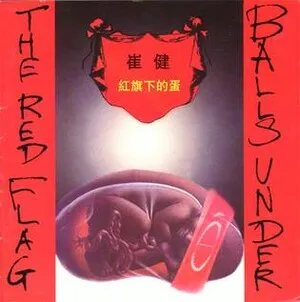
Balls Under the Red Flag 红旗下的蛋
Cui Jian 崔健
Jazz Rock
Alternative Rock
Progressive Rock
1989
3
/5
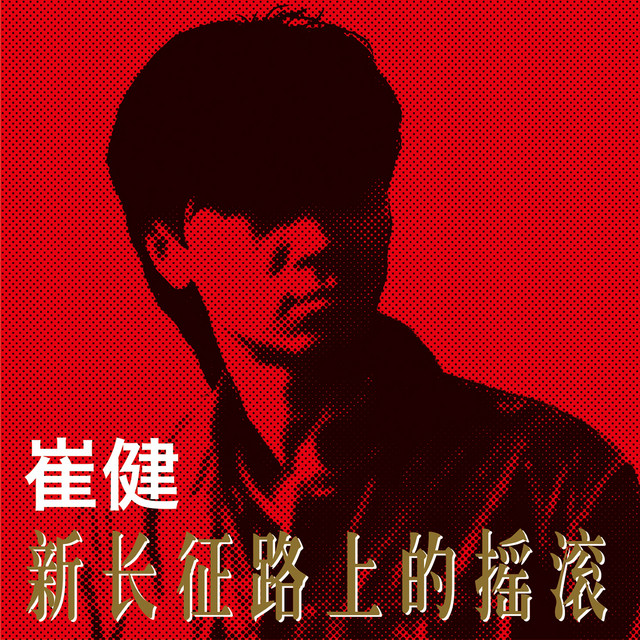
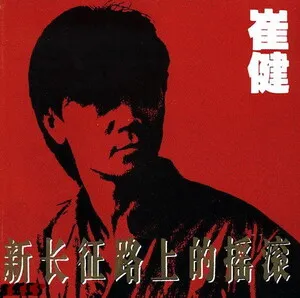
Rock 'n' Roll on the New Long March 新长征路上的摇滚
Cui Jian 崔健
Xibei Feng
New Wave
Rock
Similar artists
1
/5
Various Artists
Afro-Funk
Alternative Rock
Ambient
3
/5
Cheer Chen
C-Pop
Mandopop
Singer-Songwriter
4
/5
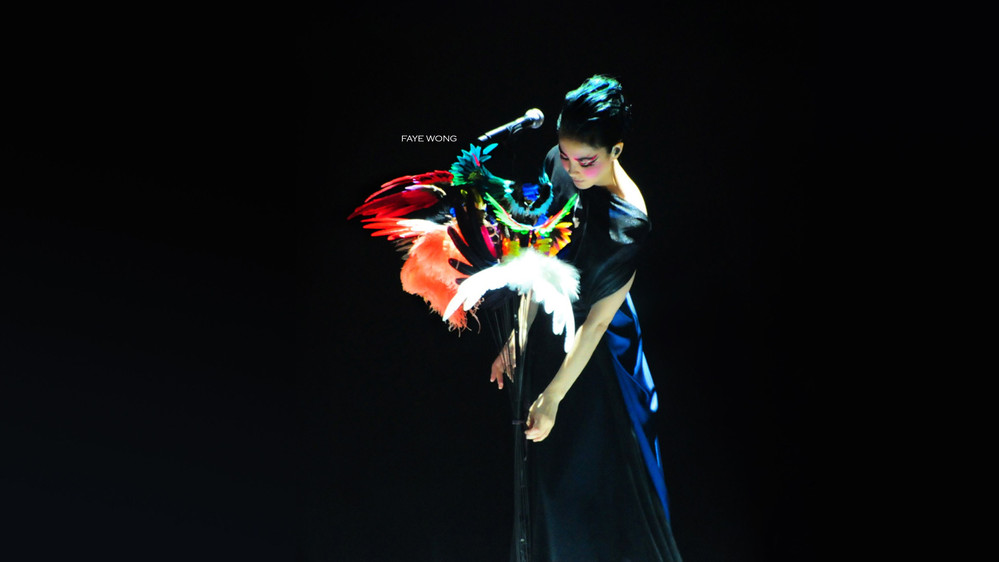
Faye Wong
C-Pop
Cantopop
Mandopop
4
/5
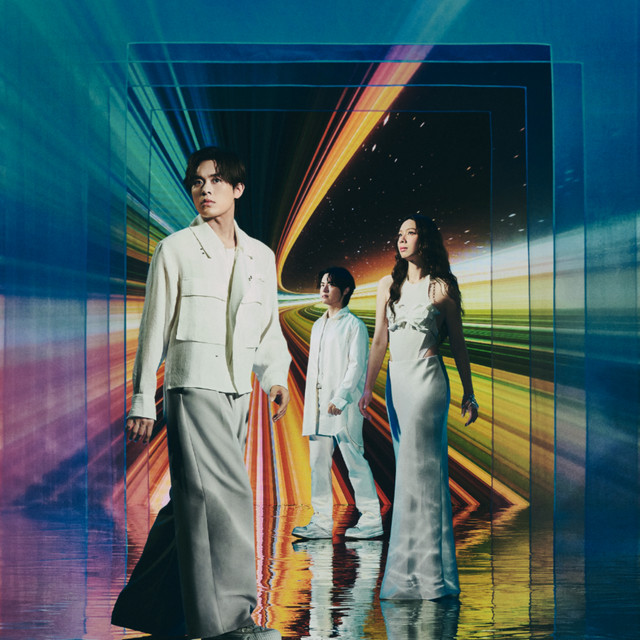
Zhang Zhen Yue
C-Pop
Chinese Indie
Chinese Rock
4
/5
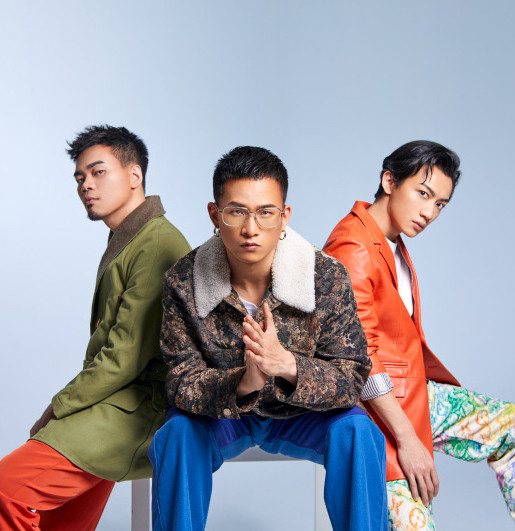
告五人
Chinese Rock
Chinese Indie
Taiwanese Indie
3
/5
EggPlantEgg
Chinese Rock
Taiwanese Indie
Chinese Indie
3
/5
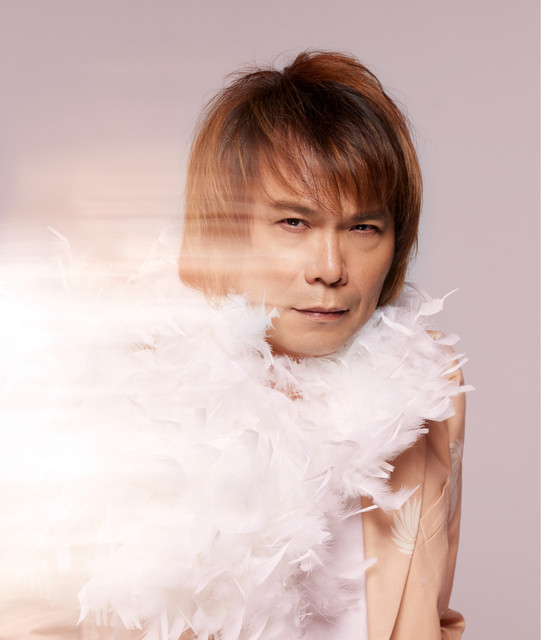
Wu Bai
C-Pop
Chinese Indie
Chinese Rock
3
/5
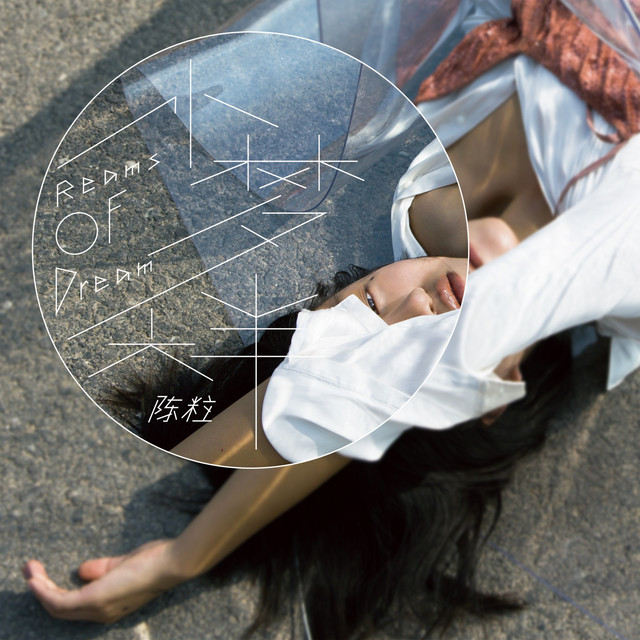
陳粒
C-Pop
Chinese Indie
Chinese Rock
3
/5
宋冬野
C-Pop
Chinese Indie
Chinese Rock
3
/5
Zhao Lei
C-Pop
Chinese Indie
Chinese Rock
Download our mobile app
Get the Melodigging app and start digging for new genres on the go
Download on the App Store
Get it on Google Play
© 2026 Melodigging
Give feedback
Legal
Melodding was created as a tribute to
Every Noise at Once
, which inspired us to help curious minds keep digging into music's ever-evolving genres.