Genres
Artists
Albums
Make Music
Sign in
Sign in
Artists
C-Pop
Artists
C-Pop
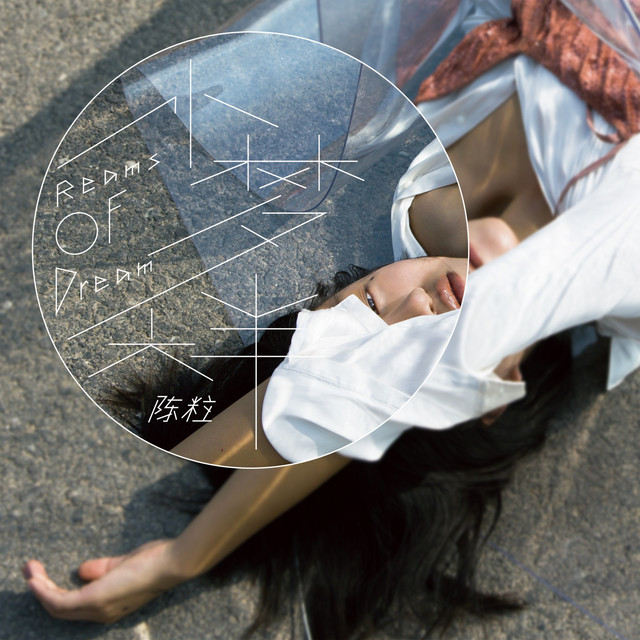
陳粒
Listen
3
/5
Genres
Small Room
Small room is a contemporary micro‑genre that sits near bedroom pop and intimate indie folk, defined by hushed, close‑miked vocals, minimal arrangements, and soft dynamics. Its recordings emphasize the natural, dry sound of a single space—often literally a small room—creating an intimate, confessional atmosphere. Typical instrumentations include gentle acoustic or clean electric guitar, soft piano, understated electronic drums, and airy pads or lo‑fi textures. Tempos are moderate to slow, harmonic movement is simple and diatonic, and lyrics focus on introspection, relationships, and everyday detail. The overall aesthetic privileges understatement, warmth, and proximity, as if the artist were singing a private demo directly to the listener.
Discover
Listen
Indie Folk
Indie folk blends the DIY ethos and sonic aesthetics of independent rock with the acoustic instrumentation, intimate storytelling, and melodic simplicity of traditional folk. Timbres are typically warm and organic—fingerpicked acoustic guitars, close-mic’d vocals, subtle percussion, and spare ornamentation from banjo, mandolin, harmonium, or strings. Production often favors natural room ambiance, tape hiss, and gentle compression over glossy polish, creating a sense of proximity and emotional candor. Lyrically, the style is reflective and poetic, focusing on personal narratives, place, nature, spirituality, and memory. Harmony tends to be diatonic and modal, with drones, open tunings, and layered vocal harmonies adding depth. While understated, arrangements can scale into lush, choir-like textures and chamber-folk swells, balancing fragility with grandeur.
Discover
Listen
Chinese Indie
Chinese indie is a broad umbrella for independent rock and pop made in Mainland China outside the mainstream Mandopop industry. It ranges from jangly guitar pop and lo‑fi singer‑songwriter to post‑punk, shoegaze, and experimental rock. Formed around DIY venues, small labels, and online communities, the scene emphasizes artistic autonomy, local identity, and lyrics in Mandarin (and regional languages) that reflect urban life, youth alienation, social change, and tender nostalgia. Sonic markers include guitar-driven textures (from clean jangle to fuzz walls), steady post‑punk grooves, dreamy reverb, and occasional use of Chinese modal inflections within Western song forms. Beijing and later Shanghai, Chengdu, Wuhan, and Xi’an became hubs, with labels like Modern Sky and Maybe Mars, and livehouses such as D‑22 and School Bar anchoring a culture of self‑released records, zines, and festivals.
Discover
Listen
Taiwanese Indie
Taiwanese indie is a broad, grassroots-driven scene that blends global indie rock/pop aesthetics with local languages, histories, and urban experience. It ranges from jangly guitar bands and dreamy shoegaze/dream pop, to math-rock intricacy, post-rock expansiveness, and a warm city-pop revival sheen. Lyrics often alternate between Mandarin, Taiwanese Hokkien, Hakka, and English, reflecting Taiwan’s plural identity and everyday life. The sound is typically melodic and atmospheric, balancing DIY intimacy with increasingly polished studio craft and a strong live culture centered on festivals and small venues.
Discover
Listen
Alternative Folk
Alternative folk (often overlapping with “indie folk”) blends the songwriting traditions and acoustic instrumentation of folk with the aesthetics, independence, and experimentation of indie/alternative rock. Emerging in the 1990s from indie rock circles, it favors intimate vocals, fingerpicked guitars, lo‑fi or modest studio production, and lyrical introspection. Artists frequently add non‑traditional folk colors—subtle electronics, chamber strings, or post‑rock dynamics—while retaining a rootsy, song‑first approach. The result is a style that sounds warm, personal, and contemporary, yet grounded in classic folk sensibilities.
Discover
Listen
Chinese Rock
Chinese rock is the umbrella term for rock music created by bands and solo artists from Mainland China. It emerged in the 1980s during the era often called the New Enlightenment, when intellectual and cultural life reopened after the Cultural Revolution. Defined by an anti-traditional, dissenting stance, Chinese rock has long been associated with challenging mainstream ideology, the commercial establishment, and cultural hegemony. Musically, it fuses Western rock idioms (from classic rock to punk, new wave, and post-punk) with Chinese melodic sensibilities, language, and—at times—traditional instruments and pentatonic inflections.
Discover
Listen
Singer-Songwriter
Singer-songwriter is a song-focused style in which the same person writes, composes, and performs their own material, often accompanying themselves on acoustic guitar or piano. It emphasizes personal voice, lyrical intimacy, and storytelling over elaborate production. Arrangements are typically sparse, allowing the melody, words, and performance nuance to carry the song’s emotional weight. While rooted in folk and blues traditions, singer-songwriter embraces pop and rock songcraft, producing works that can range from quiet confessional ballads to subtly orchestrated, radio-ready pieces.
Discover
Listen
C-Pop
C-pop (Chinese popular music) is an umbrella term for contemporary popular music sung primarily in Chinese languages, especially Mandarin and Cantonese, and produced across Mainland China, Hong Kong, Taiwan, and the wider Chinese diaspora. It encompasses well-known streams such as Mandopop and Cantopop while also including works in Hokkien and other Sinitic varieties. Stylistically, C-pop blends Western pop, R&B, hip hop, rock, and electronic production with Chinese melodic sensibilities and traditional timbres. Hallmarks include memorable vocal-centric hooks, lyric-driven ballads, polished dance-pop, and frequent incorporation of pentatonic flavors and traditional instruments alongside modern synths and drums. C-pop is culturally influential across East and Southeast Asia, with stars whose appeal rests on both musical craft and multimedia presence (film/TV, variety shows, social platforms).
Discover
Listen
Mandopop
Mandopop (Mandarin popular music) is the Mandarin-language branch of Chinese popular music, built on songcraft that blends Western pop forms with Chinese melodic aesthetics and lyric sensibilities. It favors strong vocal melodies, polished production, and emotionally direct lyrics, ranging from lush romantic ballads to sleek R&B, dance-pop, and band-driven pop-rock. Because Mandarin is a tonal language, phrasing and melodic contour are crafted to respect word tones while remaining singable and memorable. Historically centered in Shanghai’s pre-war Shidaiqu era, Mandopop later flourished in Taiwan and Hong Kong and now thrives across Mainland China, Singapore, Malaysia, and the global Chinese diaspora. It is both a mass-market mainstream and a platform for singer-songwriters who continually fuse local idioms with global pop trends.
Discover
Listen
Show all 9 genres
Similar artists
4
/5
Zhang Zhen Yue
C-Pop
Chinese Indie
Chinese Rock
4
/5
告五人
Chinese Rock
Chinese Indie
Taiwanese Indie
3
/5
EggPlantEgg
Chinese Rock
Taiwanese Indie
Chinese Indie
3
/5
Wu Bai
C-Pop
Chinese Indie
Chinese Rock
3
/5
宋冬野
C-Pop
Chinese Indie
Chinese Rock
3
/5
TRASH
Chinese Indie
Chinese Rock
Taiwanese Indie
3
/5
小男孩樂團
C-Pop
Chinese Indie
Chinese Rock
3
/5
郭顶
C-Pop
Chinese Indie
Chinese Rock
3
/5
Naiwen Yang
C-Pop
Chinese Indie
Chinese Rock
3
/5
回春丹
C-Pop
Cantopop
Chinese Indie
Download our mobile app
Get the Melodigging app and start digging for new genres on the go
Download on the App Store
Get it on Google Play
© 2026 Melodigging
Give feedback
Legal
Melodding was created as a tribute to
Every Noise at Once
, which inspired us to help curious minds keep digging into music's ever-evolving genres.