Your digging level
Description
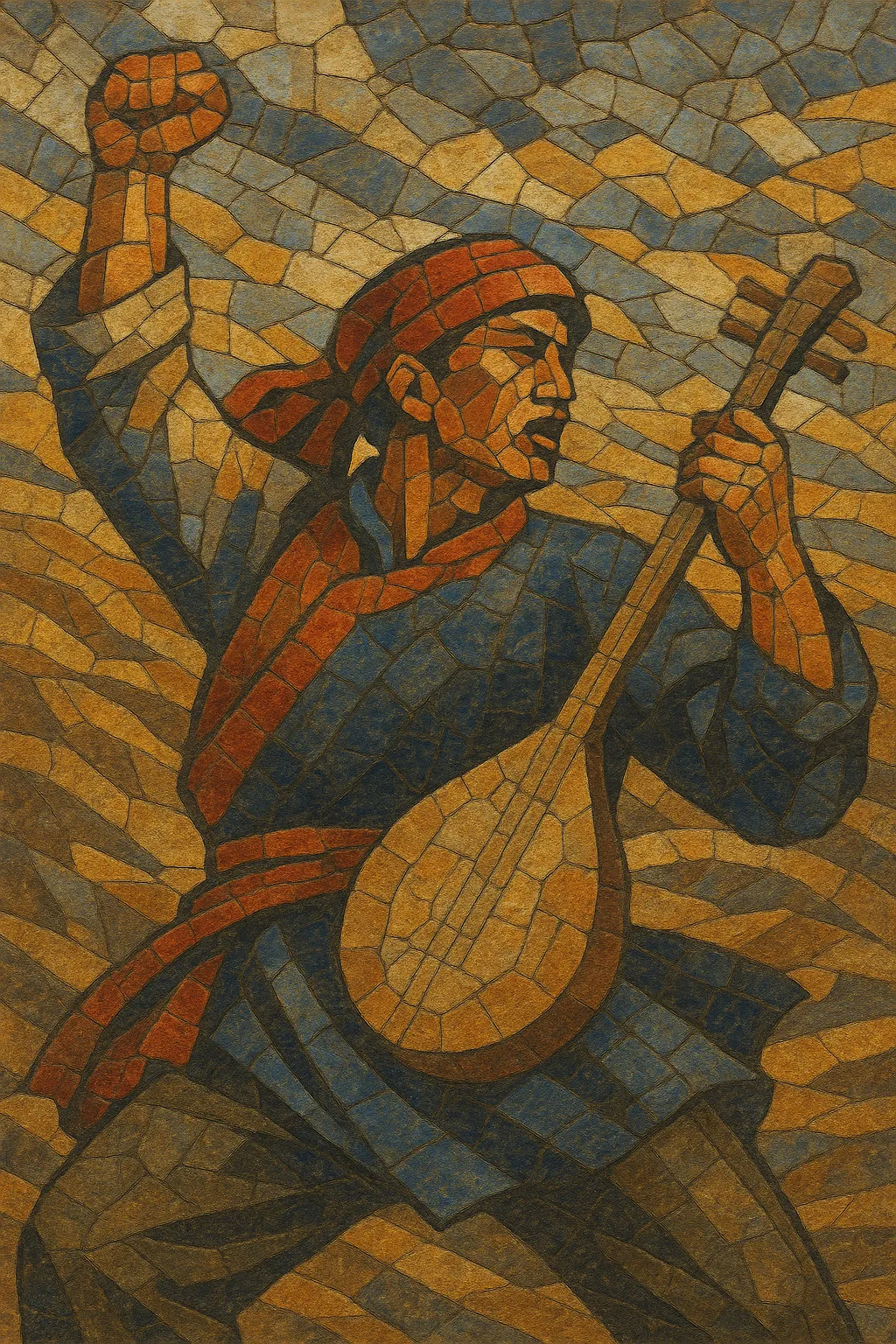
Xibei feng (西北风, "Northwest Wind") is a late‑1980s Mandarin pop/folk‑rock trend that drew its core identity from the folk singing traditions of China’s northwest—especially xintianyou field songs, hua’er vocal music, and the timbres and declamation of Qinqiang opera.
Musically, it fuses pentatonic, open‑throated melodies and hoarse, chest‑voice projection with marching, galloping backbeats and rock‑leaning accompaniment. Lyrically it celebrates the vastness of the Loess Plateau and the Yellow River, rural pride, endurance, and straightforward, collective optimism.
In China’s popular‑music timeline, xibei feng served as an important bridge between conservatory/folk repertoire and the emerging rock and Mandopop mainstream, normalizing earthy regional color, big choruses, and a bold, heroic vocal presence in national pop.
History
Xibei feng emerged as China’s mass media opened to new sounds in the reform era. Producers and singers adapted Northwestern folk idioms—xintianyou’s free, high tessitura and hua’er’s call‑and‑response—into radio‑friendly songs. The sound emphasized pentatonic melodies, chest‑voice belts, and a wind‑swept, heroic affect.
By the late 1980s the style spread via television galas, cassette culture, and touring song‑and‑dance troupes. Its rugged rhythms and earnest, collective choruses resonated with a rapidly urbanizing audience that still identified with rural imagery (Loess Plateau, Yellow River, caravans, grasslands). Arrangers increasingly added drum kits, electric bass, and synthesizers, moving the idiom toward folk‑rock and pop.
Xibei feng helped legitimize non‑ballad intensity and regional color in national pop. Its belt‑heavy vocals and driving beats smoothed the path for the early 1990s Beijing rock wave and for later Mandopop that incorporated "Chinese‑style" folk motifs. The genre’s staging—big choruses, unison shouts, and drum‑led climaxes—also influenced arena‑scale production aesthetics.
Although its chart dominance waned in the 1990s, xibei feng’s DNA persists: rock and pop artists continue to reference Northwestern melodic turns, heroic vocal placement, and imagery of vast landscapes. Contemporary folk‑rock and "Zhongguo feng" pop periodically revive its textures with modern production.