Genres
Artists
Albums
Make Music
Sign in
Sign in
Artists
C-Pop
Artists
C-Pop
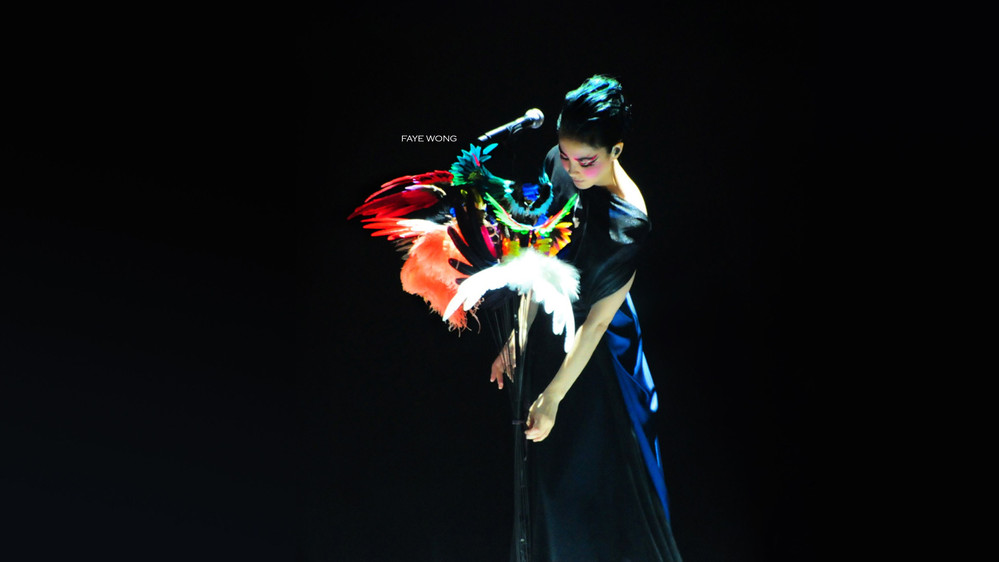
Faye Wong
1989–2025
·
18 albums
Listen
4
/5
Genres
Chinese Viral Pop
Chinese viral pop is contemporary Chinese‑language pop music engineered for discovery and rapid spread on short‑video and streaming platforms such as Douyin (TikTok in China), Kuaishou, Bilibili, and later global TikTok. It blends mainstream Mandopop songwriting with ultra‑catchy, immediately memorable hooks, short intros, simple harmonic progressions, and production choices that suit phone speakers (bright vocals, forward mids, compressed low‑end). Producers often borrow from trap, EDM, electropop, lo‑fi/bedroom pop aesthetics, and occasionally retro city‑pop colors, while some tracks incorporate "guofeng" (traditional Chinese timbres like guzheng/erhu) for a culturally distinctive hook. Beyond sound, the genre is defined by platform‑native behaviors: sped‑up/slowed edits, loop‑friendly pre‑choruses, dance/meme cues, and lyrics that are relatable and quote‑able, optimized for 10–30 second clips.
Discover
Listen
Sinogaze
Sinogaze is a portmanteau of "Sino" and "shoegaze," used for Chinese‑language shoegaze and dream‑pop that flourished across Mainland China, Hong Kong, and Taiwan. It blends the classic shoegaze palette—swells of overdriven and modulated guitars, hazy textures, and soft, breathy vocals buried in the mix—with melodic sensibilities drawn from Mandopop/Cantopop and local indie traditions. Lyrics are usually in Mandarin or Cantonese, and often trace urban youth life, nocturnal cityscapes, wistfulness, and fragile romance. Production favors saturated reverb and delay, chorus/flanger shimmer, and a floating rhythmic feel that leans toward dream pop while still embracing noise pop crescendos. The result is a distinctly East Asian take on shoegaze: lush, gauzy, and sentimental, but also DIY, city‑rooted, and modern.
Discover
Listen
Chinese Indie
Chinese indie is a broad umbrella for independent rock and pop made in Mainland China outside the mainstream Mandopop industry. It ranges from jangly guitar pop and lo‑fi singer‑songwriter to post‑punk, shoegaze, and experimental rock. Formed around DIY venues, small labels, and online communities, the scene emphasizes artistic autonomy, local identity, and lyrics in Mandarin (and regional languages) that reflect urban life, youth alienation, social change, and tender nostalgia. Sonic markers include guitar-driven textures (from clean jangle to fuzz walls), steady post‑punk grooves, dreamy reverb, and occasional use of Chinese modal inflections within Western song forms. Beijing and later Shanghai, Chengdu, Wuhan, and Xi’an became hubs, with labels like Modern Sky and Maybe Mars, and livehouses such as D‑22 and School Bar anchoring a culture of self‑released records, zines, and festivals.
Discover
Listen
Chamber Pop
Chamber pop is a style of pop that integrates small-ensemble, orchestral colors—strings, woodwinds, brass, harp, and occasionally harpsichord—into intimate, melodically driven songwriting. It favors sophisticated harmony, counterpoint, and meticulous arrangements over rock bombast, drawing on the poise of classical chamber music and the tunefulness of classic pop. The result is lush yet restrained: gentle dynamics, carefully layered timbres, and literate, often reflective lyrics that foreground storytelling and mood.
Discover
Listen
Dream Pop
Dream pop is a subgenre of alternative and indie rock that emphasizes atmosphere, texture, and mood over traditional rock dynamics. It is characterized by shimmering, reverb-laden guitars, soft and often breathy vocals, steady but subdued rhythms, and lush harmonic beds created with chorus, delay, and ambient-style processing. Rather than building around riffs or virtuosity, dream pop prioritizes hypnotic repetition, impressionistic lyrics, and a sense of weightless drift, frequently drawing on neo-psychedelia and ambient aesthetics. Its canonical sound coalesced in the mid-1980s (especially around the 4AD label), and later intersected with and helped seed shoegaze and many subsequent bedroom- and internet-era pop styles.
Discover
Listen
Alternative Rock
Alternative rock is a broad umbrella for guitar-based rock that emerged from the independent and college-radio scenes as a counterpoint to mainstream, commercial rock. It blends the energy and ethos of punk with the textural and songwriting experiments of post-punk, new wave, jangle pop, and noise rock, often foregrounding introspective or socially aware lyrics. Across its many strains—from the melodic minimalism of college rock to the loud-quiet-loud dynamics of grunge and the artful experimentation of Radiohead-era modernism—alternative rock prioritizes authenticity, sonic individuality, and a do-it-yourself approach. Its sound ranges from chiming, chorus-laden clean guitars to abrasive distortion and feedback, supported by straightforward rock rhythms or off-kilter grooves, and production that can be either raw and live-sounding or polished yet unconventional.
Discover
Listen
Indie Rock
Indie rock is a subgenre of rock and a branch of alternative rock that coalesced in the early–mid 1980s around independent labels and DIY practices in the United Kingdom, the United States, and New Zealand. Defined less by a single sound than by an ethos, indie rock favors non‑mainstream approaches, self‑recording and small‑label distribution, and an interest in pop‑informed melody and eclectic experimentation. Hallmarks include jangly or fuzzed guitars, intimate or deadpan vocals, off‑kilter song structures, and production that often preserves a raw, “authentic” feel rather than glossy studio polish.
Discover
Listen
Cantopop
Cantopop (Cantonese pop) is a Hong Kong–born branch of Chinese-language popular music sung primarily in Cantonese. It blends Western pop songwriting and production with local lyrical sensibilities, drawing early inspiration from shidaiqu, film/TV themes, disco, soft rock, synth-pop, and later R&B and hip hop. Stylistically, it favors hook-forward melodies, polished arrangements, emotive ballads, and mid‑ to uptempo dance tracks. Lyrics often center on romance, urban life, and identity, typically crafted with careful attention to the tones and rhythms of spoken Cantonese. The genre enjoyed a regional golden age in the 1980s–1990s and continues to evolve through contemporary pop, indie, and crossover influences.
Discover
Listen
Taiwanese Pop
Taiwanese pop is the broad umbrella for popular music created in Taiwan, spanning Mandarin (Mandopop) and Taiwanese Hokkien (Taiyu) repertoires, with contributions in Hakka and Indigenous languages. It blends the melodic lineage of early Chinese shidaiqu, Japanese kayōkyoku/idol aesthetics, and Western pop-rock, R&B, hip hop, and synth-driven production. The result is a polished, hook-forward sound that ranges from intimate folk-pop ballads to stadium-sized rock and dance-pop. Beyond style, Taiwanese pop is defined by its songwriting craft, emotive vocals, and karaoke-friendly choruses. Its industry infrastructure—iconic labels, variety TV, and cross-strait distribution—helped make Taipei a major hub for Chinese-language popular music across East and Southeast Asia.
Discover
Listen
Adult Contemporary
Adult contemporary (AC) is a radio-driven pop style characterized by smooth vocals, polished production, and lyric themes that speak to adult listeners—love, family, reflection, and everyday life. Musically, it emphasizes mid‑tempo grooves and ballads, clear melodies, and accessible harmonies, often arranged for piano, acoustic or clean electric guitars, light drums, bass, and tasteful string or synth pads. The sound favors warmth and clarity over aggression, with a strong focus on memorable choruses and emotive vocal performances. As a format and a repertoire, adult contemporary bridges soft rock, pop balladry, and easy listening, adapting with each decade while maintaining radio-friendly songwriting and production values.
Discover
Listen
Pop
Pop is a broad, hook-driven style of popular music designed for wide appeal. It emphasizes memorable melodies, concise song structures, polished vocals, and production intended for radio, charts, and mass media. While pop continually absorbs elements from other styles, its core remains singable choruses, accessible harmonies, and rhythmic clarity. Typical forms include verse–pre-chorus–chorus, frequent use of bridges and middle-eights, and ear-catching intros and outros. Pop is not defined by a single instrumentation. It flexibly incorporates acoustic and electric instruments, drum machines, synthesizers, and increasingly digital production techniques, always in service of the song and the hook.
Discover
Listen
Rock
Rock is a broad family of popular music centered on amplified instruments, a strong backbeat, and song forms that foreground riffs, choruses, and anthemic hooks. Emerging from mid‑20th‑century American styles like rhythm & blues, country, and gospel-inflected rock and roll, rock quickly expanded in scope—absorbing folk, blues, and psychedelic ideas—while shaping global youth culture. Core sonic markers include electric guitar (often overdriven), electric bass, drum kit emphasizing beats 2 and 4, and emotive lead vocals. Rock songs commonly use verse–chorus structures, blues-derived harmony, and memorable melodic motifs, ranging from intimate ballads to high‑energy, stadium‑sized performances.
Discover
Listen
C-Pop
C-pop (Chinese popular music) is an umbrella term for contemporary popular music sung primarily in Chinese languages, especially Mandarin and Cantonese, and produced across Mainland China, Hong Kong, Taiwan, and the wider Chinese diaspora. It encompasses well-known streams such as Mandopop and Cantopop while also including works in Hokkien and other Sinitic varieties. Stylistically, C-pop blends Western pop, R&B, hip hop, rock, and electronic production with Chinese melodic sensibilities and traditional timbres. Hallmarks include memorable vocal-centric hooks, lyric-driven ballads, polished dance-pop, and frequent incorporation of pentatonic flavors and traditional instruments alongside modern synths and drums. C-pop is culturally influential across East and Southeast Asia, with stars whose appeal rests on both musical craft and multimedia presence (film/TV, variety shows, social platforms).
Discover
Listen
Mandopop
Mandopop (Mandarin popular music) is the Mandarin-language branch of Chinese popular music, built on songcraft that blends Western pop forms with Chinese melodic aesthetics and lyric sensibilities. It favors strong vocal melodies, polished production, and emotionally direct lyrics, ranging from lush romantic ballads to sleek R&B, dance-pop, and band-driven pop-rock. Because Mandarin is a tonal language, phrasing and melodic contour are crafted to respect word tones while remaining singable and memorable. Historically centered in Shanghai’s pre-war Shidaiqu era, Mandopop later flourished in Taiwan and Hong Kong and now thrives across Mainland China, Singapore, Malaysia, and the global Chinese diaspora. It is both a mass-market mainstream and a platform for singer-songwriters who continually fuse local idioms with global pop trends.
Discover
Listen
Electronic
Electronic is a broad umbrella genre defined by the primary use of electronically generated or electronically processed sound. It encompasses music made with synthesizers, drum machines, samplers, computers, and studio/tape techniques, as well as electroacoustic manipulation of recorded or synthetic sources. The genre ranges from academic and experimental traditions to popular and dance-oriented forms. While its sonic palette is rooted in electricity and circuitry, its aesthetics span minimal and textural explorations, structured song forms, and beat-driven club permutations. Electronic emphasizes sound design, timbre, and studio-as-instrument practices as much as melody and harmony.
Discover
Listen
Ballad
A ballad is a narrative song form that tells a story in simple, singable stanzas, traditionally using quatrains in ballad meter (alternating lines of iambic tetrameter and trimeter with an ABCB rhyme scheme). Ballads typically recount dramatic events—love, betrayal, tragedy, murder, the supernatural—or notable historical incidents. Early ballads were often sung unaccompanied or with minimal accompaniment, carried by memorable, modal melodies and refrains that aided oral transmission. Over time, the term also came to describe slow, sentimental popular songs in the 20th century, but the core of the genre remains the storytelling focus and strophic, easily learned structure. Ballads are central to the English- and Scots-language folk traditions, migrated to North America where they flourished in Appalachian singing, and continue to be performed, adapted, and reinterpreted in contemporary folk and roots scenes.
Discover
Listen
Show all 16 genres
Albums
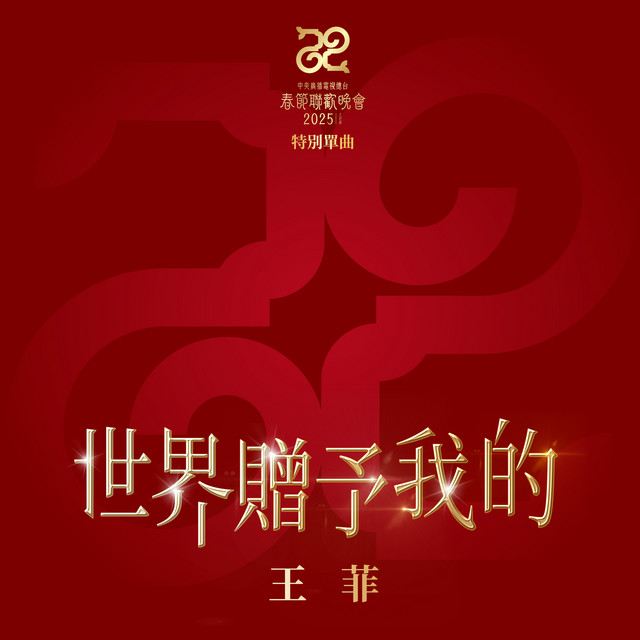
2025
3
/5
世界贈予我的
Faye Wong
Chinese Indie
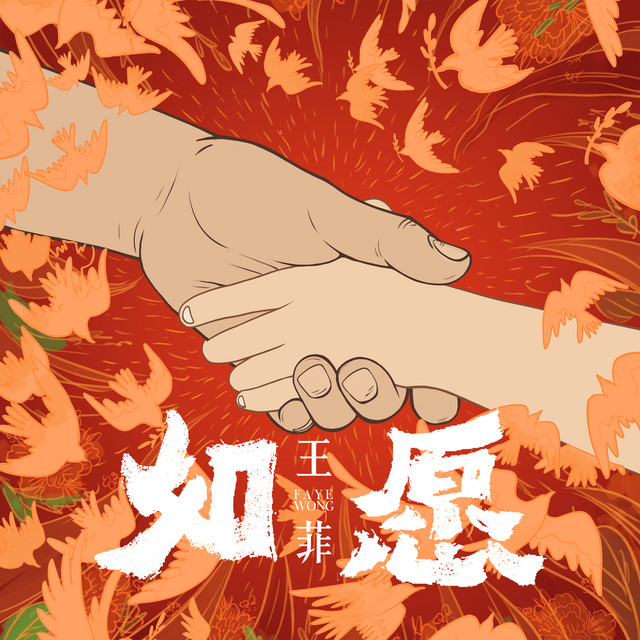
2021
3
/5
如愿
Faye Wong
Chinese Indie
Cantopop
Taiwanese Pop
2014
3
/5
匆匆那年
Faye Wong
Chinese Indie
2003
3
/5
Jiāng ài 將愛
Faye Wong 王菲
C-Pop
Mandopop
2000
3
/5
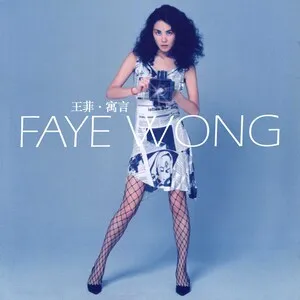
Yùyán 寓言
Faye Wong 王菲
C-Pop
Mandopop
Chamber Pop
1999
3
/5
Zhǐ ài mòshēng rén 只愛陌生人
Faye Wong 王菲
C-Pop
Mandopop
1998
3
/5
Chàngyóu 唱遊
Faye Wong 王菲
C-Pop
Mandopop
1997
3
/5
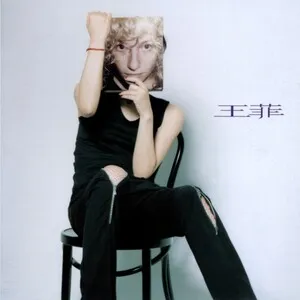
Wáng Fēi 王菲
Faye Wong 王菲
Mandopop
C-Pop
Alternative Rock
1996
3
/5
Fúzào 浮躁
Faye Wong 王菲
C-Pop
Mandopop
Dream Pop
1995
3
/5
Di-Dar
王菲 [Wɔŋ4 Fei1]
Cantopop
C-Pop
1995
3
/5
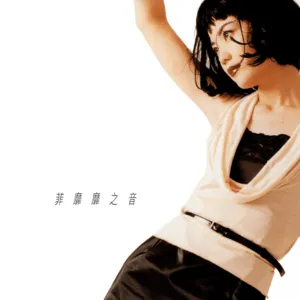
Fēi mímí zhī yīn 菲靡靡之音
Faye Wong 王菲
Adult Contemporary
Mandopop
C-Pop
1994
3
/5
Tou hou zi gei 討好自己
王靖雯
Cantopop
1994
3
/5
Wu si lyun seong 胡思亂想
Faye Wong 王菲
Cantopop
C-Pop
1994
3
/5
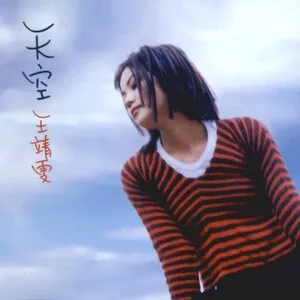
Tiānkōng 天空
王靖雯
Adult Contemporary
Mandopop
C-Pop
1993
3
/5
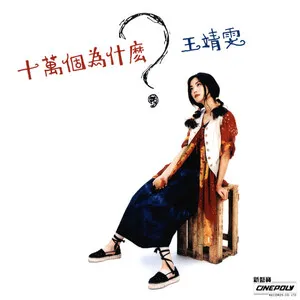
Sapmaan go waisammo? 十萬個為什麼?
王靖雯
Cantopop
1993
3
/5
Zap mai bat fui 執迷不悔
王靖雯
Cantopop
1992
3
/5
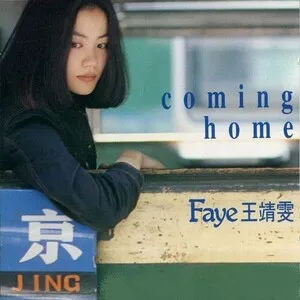
Coming Home
Faye 王靖雯
Cantopop
1989
2
/5
Shirley Wong 王靖雯
王靖雯
Cantopop
Ballad
Pop
Similar artists
4
/5
A-Mei Chang
Cantopop
C-Pop
Mandopop
3
/5
Chyi Yu
Mandopop
C-Pop
Campus Folk
3
/5
Leslie Cheung
Cantopop
C-Pop
Chinese Viral Pop
3
/5
Teresa Teng
Enka
Mandopop
C-Pop
3
/5
Joanna Wang
Mandopop
Chinese Indie
Chinese Viral Pop
3
/5
羅大佑
C-Pop
Campus Folk
Cantopop
3
/5
回春丹
C-Pop
Cantopop
Chinese Indie
3
/5
Yoyo Sham
C-Pop
Cantopop
Chinese Indie
2
/5
Bibi Zhou
C-Pop
Cantopop
Chinese Indie
4
/5
Crowd Lu
Chinese Indie
Taiwanese Indie
C-Pop
Download our mobile app
Get the Melodigging app and start digging for new genres on the go
Download on the App Store
Get it on Google Play
© 2026 Melodigging
Give feedback
Legal
Melodding was created as a tribute to
Every Noise at Once
, which inspired us to help curious minds keep digging into music's ever-evolving genres.