Genres
Artists
Albums
Make Music
Sign in
Sign in
Artists
Electrotango
Artists
Electrotango
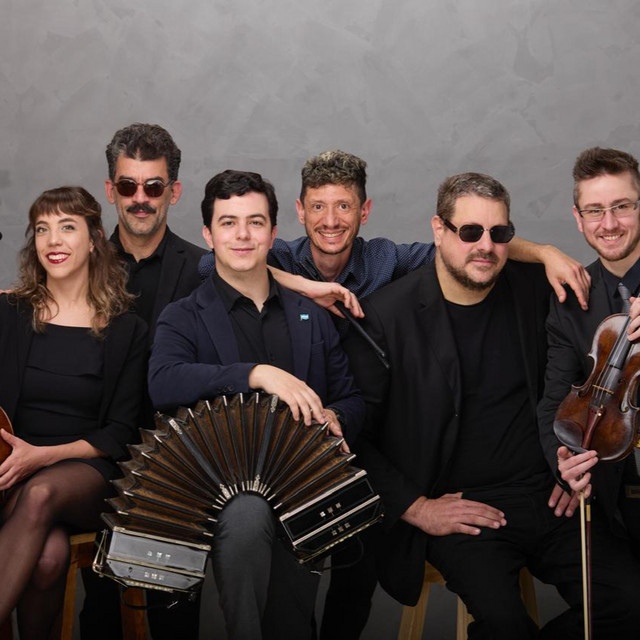
Tanghetto
2003–2013
·
9 albums
Listen
2
/5
Genres
Electrotango
Electrotango (often called tango electrónico) fuses the melodic drama, syncopated phrasing, and emblematic bandoneon timbre of Argentine tango with contemporary electronic production. Producers blend sampled or newly recorded tango ensembles (bandoneon, violin, piano, double bass, guitar) with downtempo, trip-hop, and house beats, warm analog-style bass lines, and ambient textures. Tempos commonly range from 90–120 BPM for lounge/downtempo contexts and up to 120–128 BPM for club-focused remixes. Core rhythmic cells include the tango’s 3–3–2 syncopation, habanera-derived grooves, and marcato patterns, while harmonies favor minor keys, chromatic lines, and bittersweet cadences that accentuate tango’s nostalgic and urban character.
Discover
Listen
Neotango
Neotango is a contemporary evolution of tango that fuses the genre’s characteristic milonga/habanera rhythms, bandoneón timbres, and dramatic phrasing with modern electronic production and global popular styles. In music, it often blends tango orchestration (bandoneón, piano, violin, double bass, vocals) with programmed beats, sampling, synth pads, and studio effects. As a dance culture, neotango is a global, living form that applies tango biomechanics and improvisational embrace to a broad palette of modern tracks recorded in the last few decades. This scene embraces experimentation in musical texture, DJ culture, and floorcraft while maintaining tango’s intimate partner-connection and phrasing.
Discover
Listen
Electronic
Electronic is a broad umbrella genre defined by the primary use of electronically generated or electronically processed sound. It encompasses music made with synthesizers, drum machines, samplers, computers, and studio/tape techniques, as well as electroacoustic manipulation of recorded or synthetic sources. The genre ranges from academic and experimental traditions to popular and dance-oriented forms. While its sonic palette is rooted in electricity and circuitry, its aesthetics span minimal and textural explorations, structured song forms, and beat-driven club permutations. Electronic emphasizes sound design, timbre, and studio-as-instrument practices as much as melody and harmony.
Discover
Listen
Tango
Tango is a song-and-dance music from the Río de la Plata region, crystallizing in Buenos Aires (Argentina) and Montevideo (Uruguay) in the late 19th century. It is characterized by a melancholic, dramatic tone; richly expressive melodies; and a distinctive rhythmic feel rooted in the habanera and milonga. Core ensembles feature bandoneón, violin(s), piano, double bass, and sometimes guitar, forming the famed orquesta típica. Across the 1920s–1950s it became a worldwide craze, moving from rough immigrant bars to grand salons and radio, developing highly sophisticated arranging and performance practices. Lyrics often employ lunfardo (Buenos Aires slang) and dwell on urban nostalgia, love, betrayal, and the neighborhood (el barrio). Note on terminology: in flamenco, “tangos” is a distinct palo (song form) with a lively 4/4 compás, often in A Phrygian, closely related in feeling to rumba flamenca. Although it shares the name and a spirited character, flamenco tangos is a different tradition from the Río de la Plata tango described above.
Discover
Listen
Candombe
Candombe is an Afro‑Uruguayan percussion tradition centered on the interplay of three barrel drums called tamboriles: chico (the high, time‑keeping drum), repique (the improvisatory, conversational drum), and piano (the deep, bass foundation). Played in a forward‑moving parade formation known as a cuerda de tambores, its groove is driven by a characteristic clave‑like timeline articulated on the shell (madera) and by the interlocking parts of the three drums. Beyond rhythm, candombe is a living cultural practice linked to Afro‑Uruguayan neighborhoods in Montevideo—especially Barrio Sur, Palermo, and Cordón—where comparsas (troupes) combine drummers, dancers, flag bearers, and emblematic characters (mamas viejas, gramilleros, and the escobero). While primarily percussive, modern song forms and fusions often add vocals, guitar, bass, and keyboards, projecting candombe into jazz, pop, and rock contexts while retaining its unmistakable swing and street‑parade energy.
Discover
Listen
Albums
2013
2
/5
Milonguero
ADN Proyecto Andino, Tanghetto, Tanghetto, 020, Tanghetto, Tanghetto, Tanghetto…
Neotango
2012
2
/5
The Best of Tanghetto (Deluxe Edition)
Tanghetto
Neotango
2009
2
/5
Mas Alla Del Sur
Tanghetto
Neotango
2008
2
/5
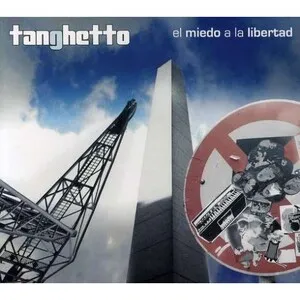
El miedo a la libertad
Tanghetto
Electrotango
2005
1
/5
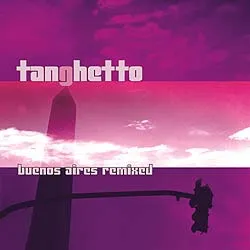
Buenos Aires Remixed
Tanghetto
Electrotango
2005
1
/5
Hybrid Tango
Hybrid Tango
Electrotango
Neotango
2003
2
/5
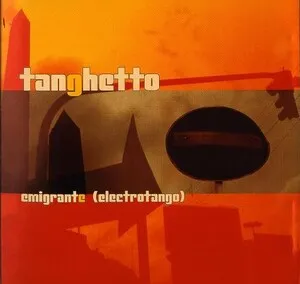
Emigrante (electrotango)
Tanghetto
Electrotango
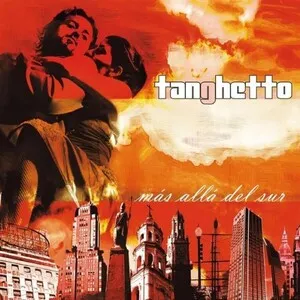
Más allá del sur
Tanghetto
Electrotango
Electrotango Sessions
Tanghetto
Electrotango
Similar artists
3
/5
Gotan Project
Neotango
Tango
Electronic
3
/5
Bajofondo
Neotango
Tango
Electrotango
2
/5
Otros Aires
Neotango
Nuevo Tango
Electrotango
2
/5
Carlos Libedinsky
Neotango
Electrotango
Tango
2
/5
Electrocutango
Neotango
Electrotango
Tango
3
/5
Hôtel Costes
Tango
Electronic
Electro-Jazz
2
/5
Color Tango
Candombe
Neotango
Tango
2
/5
Quartango
Candombe
Neotango
Tango
3
/5
Luciano Supervielle
Candombe
Tango
Electrotango
2
/5
Tango Jointz
Neotango
Tango
Electrotango
Download our mobile app
Get the Melodigging app and start digging for new genres on the go
Download on the App Store
Get it on Google Play
© 2026 Melodigging
Give feedback
Legal
Melodding was created as a tribute to
Every Noise at Once
, which inspired us to help curious minds keep digging into music's ever-evolving genres.