Genres
Artists
Albums
Make Music
Sign in
Sign in
Artists
Japanese Classical
Artists
Japanese Classical
Takashi Hirayasu & Bob Brozman
2000–2001
·
2 albums
Listen
1
/5
Genres
Min'yō
Min'yō refers to the diverse body of Japanese folk songs that arose from everyday life—work, festivals, travel, drinking gatherings, and lullabies—across regions of Japan. The songs are typically strophic, use local dialects, and often include onomatopoeic calls and interjections (kakegoe) such as “sore!” or “yoisho!” that energize group participation. Musically, min'yō commonly employs Japanese pentatonic scales—especially the anhemitonic yo scale and the hemitonic in-sen scale—with characteristic melismatic ornaments (kobushi), tight, bright vocal timbres, and flexible timing that respects ma (expressive space). Accompaniments are traditionally provided by shamisen, shinobue (transverse bamboo flute), shakuhachi, taiko and hand drums, and sometimes koto, with heterophonic textures rather than harmonic progressions. Stylistically, subtypes such as “-bushi” and “-ondo” reflect narrative vs. dance-oriented tendencies, respectively, with well-known regional examples like Soran-bushi (Hokkaidō), Tsugaru folk repertoire (Aomori), and Sado okesa (Niigata).
Discover
Listen
Okinawan Music
Okinawan music refers to the traditional and popular musical practices of the Ryukyu (Okinawa) islands, centered on the sanshin (a three‑stringed lute) and songs in Uchinaaguchi and other Ryukyuan languages. It blends courtly traditions from the Ryukyu Kingdom with village min'yō (folk songs), ritual chant, and later 20th‑century popular styles. Distinctive features include the Ryukyuan pentatonic scale (often heard as scale degrees 1–♭2–4–5–♭6), melismatic vocal lines, flexible rhythm, and heterophonic textures. Characteristic dances such as kachāshī (festive hand‑dance) and drum‑driven eisa are integral to the sound and performance context. In the modern era, artists have fused these roots with folk rock, pop, and worldbeat while retaining the sanshin’s timbre and island poetic imagery.
Discover
Listen
Ryukyuan Music
Ryukyuan music is the traditional music of the Ryukyu Islands (Okinawa, Amami, Miyako, Yaeyama), characterized by its distinctive pentatonic melodic language, island dialect lyrics, and the signature sound of the snakeskin-covered three‑string lute called the sanshin. It encompasses refined court repertoires (koten ongaku), narrative song, and a rich array of folk and dance genres (collectively shima‑uta), alongside powerful festival drumming traditions like eisa. Its timbre is immediately recognizable: nasal yet warm vocals ornamented with slides and a light, flexible vibrato, the dry plucked resonance of the sanshin, and supportive percussion from frame drums and hand instruments such as sanba castanets. Melodically, Ryukyuan songs favor pentatonic modes that omit certain scale degrees (often the 2nd and 6th), creating a bittersweet, floating quality. Songs range from intimate, contemplative ballads to exuberant dance pieces like kachāshī. Ryukyuan music developed at the crossroads of East and Southeast Asia through the maritime Ryukyu Kingdom. Court forms absorbed diplomatic and ritual influences from Chinese and Japanese traditions, while village songs preserved local dialects, call‑and‑response structures, and communal dance, yielding a living tradition that continues to inspire contemporary pop and world‑music fusions.
Discover
Listen
Japanese Classical
Japanese classical refers to the courtly, religious, theatrical, and chamber traditions that crystallized in Japan from the Nara and Heian periods onward. It encompasses Gagaku (imperial court music), Shinto ritual music (kagura), Buddhist chant (shōmyō), Noh and Kabuki repertories (e.g., nagauta, jōruri), and chamber music for koto, shamisen, and shakuhachi (sankyoku). The style emphasizes modal color (ryō and ritsu modes, along with later in/yo pentatonic variants), the dramatic architecture of jo–ha–kyū (slow introduction, development, swift conclusion), and the aesthetic of ma (meaningful silence/space). Textures are often heterophonic or layered, timbres are cultivated for breathy, reedy, and bell-like colors (e.g., shō, hichiriki, ryūteki), and rhythm can range from free-flowing chant to stately ceremonial cycles. The result is a contemplative yet ceremonially powerful sound world distinct from Western common-practice tonality.
Discover
Listen
Albums
2001
1
/5
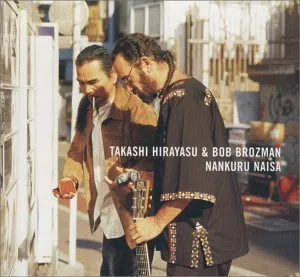
Nankuru Naisa
Takashi Hirayasu & Bob Brozman
Okinawan Music
Min'yō
2000
1
/5
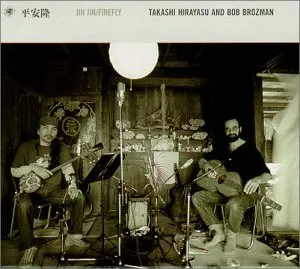
Jin Jin / Firefly
Takashi Hirayasu & Bob Brozman
Okinawan Music
Ryukyuan Music
Similar artists
2
/5
Seijin Noborikawa
Enka
Japanese Classical
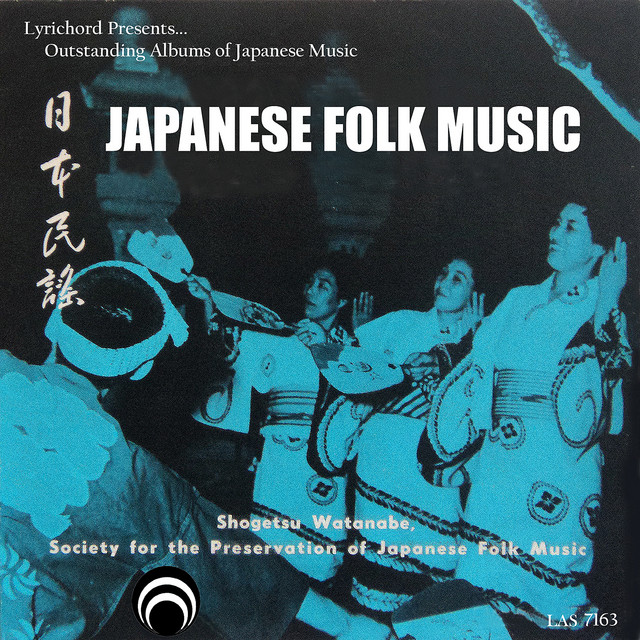
Japanese Folk Music
2
/5
大城美佐子
Min'yō
Okinawan Music
Ryukyuan Music
1
/5
平安隆
Traditional Folk
Min'yō
Okinawan Music
3
/5
BEGIN
Enka
J-Pop
Kayōkyoku
2
/5
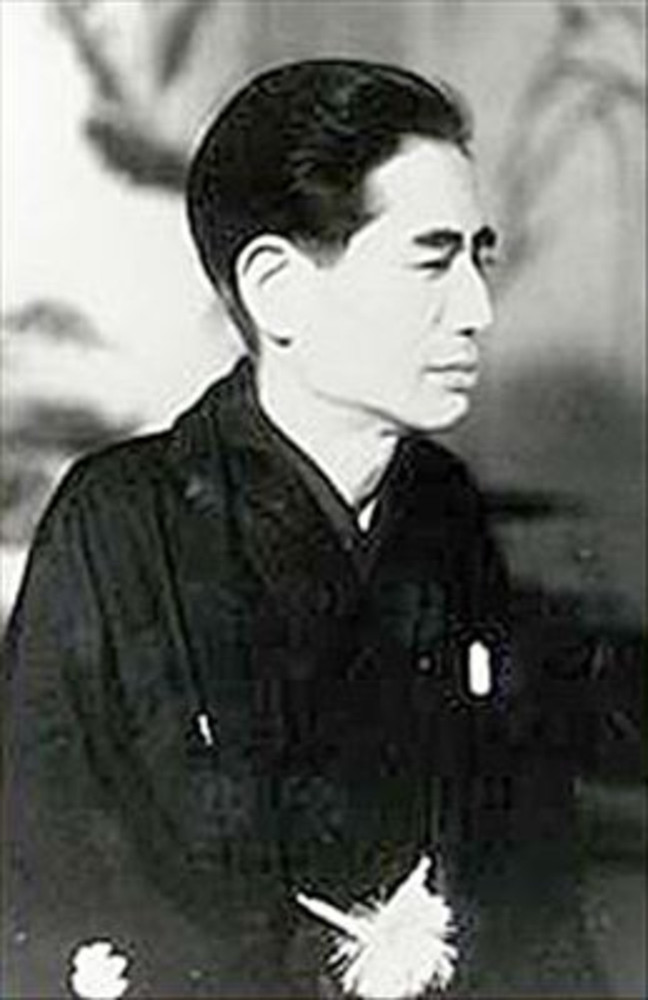
Michio Miyagi
Japanese Classical
Traditional Music
Danmono
2
/5
Kifu Mitsuhashi
Ryukyuan Music
Japanese Classical
Traditional Music
1
/5
山屋 清
Ryukyuan Music
Japanese Classical
Jazz-Funk
1
/5
Shogetsu Watanabe
Japanese Classical
Traditional Music
Min'yō
1
/5
Master Musicians of Ikuta-Ryu
Japanese Classical
Traditional Music
Japanese Folk Music
1
/5
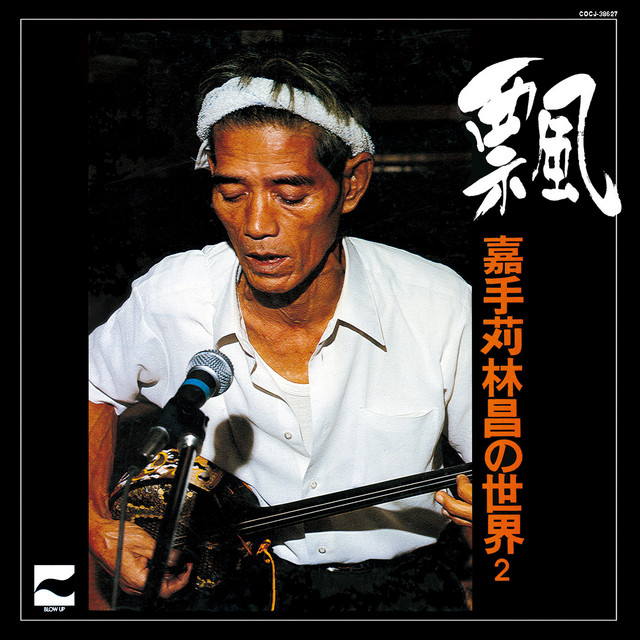
Rinsho Kadekaru
Min'yō
Okinawan Music
Download our mobile app
Get the Melodigging app and start digging for new genres on the go
Download on the App Store
Get it on Google Play
© 2026 Melodigging
Give feedback
Legal
Melodding was created as a tribute to
Every Noise at Once
, which inspired us to help curious minds keep digging into music's ever-evolving genres.