Genres
Artists
Albums
Make Music
Sign in
Sign in
Artists
Enka
Artists
Enka
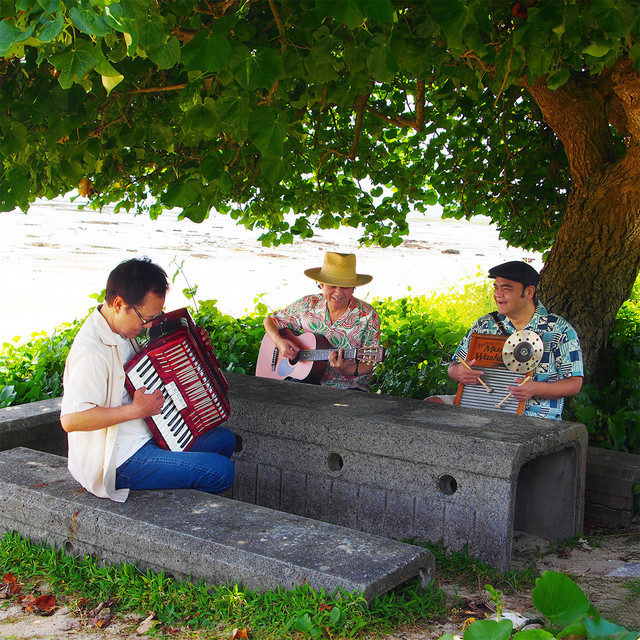
BEGIN
3 albums
Listen
3
/5
Genres
J-Pop
J-pop (Japanese pop) is a broad umbrella for mainstream Japanese popular music that blends Western pop/rock, dance, and R&B with distinctly Japanese songwriting, vocal delivery, and industry practices. It is characterized by strong hooks, polished production, bright synths and guitars, frequent key changes and modulatory bridges, and chorus-first or chorus-centric structures. J-pop spans idol groups, singer-songwriters, band-oriented pop-rock, electronic dance-pop, and R&B ballads, while remaining closely tied to television, advertising, video games, and anime tie-ins (anisong).
Discover
Listen
Enka
Enka is a Japanese popular song style known for its sentimental ballads, expressive vocals with wide vibrato, and dramatic, narrative delivery. It evokes nostalgia for hometowns, bygone eras, and lost love, often painting scenes of coastal ports, country roads, and seasonal landscapes. Musically, enka blends Western harmonic frameworks with Japanese melodic sensibilities. Melodies often use yonanuki (four-note-omission) major or minor pentatonic variants, creating a “traditional” Japanese color over simple, diatonic progressions. Arrangements favor lush strings, reverb-laden guitars, saxophone obbligatos, and occasional traditional timbres (shamisen or shakuhachi) for color. Culturally, enka rose to mass popularity during the postwar Shōwa era and remains tied to television variety shows, karaoke bars, and live theater venues. Its performance practice foregrounds pathos, rubato phrasing, and ornamental turns called kobushi.
Discover
Listen
Kayōkyoku
Kayōkyoku is a broad umbrella of Japanese popular song that dominated the nation’s mainstream from the prewar era through the 1980s, before the term J‑pop became prevalent. It blends Western popular idioms—such as jazz, swing, tango, and later rock and roll—with Japanese melodic sensibilities and lyric themes. Stylistically, kayōkyoku favors clear, memorable melodies, polished vocal delivery, and orchestral or big‑band arrangements. Its songs often use Western song forms (AABA or verse–chorus), while retaining a distinctly Japanese emotional tone rooted in nostalgia, romance, and everyday urban life.
Discover
Listen
Okinawan Music
Okinawan music refers to the traditional and popular musical practices of the Ryukyu (Okinawa) islands, centered on the sanshin (a three‑stringed lute) and songs in Uchinaaguchi and other Ryukyuan languages. It blends courtly traditions from the Ryukyu Kingdom with village min'yō (folk songs), ritual chant, and later 20th‑century popular styles. Distinctive features include the Ryukyuan pentatonic scale (often heard as scale degrees 1–♭2–4–5–♭6), melismatic vocal lines, flexible rhythm, and heterophonic textures. Characteristic dances such as kachāshī (festive hand‑dance) and drum‑driven eisa are integral to the sound and performance context. In the modern era, artists have fused these roots with folk rock, pop, and worldbeat while retaining the sanshin’s timbre and island poetic imagery.
Discover
Listen
Ryukyuan Music
Ryukyuan music is the traditional music of the Ryukyu Islands (Okinawa, Amami, Miyako, Yaeyama), characterized by its distinctive pentatonic melodic language, island dialect lyrics, and the signature sound of the snakeskin-covered three‑string lute called the sanshin. It encompasses refined court repertoires (koten ongaku), narrative song, and a rich array of folk and dance genres (collectively shima‑uta), alongside powerful festival drumming traditions like eisa. Its timbre is immediately recognizable: nasal yet warm vocals ornamented with slides and a light, flexible vibrato, the dry plucked resonance of the sanshin, and supportive percussion from frame drums and hand instruments such as sanba castanets. Melodically, Ryukyuan songs favor pentatonic modes that omit certain scale degrees (often the 2nd and 6th), creating a bittersweet, floating quality. Songs range from intimate, contemplative ballads to exuberant dance pieces like kachāshī. Ryukyuan music developed at the crossroads of East and Southeast Asia through the maritime Ryukyu Kingdom. Court forms absorbed diplomatic and ritual influences from Chinese and Japanese traditions, while village songs preserved local dialects, call‑and‑response structures, and communal dance, yielding a living tradition that continues to inspire contemporary pop and world‑music fusions.
Discover
Listen
Albums
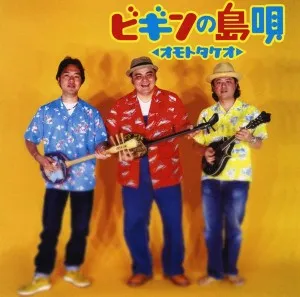
ビギンの島唄‐オモトタケオ‐ (BEGIN no Shimauta -Omototakeo-)
BEGIN
Okinawan Music
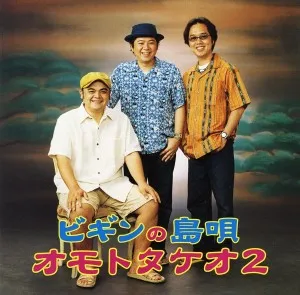
ビギンの島唄‐オモトタケオ2 (BEGIN no Shimauta - Omototakeo 2)
BEGIN
Okinawan Music
ビギンの島唄‐オモトタケオ2 (BEGIN no Shimauta - Omototakeo 2)
BEGIN
Ryukyuan Music
Similar artists
3
/5
Seiko Matsuda
Idol Kayō
City Pop
Enka
3
/5
Yumi Matsutoya
Enka
City Pop
J-Pop
3
/5
Akina Nakamori
Idol Kayō
Techno Kayō
Kayōkyoku
3
/5
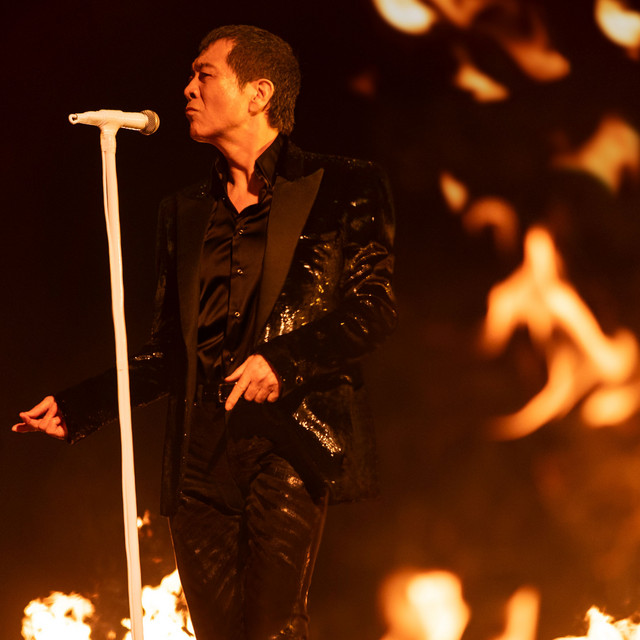
Shogo Hamada
Enka
J-Pop
Kayōkyoku
3
/5
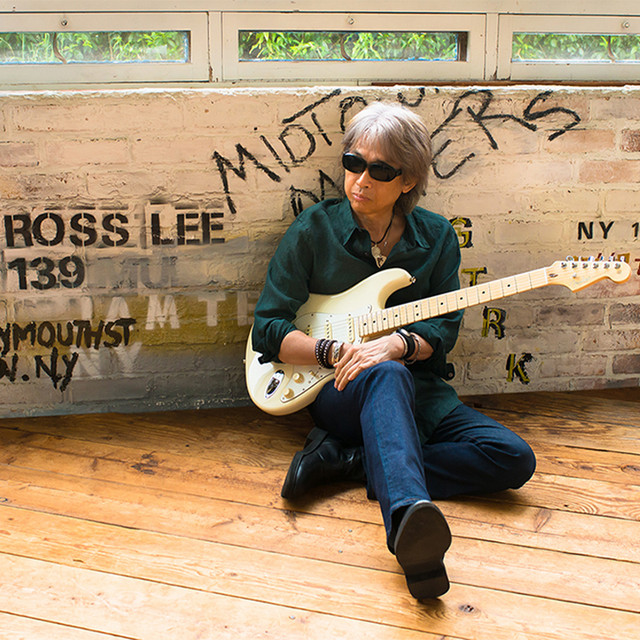
Eikichi Yazawa
Enka
J-Pop
J-Rock
3
/5
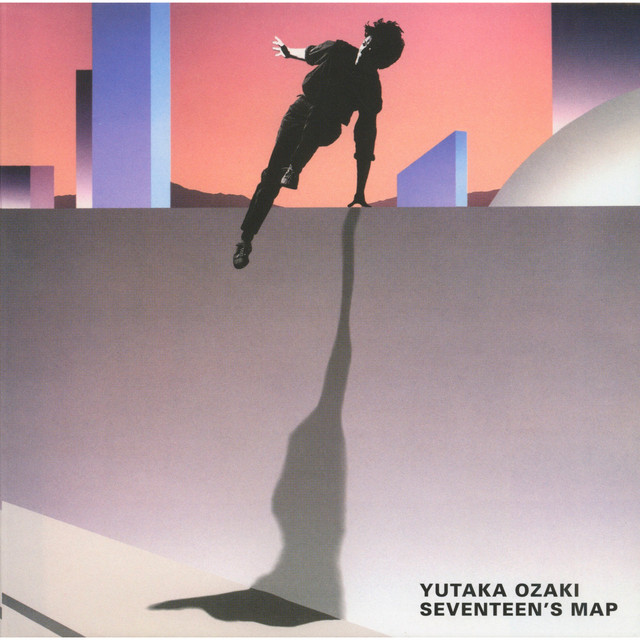
Yutaka Ozaki
Enka
J-Pop
Kayōkyoku
3
/5
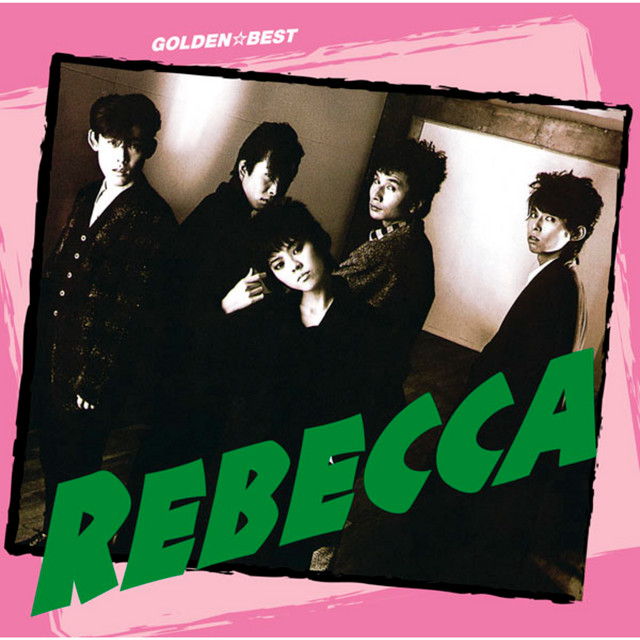
REBECCA
Beat Rock
City Pop
Enka
3
/5
Misato Watanabe
City Pop
Enka
J-Pop
3
/5
Naoko Ken
City Pop
Enka
J-Pop
3
/5
Hiromi Go
City Pop
Enka
J-Pop
Download our mobile app
Get the Melodigging app and start digging for new genres on the go
Download on the App Store
Get it on Google Play
© 2026 Melodigging
Give feedback
Legal
Melodding was created as a tribute to
Every Noise at Once
, which inspired us to help curious minds keep digging into music's ever-evolving genres.