Genres
Artists
Albums
Make Music
Sign in
Sign in
Artists
Neo-Psychedelia
Artists
Neo-Psychedelia
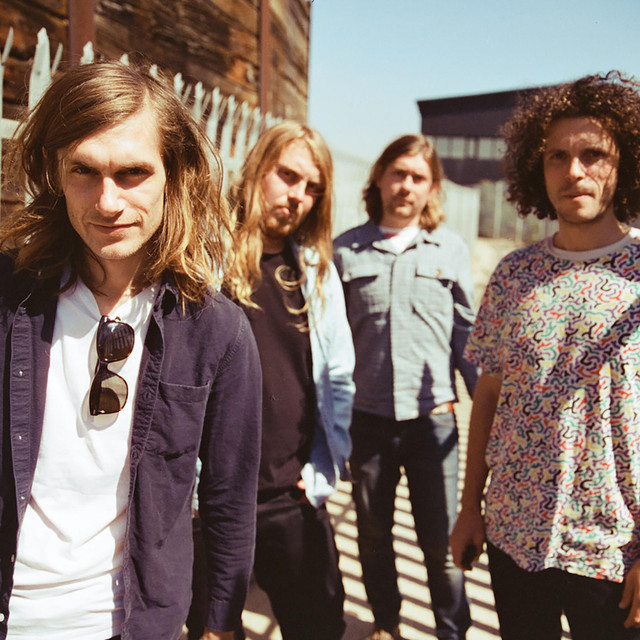
Syd Arthur
2016
·
1 album
Listen
1
/5
Genres
Neo-Canterbury
Neo-Canterbury is a contemporary revival and extension of the classic Canterbury Scene, reimagined by modern progressive musicians. It blends jazzy harmony, whimsical melodicism, and light, conversational vocals with updated production and occasional indie or neo-psych colors. Expect warm electric pianos (Rhodes), organ and synth leads, agile bass lines, woodwinds (sax/flute), and nimble drumming in shifting meters. Compared to its 1970s ancestor, Neo-Canterbury typically has clearer, more hi‑fi sonics, tighter arrangements, and a gently modern rhythmic feel—yet keeps the playful, elegant, and pastoral spirit intact.
Discover
Listen
Neo-Psychedelia
Neo-psychedelia is a late-20th-century revival and reinvention of 1960s psychedelic music aesthetics, filtered through post-punk, indie, and experimental sensibilities. It emphasizes hypnotic textures, droning guitars, heavy use of effects (reverb, delay, phasing), analogue organs/synths, and dreamlike or surreal lyricism. Rhythms may draw from motorik and other steady, trance-inducing grooves, while harmony often favors modal colors and repetitive vamps. The style ranges from jangly, melodic songs to dense, feedback-laden soundscapes, and has been highly influential on dream pop, shoegaze, Britpop-adjacent scenes, and modern psych rock.
Discover
Listen
Progressive Rock
Progressive rock is a rock subgenre that expands the genre’s formal, harmonic, and conceptual boundaries. It favors long-form compositions, intricate arrangements, and virtuosic musicianship, often drawing on Western classical, jazz, folk, and psychedelic idioms. Typical hallmarks include multi-part suites, shifting time signatures, extended instrumental passages, recurring motifs, and concept albums that present unified themes or narratives. The sound palette commonly features electric guitar, bass, and drums alongside an array of keyboards (Hammond organ, Mellotron, Moog/ARP synthesizers, piano), woodwinds or brass, and occasional orchestral additions. Lyrics often explore science fiction, mythology, philosophy, social commentary, and introspective themes.
Discover
Listen
Canterbury Scene
The Canterbury scene is a branch of late‑1960s British progressive rock whose musicians clustered around the city of Canterbury in England. It blends psychedelic rock’s exploratory spirit with the harmonic language and improvisational freedom of modern jazz, favoring sophisticated song forms, whimsical English wit, and a warm, organ‑rich timbre. Compared with heavier strands of prog, Canterbury music tends to be lighter in touch, melodically playful, and harmonically adventurous, often moving between odd meters and swung grooves, extended jazz chords, and conversational ensemble interplay. Vocals and lyrics are frequently surreal, self‑aware, and gently humorous, while the arrangements pivot between tightly composed passages and open improvisation.
Discover
Listen
Albums
2016
2
/5
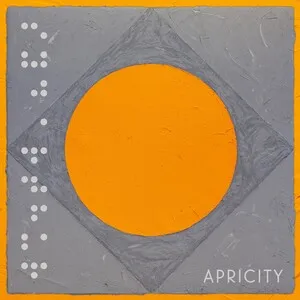
Apricity
Syd Arthur
Neo-Canterbury
Similar artists
1
/5
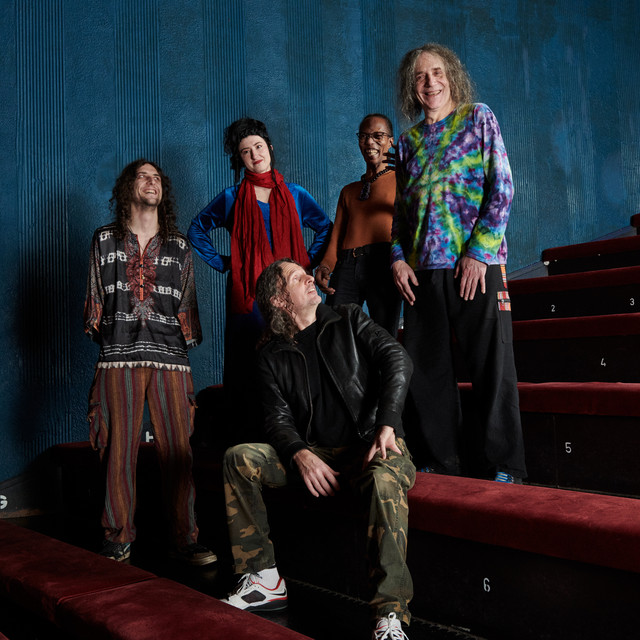
Magick Brother & Mystic Sister
Neo-Canterbury
Neo-Psychedelia
Progressive Rock
2
/5
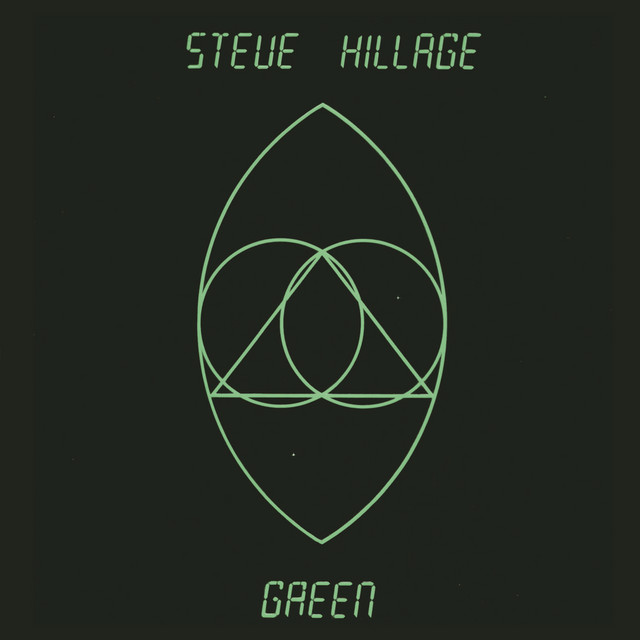
Steve Hillage
Space Rock
Canterbury Scene
Acid Rock
1
/5
Needlepoint
Progressive Rock
Neo-Canterbury
Jazz Rock
2
/5
Ozric Tentacles
Jam Band
Space Rock
Livetronica
2
/5
Naxatras
Heavy Psych
Instrumental Stoner Rock
Stoner Rock
1
/5
Electric Orange
Krautrock
Neo-Psychedelia
Progressive Rock
1
/5
Baron
Art Rock
Neo-Psychedelia
Progressive Rock
3
/5
Psychedelic Porn Crumpets
Acid Rock
Indie Pop Rap
Neo-Psychedelia
3
/5
Thee Oh Sees
Garage Rock
Garage Psych
Rock
2
/5
Gorky's Zygotic Mynci
Britpop
Neo-Canterbury
Neo-Psychedelia
Download our mobile app
Get the Melodigging app and start digging for new genres on the go
Download on the App Store
Get it on Google Play
© 2026 Melodigging
Give feedback
Legal
Melodding was created as a tribute to
Every Noise at Once
, which inspired us to help curious minds keep digging into music's ever-evolving genres.