Genres
Artists
Albums
Make Music
Sign in
Sign in
Artists
Piano Blues
Artists
Piano Blues
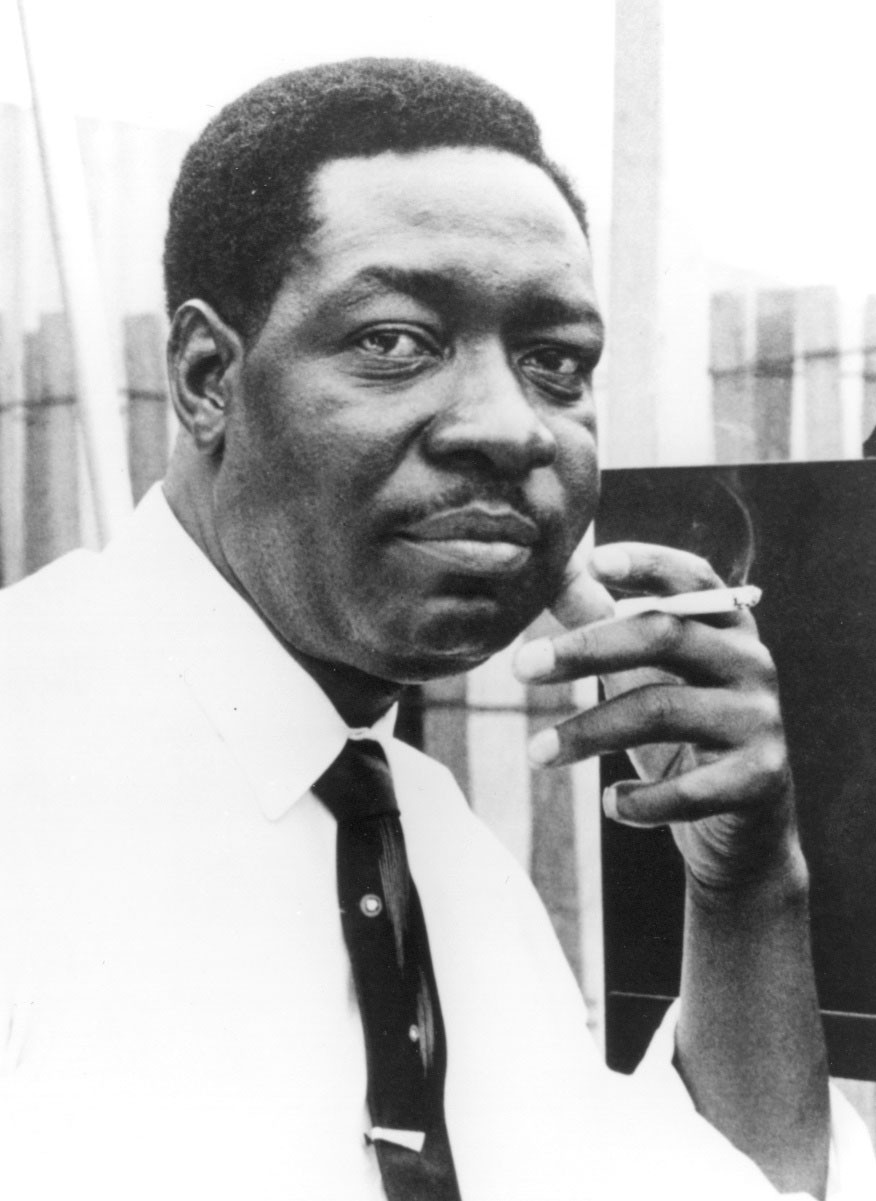
Sunnyland Slim
1993–2013
·
3 albums
Listen
Genres
Chicago Blues
Chicago blues is an electrified, urban form of the blues that took root on Chicago’s South and West Sides during the Great Migration. Built on the 12‑bar blues and I–IV–V harmony, it is marked by amplified guitar, amplified harmonica ("harp"), piano, bass, and drum kit, with a swinging shuffle feel and a strong backbeat. Riffs, call‑and‑response between voice and lead instruments, and terse, memorable hooks are central. Lyrically, Chicago blues pivots from rural imagery to city life—work, love, nightlife, tough luck, and resilience—delivered with grit, wit, and emotional directness. The sound is raw yet powerful, merging Delta roots with urban rhythm sections and studio production that foregrounds groove and bite.
Discover
Listen
Acoustic Chicago Blues
Acoustic Chicago blues is the pre-amplified, small-combo urban blues that flourished in Chicago in the 1930s and early 1940s, bridging Southern country blues and the later electric Chicago sound. It features acoustic guitars (often flat-top or resonator), harmonica, washboard or light percussion, upright bass, and occasional piano, with a crisp, street-corner immediacy. Musically it centers on 12‑bar and 8‑bar blues forms, ragtime-tinged bass runs, and vocal-guitar call-and-response. Lyrically it pivots from rural topics to urban life: migration, rent, factory work, nightlife, and love. This style set the template for Chicago’s postwar electric blues by codifying ensemble roles, repertoire, and rhythmic feel before amplification became standard.
Discover
Listen
Delta Blues
Delta blues is a raw, emotionally direct style of country blues that emerged in the Mississippi Delta—an alluvial plain stretching from Memphis to Vicksburg. It is typically performed by a solo singer accompanying themselves on acoustic guitar, often with bottleneck slide. Hallmarks include expressive, speech-like vocals; flexible, rubato timing; insistent thumb-driven bass patterns; syncopated treble figures; and frequent use of open tunings. Lyrics are vivid and personal, touching on hardship, migration, love, work, spirituality, and folklore. Though commonly framed by 12‑bar and 8‑bar blues forms, Delta blues thrives on elastic phrasing, blue notes, and call-and-response between voice and guitar. Its sound is earthy, gritty, and intimate—music for porches, juke joints, and field gatherings—yet it became one of the most influential sources for electric urban blues and rock.
Discover
Listen
Piano Blues
Piano blues is a blues tradition centered on solo piano performance, where the instrument carries both rhythm-section drive and melodic lead. It fuses ragtime’s syncopation, early jazz phrasing, and the 12‑bar blues form into a percussive, highly expressive style. Hallmarks include steady left‑hand patterns (walking tenths, stride figures, broken octaves, and boogie ostinatos) supporting right‑hand riffs built from the blues scale, blue notes, crushed grace notes, tremolos, and call‑and‑response motifs. It flourished in saloons, rent parties, theaters, and recording studios, giving rise to regional approaches like Chicago’s understated, swinging shuffle and New Orleans’ rolling, rhumba‑tinged feel. Closely related to barrelhouse and boogie‑woogie, piano blues underpins much of later American popular music, feeding directly into jump blues, early R&B, rock and roll, and rockabilly.
Discover
Listen
Blues
Blues is an African American musical tradition defined by expressive "blue notes," call-and-response phrasing, and a characteristic use of dominant-seventh harmony in cyclical song forms (most famously the 12‑bar blues). It is as much a feeling as a form, conveying sorrow, resilience, humor, and hard-won joy. Musically, blues commonly employs the I–IV–V progression, swung or shuffled rhythms, and the AAB lyric stanza. Melodies lean on the minor/major third ambiguity and the flattened fifth and seventh degrees. Core instruments include voice, guitar (acoustic or electric), harmonica, piano, bass, and drums, with slide guitar, bends, and vocal melismas as signature techniques. Over time the blues has diversified into regional and stylistic currents—Delta and Piedmont country blues, urban Chicago and Texas blues, West Coast jump and boogie-woogie—while profoundly shaping jazz, rhythm & blues, rock and roll, soul, funk, and much of modern popular music.
Discover
Listen
Boogie-Woogie
Boogie-woogie is a highly rhythmic, piano-centered branch of the blues distinguished by its driving “eight-to-the-bar” left-hand ostinato and improvised right-hand riffs. While it shares the 12‑bar blues framework and blue-note vocabulary, it places an unusually strong emphasis on groove, forward motion, and danceability. Typically performed at brisk tempos, the style features a rolling, repeated bass pattern in broken octaves (or a walking single-note line) that locks into a shuffle or 12/8 swing feel. Over this foundation, the right hand plays syncopated licks, triplet figures, crushed grace notes, tremolos, and call‑and‑response motifs, often quoting and varying short, catchy riffs. The result is a propulsive, celebratory sound designed for social dancing and energetic performance.
Discover
Listen
Albums
2013
1
/5
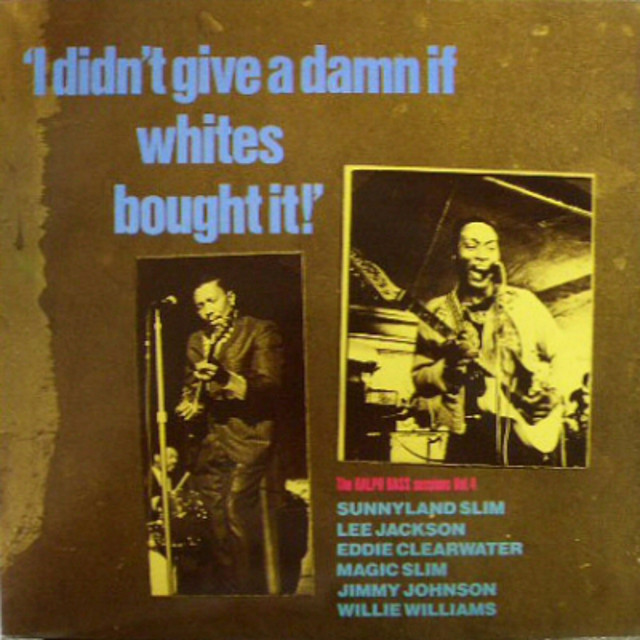
I Didn't Give a Damn If Whites Bought It, Vol. 4
Sunnyland Slim
Delta Blues
Chicago Blues
Piano Blues
1993
2
/5
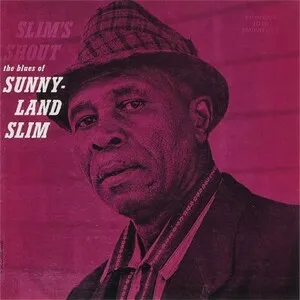
Slim's Shout
Sunnyland Slim
Piano Blues
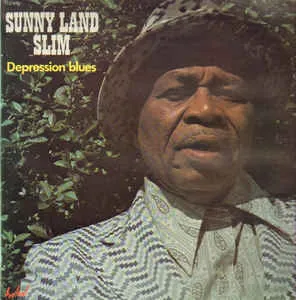
Depression Blues
Sunnyland Slim
Acoustic Chicago Blues
Similar artists
1
/5
Various Artists
Afro-Funk
Alternative Rock
Ambient
2
/5
Otis Spann
Piano Blues
Blues
Boogie-Woogie
2
/5
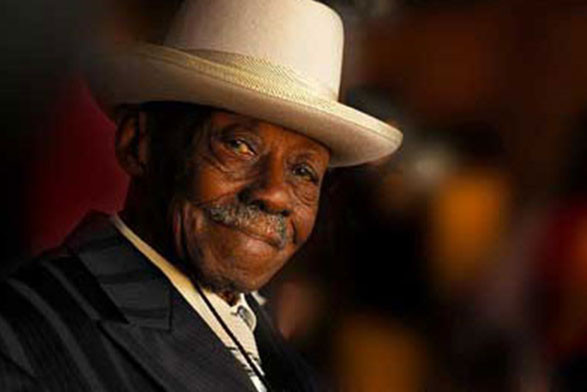
Pinetop Perkins
Boogie-Woogie
Blues
Classic Blues
3
/5
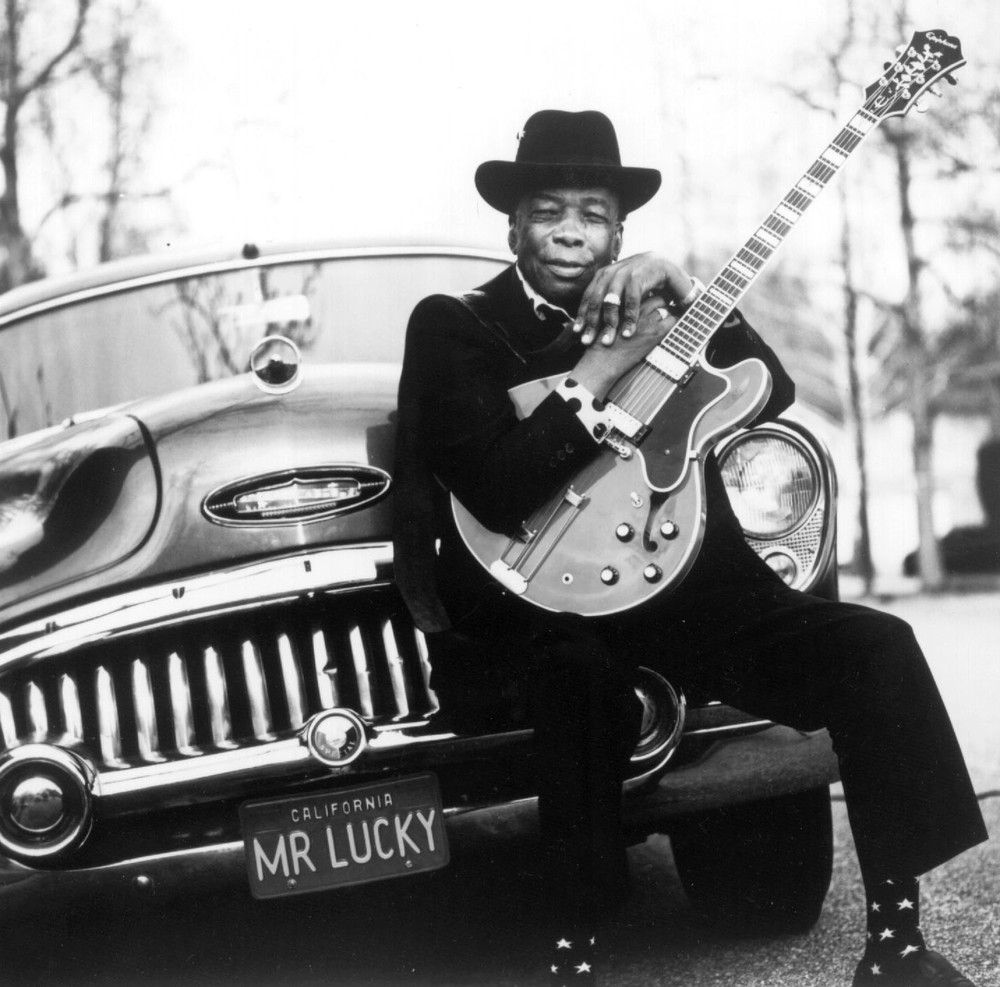
John Lee Hooker
Delta Blues
Blues
Country Blues
3
/5
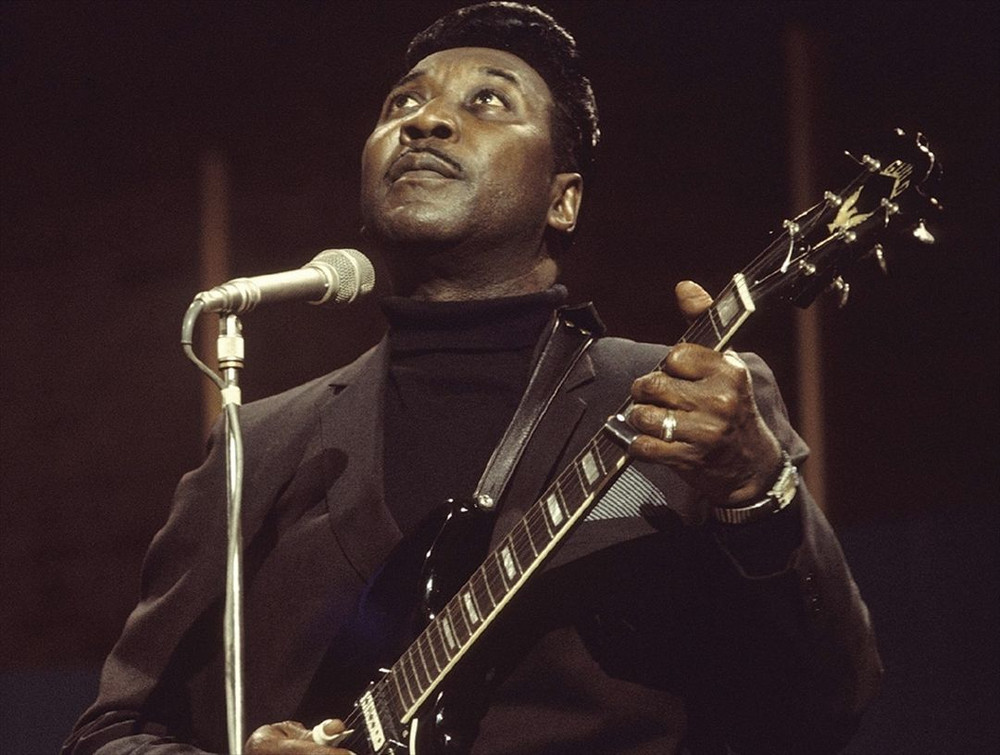
Muddy Waters
Blues
Chicago Blues
Electric Blues
3
/5
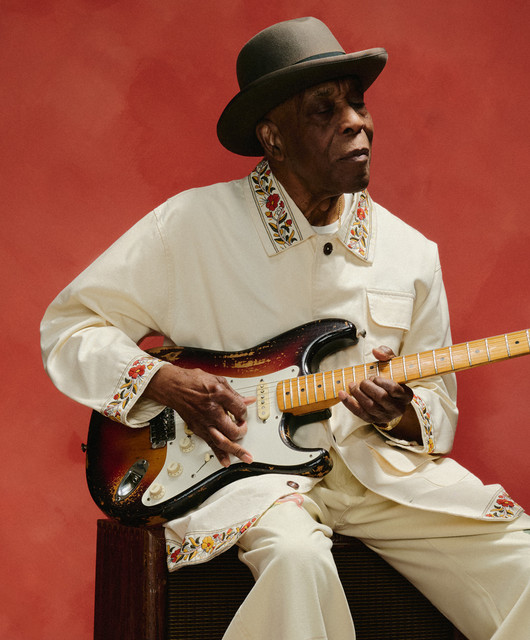
Buddy Guy
Blues
Chicago Blues
Electric Blues
3
/5
Howlin' Wolf
Blues
Chicago Blues
Delta Blues
3
/5
Sonny Boy Williamson II
Delta Blues
Acoustic Blues
Blues
3
/5
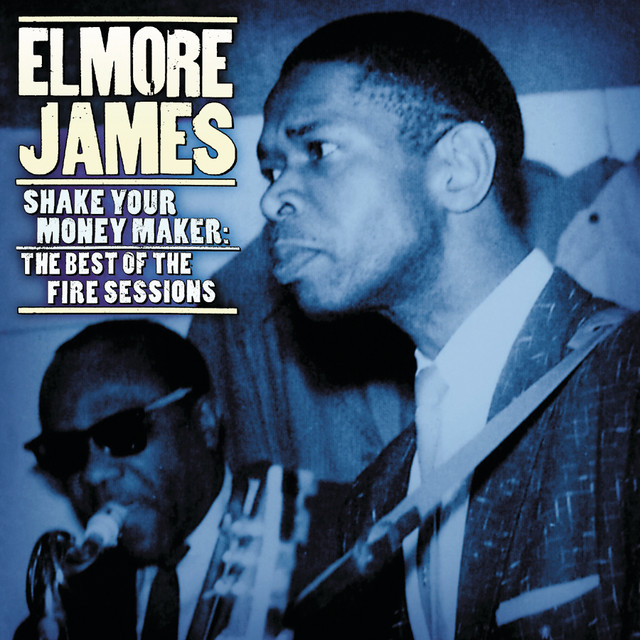
Elmore James
Delta Blues
Chicago Blues
Blues
2
/5
Charlie Musselwhite
Chicago Blues
Blues
Blues Rock
Download our mobile app
Get the Melodigging app and start digging for new genres on the go
Download on the App Store
Get it on Google Play
© 2026 Melodigging
Give feedback
Legal
Melodding was created as a tribute to
Every Noise at Once
, which inspired us to help curious minds keep digging into music's ever-evolving genres.