Genres
Artists
Albums
Make Music
Sign in
Sign in
Artists
Blues
Artists
Blues
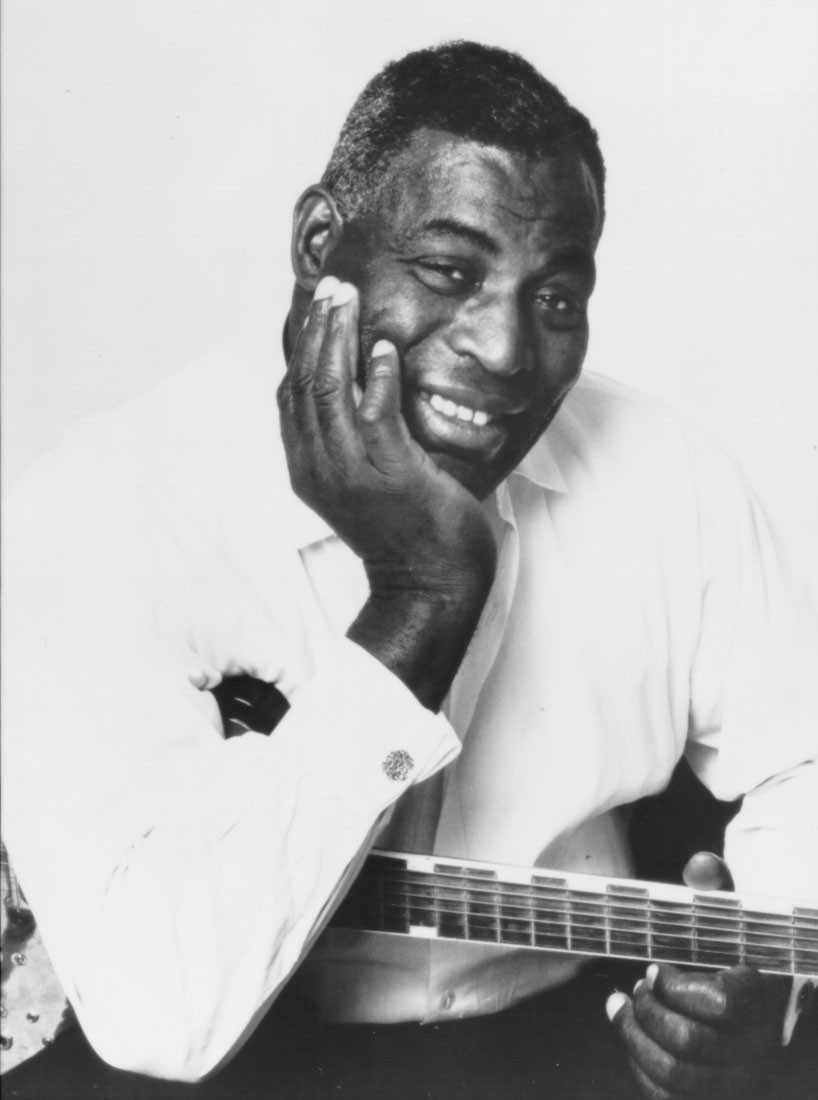
Howlin' Wolf
1958–1973
·
5 albums
Listen
3
/5
Genres
Nyc Pop
NYC pop is a contemporary, hook-forward strain of alternative pop centered on artists living and working in New York City. It blends the sheen of electropop and dance-pop with the songwriting sensibilities of indie pop and indie rock, often pairing bright synths, rhythmic guitars, and punchy drums with large, chantable choruses. Lyrically, it frequently references urban life, ambition, relationships, and self-discovery, capturing the speed, romance, and pressure-cooker energy of the city. Production is glossy but retains an indie edge: live instruments sit beside modern electronic textures, with crisp vocal stacking and ear-catching toplines designed for both radio and festival stages.
Discover
Listen
Classify
Classify is a streaming-era microgenre that blends light classical technique with contemporary pop repertoire, typically presented as unobtrusive instrumental covers. It prioritizes soft dynamics, gentle tempos, and intimate recording to create a calm, elegant backdrop suitable for studying, working, or events. Most arrangements are for solo piano, string quartet, cello/piano duos, or small chamber ensembles. Harmonies remain diatonic and consonant, melodies are clearly voiced, and textures favor arpeggios, ostinati, and sustained legato lines. The overall aesthetic borrows from modern classical and new age moods while retaining the familiarity of pop song forms.
Discover
Listen
Blues Rock
Blues rock is a guitar-driven style that fuses the raw feeling and 12‑bar structures of the blues with the power, volume, and rhythmic punch of rock. It emphasizes riff-based songs, pentatonic and blues-scale soloing, call‑and‑response between voice and guitar, and an expressive, often gritty vocal delivery. Typical ensembles are power trios (guitar, bass, drums) or quartet formats adding second guitar, keyboards, or harmonica, and performances commonly feature extended improvisation. Sonically, it favors overdriven tube-amp tones, sustained bends, vibrato, and dynamic contrasts, moving from shuffles and boogies to straight‑eighth rock grooves.
Discover
Listen
Acid Rock
Acid rock is a heavier, louder, and more improvisation-driven branch of psychedelic rock that emerged in the mid-to-late 1960s. It is characterized by extended guitar solos, distorted and feedback-laden textures, modal or drone-based harmony, and a strong emphasis on trance-inducing grooves. The style was closely tied to the counterculture and LSD-fueled happenings of the era, particularly on the U.S. West Coast. Musically, it blends blues-rock’s grit, garage rock’s raw energy, folk-rock’s modal harmonies, and raga-influenced drones, then amplifies everything—volume, duration, and intensity—into hypnotic, often explosive performances.
Discover
Listen
Rock
Rock is a broad family of popular music centered on amplified instruments, a strong backbeat, and song forms that foreground riffs, choruses, and anthemic hooks. Emerging from mid‑20th‑century American styles like rhythm & blues, country, and gospel-inflected rock and roll, rock quickly expanded in scope—absorbing folk, blues, and psychedelic ideas—while shaping global youth culture. Core sonic markers include electric guitar (often overdriven), electric bass, drum kit emphasizing beats 2 and 4, and emotive lead vocals. Rock songs commonly use verse–chorus structures, blues-derived harmony, and memorable melodic motifs, ranging from intimate ballads to high‑energy, stadium‑sized performances.
Discover
Listen
Chicago Blues
Chicago blues is an electrified, urban form of the blues that took root on Chicago’s South and West Sides during the Great Migration. Built on the 12‑bar blues and I–IV–V harmony, it is marked by amplified guitar, amplified harmonica ("harp"), piano, bass, and drum kit, with a swinging shuffle feel and a strong backbeat. Riffs, call‑and‑response between voice and lead instruments, and terse, memorable hooks are central. Lyrically, Chicago blues pivots from rural imagery to city life—work, love, nightlife, tough luck, and resilience—delivered with grit, wit, and emotional directness. The sound is raw yet powerful, merging Delta roots with urban rhythm sections and studio production that foregrounds groove and bite.
Discover
Listen
Electric Blues
Electric blues is a postwar evolution of the blues that centers on amplified instruments and a compact, urban band sound. It emerged when rural blues musicians brought their music to industrial cities and adopted electric guitar, amplified harmonica, bass, drums, and piano to cut through noisy clubs. Musically, electric blues relies on 12‑bar and 8‑bar forms, dominant‑7th harmony, and a swung shuffle or boogie groove. Guitarists use string bends, wide vibrato, double‑stops, turnarounds, and call‑and‑response with vocals and harmonica. Amplified harmonica (often through a bullet mic and small tube amp) acts like a lead horn, trading riffs with the guitar. The sound is thick, gritty, and vocal, with tube‑amp breakup, subtle reverb, and sometimes tremolo. Lyrically, themes cover migration, love and betrayal, work and hardship, and the pulse of city life. Regionally, Chicago became the emblem of the style, but strong variants also blossomed in Memphis, Detroit, and Texas.
Discover
Listen
R&b
R&B (Rhythm and Blues) is a vocal- and groove-centered popular music tradition that blends blues tonality, jazz harmony, and gospel-inflected singing with a steady backbeat. It emphasizes expressive lead vocals, call-and-response, lush harmonies, and danceable rhythms. From its 1940s roots in African American communities to its later evolutions, R&B has continually absorbed and reshaped surrounding sounds—from jump blues and swing in the early days to soul, funk, hip hop, and electronic production in the contemporary era. Today, R&B ranges from intimate, slow-burning ballads to club-ready tracks, all tied together by a focus on feel, melody, and vocal performance.
Discover
Listen
Delta Blues
Delta blues is a raw, emotionally direct style of country blues that emerged in the Mississippi Delta—an alluvial plain stretching from Memphis to Vicksburg. It is typically performed by a solo singer accompanying themselves on acoustic guitar, often with bottleneck slide. Hallmarks include expressive, speech-like vocals; flexible, rubato timing; insistent thumb-driven bass patterns; syncopated treble figures; and frequent use of open tunings. Lyrics are vivid and personal, touching on hardship, migration, love, work, spirituality, and folklore. Though commonly framed by 12‑bar and 8‑bar blues forms, Delta blues thrives on elastic phrasing, blue notes, and call-and-response between voice and guitar. Its sound is earthy, gritty, and intimate—music for porches, juke joints, and field gatherings—yet it became one of the most influential sources for electric urban blues and rock.
Discover
Listen
Acoustic Blues
Acoustic blues is a family of blues styles performed on non-amplified instruments, most commonly solo voice with acoustic guitar and, at times, harmonica. It emphasizes raw, intimate timbres; elastic vocal phrasing; and guitar techniques such as fingerpicking, alternating-bass patterns, and bottleneck slide. Rooted in African American folk traditions of the U.S. South, acoustic blues typically favors small-scale, conversational performance practice—call-and-response between voice and guitar, expressive "blue notes," and lyrics in the AAB stanza form. Substyles include Delta blues (driving, slide-heavy), Piedmont blues (ragtime-influenced fingerpicking), and Texas blues (looser, narrative-driven playing).
Discover
Listen
Classic Blues
Classic blues (often called "classic female blues") is the early, urban, theater-bred form of the blues that flourished primarily in the 1920s. It is characterized by powerful lead vocalists—frequently women—fronting small jazz ensembles or a piano accompanist, with arrangements that translated the blues idiom to vaudeville stages and recording studios. Musically it typically uses the 12‑bar blues form, AAB lyric stanzas, swung or shuffle rhythms in 4/4, and prominent use of blue notes (flattened 3rd, 5th, and 7th). The style sits at the crossroads of Southern blues traditions, ragtime and early jazz, and the songcraft and professionalism of vaudeville and Tin Pan Alley. Classic blues differs from country/delta blues by its more formal arrangements, band instrumentation, and theatrical delivery. It launched the commercial “race records” era with Mamie Smith’s 1920 hit "Crazy Blues," and set the template for later jazz and R&B vocal performance.
Discover
Listen
Blues
Blues is an African American musical tradition defined by expressive "blue notes," call-and-response phrasing, and a characteristic use of dominant-seventh harmony in cyclical song forms (most famously the 12‑bar blues). It is as much a feeling as a form, conveying sorrow, resilience, humor, and hard-won joy. Musically, blues commonly employs the I–IV–V progression, swung or shuffled rhythms, and the AAB lyric stanza. Melodies lean on the minor/major third ambiguity and the flattened fifth and seventh degrees. Core instruments include voice, guitar (acoustic or electric), harmonica, piano, bass, and drums, with slide guitar, bends, and vocal melismas as signature techniques. Over time the blues has diversified into regional and stylistic currents—Delta and Piedmont country blues, urban Chicago and Texas blues, West Coast jump and boogie-woogie—while profoundly shaping jazz, rhythm & blues, rock and roll, soul, funk, and much of modern popular music.
Discover
Listen
Show all 12 genres
Albums
1973
2
/5
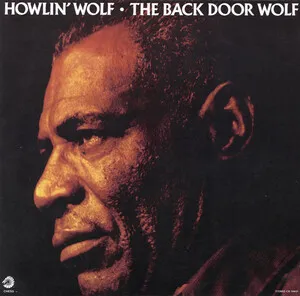
The Back Door Wolf
Howlin' Wolf
Chicago Blues
Blues
1969
2
/5
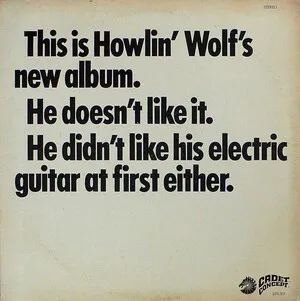
The Howlin' Wolf Album
Howlin' Wolf
Acid Rock
Chicago Blues
Blues
1966
3
/5
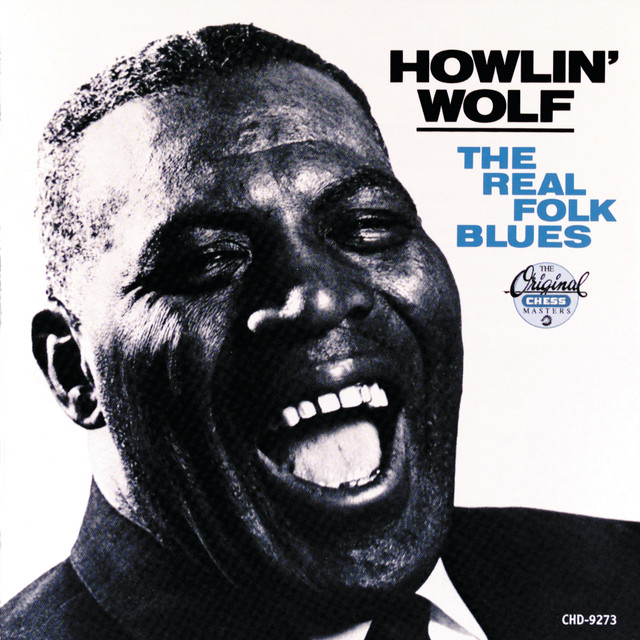
The Real Folk Blues
Howlin' Wolf
Delta Blues
Chicago Blues
Blues
1962
3
/5
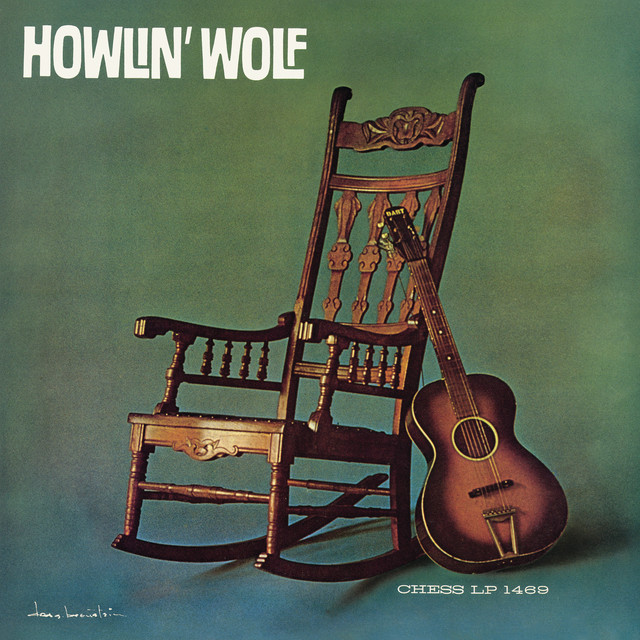
Howlin' Wolf
Howlin' Wolf
Delta Blues
Chicago Blues
Acoustic Blues
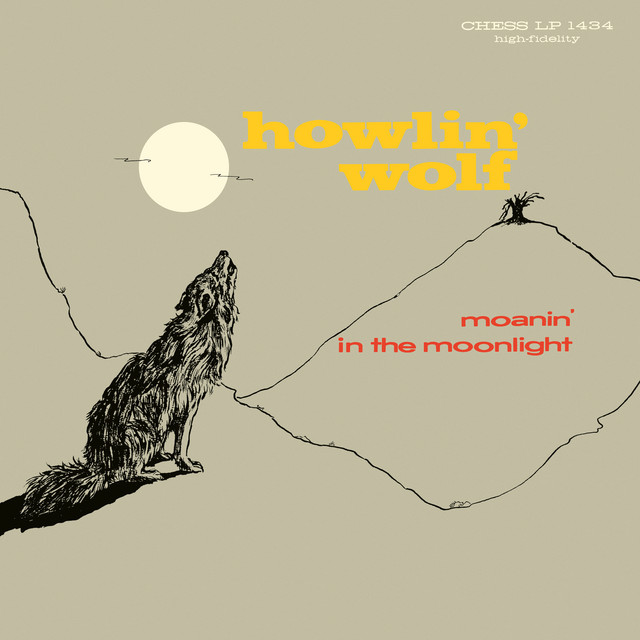
1958
3
/5
Moanin' In The Moonlight
Howlin' Wolf
Chicago Blues
Delta Blues
Acoustic Blues
Similar artists
3
/5
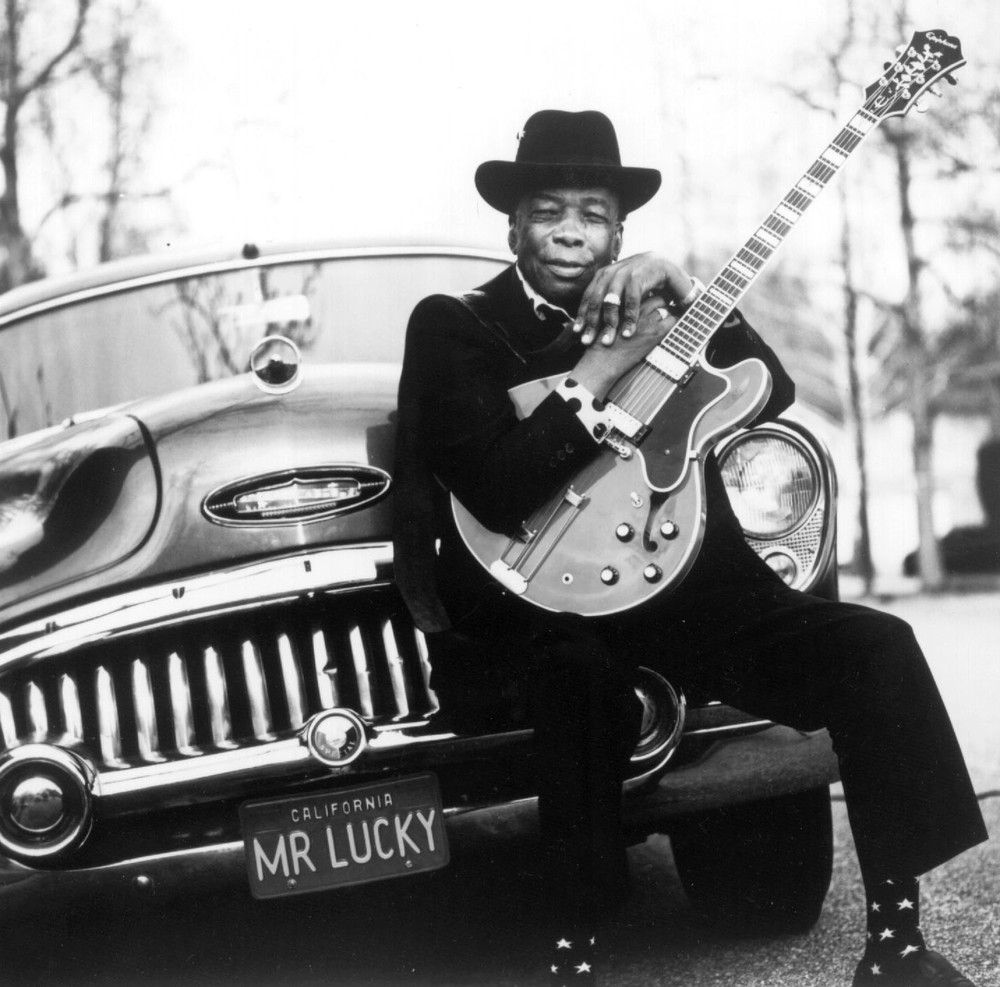
John Lee Hooker
Delta Blues
Blues
Country Blues
1
/5
Various Artists
Afro-Funk
Alternative Rock
Ambient
3
/5
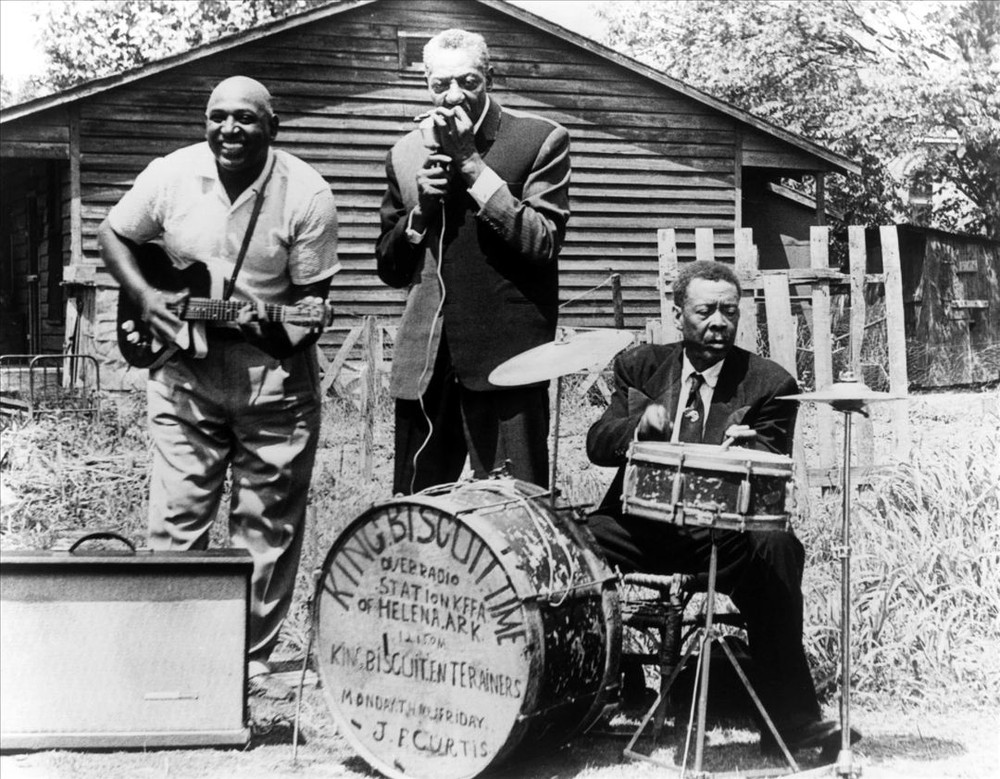
Sonny Boy Williamson II
Delta Blues
Acoustic Blues
Blues
3
/5
Muddy Waters
Blues
Chicago Blues
Electric Blues
3
/5
Junior Kimbrough
Blues
Country Blues
Delta Blues
3
/5
Buddy Guy
Blues
Chicago Blues
Electric Blues
2
/5
Charlie Musselwhite
Chicago Blues
Blues
Blues Rock
3
/5
Big Mama Thornton
Blues
Soul Blues
Chicago Blues
3
/5
R.L. Burnside
Hill Country Blues
Country Blues
Delta Blues
3
/5
Albert Collins
Blues
Electric Texas Blues
Texas Blues
Download our mobile app
Get the Melodigging app and start digging for new genres on the go
Download on the App Store
Get it on Google Play
© 2026 Melodigging
Give feedback
Legal
Melodding was created as a tribute to
Every Noise at Once
, which inspired us to help curious minds keep digging into music's ever-evolving genres.