Genres
Make Music
Artists
Albums
Challenges
Sign in
Sign in
Albums
By Howlin' Wolf
Albums
By Howlin' Wolf
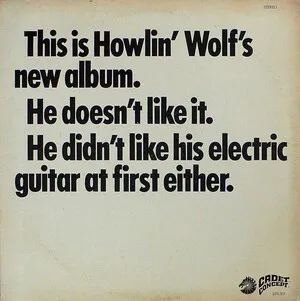
The Howlin' Wolf Album
November 4, 1969
Listen
2
/5
Genres
Acid Rock
Acid rock is a heavier, louder, and more improvisation-driven branch of psychedelic rock that emerged in the mid-to-late 1960s. It is characterized by extended guitar solos, distorted and feedback-laden textures, modal or drone-based harmony, and a strong emphasis on trance-inducing grooves. The style was closely tied to the counterculture and LSD-fueled happenings of the era, particularly on the U.S. West Coast. Musically, it blends blues-rock’s grit, garage rock’s raw energy, folk-rock’s modal harmonies, and raga-influenced drones, then amplifies everything—volume, duration, and intensity—into hypnotic, often explosive performances.
Discover
Listen
Rock
Rock is a broad family of popular music centered on amplified instruments, a strong backbeat, and song forms that foreground riffs, choruses, and anthemic hooks. Emerging from mid‑20th‑century American styles like rhythm & blues, country, and gospel-inflected rock and roll, rock quickly expanded in scope—absorbing folk, blues, and psychedelic ideas—while shaping global youth culture. Core sonic markers include electric guitar (often overdriven), electric bass, drum kit emphasizing beats 2 and 4, and emotive lead vocals. Rock songs commonly use verse–chorus structures, blues-derived harmony, and memorable melodic motifs, ranging from intimate ballads to high‑energy, stadium‑sized performances.
Discover
Listen
Chicago Blues
Chicago blues is an electrified, urban form of the blues that took root on Chicago’s South and West Sides during the Great Migration. Built on the 12‑bar blues and I–IV–V harmony, it is marked by amplified guitar, amplified harmonica ("harp"), piano, bass, and drum kit, with a swinging shuffle feel and a strong backbeat. Riffs, call‑and‑response between voice and lead instruments, and terse, memorable hooks are central. Lyrically, Chicago blues pivots from rural imagery to city life—work, love, nightlife, tough luck, and resilience—delivered with grit, wit, and emotional directness. The sound is raw yet powerful, merging Delta roots with urban rhythm sections and studio production that foregrounds groove and bite.
Discover
Listen
Blues
Blues is an African American musical tradition defined by expressive "blue notes," call-and-response phrasing, and a characteristic use of dominant-seventh harmony in cyclical song forms (most famously the 12‑bar blues). It is as much a feeling as a form, conveying sorrow, resilience, humor, and hard-won joy. Musically, blues commonly employs the I–IV–V progression, swung or shuffled rhythms, and the AAB lyric stanza. Melodies lean on the minor/major third ambiguity and the flattened fifth and seventh degrees. Core instruments include voice, guitar (acoustic or electric), harmonica, piano, bass, and drums, with slide guitar, bends, and vocal melismas as signature techniques. Over time the blues has diversified into regional and stylistic currents—Delta and Piedmont country blues, urban Chicago and Texas blues, West Coast jump and boogie-woogie—while profoundly shaping jazz, rhythm & blues, rock and roll, soul, funk, and much of modern popular music.
Discover
Listen
Similar albums
1969
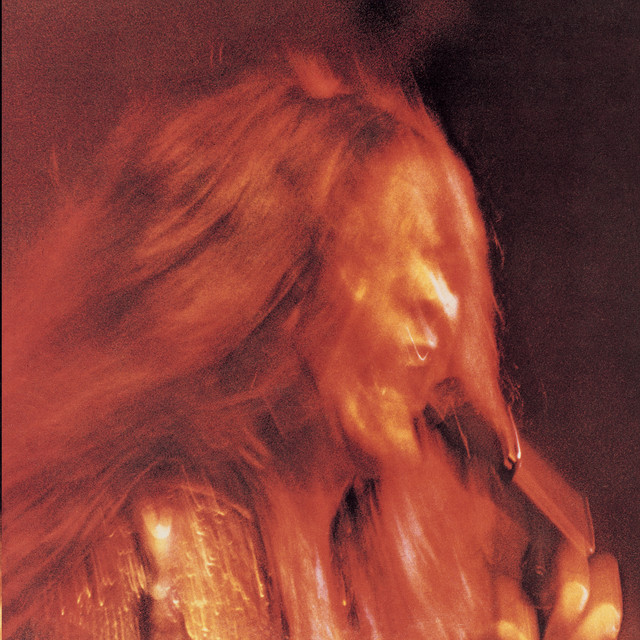
I Got Dem Ol' Kozmic Blues Again Mama!
Janis Joplin
2005
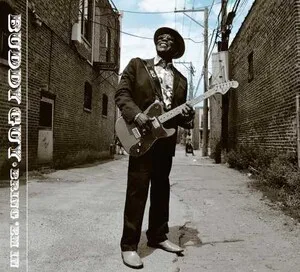
Bring 'Em In
Buddy Guy
1969
After the Rain
Muddy Waters
2006
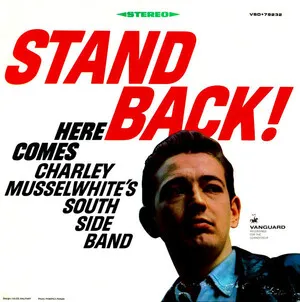
Stand Back! Here Comes Charley Musselwhite's South Side Band
Charley Musselwhite
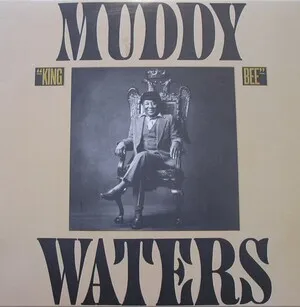
1981
King Bee
Muddy Waters
1969
The Biggest Thing Since Colossus
Otis Spann
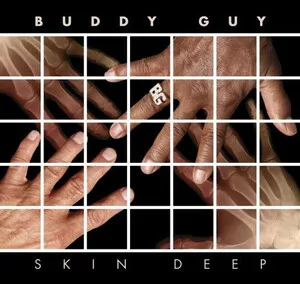
2008
Skin Deep
Buddy Guy
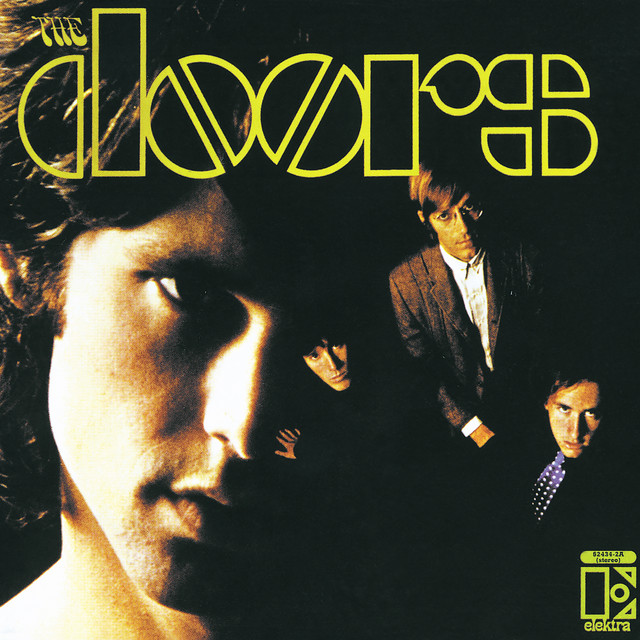
1967
The Doors
The Doors
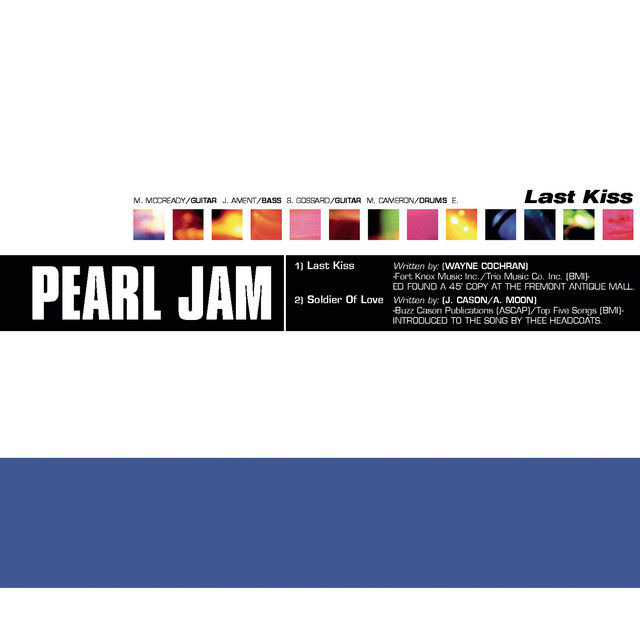
1999
Last Kiss
Pearl Jam
2018
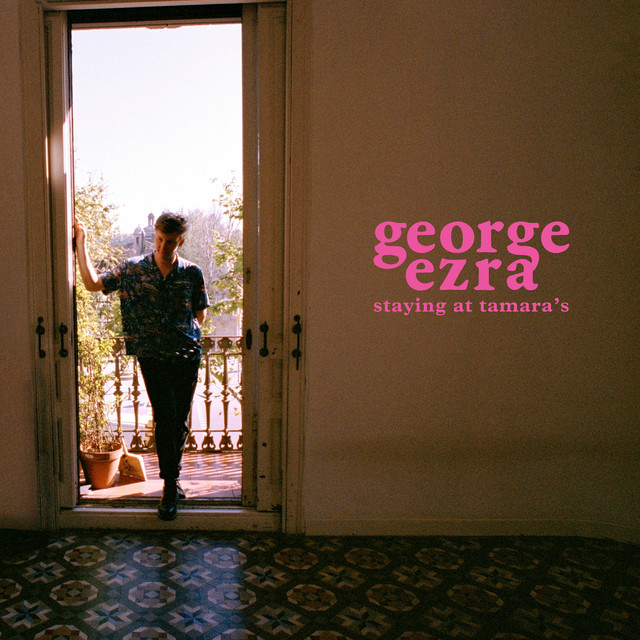
Staying at Tamara's
George Ezra
Download our mobile app
Get the Melodigging app and start digging for new genres on the go
Download on the App Store
Get it on Google Play
© 2026 Melodigging
Give feedback
Legal
Melodding was created as a tribute to
Every Noise at Once
, which inspired us to help curious minds keep digging into music's ever-evolving genres.