Genres
Artists
Albums
Make Music
Sign in
Sign in
Artists
Gabber
Artists
Gabber
Sunbeam
1994
·
1 album
Listen
3
/5
Genres
Future House
Future house is a mid‑2010s strain of house music known for rubbery, plucked bass leads, clean and punchy drums, and streamlined, drop‑focused arrangements. It bridges the groove and warmth of deep/UK house with the sheen and impact of big‑room/electro‑house, often featuring metallic or organ‑like bass timbres that “speak” melodically. Typical tracks sit around 124–128 BPM, use tight sidechain compression for a pumping feel, and contrast sparse, atmospheric breakdowns with hooky, syncopated bass drops. Vocals, when present, are concise—often chopped or pitched—and the sound design emphasizes clarity, swing, and a modern, club‑ready polish.
Discover
Listen
Modular Techno
Modular techno is a branch of techno centered on composing and performing primarily with modular synthesizers (most commonly Eurorack). Rather than arranging in a DAW, artists patch oscillators, filters, sequencers, clock dividers and utility modules into evolving signal chains, then sculpt rhythm and timbre in real time. The approach privileges improvisation, polyrhythms, and continuously shifting textures over fixed song structures. Early, visible champions included UK/Wales-based artist Steevio—who explicitly framed his 2012 release as "Modular Techno" and recorded it live in single takes—followed by a broader wave of adopters in the mid‑to‑late 2010s as modular systems spread across European techno scenes.
Discover
Listen
Peak Time Techno
Peak time techno is a high-impact, festival-ready strain of techno crafted for the most energetic moments of a set. It emphasizes driving, rolling grooves; big-room dynamics; and tension-and-release structures designed to move large dance floors. Typically running around 128–135 BPM in 4/4, it features saturated, punchy kicks, rumbling low-end bass, insistent off-beat hats, rides, and dramatic risers and impacts. Musical content is often minimal and functional, with short motifs, stabs, and builds that funnel into cathartic drops rather than elaborate melodies. The sound and mix are optimized for large PA systems: wide stereo effects above the mids, a mono-focused sub, and arrangements with extended intros/outros for seamless DJ layering.
Discover
Listen
Rawstyle
Rawstyle is a darker, more aggressive offshoot of hardstyle characterized by heavily distorted "raw" kicks, abrasive screeches, tense atmospheres, and high-energy drops around 150 BPM. Compared to euphoric hardstyle, it favors harsher sound design, minor tonalities, and cinematic, ominous breakdowns over big melodic climaxes. Tracks typically feature punchy, multistage distorted kick-tails that are pitched to the key, frenetic kickrolls, and screech leads built from resonant filtering or FM synthesis with wide pitch bends. The overall aesthetic is gritty, intense, and built for large festival sound systems, emphasizing impact and dancefloor aggression.
Discover
Listen
Uptempo Hardcore
Uptempo hardcore is a high‑velocity branch of hardcore techno built around extremely distorted, hard‑hitting kickdrums and rough, lo‑fi sound design. Tracks typically sit around 185–220 BPM, pushing energy and impact above complexity. The style borrows sound‑design tricks and aggression from gabber, terrorcore, speedcore, and modern Rawstyle/Hardstyle, favoring clipped, overdriven kicks, screaming leads, chopped vocal shouts, and minimal harmony. It thrives in Dutch and Belgian festival culture, where tightly mixed, relentless drops and crowd‑control edits are central to the performance.
Discover
Listen
Gabber
Gabber is a Dutch-born branch of hardcore techno characterized by extremely fast tempos, relentless 4/4 kicks, and an aggressive, distorted sound palette. It typically runs between 160–190+ BPM, features heavily overdriven 909-style kick drums that also serve as the bass, terse minor-key synth stabs (including classic "hoover" timbres), and short, shouted vocal samples or MC hype. Culturally, gabber is tied to early-’90s Rotterdam club culture, Thunderdome compilations and events, bomber jackets and trainers, and the high-energy hakken dance. The aesthetic is raw, industrial, and maximal, prioritizing impact, speed, and dancefloor intensity over harmonic complexity.
Discover
Listen
Happy Hardcore
Happy hardcore is a fast, euphoric branch of the early UK rave continuum characterized by brisk tempos, 4/4 kicks, bright piano stabs, supersaw leads, and pitched-up “chipmunk” vocals. It emphasizes major-key harmony, catchy melodies, and ecstatic breakdowns, aiming for maximum uplift on the dancefloor. Compared to darker hardcore and gabber, happy hardcore favors feel-good hooks, singalong choruses, and sentimental atmospheres while retaining the relentless energy and drive of hardcore techno.
Discover
Listen
Hardcore
Hardcore (often called hardcore techno in its early form) is a fast, aggressive branch of electronic dance music characterized by heavily distorted, punchy 4/4 kick drums, tempos ranging from roughly 160 to well over 200 BPM, and a dark, high‑energy aesthetic. It emphasizes percussive drive over complex harmony, using clipped and saturated kick-bass sound design, sharp hi-hats, claps on the backbeat, and harsh synth stabs or screeches. Vocals, when present, are typically shouted hooks, sampled movie lines, or crowd chants processed with distortion and effects. Originating in the Netherlands in the early 1990s, the style quickly splintered into related scenes and subgenres such as gabber, happy hardcore, Frenchcore, terrorcore, speedcore, and later hardstyle. Its culture is closely associated with large-scale raves, specialized labels, and distinctive visual branding.
Discover
Listen
Trance
Trance is a form of electronic dance music characterized by steady four-on-the-floor beats, long build‑ups and breakdowns, and euphoric, melodic progressions designed to induce a hypnotic or “trance‑like” state. Typical tempos range from about 130 to 142 BPM, with arrangements often stretching 7–10 minutes to allow DJs room for tension, release, and seamless mixing. The sound palette emphasizes shimmering pads, arpeggiated synth motifs, supersaw leads, and wide, reverberant spaces. Harmonically, trance tends to favor minor keys, modal mixture, and extended suspense before cathartic drops. Production hallmarks include sidechain compression (“pumping”), off‑beat open hi‑hats, rolling basslines, and lush delay/reverb tails. While largely instrumental, a major branch—vocal trance—features lyrical toplines and pop‑leaning structures without losing its club‑centric dynamics.
Discover
Listen
Bubble Trance
Bubble trance is a highly melodic, pop-leaning branch of late-1990s European trance characterized by bright, "bubbly" lead synths, catchy toplines, and big hands-in-the-air breakdowns. Producers favor simple, earworm hooks (often sung by female vocalists or rendered as lead-synth melodies), glossy supersaws and plucks, and clean, side‑chained pads that create a buoyant, effervescent feel. Rhythms are four-on-the-floor at club-ready tempos, with snare rolls, white-noise risers, and dramatic filter sweeps leading into euphoric drops. Compared with harder German/Dutch hard trance, bubble trance softens the edges, borrowing pop song structure and Eurodance accessibility while preserving trance’s build‑and‑release architecture and atmospheric uplift.
Discover
Listen
Hard Trance
Hard trance is a high‑energy branch of trance that emerged in the German rave scene in the early–mid 1990s. It pairs the genre’s long, euphoric breakdowns and melodic hooks with tougher production: punchy, often clipped 909‑style kicks, off‑beat open hi‑hats, grinding or rolling basslines, and aggressive supersaw or acid leads. Typically running around 138–148 BPM, hard trance emphasizes dramatic builds, snare rolls, white‑noise risers, and tension‑and‑release drops. Its harmonic language leans minor and modal, producing a mood that is simultaneously uplifting and intense. The result is a club‑ready sound designed for big rooms and festivals, bridging early trance euphoria with techno’s percussive bite.
Discover
Listen
Club
Club is an umbrella style of mainstream dance music crafted primarily for nightclub sound systems and DJ-centric environments. It emphasizes steady four-on-the-floor rhythms, prominent basslines, repetitive hooks, and builds/drops designed to energize a dance floor. While it borrows from house, techno, disco, italo-disco, freestyle, and electro, Club prioritizes immediacy and crowd response over subcultural purity. Tracks are arranged for mixing, extended grooves, and vocal refrains that translate well to peak-time moments. In radio or chart contexts, "club" often denotes dance-forward pop or DJ-led productions tailored for mass club play.
Discover
Listen
Show all 12 genres
Albums
1994
3
/5
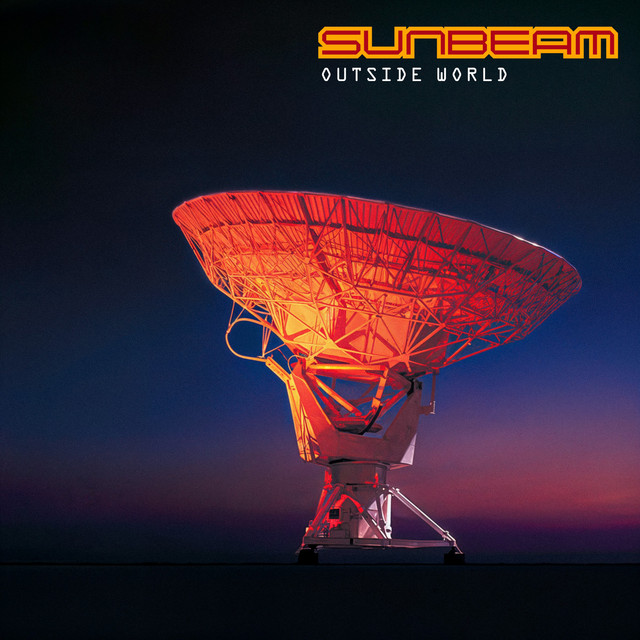
Outside World (Mixes)
Sunbeam
Bubble Trance
Similar artists
1
/5
Various Artists
Afro-Funk
Alternative Rock
Ambient
2
/5
Massive New Krew
Hardcore
Hardstyle
Rawstyle
4
/5
Paul Elstak
Nederlandse Hardstyle
Frenchcore
Gabber
3
/5
The Prophet
Happy Hardcore
Frenchcore
Gabber
3
/5
DJ Isaac
Happy Hardcore
Frenchcore
Gabber
3
/5
Flamman & Abraxas
Gabber
Happy Hardcore
Hardcore
3
/5
Marc Acardipane
Analog Horror
Gabber
Grave Wave
3
/5
Party Animals
Gabber
Happy Hardcore
Hardcore
3
/5
Re-Style
Frenchcore
Gabber
Happy Hardcore
3
/5
DJ Rob
Gabber
Happy Hardcore
Hardcore
Download our mobile app
Get the Melodigging app and start digging for new genres on the go
Download on the App Store
Get it on Google Play
© 2026 Melodigging
Give feedback
Legal
Melodding was created as a tribute to
Every Noise at Once
, which inspired us to help curious minds keep digging into music's ever-evolving genres.