Genres
Artists
Albums
Make Music
Sign in
Sign in
Artists
Classic Dubstep
Artists
Classic Dubstep
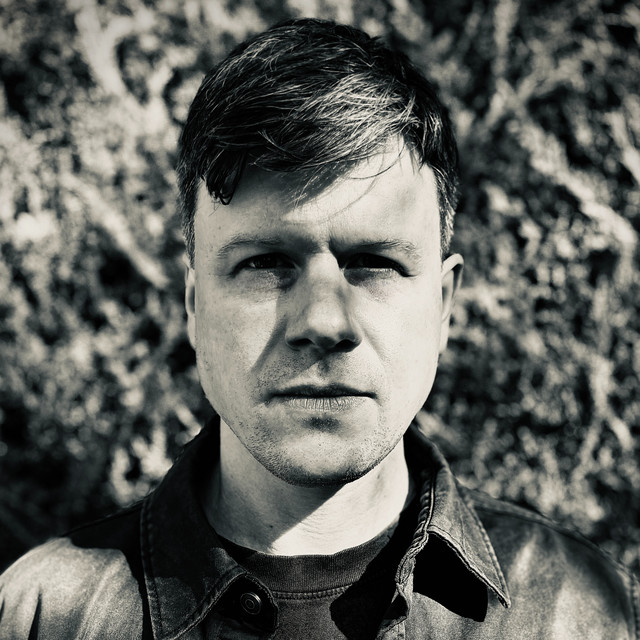
Starkey
2010
·
1 album
Listen
2
/5
Genres
Post-Dubstep
Post-dubstep is a loosely defined wave of UK-born electronic music that grew out of dubstep but moved away from its rigid 140 BPM wobble-bass formula. It keeps the bass-weight, sound-system focus, and rhythmic syncopation of dubstep and UK garage, but folds in house and techno tempos, R&B vocal chops, ambient space, and experimental production. Typical tracks explore 120–135 BPM (not fixed at 140), use broken 2‑step/garage swing instead of 4/4, and favor detailed sound design over maximal drops. You’ll often hear hushed, intimate vocals (sampled or original), neo-soul/jazz-influenced chords, and micro-edited percussion with lots of negative space. The mood is frequently introspective, melancholic, and textural—more headphone-oriented than festival-leaning—yet still rooted in club culture.
Discover
Listen
Vapor House
Vapor house is a micro-genre that fuses the hazy nostalgia and sample-based aesthetics of vaporwave with the groove and structure of deep/lo‑fi house. It favors softened transients, tape-like saturation, and dreamy pads over a four‑on‑the‑floor pulse, often at mid-tempo house speeds. Producers lean on chopped-and-screwed samples from 1980s–1990s muzak, R&B, smooth jazz, and corporate media, then filter, detune, and time-stretch them into wistful loops. The result feels simultaneously club-ready and memory-soaked—dance music that sounds like it’s playing from a worn VHS tape or mall PA system.
Discover
Listen
Dubstep Product
Dubstep product is a production/library music take on dubstep tailored for sync: trailers, esports broadcasts, gaming content, advertising, influencer videos, and broadcast bumpers. It takes the sound design, half‑time groove, and drop‑centric structures of UK/US dubstep (including brostep/tearout variants) and packages them into edit‑friendly cues with clean hit points, sting endings, alternate mixes, stems, and duration cuts (15/30/60 seconds). The result balances maximalist bass design with practical considerations for dialogue, sound effects, and branding overlays. Compared with club‑oriented dubstep, dubstep product favors punchy, readable arrangements, cinematic impacts, and clearly marked builds/drops that translate across headphones, TV speakers, and mobile devices.
Discover
Listen
Classic Dubstep
Classic dubstep is the original, early- to mid‑2000s South London sound built around weighty sub‑bass, sparse half‑time drums at roughly 140 BPM, and the cavernous space of dub sound‑system culture. It favors minimal, head‑down grooves, skippy UK garage hi‑hat swing, and subtly modulated basslines over the midrange aggression that later defined mainstream “brostep.” Atmospheres are dusky and noir, with tape‑echoes, reverb tails, and MC snippets hovering over tightly controlled low end designed for big systems and intimate clubs.
Discover
Listen
Dubstep
Dubstep is a bass‑centric electronic dance music genre that emerged in South London in the early 2000s. It is typically around 140 BPM and is defined by a half‑time rhythmic feel, sub‑heavy basslines, sparse yet impactful drums, and a strong emphasis on space, tension, and sound system weight. Hallmark traits include syncopated kick patterns, snares on the third beat of the bar, swung/shuffly hi‑hats inherited from UK garage, and modulated low‑frequency bass (“wobbles”) shaped with LFOs, filters, and distortion. Influences from dub reggae (echo, delay, and minimalism), jungle/drum & bass (bass science and sound system culture), and 2‑step garage (rhythmic swing and shuffles) are central. The style ranges from deep, meditative “dub” aesthetics (often called deep dubstep) to more aggressive, midrange‑driven variants that later informed brostep and festival bass. Atmosphere, negative space, and subwoofer translation are as important as melody or harmony.
Discover
Listen
Aquacrunk
Aquacrunk is a late-2000s Scottish take on the "wonky"/glitchy instrumental hip hop movement, characterized by lurching, off-grid beats, rubbery sub-bass, and glossy, neon-bright synth leads that feel both playful and maximalist. The name references a liquid, fluid sound—pitch-bent leads, water-like effects, and chromatic, video‑gamey arpeggios—applied to hip hop’s swing and low-end pressure. Compared with UK grime or dubstep of the same era, aquacrunk favors kaleidoscopic color and melodic flamboyance over stark minimalism, while retaining club impact.
Discover
Listen
Purple Sound
Purple sound is a melodic, synth-led branch of UK bass music that emerged at the intersection of dubstep and grime in the late 2000s. It is defined by bright, "neon" lead timbres, heavy sub-bass, and swaggering half‑time drums at roughly 140 BPM. Producers favor bold, pitch‑bent monophonic leads, talkbox-like glides, and lush, jazzy chord colors that recall G‑funk and P‑funk. Typical palettes draw on videogame and FM-synthesis tones (chorused squares, glassy FM bells, rubbery saws), paired with the low-end pressure and swing of dubstep. The result is music that feels both streetwise and technicolor: muscular subs and grime-derived rhythm underneath harmonically rich, earworm melodies.
Discover
Listen
Wonky
Wonky is a lopsided, synth-forward strain of experimental hip hop and UK bass that emerged in the late 2000s. It is defined by off-grid, swaggering drum programming, rubbery sub-bass, and brightly detuned, pitch-bent lead synths that feel as if they wobble in and out of time. Producers often work around 70–80 BPM (or 140–160 BPM in half-time), using heavy swing, microtiming, and syncopation to create a drunken, stumbling groove. Sonically, it blends the head-nod of instrumental hip hop with the sound design sensibilities of IDM, the sub-weight of dubstep, and the neon melodicism associated with Bristol’s "purple" sound. The result is music that is both club-ready and headphone-detailed: playful yet moody, maximal in color but minimal in arrangement, and distinctly characterized by elastic rhythms and glossy, detuned synth textures.
Discover
Listen
Uk Garage
UK garage is a British evolution of US garage/house that emerged in the mid-to-late 1990s around London’s pirate radio, record shops, and clubs. It is characterized by shuffling, syncopated rhythms, swung hi‑hats, crisp snares, and a pronounced sense of groove at roughly 130–138 BPM. The style blends house’s soulful chords and R&B vocals with jungle/drum & bass sound-system bass weight, often featuring chopped and time‑stretched vocal samples, organ/piano stabs, and warm Rhodes textures. Two major strands formed: 4x4 (straight four-on-the-floor with heavy swing) and 2‑step (broken kick patterns that avoid a constant four-on-the-floor). MC toasting and call‑and‑response vocals became a signature of the scene. Substyles include speed garage (darker, bass‑heavier, often with wobbly LFO bass) and 2‑step (sparser, more syncopated drums). UK garage’s club‑ready energy and vocal sensibility propelled it into the mainstream and laid the groundwork for grime, dubstep, bassline, and UK funky.
Discover
Listen
Show all 9 genres
Albums
2010
1
/5
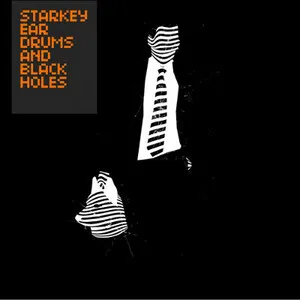
Ear Drums and Black Holes
Starkey
Aquacrunk
Purple Sound
Similar artists
2
/5
Joker
Purple Sound
Dubstep
Classic Dubstep
2
/5
Ital Tek
Drill And Bass
Ambient Idm
Classic Dubstep
2
/5
Kode9
Dubstep
Electronic
Hauntology
2
/5
Kromestar
Purple Sound
Bass Music
Drumstep
3
/5
Hudson Mohawke
Purple Sound
Electronic
Wonky
3
/5
Burial
Classic Dubstep
Hauntology
Uk Bass
3
/5
Skream
Dubstep
Classic Dubstep
Uk Bass
2
/5
Coki
Dubstep
Classic Dubstep
Dub
2
/5
Loefah
Classic Dubstep
Dubstep
Dub
1
/5
Digital Mystikz
Classic Dubstep
Dub
Dubstep
Download our mobile app
Get the Melodigging app and start digging for new genres on the go
Download on the App Store
Get it on Google Play
© 2026 Melodigging
Give feedback
Legal
Melodding was created as a tribute to
Every Noise at Once
, which inspired us to help curious minds keep digging into music's ever-evolving genres.