Genres
Artists
Albums
Make Music
Sign in
Sign in
Artists
Dubstep
Artists
Dubstep
Kode9
2006–2024
·
6 albums
Listen
2
/5
Genres
Post-Dubstep
Post-dubstep is a loosely defined wave of UK-born electronic music that grew out of dubstep but moved away from its rigid 140 BPM wobble-bass formula. It keeps the bass-weight, sound-system focus, and rhythmic syncopation of dubstep and UK garage, but folds in house and techno tempos, R&B vocal chops, ambient space, and experimental production. Typical tracks explore 120–135 BPM (not fixed at 140), use broken 2‑step/garage swing instead of 4/4, and favor detailed sound design over maximal drops. You’ll often hear hushed, intimate vocals (sampled or original), neo-soul/jazz-influenced chords, and micro-edited percussion with lots of negative space. The mood is frequently introspective, melancholic, and textural—more headphone-oriented than festival-leaning—yet still rooted in club culture.
Discover
Listen
Dubstep Product
Dubstep product is a production/library music take on dubstep tailored for sync: trailers, esports broadcasts, gaming content, advertising, influencer videos, and broadcast bumpers. It takes the sound design, half‑time groove, and drop‑centric structures of UK/US dubstep (including brostep/tearout variants) and packages them into edit‑friendly cues with clean hit points, sting endings, alternate mixes, stems, and duration cuts (15/30/60 seconds). The result balances maximalist bass design with practical considerations for dialogue, sound effects, and branding overlays. Compared with club‑oriented dubstep, dubstep product favors punchy, readable arrangements, cinematic impacts, and clearly marked builds/drops that translate across headphones, TV speakers, and mobile devices.
Discover
Listen
Seapunk
Seapunk is an early-2010s internet-born microgenre and multimedia aesthetic that fuses retro-rave sonics with Y2K-era, ocean-themed visuals. Its sound blends 1990s house and trance riffs, chopped-and-screwed and vaporwave-adjacent sampling, splashy 808/909 drums, and glossy, “watery” synth textures. The visual world is as important as the music: turquoise/teal palettes, 3D chrome dolphins, coral gradients, pixel seas, and GIF-era net art. Together, these define a playful, nostalgic, and cyber-aquatic identity that celebrates both rave euphoria and web-native DIY culture.
Discover
Listen
Dubstep
Dubstep is a bass‑centric electronic dance music genre that emerged in South London in the early 2000s. It is typically around 140 BPM and is defined by a half‑time rhythmic feel, sub‑heavy basslines, sparse yet impactful drums, and a strong emphasis on space, tension, and sound system weight. Hallmark traits include syncopated kick patterns, snares on the third beat of the bar, swung/shuffly hi‑hats inherited from UK garage, and modulated low‑frequency bass (“wobbles”) shaped with LFOs, filters, and distortion. Influences from dub reggae (echo, delay, and minimalism), jungle/drum & bass (bass science and sound system culture), and 2‑step garage (rhythmic swing and shuffles) are central. The style ranges from deep, meditative “dub” aesthetics (often called deep dubstep) to more aggressive, midrange‑driven variants that later informed brostep and festival bass. Atmosphere, negative space, and subwoofer translation are as important as melody or harmony.
Discover
Listen
Hauntology
Hauntology is a retro-futurist strain of experimental electronic music that evokes the "ghosts" of lost cultural futures. Emerging in the United Kingdom in the mid‑2000s, it draws on half-remembered media—library music, public information films, children’s TV idents, and Radiophonic textures—to produce an atmosphere of eerie nostalgia and cultural memory. Sonically, the style favors degraded media and analogue patina: vinyl crackle, tape hiss, wow and flutter, and dusty archival samples. It often pairs subdued drones and detuned synths with looped fragments, sparse percussion, and unresolved harmonies to create a feeling that is at once comforting and unsettling. The term originates in Jacques Derrida’s philosophy and was popularized in a musical context by critics such as Mark Fisher and Simon Reynolds. In music, it names both a sound palette and a way of listening that foregrounds memory, media archaeology, and the uncanny persistence of the past within the present.
Discover
Listen
Uk Bass
UK bass is a broad, club‑focused umbrella for post‑garage and post‑dubstep sounds that prioritise heavy low‑end, syncopated percussion, and experimental sound design. It is less a single rigid rhythm than a producer and DJ culture that centers sub‑bass weight and British club lineage at tempos commonly between 120–140 BPM. Drawing on UK garage, dubstep, grime, bassline, UK funky, house, techno, jungle, and dub, UK bass folds shuffling grooves, half‑time lurch, and broken‑beat swing into forward‑thinking arrangements. Labels and crews such as Hessle Audio and Night Slugs helped codify its aesthetic: tactile subs, punchy drums, sparse but impactful harmony, and club‑system dynamics that reward both dancers and deep listeners.
Discover
Listen
Uk Funky
UK funky is a London-born club style that fuses house music’s four-on-the-floor pulse with syncopated, Afro‑Caribbean percussion and a distinctly British bass sensibility. Usually sitting around 125–130 BPM, it favors swung, polyrhythmic drum patterns, rolling subs, and concise chord stabs over maximal, ravey textures. Vocals range from soulful, R&B‑leaning hooks to MC chants and call‑and‑response crowd shouts, keeping the dancefloor feel front and center. The result is a percussive, party‑focused sound that bridges house, UK garage, and African/Caribbean rhythmic DNA, while retaining DJ‑friendly structures and space for singers and MCs.
Discover
Listen
Classic Dubstep
Classic dubstep is the original, early- to mid‑2000s South London sound built around weighty sub‑bass, sparse half‑time drums at roughly 140 BPM, and the cavernous space of dub sound‑system culture. It favors minimal, head‑down grooves, skippy UK garage hi‑hat swing, and subtly modulated basslines over the midrange aggression that later defined mainstream “brostep.” Atmospheres are dusky and noir, with tape‑echoes, reverb tails, and MC snippets hovering over tightly controlled low end designed for big systems and intimate clubs.
Discover
Listen
Purple Sound
Purple sound is a melodic, synth-led branch of UK bass music that emerged at the intersection of dubstep and grime in the late 2000s. It is defined by bright, "neon" lead timbres, heavy sub-bass, and swaggering half‑time drums at roughly 140 BPM. Producers favor bold, pitch‑bent monophonic leads, talkbox-like glides, and lush, jazzy chord colors that recall G‑funk and P‑funk. Typical palettes draw on videogame and FM-synthesis tones (chorused squares, glassy FM bells, rubbery saws), paired with the low-end pressure and swing of dubstep. The result is music that feels both streetwise and technicolor: muscular subs and grime-derived rhythm underneath harmonically rich, earworm melodies.
Discover
Listen
Footwork
Footwork (often called juke or Chicago juke) is a high‑velocity, sample‑driven form of electronic dance music that emerged from Chicago’s battle‑dance culture. Built around stuttering, off‑grid percussion at roughly 160 BPM, it uses chopped vocal snippets, booming sub‑bass, and rapid toms, claps, and snares arranged in highly syncopated patterns that are not locked to a constant 4/4 kick. Producers frequently slice fragments of rap, R&B, pop, and soul into call‑and‑response hooks that interact with dancers on the floor. The result is a tense, kinetic sound designed for competitive circles as much as for clubs and headphones.
Discover
Listen
Idm
IDM (often expanded as "Intelligent Dance Music") is a strand of experimental electronic music that applies the sound palette and production methods of club genres to listening-focused, often home-oriented works. It favors intricate rhythm programming, unusual time signatures, and richly textured sound design, blending ambient atmospheres with techno’s pulse, electro’s syncopation, and breakbeat’s fragmentation. The music often de-emphasizes the dancefloor in favor of headphone detail, algorithmic structure, and timbral exploration. The term itself is contentious—many artists rejected the "intelligent" label—yet it became a convenient tag for the early- to mid‑1990s cluster of Warp, Rephlex, and related scenes that foregrounded complexity, abstraction, and emotional ambiguity.
Discover
Listen
Jungle
Jungle is a UK-born electronic music style defined by rapid, chopped breakbeats, heavy sub‑bass, and a deep dialogue with Jamaican sound‑system culture. Typical tempos sit around 155–170 BPM, with intensely syncopated drum programming that flips funk and jazz breaks (especially the Amen, Think, and Apache breaks) into kinetic, polyrhythmic mosaics. Its sound palette blends dub’s bass weight and echo, reggae and dancehall vocal toasting, hip‑hop sampling aesthetics, and the rave/hardcore continuum’s rave stabs and euphoria. In contemporary usage, jungle is often grouped under the broader umbrella of drum and bass; historically it directly preceded and seeded mid‑1990s drum and bass and is frequently treated as an early substyle of DnB.
Discover
Listen
Downtempo
Downtempo is a mellow, groove-oriented branch of electronic music characterized by slower tempos, plush textures, and a focus on atmosphere over dancefloor intensity. Typical tempos range from about 60–110 BPM, with swung or laid-back rhythms, dub-informed basslines, and warm, jazz-tinged harmonies. Stylistically, it blends the spaciousness of ambient, the head-nodding rhythms of hip hop and breakbeat, and the cosmopolitan smoothness of lounge and acid jazz. Producers often use sampled drums, Rhodes or Wurlitzer electric pianos, guitar licks with delay, and field recordings to create intimate, cinematic soundscapes. The mood spans from soulful and romantic to introspective and dusk-lit, making it a staple of after-hours listening, cafes, and relaxed club back rooms.
Discover
Listen
Uk Garage
UK garage is a British evolution of US garage/house that emerged in the mid-to-late 1990s around London’s pirate radio, record shops, and clubs. It is characterized by shuffling, syncopated rhythms, swung hi‑hats, crisp snares, and a pronounced sense of groove at roughly 130–138 BPM. The style blends house’s soulful chords and R&B vocals with jungle/drum & bass sound-system bass weight, often featuring chopped and time‑stretched vocal samples, organ/piano stabs, and warm Rhodes textures. Two major strands formed: 4x4 (straight four-on-the-floor with heavy swing) and 2‑step (broken kick patterns that avoid a constant four-on-the-floor). MC toasting and call‑and‑response vocals became a signature of the scene. Substyles include speed garage (darker, bass‑heavier, often with wobbly LFO bass) and 2‑step (sparser, more syncopated drums). UK garage’s club‑ready energy and vocal sensibility propelled it into the mainstream and laid the groundwork for grime, dubstep, bassline, and UK funky.
Discover
Listen
Dub
Dub is a studio-born offshoot of reggae that uses the mixing desk as a performance instrument. Producers strip songs down to their rhythmic core—drums and bass—and then rebuild them in real time with radical mutes, echoes, reverbs, and filters. Typically created from the B-sides (“versions”) of reggae singles, dub foregrounds spacious low-end, one-drop or steppers drum patterns, and fragmented vocal or instrumental phrases that drift in and out like ghostly textures. Spring reverb, tape echo, and feedback are not just effects but compositional tools, turning the studio into an instrument of improvisation. The result is bass-heavy, spacious, and hypnotic music that emphasizes negative space and textural transformation, laying the foundation for countless electronic and bass music styles.
Discover
Listen
Electronic
Electronic is a broad umbrella genre defined by the primary use of electronically generated or electronically processed sound. It encompasses music made with synthesizers, drum machines, samplers, computers, and studio/tape techniques, as well as electroacoustic manipulation of recorded or synthetic sources. The genre ranges from academic and experimental traditions to popular and dance-oriented forms. While its sonic palette is rooted in electricity and circuitry, its aesthetics span minimal and textural explorations, structured song forms, and beat-driven club permutations. Electronic emphasizes sound design, timbre, and studio-as-instrument practices as much as melody and harmony.
Discover
Listen
Show all 16 genres
Albums
2024
2
/5
Phoneglow / Eyes Go Blank
Burial
Hauntology
Dubstep
Electronic
2024
1
/5
Phoneglow / Eyes Go Blank
Burial
Classic Dubstep
Uk Bass
Hauntology
2023
2
/5
Infirmary / Unknown Summer
Burial
Hauntology
2013
2
/5
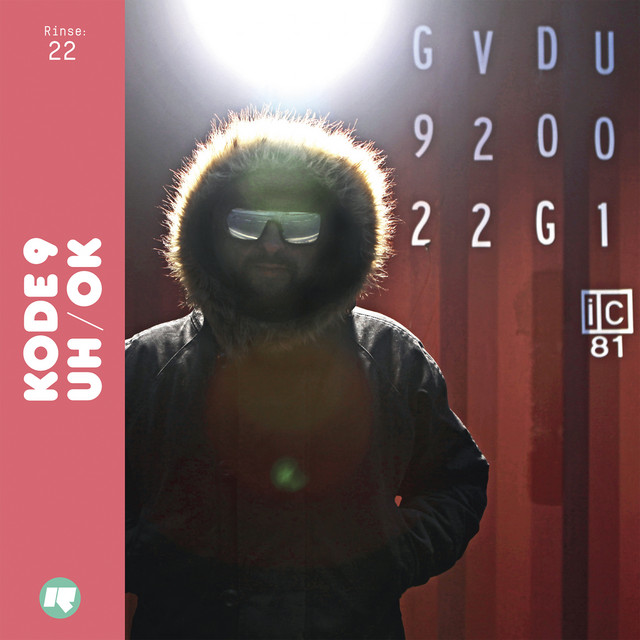
Rinse:22 - Uh / Ok
Kode9
Uk Bass
2010
1
/5
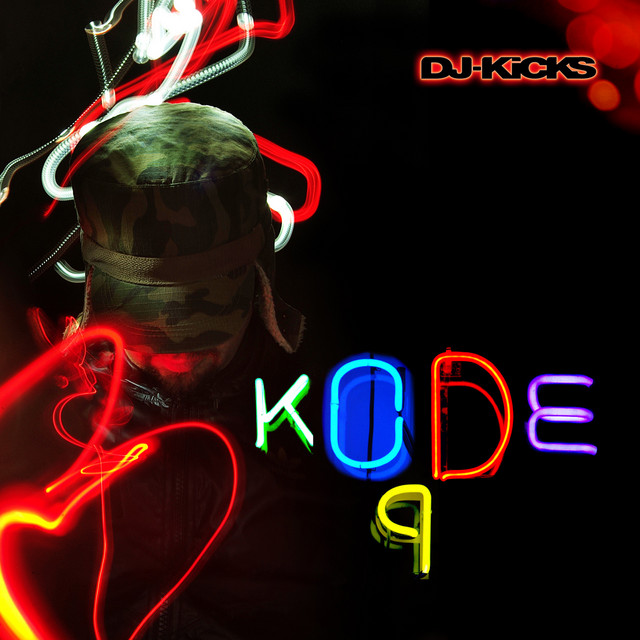
DJ-KiCKS: Kode9
Ikonika
Purple Sound
Downtempo
Dubstep
2006
1
/5
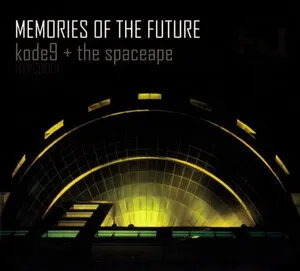
Memories of the Future
Kode9 & The Spaceape
Dubstep
Electronic
Similar artists
1
/5
Various Artists
Afro-Funk
Alternative Rock
Ambient
3
/5
Burial
Classic Dubstep
Hauntology
Uk Bass
3
/5
Ganja White Night
Dubstep
Tearout
Electronic
3
/5
Excision
Dubstep
Brostep
Electronic
3
/5
Alix Perez
Halftime Dnb
Dubstep
Drum And Bass
2
/5
The Bug
Illbient
Grime
Dubstep
2
/5
Mala
Dubstep
Uk Bass
Electronic
3
/5
Skream
Dubstep
Classic Dubstep
Uk Bass
1
/5
Silkie
Dubstep
Purple Sound
Bass Music
3
/5
SVDDEN DEATH
Riddim Dubstep
Dubstep
Tearout Brostep
Download our mobile app
Get the Melodigging app and start digging for new genres on the go
Download on the App Store
Get it on Google Play
© 2026 Melodigging
Give feedback
Legal
Melodding was created as a tribute to
Every Noise at Once
, which inspired us to help curious minds keep digging into music's ever-evolving genres.