Genres
Artists
Albums
Make Music
Sign in
Sign in
Artists
Psychobilly
Artists
Psychobilly
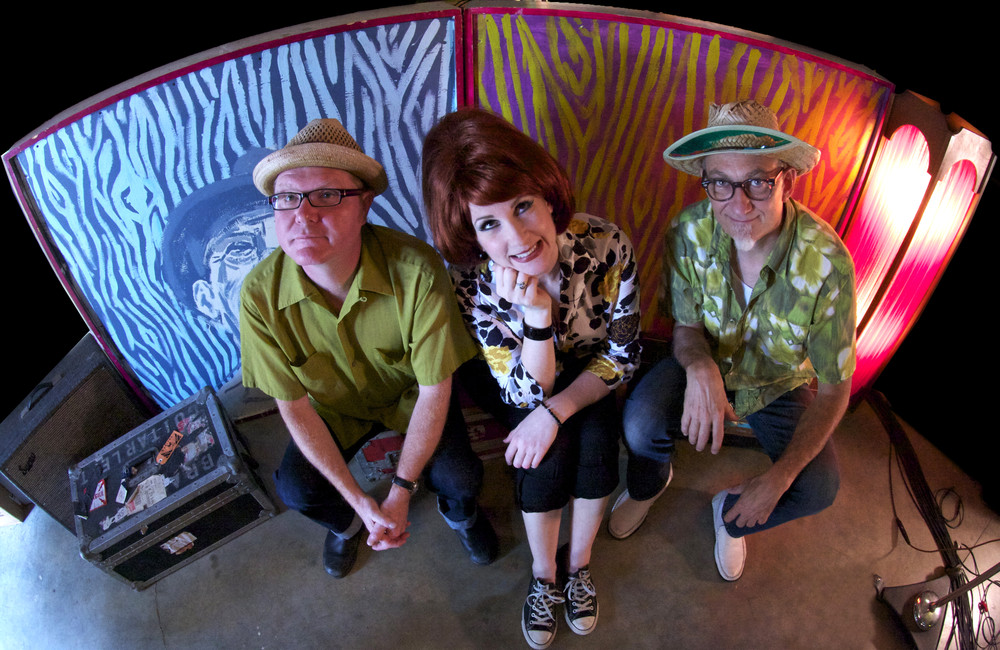
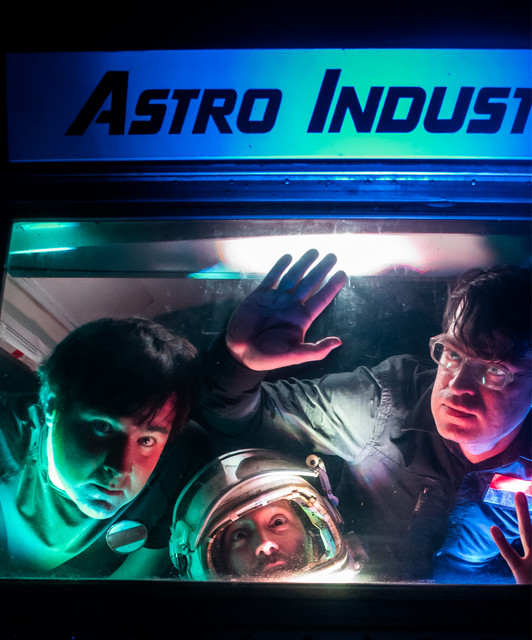
Southern Culture on the Skids
1994–1997
·
5 albums
Listen
2
/5
Genres
Indie Rock
Indie rock is a subgenre of rock and a branch of alternative rock that coalesced in the early–mid 1980s around independent labels and DIY practices in the United Kingdom, the United States, and New Zealand. Defined less by a single sound than by an ethos, indie rock favors non‑mainstream approaches, self‑recording and small‑label distribution, and an interest in pop‑informed melody and eclectic experimentation. Hallmarks include jangly or fuzzed guitars, intimate or deadpan vocals, off‑kilter song structures, and production that often preserves a raw, “authentic” feel rather than glossy studio polish.
Discover
Listen
Alternative Rock
Alternative rock is a broad umbrella for guitar-based rock that emerged from the independent and college-radio scenes as a counterpoint to mainstream, commercial rock. It blends the energy and ethos of punk with the textural and songwriting experiments of post-punk, new wave, jangle pop, and noise rock, often foregrounding introspective or socially aware lyrics. Across its many strains—from the melodic minimalism of college rock to the loud-quiet-loud dynamics of grunge and the artful experimentation of Radiohead-era modernism—alternative rock prioritizes authenticity, sonic individuality, and a do-it-yourself approach. Its sound ranges from chiming, chorus-laden clean guitars to abrasive distortion and feedback, supported by straightforward rock rhythms or off-kilter grooves, and production that can be either raw and live-sounding or polished yet unconventional.
Discover
Listen
Psychobilly
Psychobilly is a high-octane fusion of 1950s rockabilly and late‑1970s punk rock, spiked with horror, sci‑fi, and B‑movie aesthetics. It is defined by twangy, reverb‑drenched guitars, an aggressively slapped upright (double) bass, and breakneck drums that push songs toward punk tempos. The style’s sound balances the swing and I‑IV‑V DNA of rockabilly with punk’s distortion, attitude, and shout‑along choruses. Lyrics typically revel in campy macabre imagery—monsters, hot rods, graveyards, radioactive romance—delivered with a snarling, tongue‑in‑cheek theatricality. Onstage, pompadours, quiffs, tattoos, coffin imagery, and the signature “wrecking” pit-dance complete a subcultural identity that is both retro and transgressive. While rooted in the United Kingdom scene of the early 1980s, psychobilly rapidly spread across Europe and the United States, cultivating a global circuit of dedicated bands, labels, and festivals.
Discover
Listen
Neo-Psychedelia
Neo-psychedelia is a late-20th-century revival and reinvention of 1960s psychedelic music aesthetics, filtered through post-punk, indie, and experimental sensibilities. It emphasizes hypnotic textures, droning guitars, heavy use of effects (reverb, delay, phasing), analogue organs/synths, and dreamlike or surreal lyricism. Rhythms may draw from motorik and other steady, trance-inducing grooves, while harmony often favors modal colors and repetitive vamps. The style ranges from jangly, melodic songs to dense, feedback-laden soundscapes, and has been highly influential on dream pop, shoegaze, Britpop-adjacent scenes, and modern psych rock.
Discover
Listen
Surf
Surf is a guitar-driven style of early 1960s popular music that evokes the sound and culture of ocean surfing. It is best known for its "wet" spring reverb, rapid tremolo-picked melodies, and bright single‑coil guitar tones that mimic the shimmer and surge of waves. The genre includes both instrumental surf (Dick Dale, The Ventures) and vocal surf (The Beach Boys, Jan & Dean), the latter often pairing lush harmonies with lyrics about surfing, cars, and Southern California youth life. Harmonically it tends to use simple I–IV–V progressions, minor‑key modes for dramatic instrumentals, and singable hooks for radio‑friendly songs. Beyond its beach imagery, surf's sonic signatures influenced film/TV "spy" cues and later rock subgenres, thanks to its distinctive timbre, energetic rhythms, and memorable riffs.
Discover
Listen
Swamp Rock
Swamp rock is a gritty, rootsy form of rock that evokes the humid atmosphere of the U.S. Gulf Coast. It blends the loping rhythms and minor-key moods of Louisiana swamp blues with rock and roll drive, country earthiness, and New Orleans R&B grooves. Characterized by tremolo‑soaked electric guitars, thick reverb, hypnotic mid‑tempo grooves, and warm Hammond organ or piano, the style favors simple, blues-based progressions and storytelling lyrics. Songs often reference bayous, backroads, voodoo lore, and the heat and haze of Southern life, creating a sound that feels both murky and magnetic.
Discover
Listen
Countrypolitan
Countrypolitan is a smooth, pop-leaning branch of country music characterized by lush string arrangements, polished studio production, and crooning vocals. It deemphasizes fiddles, banjos, and honky-tonk grit in favor of orchestral textures, backing vocal choruses, and refined rhythm sections. Developed primarily in Nashville, it was crafted by producers and session players aiming for crossover success on mainstream pop charts. Hallmarks include string sections, vibraphone or piano pads, brushed drums, "tic-tac" bass doubling, subtle steel guitar, and concise, melody-forward songwriting with sentimental, often urbane themes of love and heartbreak.
Discover
Listen
Experimental Rock
Experimental rock is a broad, exploratory branch of rock music that prioritizes innovation over convention. It stretches rock’s core instrumentation and song forms through unusual timbres, extended techniques, nonstandard tunings, chance procedures, and studio-as-instrument production. Drawing on avant-garde composition, free jazz, minimalism, and electronic/tape music, experimental rock often rejects verse–chorus structures in favor of drones, suites, collage, and improvisation. It embraces dissonance and noise as expressive tools, employs odd or fluid meters, and incorporates non-rock instruments, found sounds, and unconventional recording methods. The result is a lineage of music that treats rock not as a fixed style but as a laboratory for new sound worlds.
Discover
Listen
Rockabilly
Rockabilly is one of the earliest styles of rock and roll, fusing the twang and storytelling of Southern country ("hillbilly") with the driving backbeat and boogie of rhythm & blues and jump blues. It is marked by slap‑back echo on vocals and guitar, slapping upright bass, twangy hollow‑body electrics, and energetic, danceable grooves. The classic rockabilly sound emerged from mid‑1950s Memphis studios such as Sun Records, where minimal drum kits (or none at all) mixed with percussive bass and bright, overdriven guitars. Songs are typically short, hooky, and built on 12‑bar blues or simple I–IV–V progressions, with lyrics about love, cars, dancing, and youthful rebellion.
Discover
Listen
Show all 9 genres
Albums
1997
2
/5
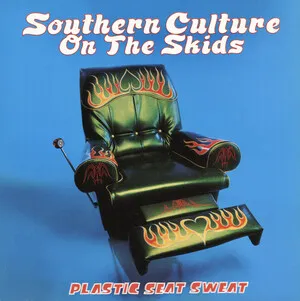
Plastic Seat Sweat
Southern Culture on the Skids
Swamp Rock
1995
3
/5
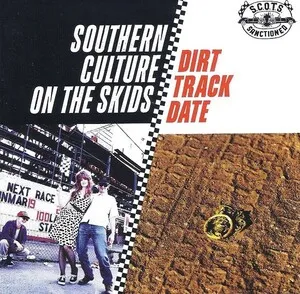
Dirt Track Date
Southern Culture on the Skids
Rockabilly
1994
1
/5
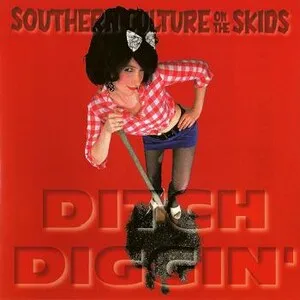
Ditch Diggin'
Southern Culture on the Skids
Swamp Rock
Indie Rock
Psychobilly
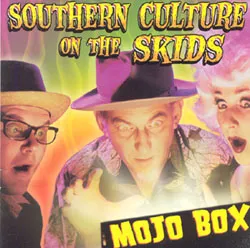
Mojo Box
Southern Culture on the Skids
Swamp Rock
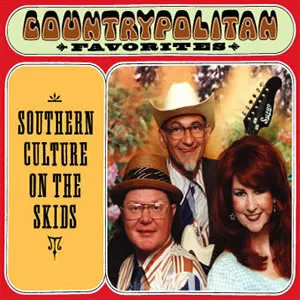
Countrypolitan Favorites
Southern Culture on the Skids
Countrypolitan
Similar artists
1
/5
Various Artists
Afro-Funk
Alternative Rock
Ambient
2
/5
Man Or Astro-Man?
Surf Rock
Surf
Surf Punk
2
/5
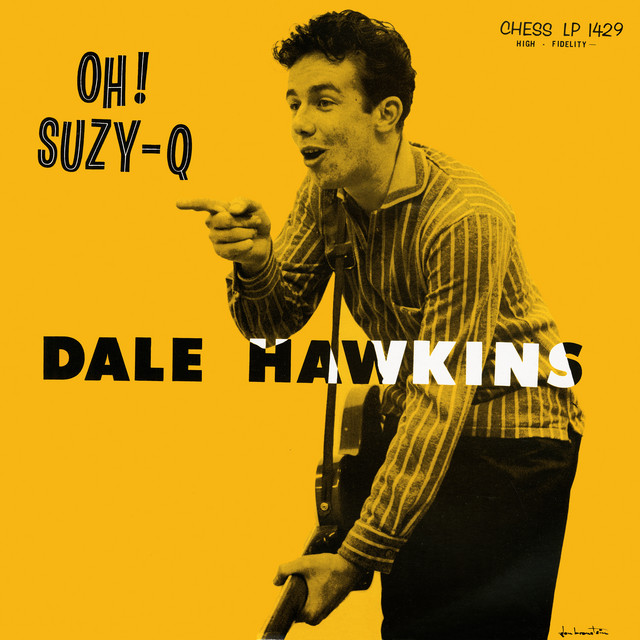
Dale Hawkins
Psychobilly
Rock And Roll
Rockabilly
1
/5
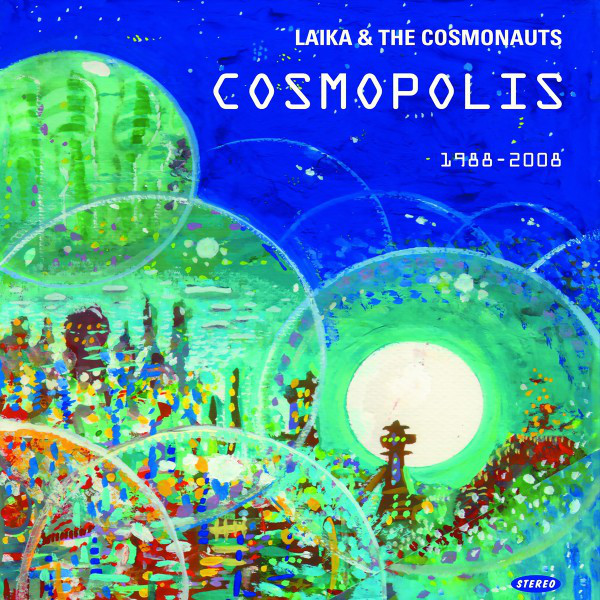
Laika & The Cosmonauts
Rautalanka
Surf Rock
Exotica
2
/5
Messer Chups
Surf Rock
Exotica
Horror Punk
2
/5
Deadbolt
Gothabilly
Horror Punk
Psychobilly
4
/5
The Cramps
Psychobilly
Gothabilly
Rockabilly
3
/5
Stray Cats
Psychobilly
Rockabilly
Chill Pop
3
/5
Wanda Jackson
Rockabilly
Nashville Sound
Psychobilly
3
/5
The Reverend Horton Heat
Psychobilly
Rockabilly
Rock
Download our mobile app
Get the Melodigging app and start digging for new genres on the go
Download on the App Store
Get it on Google Play
© 2026 Melodigging
Give feedback
Legal
Melodding was created as a tribute to
Every Noise at Once
, which inspired us to help curious minds keep digging into music's ever-evolving genres.