Genres
Artists
Albums
Make Music
Sign in
Sign in
Artists
Progressive Rock
Artists
Progressive Rock
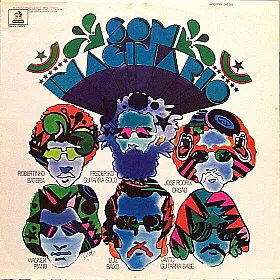
Som Imaginario
1973–2006
·
3 albums
Listen
2
/5
Genres
Neo-Psicodelia Brasileira
Neo-psicodelia brasileira (Brazilian neo-psychedelia) is a contemporary wave of Brazilian artists who revive and reinvent classic 1960s/70s psychedelic aesthetics through today’s indie-rock, dream-pop, shoegaze, and experimental production. Marked by shimmering guitars drenched in reverb and fuzz, hypnotic grooves that often nod to Brazilian rhythmic DNA (from Tropicália’s eclecticism to samba, baião, and maracatu pulses), and kaleidoscopic synth textures, the style pairs vintage tones with modern bedroom-studio craft. Portuguese lyrics frequently blend surreal imagery with everyday urban poetics, creating a sound that is at once nostalgic and forward-looking. This scene flourished around DIY venues, independent labels, and digital communities across Brazil, with a particularly strong footprint in cities like São Paulo, Goiânia, Belo Horizonte, and Recife. The result is a colorful, exploratory ecosystem that treats psychedelia not as pure retro revival but as a living vocabulary.
Discover
Listen
Clube Da Esquina
Clube da Esquina is a Brazilian musical movement and songwriting style that emerged in the early 1970s in Belo Horizonte, Minas Gerais. It fuses the poetic intimacy of MPB and bossa nova with Beatles-inspired rock, jazz harmony, folk-rock textures, and touches of psychedelia and progressive rock. The result is a warm, guitar- and piano-led sound with luminous vocal harmonies, sophisticated chord colors, and evocative, image-rich lyrics. Its hallmark is the blend of regional Mineiro sensibility—pastoral, nostalgic, spiritual—with cosmopolitan arranging and harmonic daring. Songs feel dreamy yet grounded, tender yet harmonically bold, balancing lyrical introspection with melodic immediacy.
Discover
Listen
Progressive Rock
Progressive rock is a rock subgenre that expands the genre’s formal, harmonic, and conceptual boundaries. It favors long-form compositions, intricate arrangements, and virtuosic musicianship, often drawing on Western classical, jazz, folk, and psychedelic idioms. Typical hallmarks include multi-part suites, shifting time signatures, extended instrumental passages, recurring motifs, and concept albums that present unified themes or narratives. The sound palette commonly features electric guitar, bass, and drums alongside an array of keyboards (Hammond organ, Mellotron, Moog/ARP synthesizers, piano), woodwinds or brass, and occasional orchestral additions. Lyrics often explore science fiction, mythology, philosophy, social commentary, and introspective themes.
Discover
Listen
Brazilian Rock
Brazilian rock is the umbrella term for rock music created in Brazil, sung mostly in Portuguese, and colored by the country’s regional rhythms, harmonic language, and social context. From its 1960s roots in rock and roll and Jovem Guarda, through the psychedelic and Tropicália experiments at the decade’s end, to the post-dictatorship explosion of 1980s “BRock,” the style has continually absorbed global rock currents while retaining a distinctly Brazilian identity. You’ll hear electric guitars alongside samba and baião grooves, bossa/MPB chords, and lyrics that move between youthful romance, biting social commentary, and poetic introspection. Today, Brazilian rock spans classic, alternative, indie, and heavy strands, remaining a foundational pillar of Brazilian popular music.
Discover
Listen
Mpb
MPB (Música Popular Brasileira) is a broad Brazilian popular music movement that crystallized in the mid-1960s after bossa nova. It blends samba and other regional rhythms with jazz harmony, singer‑songwriter craft, and elements of contemporary pop and rock. The style is marked by sophisticated melodies, extended harmonies, inventive arrangements, and lyrically rich songs that often use poetry and metaphor. Many classic MPB works balance intimacy (voice and violão/nylon‑string guitar) with lush studio orchestration, drawing from samba‑canção, choro, baião, and frevo while engaging modern influences. Historically, MPB provided a platform for social commentary during Brazil’s military dictatorship, with artists employing allegory to navigate censorship. It remains a living tradition that continually renews itself through new generations (“nova MPB”).
Discover
Listen
Samba-Jazz
Samba‑jazz is a Brazilian small‑combo style that fuses the propulsive, syncopated rhythms of samba with the harmony, form, and improvisational language of modern jazz (especially hard bop and cool jazz). It is typically more energetic and instrumental than bossa nova, emphasizing virtuosic interaction in piano‑trio and quartet/quintet settings. The drumming concept—pioneered by Edison Machado and others—moves the samba pulse to the ride cymbal and hi‑hat ("samba no prato"), while the bass suggests surdo patterns and the piano/guitar supplies rich jazz voicings. Heads are often concise, followed by swinging, straight‑eighth samba grooves under extended improvisations, and a tight return to the theme.
Discover
Listen
Brazilian Jazz
Brazilian jazz is the meeting point of Brazilian popular music and North American jazz, blending samba and bossa nova rhythms with jazz harmony, improvisation, and ensemble interaction. The style typically features syncopated Brazilian grooves (samba, bossa, partido‑alto) under extended jazz chord voicings and lyrical melodies. Acoustic guitar or piano often supplies a gently propulsive, off‑beat rhythmic bed, while bass and drums translate samba’s surdo and pandeiro patterns to the jazz rhythm section. Timbres range from intimate (nylon‑string guitar, brushed drum kit, flute) to expansive (full percussion batteries, horns, and electric keys). The overall feel can be both laid‑back and danceable—romantic yet harmonically sophisticated.
Discover
Listen
Choro
Choro is an urban Brazilian instrumental genre that arose in Rio de Janeiro in the late 19th century. It blends European dance forms (polka, schottische, waltz, mazurka) with Afro-Brazilian rhythmic sensibilities from styles like lundu and early maxixe, producing a supple, highly syncopated groove. Typical choro ensembles (regionais) feature a lead melodic instrument—often flute, clarinet, or bandolim (mandolin)—supported by cavaquinho and 6-string guitar for harmony, a 7‑string guitar providing counter-melodic bass lines (baixarias), and pandeiro for light percussion. Pieces commonly use multi-strain forms (e.g., AABBACCA), incorporate modulations, and encourage melodic variations and counterpoint rather than long harmonic solos. The result is music that is both virtuosic and lyrical, at once salon-refined and street-savvy.
Discover
Listen
Show all 8 genres
Albums
2006
2
/5
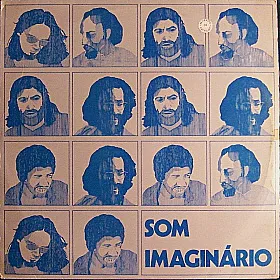
Som Imaginário
Som Imaginário
Clube Da Esquina
1973
2
/5
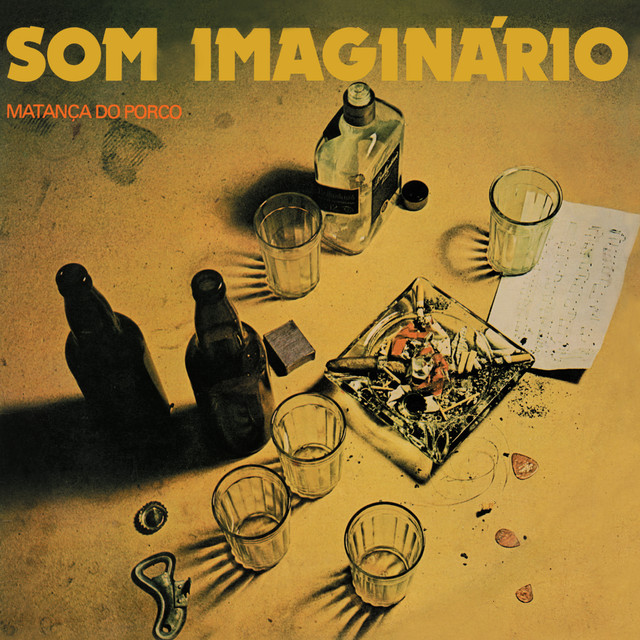
Matança do porco
Som Imaginário
Clube Da Esquina
Choro
Mpb
Som Imaginário
Som Imaginário
Clube Da Esquina
Similar artists
4
/5
Milton Nascimento
Mpb
Clube Da Esquina
Bossa Nova
3
/5
Lô Borges
Mpb
Brazilian Jazz
Clube Da Esquina
3
/5
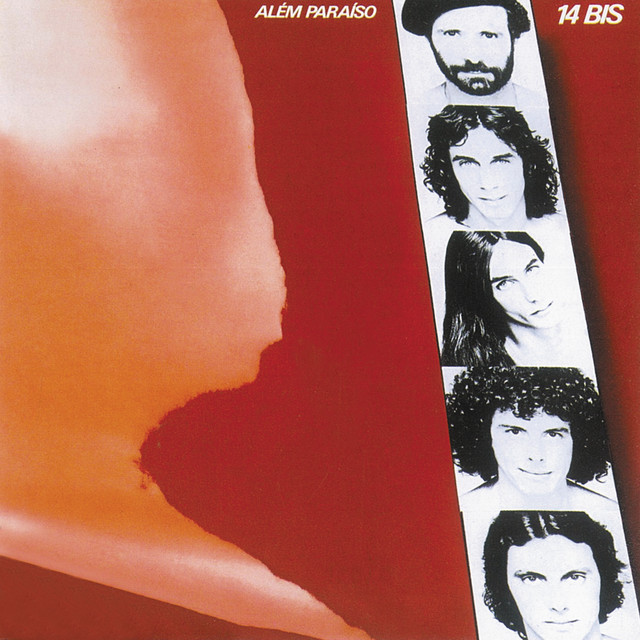
14 Bis
Clube Da Esquina
Brazilian Pop
Brazilian Rock
3
/5
Ed Motta
Brazilian Jazz
Brazilian Pop
Brazilian Rock
2
/5
Toninho Horta
Bossa Nova
Brazilian Jazz
Clube Da Esquina
2
/5
Casa Das Máquinas
Brazilian Rock
Progressive Rock
Neo-Psicodelia Brasileira
2
/5
O Terco
Brazilian Rock
Progressive Rock
Rock Rural
1
/5
A Barca Do Sol
Brazilian Rock
Progressive Rock
Rock Rural
1
/5
Som Nosso De Cada Dia
Brazilian Rock
Progressive Rock
1
/5
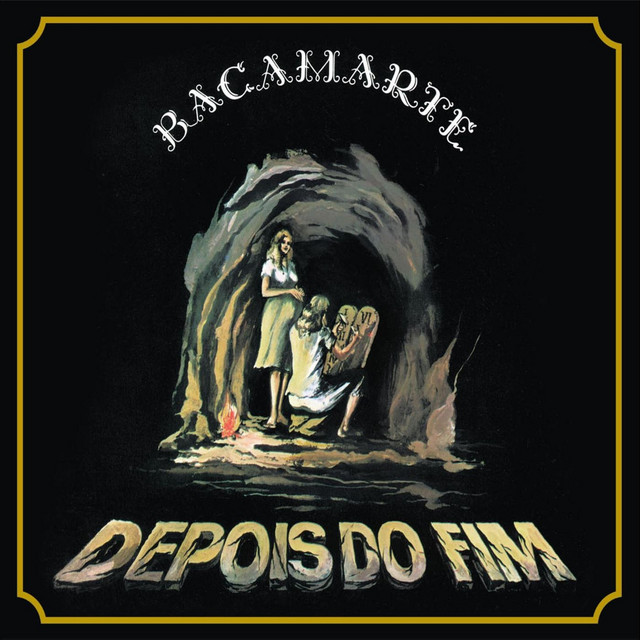
Bacamarte
Brazilian Rock
Progressive Rock
Rock
Download our mobile app
Get the Melodigging app and start digging for new genres on the go
Download on the App Store
Get it on Google Play
© 2026 Melodigging
Give feedback
Legal
Melodding was created as a tribute to
Every Noise at Once
, which inspired us to help curious minds keep digging into music's ever-evolving genres.