Genres
Artists
Albums
Make Music
Sign in
Sign in
Artists
Classical
Artists
Classical
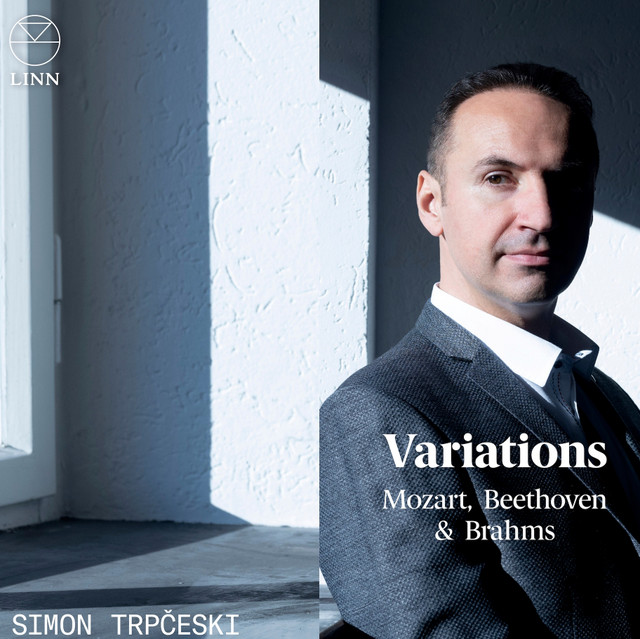
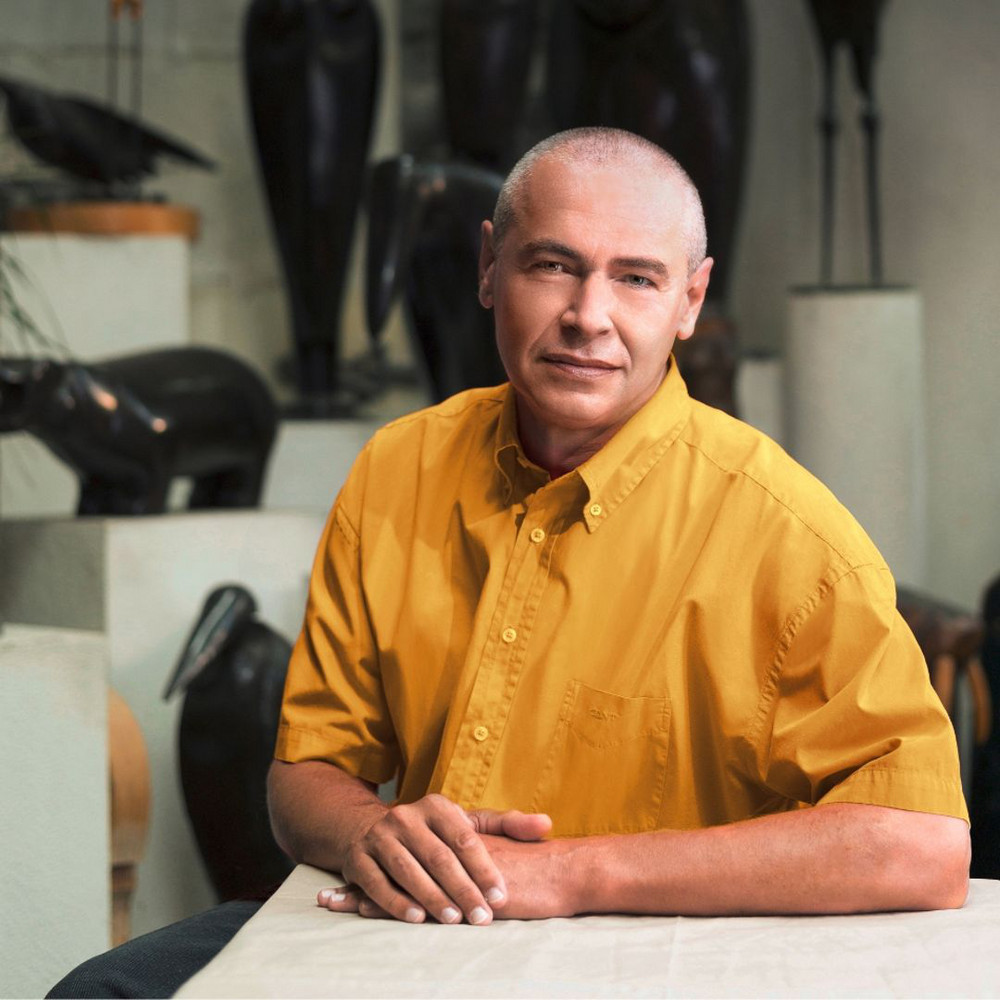
Simon Trpčeski
2008
·
1 album
Listen
2
/5
Genres
Balkan Classical Piano
Balkan classical piano refers to the body of piano composition and performance practice that grew out of the Balkan region’s national schools during the late Romantic and early modern eras. It merges Western conservatory technique and forms (sonatas, suites, character pieces) with distinctly Balkan folk traits: asymmetric “aksak” meters (5/8, 7/8, 9/8, 11/8), drone-like basses, modal inflections (Hijaz-tinged minor, Mixolydian, and local folk modes), and ornamental turns borrowed from regional vocal and dance traditions. The result ranges from rhapsodic, doina-like rubato to driving, dance-derived motor rhythms—often virtuosic yet melodically direct. Stylistically, the tradition spans late-Romantic lyricism, impressionistic color, neoclassical clarity, and 20th‑century modernism (including atonality in some schools), all colored by Balkan melodic and rhythmic DNA.
Discover
Listen
Classical Piano
Classical piano is the tradition of composing and performing music for the acoustic piano within the Western classical lineage. It emphasizes formal clarity, tonal harmony, contrapuntal writing, and expressive nuance across the full compass of the instrument. Its core repertoire ranges from Classical-era sonatas and variations to Romantic character pieces, études, dances, and 20th-century impressionistic and modernist works. Pianists exploit dynamics, articulation, pedaling, and touch to shape phrases, imitate orchestral textures, and project both intimate lyricism and large-scale drama.
Discover
Listen
Classical
Classical music is the notated art-music tradition of Europe and its global descendants, characterized by durable forms, carefully codified harmony and counterpoint, and a literate score-based practice. The term “classical” can refer broadly to the entire Western art-music lineage from the Medieval era to today, not just the Classical period (c. 1750s–1820s). It privileges long-form structures (such as symphonies, sonatas, concertos, masses, and operas), functional or modal harmony, thematic development, and timbral nuance across ensembles ranging from solo instruments to full orchestras and choirs. Across centuries, the style evolved from chant and modal polyphony to tonal harmony, and later to post-tonal idioms, while maintaining a shared emphasis on written notation, performance practice, and craft.
Discover
Listen
Albums
2008
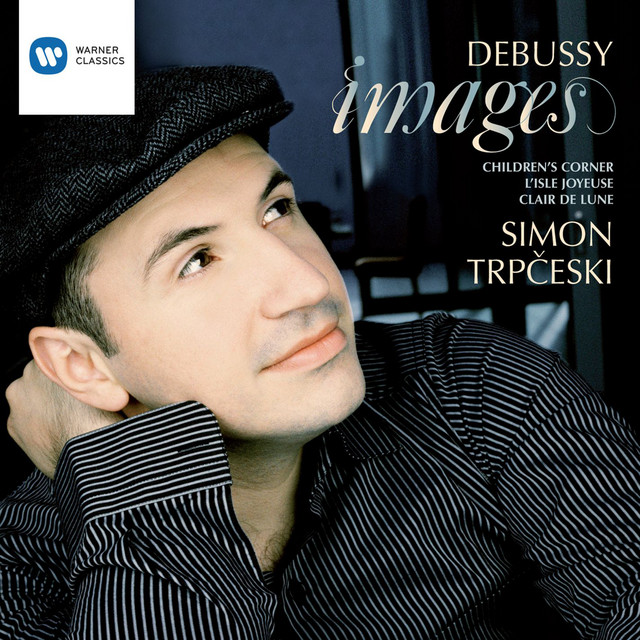
Debussy: Images & Children's Corner
Claude Debussy, Simon Trpčeski
Balkan Classical Piano
Similar artists
4
/5
Wolfgang Amadeus Mozart
Classical
Requiem
Classical Period
4
/5
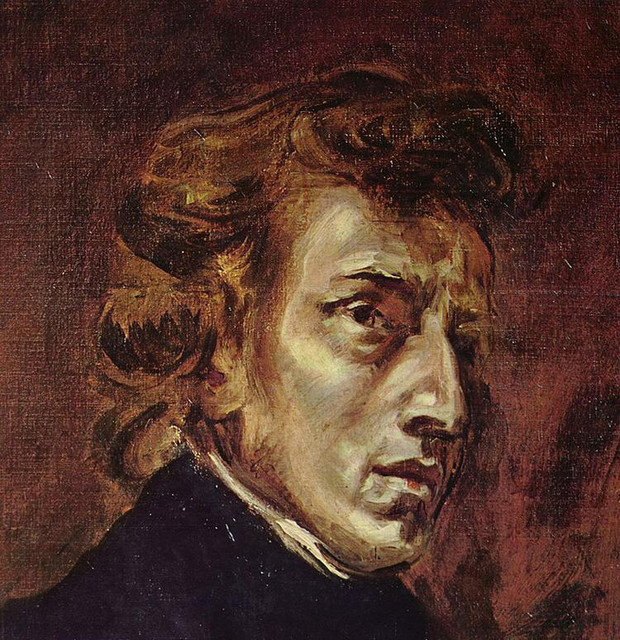
Frédéric Chopin
Classical
Character Piece
Nocturne
4
/5
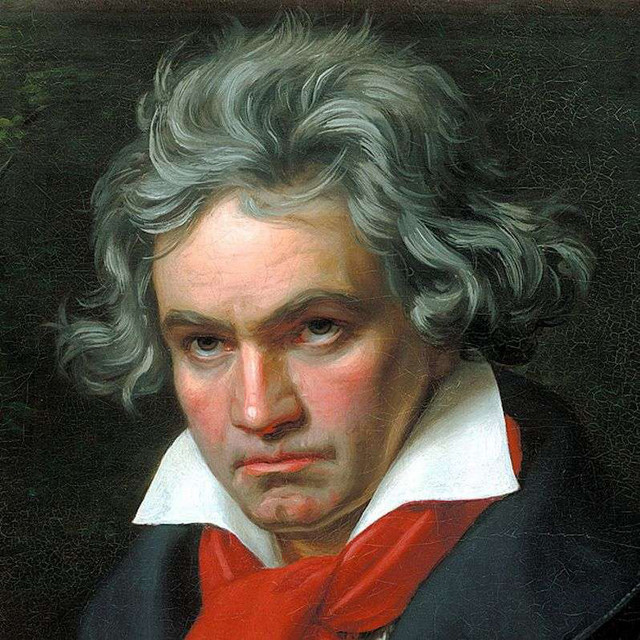
Ludwig van Beethoven
Classical
Classical Period
Romantic Classical
4
/5
Claude Debussy
Impressionism
Classical
Classical Piano
4
/5
Sergei Rachmaninoff
Classical
Moscow School
Concerto
4
/5
Franz Liszt
New German School
Classical
Classical Piano
3
/5
Domenico Scarlatti
Baroque
Classical
Classical Mandolin
3
/5
Carl Philipp Emanuel Bach
Baroque
Baroque Cello
Classical
3
/5
Ivo Pogorelich
Impressionism
Baroque
Classical
3
/5
Warsaw Philharmonic Orchestra
Classical
Classical Piano
Concerto
Download our mobile app
Get the Melodigging app and start digging for new genres on the go
Download on the App Store
Get it on Google Play
© 2026 Melodigging
Give feedback
Legal
Melodding was created as a tribute to
Every Noise at Once
, which inspired us to help curious minds keep digging into music's ever-evolving genres.