Genres
Artists
Albums
Make Music
Sign in
Sign in
Artists
Bisrock
Artists
Bisrock
Siakol
Listen
3
/5
Genres
Pinoy Alternative
Pinoy alternative (Filipino alternative) is a broad strand of Original Pilipino Music (OPM) that fused the melodic sensibility of local pop with the DIY ethos and guitar-driven sound of global alternative rock. Emerging in the 1990s, the style favored hooky choruses, jangly-to-crunchy guitars, and conversational lyrics in Tagalog, Taglish, and English. It embraced humor, social observation, and youth narratives while drawing from grunge, Britpop, new wave, and indie rock. The result is music that can be witty and anthemic yet reflective and sentimental—distinctly Filipino in voice and storytelling.
Discover
Listen
Bisrock
Bisrock is a Cebuano-language variant of Pinoy rock that emerged from the Cebu rock scene in the Philippines. The name blends “Bisaya” (referring to the Visayan languages, especially Cebuano) and “rock,” signaling a community-forward movement to make rock that speaks in the local tongue. Although bands were already performing Cebuano-language rock in the 1980s, the label “Bisrock” was popularized in 2002 by Cebuano writer Januar E. Yap, first attached to Missing Filemon’s debut. The scene resonated particularly with youth in the Visayas and Mindanao, championing regional identity through rock idioms ranging from alternative and punk to reggae-inflected grooves. Stylistically, Bisrock pairs familiar rock instrumentation and progressions with lyrics that foreground everyday Cebuano life, humor, romance, social commentary, and local pride. Its appeal was both musical and cultural: it normalized using Cebuano as a primary rock language and briefly became a visible regional movement during the 2000s.
Discover
Listen
Alternative Rock
Alternative rock is a broad umbrella for guitar-based rock that emerged from the independent and college-radio scenes as a counterpoint to mainstream, commercial rock. It blends the energy and ethos of punk with the textural and songwriting experiments of post-punk, new wave, jangle pop, and noise rock, often foregrounding introspective or socially aware lyrics. Across its many strains—from the melodic minimalism of college rock to the loud-quiet-loud dynamics of grunge and the artful experimentation of Radiohead-era modernism—alternative rock prioritizes authenticity, sonic individuality, and a do-it-yourself approach. Its sound ranges from chiming, chorus-laden clean guitars to abrasive distortion and feedback, supported by straightforward rock rhythms or off-kilter grooves, and production that can be either raw and live-sounding or polished yet unconventional.
Discover
Listen
Opm
OPM (Original Pilipino Music) is the umbrella term for Filipino popular music, encompassing mainstream pop, soft rock, ballads, and band music primarily sung in Filipino languages (especially Tagalog) as well as English. The tag crystallized in the 1970s alongside the Manila Sound movement and the formation of a modern local recording industry that foregrounded Filipino songwriting and artists. Stylistically, OPM blends Western pop/rock and soul with indigenous and Hispanic-influenced Filipino song traditions such as kundiman and harana. Melodies tend to be singable and emotive, harmony is diatonic with occasional modulations, and lyrics often revolve around love, nostalgia, family, and national identity. Across decades, OPM has continually evolved—from disco-tinged 70s pop and 80s power ballads to 90s alternative band culture and today’s polished pop and R&B—while remaining distinctively Filipino in sensibility and storytelling.
Discover
Listen
P-Pop
P-pop (Pinoy pop) is the umbrella term for Filipino popular music, spanning slick idol groups, powerhouse solo vocalists, dance-pop, ballads, and hybrid pop-rap/R&B crossovers. While its roots lie in the 1970s OPM (Original Pilipino Music) era—fusing Western pop/rock with Filipino sensibilities—the contemporary P-pop wave integrates K-pop/J-pop-style training, choreography, and group branding with Tagalog or Taglish (Tagalog–English) lyrics and distinctly Filipino storytelling. Sonically, P-pop favors hook-forward choruses, glossy synths, tight vocal stacks, and danceable rhythms, but it also preserves the OPM tradition of emotive belting and big ballad codas. The result is a high-energy, proudly local pop sound built for both live performance and global streaming.
Discover
Listen
Pinoy Rock
Pinoy rock is the Filipino take on rock music, distinguished by its use of Tagalog and other Philippine languages, melodic songcraft, and a strong sense of place and social commentary. Rooted in classic rock and roll, blues rock, and psychedelic rock of the 1960s–70s, it crystallized in the early 1970s when artists began writing original rock songs in Tagalog. Over time it absorbed punk, new wave, alternative rock, and metal, creating a broad spectrum that runs from anthemic, guitar-driven classics to edgy, socially charged punk and radio-friendly pop-rock. Beyond sound, Pinoy rock is a cultural movement: it chronicles everyday life, humor, love, and political realities in the Philippines, often with catchy hooks, sing-along choruses, and conversational, Taglish (Tagalog-English) lyrics.
Discover
Listen
Similar artists
3
/5
Brownman Revival
Bisrock
Harana
Opm
3
/5
Grin Department
Bisrock
Opm
P-Pop
3
/5
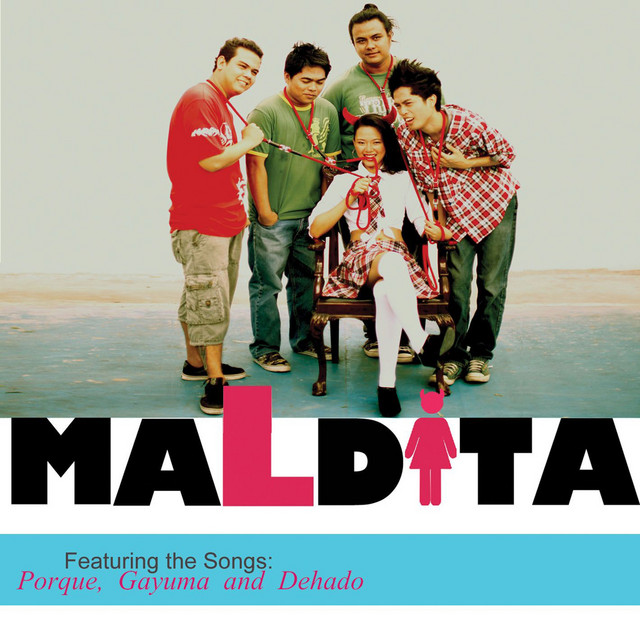
Maldita
Bisrock
Harana
Opm
4
/5
December Avenue
Pinoy Alternative
Pinoy Rock
Batak
4
/5
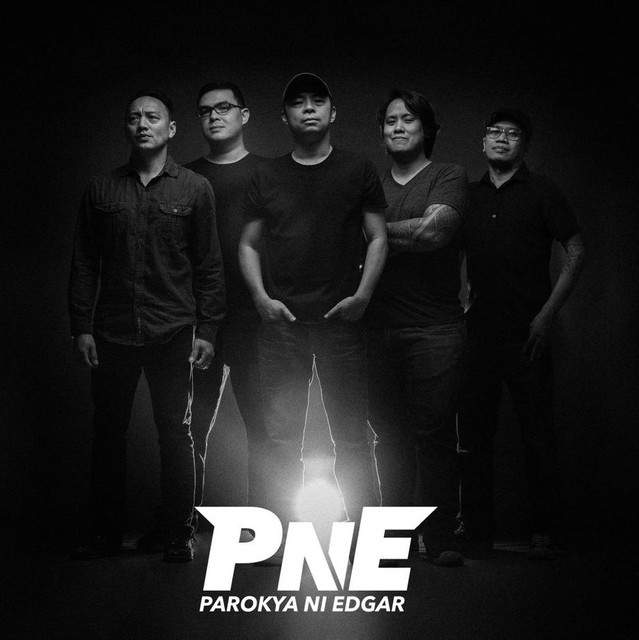
Parokya Ni Edgar
Harana
Opm
P-Pop
4
/5
Silent Sanctuary
Pinoy Alternative
Pinoy Rock
Harana
4
/5
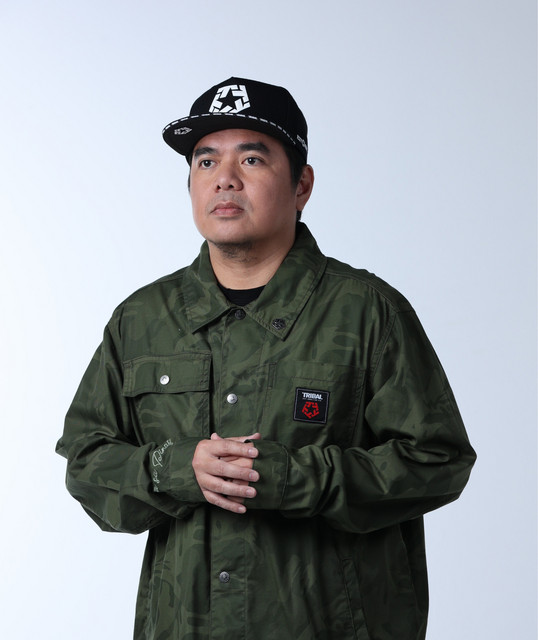
Gloc-9
Opm
P-Pop
Pinoy Alternative
4
/5
Up Dharma Down
Harana
Kundiman
Opm
4
/5
Eraserheads
Alternative Rock
Rock
Pop
4
/5
Rico Blanco
Pinoy Alternative
Pinoy Rock
Harana
Download our mobile app
Get the Melodigging app and start digging for new genres on the go
Download on the App Store
Get it on Google Play
© 2026 Melodigging
Give feedback
Legal
Melodding was created as a tribute to
Every Noise at Once
, which inspired us to help curious minds keep digging into music's ever-evolving genres.