Genres
Artists
Albums
Make Music
Sign in
Sign in
Artists
Harana
Artists
Harana
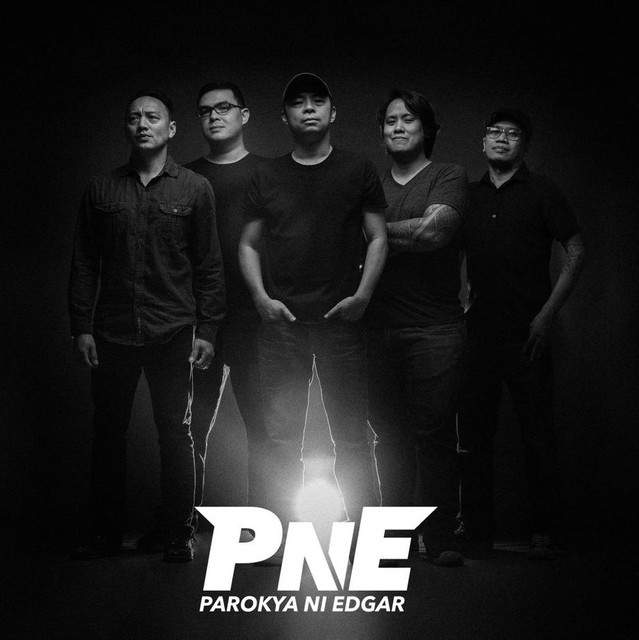
Parokya Ni Edgar
Listen
4
/5
Genres
Pinoy Alternative
Pinoy alternative (Filipino alternative) is a broad strand of Original Pilipino Music (OPM) that fused the melodic sensibility of local pop with the DIY ethos and guitar-driven sound of global alternative rock. Emerging in the 1990s, the style favored hooky choruses, jangly-to-crunchy guitars, and conversational lyrics in Tagalog, Taglish, and English. It embraced humor, social observation, and youth narratives while drawing from grunge, Britpop, new wave, and indie rock. The result is music that can be witty and anthemic yet reflective and sentimental—distinctly Filipino in voice and storytelling.
Discover
Listen
Pinoy Hip Hop
Pinoy hip hop (Filipino hip hop) is the Philippines’ take on rap culture, blending the foundations of American hip hop with local languages, melodies, and storytelling traditions. Artists frequently switch between Tagalog and English ("Taglish"), as well as other Philippine languages (e.g., Cebuano, Ilocano), creating a conversational and culturally specific lyrical voice. Musically, the style spans classic boom-bap and G‑funk to contemporary trap and pop-rap. Producers often sample or interpolate OPM (Original Pilipino Music) ballads and love songs, mixing sentimental hooks with gritty verses. Thematically, Pinoy hip hop ranges from braggadocio and nightlife to social critique, diaspora identity, humor, and “hugot” (emotionally candid) storytelling. The genre is rooted in Manila’s dance and DJ culture but has grown nationally and within the diaspora. Battle rap culture—particularly the FlipTop league—has been a major force, foregrounding lyricism, multisyllabic rhyme schemes, and the debate-like tradition reminiscent of Balagtasan.
Discover
Listen
Alternative Rock
Alternative rock is a broad umbrella for guitar-based rock that emerged from the independent and college-radio scenes as a counterpoint to mainstream, commercial rock. It blends the energy and ethos of punk with the textural and songwriting experiments of post-punk, new wave, jangle pop, and noise rock, often foregrounding introspective or socially aware lyrics. Across its many strains—from the melodic minimalism of college rock to the loud-quiet-loud dynamics of grunge and the artful experimentation of Radiohead-era modernism—alternative rock prioritizes authenticity, sonic individuality, and a do-it-yourself approach. Its sound ranges from chiming, chorus-laden clean guitars to abrasive distortion and feedback, supported by straightforward rock rhythms or off-kilter grooves, and production that can be either raw and live-sounding or polished yet unconventional.
Discover
Listen
Opm
OPM (Original Pilipino Music) is the umbrella term for Filipino popular music, encompassing mainstream pop, soft rock, ballads, and band music primarily sung in Filipino languages (especially Tagalog) as well as English. The tag crystallized in the 1970s alongside the Manila Sound movement and the formation of a modern local recording industry that foregrounded Filipino songwriting and artists. Stylistically, OPM blends Western pop/rock and soul with indigenous and Hispanic-influenced Filipino song traditions such as kundiman and harana. Melodies tend to be singable and emotive, harmony is diatonic with occasional modulations, and lyrics often revolve around love, nostalgia, family, and national identity. Across decades, OPM has continually evolved—from disco-tinged 70s pop and 80s power ballads to 90s alternative band culture and today’s polished pop and R&B—while remaining distinctively Filipino in sensibility and storytelling.
Discover
Listen
P-Pop
P-pop (Pinoy pop) is the umbrella term for Filipino popular music, spanning slick idol groups, powerhouse solo vocalists, dance-pop, ballads, and hybrid pop-rap/R&B crossovers. While its roots lie in the 1970s OPM (Original Pilipino Music) era—fusing Western pop/rock with Filipino sensibilities—the contemporary P-pop wave integrates K-pop/J-pop-style training, choreography, and group branding with Tagalog or Taglish (Tagalog–English) lyrics and distinctly Filipino storytelling. Sonically, P-pop favors hook-forward choruses, glossy synths, tight vocal stacks, and danceable rhythms, but it also preserves the OPM tradition of emotive belting and big ballad codas. The result is a high-energy, proudly local pop sound built for both live performance and global streaming.
Discover
Listen
Pinoy Rock
Pinoy rock is the Filipino take on rock music, distinguished by its use of Tagalog and other Philippine languages, melodic songcraft, and a strong sense of place and social commentary. Rooted in classic rock and roll, blues rock, and psychedelic rock of the 1960s–70s, it crystallized in the early 1970s when artists began writing original rock songs in Tagalog. Over time it absorbed punk, new wave, alternative rock, and metal, creating a broad spectrum that runs from anthemic, guitar-driven classics to edgy, socially charged punk and radio-friendly pop-rock. Beyond sound, Pinoy rock is a cultural movement: it chronicles everyday life, humor, love, and political realities in the Philippines, often with catchy hooks, sing-along choruses, and conversational, Taglish (Tagalog-English) lyrics.
Discover
Listen
Comedy Rock
Comedy rock blends the instrumentation, song structures, and energy of rock music with humorous lyrics, satire, pastiche, and parody. Its songs often lampoon pop culture, rock tropes, and everyday life, while still delivering tight arrangements and strong hooks. Artists may mimic the sonic fingerprints of specific rock subgenres (from hard rock to surf or punk) to heighten the comedic effect, use wordplay and punchlines as lyrical “hooks,” and deploy theatrical delivery, skits, and character voices. The best comedy rock balances musicianship with timing, so the joke lands without sacrificing the groove.
Discover
Listen
Harana
Harana is a Filipino tradition of nocturnal courtship serenades performed outside a woman’s window, typically accompanied by a guitar and a small group of male singers. It took shape during the Spanish colonial period and blends Iberian musical elements with local languages and poetic sensibilities. Musically, harana favors gentle tempos, lilting Spanish-derived dance rhythms (especially the habanera and occasional waltz), and simple, elegant harmonies that support expressive, melismatic vocal delivery. Lyrics are written in Tagalog (and other Philippine languages), using highly formal, respectful, and flowery language that extols virtue, modesty, and devotion. While closely related to the more art-song–oriented kundiman, harana is defined by its function as a serenade: a ritualized performance with a call-and-response social script, rather than a concert piece. Its sound world—guitar rasgueado patterns, bass-note–plus–strum accompaniments, and sweet, sentimental melodies—has left a lasting imprint on Philippine love songs and popular ballads.
Discover
Listen
Show all 8 genres
Similar artists
4
/5
December Avenue
Pinoy Alternative
Pinoy Rock
Batak
4
/5
Silent Sanctuary
Pinoy Alternative
Pinoy Rock
Harana
4
/5
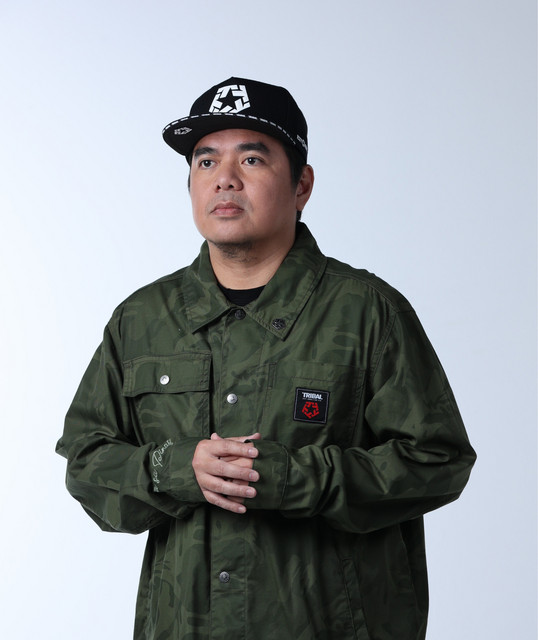
Gloc-9
Opm
P-Pop
Pinoy Alternative
4
/5
Up Dharma Down
Harana
Kundiman
Opm
4
/5
Eraserheads
Harana
Kundiman
Opm
4
/5
Dionela
Harana
Opm
P-Pop
4
/5
Rico Blanco
Pinoy Alternative
Pinoy Rock
Harana
4
/5
Jireh Lim
Harana
Opm
P-Pop
4
/5
Rivermaya
Harana
Opm
P-Pop
4
/5
Hale
Pinoy Alternative
Pinoy Rock
Harana
Download our mobile app
Get the Melodigging app and start digging for new genres on the go
Download on the App Store
Get it on Google Play
© 2026 Melodigging
Give feedback
Legal
Melodding was created as a tribute to
Every Noise at Once
, which inspired us to help curious minds keep digging into music's ever-evolving genres.