Genres
Artists
Albums
Make Music
Sign in
Sign in
Artists
Muzika Mizrahit
Artists
Muzika Mizrahit
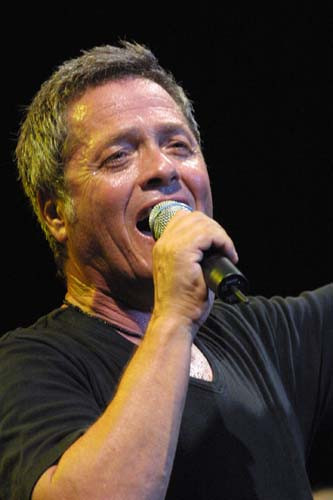
Shlomo Artzi
1977
·
1 album
Listen
3
/5
Genres
Muzika Mizrahit
Muzika mizrahit (Israeli Mizrahi or Oriental music) is a modern Israeli popular genre rooted in the musical traditions of Jewish communities from the Middle East, North Africa, and the Mediterranean. It blends Arabic, Turkish, Greek (laïko/rebetiko), and Andalusian influences with Hebrew lyrics and contemporary pop production. Musically it favors modal melodies drawn from Middle Eastern maqam systems (e.g., Hijaz, Bayat, Kurd) and characteristic vocal ornamentation (melisma, microtonal inflections). Typical instruments include oud, bouzouki, qanun, violin, darbuka/tabla, riq, and handclaps, increasingly complemented by synthesizers, drum machines, and pop/EDM-style arrangements. Lyrically, songs often revolve around love, longing, family, faith, and place, moving between dance-forward party anthems and deeply emotive ballads. Since the 1990s, the style has moved from a marginalized “cassette culture” to the mainstream of Israeli pop.
Discover
Listen
Folk Rock
Folk rock is a fusion genre that blends the narrative lyricism, modal melodies, and acoustic timbres of traditional folk with the backbeat, amplification, and song structures of rock. It typically pairs acoustic or traditional instruments (acoustic guitar, mandolin, fiddle) with a rock rhythm section (electric guitar, bass, drums), often featuring chiming 12‑string guitar textures, close vocal harmonies, and socially conscious or storytelling lyrics. The result ranges from intimate, reflective ballads with a steady backbeat to more anthemic, roots‑driven rock. Emerging in the mid‑1960s through artists such as Bob Dylan and The Byrds, folk rock became a gateway for traditional and roots materials to enter mainstream popular music, and it seeded later movements from country rock and Americana to jangle pop and modern indie folk.
Discover
Listen
Singer-Songwriter
Singer-songwriter is a song-focused style in which the same person writes, composes, and performs their own material, often accompanying themselves on acoustic guitar or piano. It emphasizes personal voice, lyrical intimacy, and storytelling over elaborate production. Arrangements are typically sparse, allowing the melody, words, and performance nuance to carry the song’s emotional weight. While rooted in folk and blues traditions, singer-songwriter embraces pop and rock songcraft, producing works that can range from quiet confessional ballads to subtly orchestrated, radio-ready pieces.
Discover
Listen
Ladino Folksong
Ladino folksong is the secular song tradition of the Sephardic Jews, sung in Judeo‑Spanish (Ladino/Djudeo‑Espanyol) that preserves medieval Iberian Spanish alongside Hebrew and regional loanwords. The repertoire includes romances (narrative ballads), kantikas (lyric songs), coplas (strophic songs), lullabies, wedding and life‑cycle songs. Musically, it blends medieval Iberian balladry with modal aesthetics and rhythms absorbed across the Sephardic diaspora in the Ottoman Balkans, Anatolia, North Africa, and the Eastern Mediterranean. Typical modes include Hijaz/Phrygian‑dominant and Nahawand (harmonic minor), with ornamented melodies and flexible intonation that may reflect local makam practice. Rhythms often use asymmetric meters (9/8, 7/8) alongside simple duple/triple. Traditional accompaniment features oud, qanun, violin, guitar, darbuka/frame drum, and sometimes accordion; historically many songs were transmitted a cappella, especially in women’s domestic and communal contexts.
Discover
Listen
Piyyut
Piyyut is a corpus of Hebrew (and sometimes Aramaic) liturgical poetry composed for Jewish prayer services and life-cycle rituals. It is designed to be sung or chanted within fixed prayer frameworks, augmenting the service with theological reflection, biblical allusion, and poetic artistry. Texts often employ acrostics (frequently spelling the poet’s name), intricate rhyme schemes, and meters adapted first from biblical parallelism and later from quantitative Arabic prosody. Musically, piyyutim are rendered in synagogue modal systems (nusach) and, across the diaspora, in local modal traditions such as Ottoman/Turkish makam, Maghrebi–Andalusian nuba, and Persian dastgah. Performance can be solo by the hazzan (cantor), responsorial between leader and congregation, or communal unison; some communities add a choir and, outside strictly liturgical contexts, frame drums or other light percussion. Major subtypes include selichot (penitential poems), kinot (laments), baqashot (supplicatory hymns), qedushta/qerova for the Amidah, as well as festival- and Sabbath-specific compositions.
Discover
Listen
Albums
1977
1
/5
רומנסה ופיוט (Romansa ufiyut)
Shlomo Artzi שלמה ארצי
Piyyut
Ladino Folksong
Similar artists
1
/5
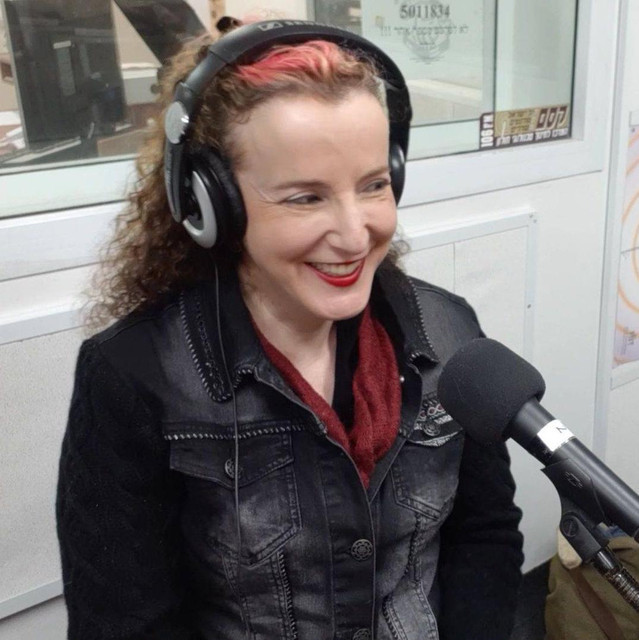
Ofri Eliaz
Folk Rock
Muzika Mizrahit
Ladino Folksong
1
/5
Various Artists
Afro-Funk
Alternative Rock
Ambient
3
/5
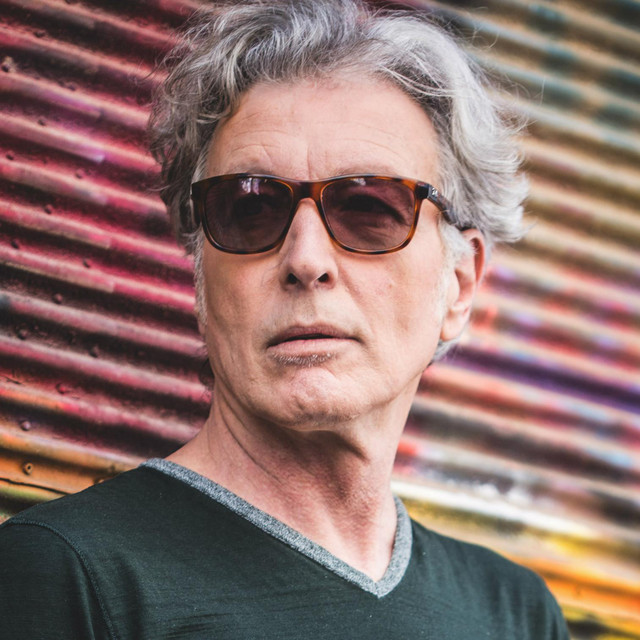
Berry Sakharof
Muzika Mizrahit
Oriental Jewish Music
Israeli Folk Music
3
/5
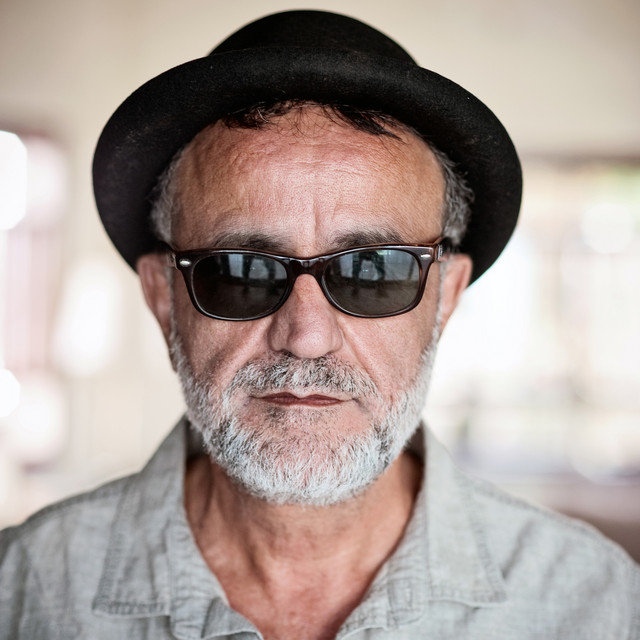
Ehud Banai
Muzika Mizrahit
Ladino Folksong
Oriental Jewish Music
1
/5
The Piyut Ensemble
Muzika Mizrahit
Oriental Jewish Music
Piyyut
1
/5
Aman Aman
Medieval
Muzika Mizrahit
Andalusian Classical
1
/5
חיים לוק
Muzika Mizrahit
Oriental Jewish Music
Piyyut
1
/5
Flory Jagoda
Ladino Folksong
Muzika Mizrahit
Sephardic Music
1
/5
Kohava Levy
Muzika Mizrahit
Ladino Folksong
1
/5
Rahel Musleah
Muzika Mizrahit
Jewish Liturgical Music
Oriental Jewish Music
Download our mobile app
Get the Melodigging app and start digging for new genres on the go
Download on the App Store
Get it on Google Play
© 2026 Melodigging
Give feedback
Legal
Melodding was created as a tribute to
Every Noise at Once
, which inspired us to help curious minds keep digging into music's ever-evolving genres.