Genres
Artists
Albums
Make Music
Sign in
Sign in
Artists
Muzika Mizrahit
Artists
Muzika Mizrahit
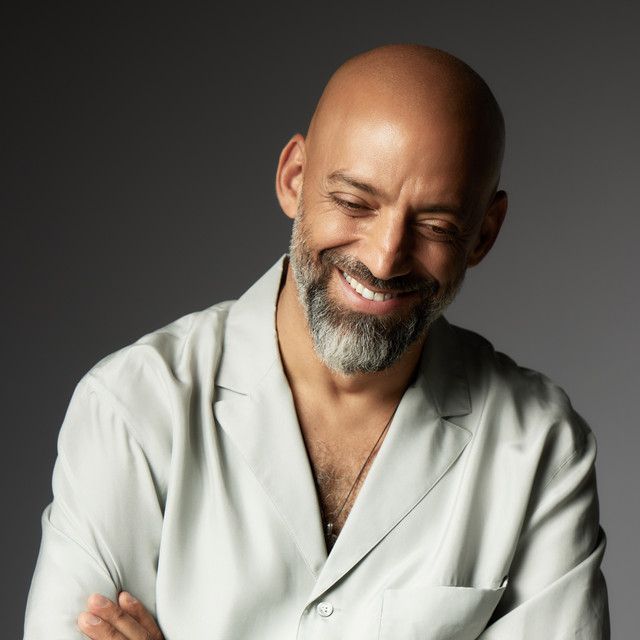
The Piyut Ensemble
2017–2023
·
2 albums
Listen
1
/5
Genres
Muzika Mizrahit
Muzika mizrahit (Israeli Mizrahi or Oriental music) is a modern Israeli popular genre rooted in the musical traditions of Jewish communities from the Middle East, North Africa, and the Mediterranean. It blends Arabic, Turkish, Greek (laïko/rebetiko), and Andalusian influences with Hebrew lyrics and contemporary pop production. Musically it favors modal melodies drawn from Middle Eastern maqam systems (e.g., Hijaz, Bayat, Kurd) and characteristic vocal ornamentation (melisma, microtonal inflections). Typical instruments include oud, bouzouki, qanun, violin, darbuka/tabla, riq, and handclaps, increasingly complemented by synthesizers, drum machines, and pop/EDM-style arrangements. Lyrically, songs often revolve around love, longing, family, faith, and place, moving between dance-forward party anthems and deeply emotive ballads. Since the 1990s, the style has moved from a marginalized “cassette culture” to the mainstream of Israeli pop.
Discover
Listen
Oriental Jewish Music
Oriental Jewish music refers to the liturgical, paraliturgical, and secular musical traditions of Jewish communities from the Middle East and North Africa, as they were preserved in diaspora and recontextualized in Israel after the mid-20th century. It blends Hebrew and Judeo-Arabic (and occasionally Ladino) texts with maqām-based melody, microtonal inflection, and cyclical iqa'at (Arabic/Turkish rhythms). Typical textures are heterophonic—voices and instruments ornamenting the same line rather than using dense harmony. Core instruments include oud, qanun, violin, ney, and frame/hand drums such as darbuka and riq; in modern settings, keyboards with quarter-tone capability and guitars may appear. The repertoire ranges from synagogue piyyutim and Andalusian nuba-derived suites to wedding songs and urban genres like the Iraqi maqām. In Israel, these practices converged across Moroccan, Iraqi, Yemenite, Egyptian, Syrian, and Persian Jewish communities, shaping the sonic DNA that later fed Mizrahi/"Oriental" Israeli popular music.
Discover
Listen
Jewish Liturgical Music
Jewish liturgical music is the body of musical practice used to chant, sing, and adorn the Hebrew liturgy in the synagogue and at home. It centers on the voice, the sacred Hebrew (and some Aramaic) texts, and time-specific modal frameworks known as nusach, which signal the service, day, and season. Rather than fixed melodies, it uses modal motifs, cantillation systems (ta'amei ha-mikra) for biblical reading, and a spectrum of regional traditions (Ashkenazi, Sephardi, Mizrahi, Yemenite, and others). Cantorial artistry (hazzanut) ranges from restrained recitative to highly ornate melismatic singing. Historically unaccompanied, it remains primarily vocal; however, choirs and organs were introduced in some modern communities. Across centuries, Jewish liturgical music absorbed and dialogued with surrounding cultures—Byzantine, Syriac, Arabic/Persian maqām traditions—while maintaining distinctive modal cadences, prayer roles (shaliach tzibbur/cantor vs. congregation), and characteristic motives (e.g., Mi-Sinai tunes in Ashkenaz and maqām-based selections in Sephardi/Mizrahi rites).
Discover
Listen
Piyyut
Piyyut is a corpus of Hebrew (and sometimes Aramaic) liturgical poetry composed for Jewish prayer services and life-cycle rituals. It is designed to be sung or chanted within fixed prayer frameworks, augmenting the service with theological reflection, biblical allusion, and poetic artistry. Texts often employ acrostics (frequently spelling the poet’s name), intricate rhyme schemes, and meters adapted first from biblical parallelism and later from quantitative Arabic prosody. Musically, piyyutim are rendered in synagogue modal systems (nusach) and, across the diaspora, in local modal traditions such as Ottoman/Turkish makam, Maghrebi–Andalusian nuba, and Persian dastgah. Performance can be solo by the hazzan (cantor), responsorial between leader and congregation, or communal unison; some communities add a choir and, outside strictly liturgical contexts, frame drums or other light percussion. Major subtypes include selichot (penitential poems), kinot (laments), baqashot (supplicatory hymns), qedushta/qerova for the Amidah, as well as festival- and Sabbath-specific compositions.
Discover
Listen
Albums
2023
1
/5
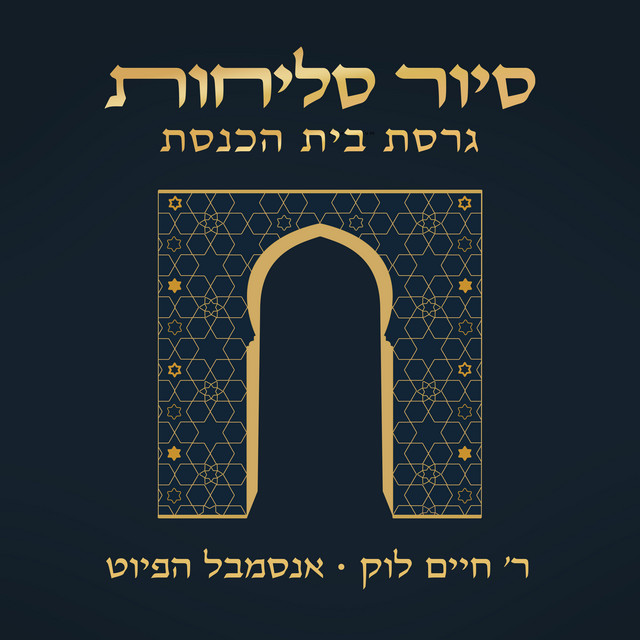
סיור סליחות - גרסת בית הכנסת
Haim Louk חיים לוק & The Piyut Ensemble אנסמבל הפיוט
Piyyut
Oriental Jewish Music
2017
2
/5
ארבע אותיות - שירת קודש ממערב הסהרה (Arba Otiyot - Sacred Hebrew Songs from the Saharan Maghreb)
The Piyut Ensemble אנסמבל הפיוט
Piyyut
Jewish Liturgical Music
Oriental Jewish Music
Similar artists
1
/5
Rahel Musleah
Muzika Mizrahit
Jewish Liturgical Music
Oriental Jewish Music
1
/5
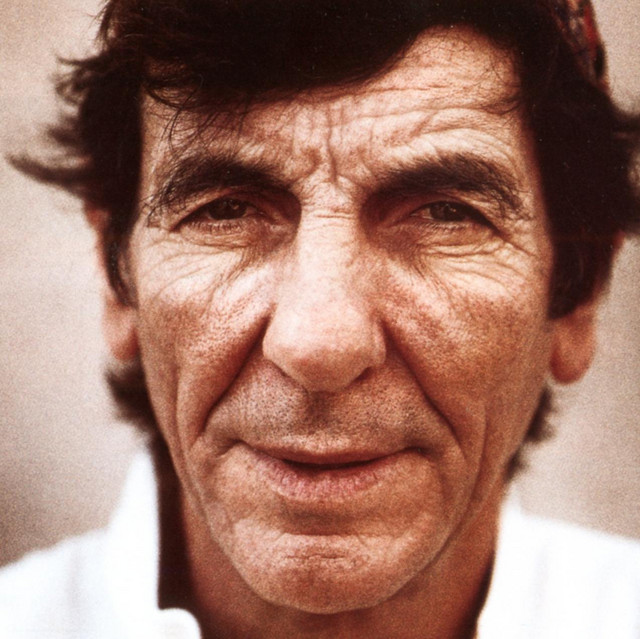
חיים לוק
Muzika Mizrahit
Oriental Jewish Music
Piyyut
3
/5
Berry Sakharof
Muzika Mizrahit
Oriental Jewish Music
Israeli Folk Music
1
/5
El Khat
Levantine Arabic Music
Muzika Mizrahit
Oriental Jewish Music
3
/5
Shlomo Artzi
Muzika Mizrahit
Ladino Folksong
Piyyut
3
/5
Idan Raichel
Muzika Mizrahit
Oriental Jewish Music
3
/5
Sarit Hadad
Festigal
Muzika Mizrahit
Oriental Jewish Music
3
/5
Ehud Banai
Muzika Mizrahit
Ladino Folksong
Oriental Jewish Music
2
/5
Dikla
Muzika Mizrahit
Oriental Jewish Music
1
/5
Shlomo Bar
Gnawa
Muzika Mizrahit
Muzika Yehudit Mekorit
Download our mobile app
Get the Melodigging app and start digging for new genres on the go
Download on the App Store
Get it on Google Play
© 2026 Melodigging
Give feedback
Legal
Melodding was created as a tribute to
Every Noise at Once
, which inspired us to help curious minds keep digging into music's ever-evolving genres.