Genres
Artists
Albums
Make Music
Sign in
Sign in
Artists
Muzika Mizrahit
Artists
Muzika Mizrahit
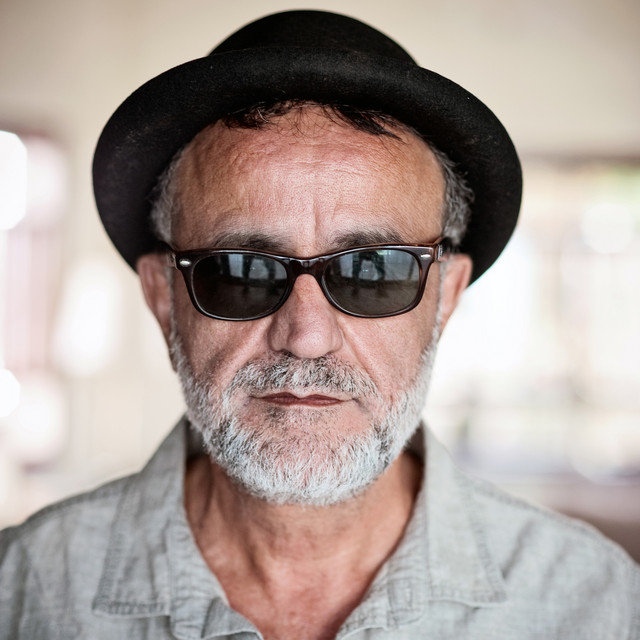
Ehud Banai
2017
·
1 album
Listen
3
/5
Genres
Muzika Mizrahit
Muzika mizrahit (Israeli Mizrahi or Oriental music) is a modern Israeli popular genre rooted in the musical traditions of Jewish communities from the Middle East, North Africa, and the Mediterranean. It blends Arabic, Turkish, Greek (laïko/rebetiko), and Andalusian influences with Hebrew lyrics and contemporary pop production. Musically it favors modal melodies drawn from Middle Eastern maqam systems (e.g., Hijaz, Bayat, Kurd) and characteristic vocal ornamentation (melisma, microtonal inflections). Typical instruments include oud, bouzouki, qanun, violin, darbuka/tabla, riq, and handclaps, increasingly complemented by synthesizers, drum machines, and pop/EDM-style arrangements. Lyrically, songs often revolve around love, longing, family, faith, and place, moving between dance-forward party anthems and deeply emotive ballads. Since the 1990s, the style has moved from a marginalized “cassette culture” to the mainstream of Israeli pop.
Discover
Listen
Singer-Songwriter
Singer-songwriter is a song-focused style in which the same person writes, composes, and performs their own material, often accompanying themselves on acoustic guitar or piano. It emphasizes personal voice, lyrical intimacy, and storytelling over elaborate production. Arrangements are typically sparse, allowing the melody, words, and performance nuance to carry the song’s emotional weight. While rooted in folk and blues traditions, singer-songwriter embraces pop and rock songcraft, producing works that can range from quiet confessional ballads to subtly orchestrated, radio-ready pieces.
Discover
Listen
Oriental Jewish Music
Oriental Jewish music refers to the liturgical, paraliturgical, and secular musical traditions of Jewish communities from the Middle East and North Africa, as they were preserved in diaspora and recontextualized in Israel after the mid-20th century. It blends Hebrew and Judeo-Arabic (and occasionally Ladino) texts with maqām-based melody, microtonal inflection, and cyclical iqa'at (Arabic/Turkish rhythms). Typical textures are heterophonic—voices and instruments ornamenting the same line rather than using dense harmony. Core instruments include oud, qanun, violin, ney, and frame/hand drums such as darbuka and riq; in modern settings, keyboards with quarter-tone capability and guitars may appear. The repertoire ranges from synagogue piyyutim and Andalusian nuba-derived suites to wedding songs and urban genres like the Iraqi maqām. In Israel, these practices converged across Moroccan, Iraqi, Yemenite, Egyptian, Syrian, and Persian Jewish communities, shaping the sonic DNA that later fed Mizrahi/"Oriental" Israeli popular music.
Discover
Listen
Rock
Rock is a broad family of popular music centered on amplified instruments, a strong backbeat, and song forms that foreground riffs, choruses, and anthemic hooks. Emerging from mid‑20th‑century American styles like rhythm & blues, country, and gospel-inflected rock and roll, rock quickly expanded in scope—absorbing folk, blues, and psychedelic ideas—while shaping global youth culture. Core sonic markers include electric guitar (often overdriven), electric bass, drum kit emphasizing beats 2 and 4, and emotive lead vocals. Rock songs commonly use verse–chorus structures, blues-derived harmony, and memorable melodic motifs, ranging from intimate ballads to high‑energy, stadium‑sized performances.
Discover
Listen
Ladino Folksong
Ladino folksong is the secular song tradition of the Sephardic Jews, sung in Judeo‑Spanish (Ladino/Djudeo‑Espanyol) that preserves medieval Iberian Spanish alongside Hebrew and regional loanwords. The repertoire includes romances (narrative ballads), kantikas (lyric songs), coplas (strophic songs), lullabies, wedding and life‑cycle songs. Musically, it blends medieval Iberian balladry with modal aesthetics and rhythms absorbed across the Sephardic diaspora in the Ottoman Balkans, Anatolia, North Africa, and the Eastern Mediterranean. Typical modes include Hijaz/Phrygian‑dominant and Nahawand (harmonic minor), with ornamented melodies and flexible intonation that may reflect local makam practice. Rhythms often use asymmetric meters (9/8, 7/8) alongside simple duple/triple. Traditional accompaniment features oud, qanun, violin, guitar, darbuka/frame drum, and sometimes accordion; historically many songs were transmitted a cappella, especially in women’s domestic and communal contexts.
Discover
Listen
Albums
2017
2
/5
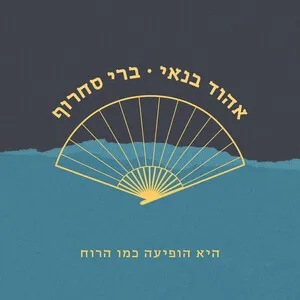
היא הופיעה כמו הרוח
Berry Sakharof ברי סחרוף / Ehud Banai אהוד בנאי
Ladino Folksong
Oriental Jewish Music
Similar artists
3
/5
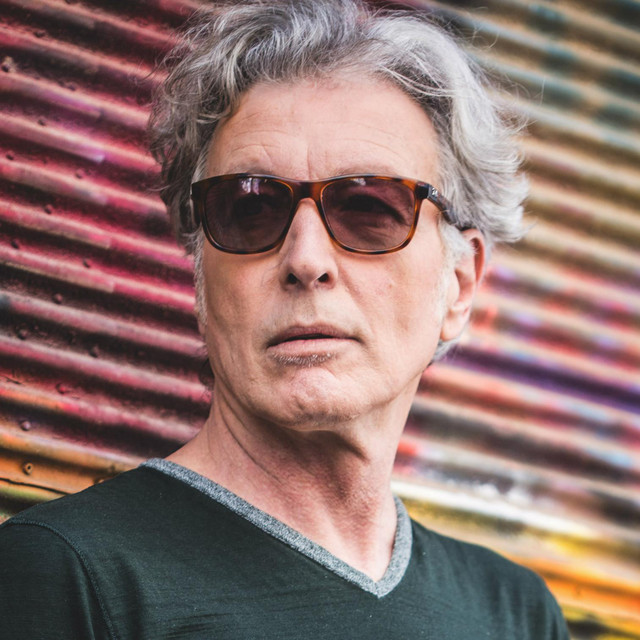
Berry Sakharof
Muzika Mizrahit
Oriental Jewish Music
Israeli Folk Music
1
/5
Various Artists
Afro-Funk
Alternative Rock
Ambient
3
/5
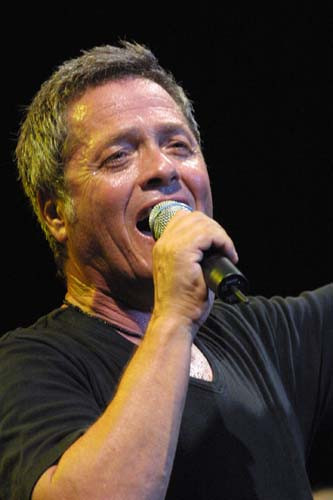
Shlomo Artzi
Muzika Mizrahit
Ladino Folksong
Piyyut
3
/5
Idan Raichel
Muzika Mizrahit
Oriental Jewish Music
3
/5
Sarit Hadad
Festigal
Muzika Mizrahit
Oriental Jewish Music
2
/5
Dikla
Muzika Mizrahit
Oriental Jewish Music
1
/5
The Piyut Ensemble
Muzika Mizrahit
Oriental Jewish Music
Piyyut
1
/5
El Khat
Levantine Arabic Music
Muzika Mizrahit
Oriental Jewish Music
1
/5
Shlomo Bar
Gnawa
Muzika Mizrahit
Muzika Yehudit Mekorit
1
/5
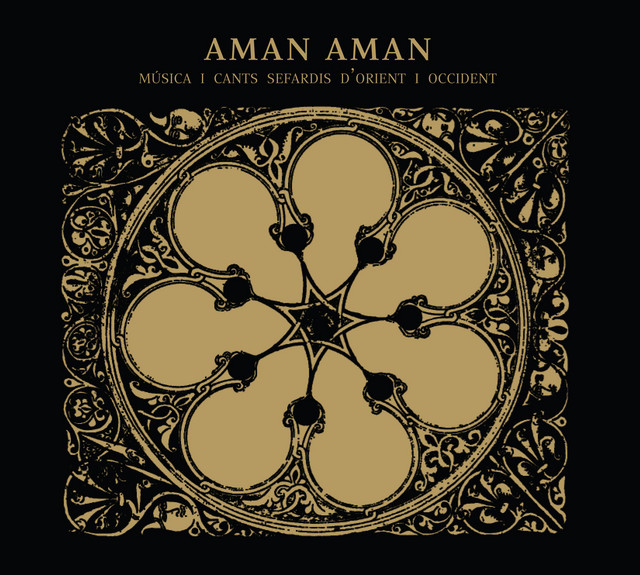
Aman Aman
Medieval
Muzika Mizrahit
Andalusian Classical
Download our mobile app
Get the Melodigging app and start digging for new genres on the go
Download on the App Store
Get it on Google Play
© 2026 Melodigging
Give feedback
Legal
Melodding was created as a tribute to
Every Noise at Once
, which inspired us to help curious minds keep digging into music's ever-evolving genres.