Genres
Artists
Albums
Make Music
Sign in
Sign in
Artists
Mentai Rock
Artists
Mentai Rock
SHEENA & THE ROKKETS
1979–1980
·
5 albums
Listen
2
/5
Genres
Shibuya-Kei
Shibuya-kei is a Japanese pop micro‑genre that emerged from Tokyo’s Shibuya district in the early–mid 1990s. It blends 1960s French yé‑yé, bossa nova, lounge/easy listening, baroque pop, jazz, sunshine pop, and slick city‑pop with contemporary sampling and electronic production. The style is cosmopolitan and retro‑futurist: it celebrates crate‑digging, witty pastiche, and graphic design/fashion as much as music. Songs often feature breezy melodies, airy or whispery vocals in Japanese, English, or French, and richly orchestrated arrangements that feel both nostalgic and playful.
Discover
Listen
Mentai Rock
Mentai rock is a regional Japanese rock movement associated mainly with Fukuoka City (especially the Hakata area) that rose to national attention in the late 1970s and continued into the early 1980s. Rather than a single uniform sound, it is best understood as a scene: multiple bands and singer-songwriters linked by geography, shared live venues, and a local identity. The name comes from “mentaiko,” a Fukuoka specialty made from seasoned cod roe. Musically, mentai rock generally sits within Japanese rock and rock and roll of the era, often emphasizing straightforward band arrangements, catchy songwriting, and a strong live-performance culture, while still allowing for a wide stylistic range among artists.
Discover
Listen
J-Rock
J-rock (Japanese rock) is the umbrella term for rock music created in Japan, spanning everything from classic rock, punk, and metal to alternative, indie, and progressive strains. It blends Western rock instrumentation and songcraft with Japanese melodic sensibilities, crisp production, and lyrics primarily in Japanese (often mixed with some English phrases). Typical features include hook-forward choruses, expressive guitar leads, tight rhythm sections, and dynamic arrangements that can pivot from delicate verses to big, anthemic refrains. Because of Japan’s media ecosystem, J-rock frequently intersects with anime, TV dramas, and video games, which helps bands reach mainstream audiences while retaining a band-centric, live-performance identity. Although stylistically diverse, J-rock commonly emphasizes memorable melodies, emotional catharsis, and precise musicianship, with influences ranging from British Invasion and classic rock to punk/new wave, progressive rock, and heavy metal.
Discover
Listen
Kayōkyoku
Kayōkyoku is a broad umbrella of Japanese popular song that dominated the nation’s mainstream from the prewar era through the 1980s, before the term J‑pop became prevalent. It blends Western popular idioms—such as jazz, swing, tango, and later rock and roll—with Japanese melodic sensibilities and lyric themes. Stylistically, kayōkyoku favors clear, memorable melodies, polished vocal delivery, and orchestral or big‑band arrangements. Its songs often use Western song forms (AABA or verse–chorus), while retaining a distinctly Japanese emotional tone rooted in nostalgia, romance, and everyday urban life.
Discover
Listen
Albums
1980
1
/5
Channel Good
Sheena & The Rokkets
Mentai Rock
1979
1
/5
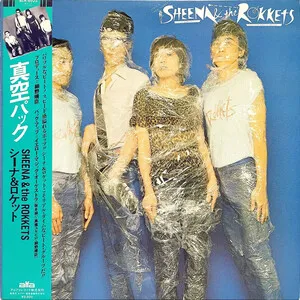
Vacuum Pack 真空パック
Sheena & The Rokkets
Mentai Rock
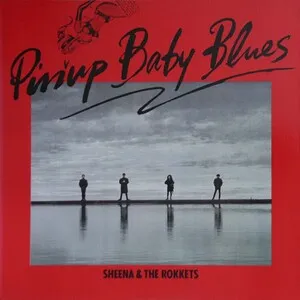
Pinup Baby Blues
Sheena & The Rokkets
Mentai Rock
Sheena & the Rokkets
Sheena & The Rokkets
Mentai Rock
Sheena & the Rokkets #1
Sheena & The Rokkets
Mentai Rock
Similar artists
2
/5
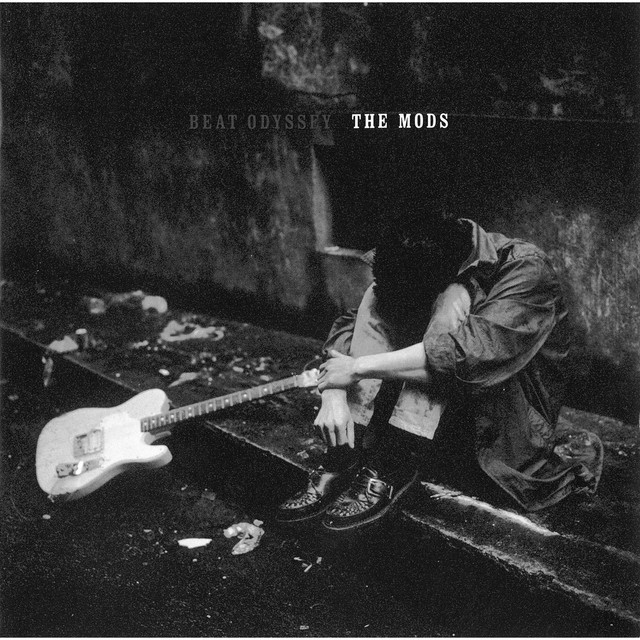
THE MODS
J-Rock
Kayōkyoku
Mentai Rock
1
/5
Kinocohotel
J-Rock
Kayōkyoku
Shibuya-Kei
4
/5
Mr.Children
Kayōkyoku
J-Pop
J-Rock
4
/5
SPITZ
Kayōkyoku
J-Pop
J-Rock
4
/5
B'z
J-Pop
J-Rock
Kayōkyoku
4
/5
MASS OF THE FERMENTING DREGS
J-Rock
Math Rock
Shibuya-Kei
3
/5
BOØWY
Beat Rock
Visual Kei
J-Pop
3
/5
Eikichi Yazawa
Enka
J-Pop
J-Rock
3
/5
Taeko Onuki
City Pop
Pop
Electronic
3
/5
Quruli
Indie Dream Pop
Indie Shoegaze
J-Pop
Download our mobile app
Get the Melodigging app and start digging for new genres on the go
Download on the App Store
Get it on Google Play
© 2026 Melodigging
Give feedback
Legal
Melodding was created as a tribute to
Every Noise at Once
, which inspired us to help curious minds keep digging into music's ever-evolving genres.