Genres
Artists
Albums
Make Music
Sign in
Sign in
Artists
J-Rock
Artists
J-Rock
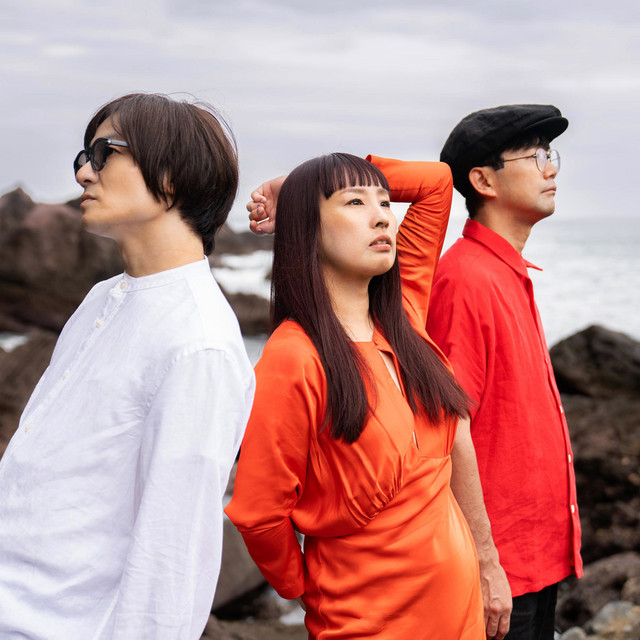
Kinocohotel
Listen
1
/5
Genres
Garage Rock Revival
Garage rock revival is a turn-of-the-millennium resurgence of raw, guitar‑driven rock that consciously channels the immediacy of 1960s garage bands and the urgency of 1970s punk. It favors short songs, distorted riffs, catchy hooks, and a back‑to‑basics band setup over studio gloss and elaborate arrangements. Hallmarks include crunchy overdriven guitars, tight and energetic drum patterns, simple but punchy bass lines, and vocals with a swaggering or detached cool. Production often leans lo‑fi or analog‑inspired, emphasizing room sound and performance over perfection. Lyrically, it tends to focus on youthful nightlife, romance, boredom, style, and urban ennui. Scenes in New York City and Detroit were pivotal for the mainstream breakthrough, with parallel explosions in the UK, Sweden, and Australia. The movement revitalized interest in guitar rock across indie and mainstream audiences.
Discover
Listen
Shibuya-Kei
Shibuya-kei is a Japanese pop micro‑genre that emerged from Tokyo’s Shibuya district in the early–mid 1990s. It blends 1960s French yé‑yé, bossa nova, lounge/easy listening, baroque pop, jazz, sunshine pop, and slick city‑pop with contemporary sampling and electronic production. The style is cosmopolitan and retro‑futurist: it celebrates crate‑digging, witty pastiche, and graphic design/fashion as much as music. Songs often feature breezy melodies, airy or whispery vocals in Japanese, English, or French, and richly orchestrated arrangements that feel both nostalgic and playful.
Discover
Listen
J-Rock
J-rock (Japanese rock) is the umbrella term for rock music created in Japan, spanning everything from classic rock, punk, and metal to alternative, indie, and progressive strains. It blends Western rock instrumentation and songcraft with Japanese melodic sensibilities, crisp production, and lyrics primarily in Japanese (often mixed with some English phrases). Typical features include hook-forward choruses, expressive guitar leads, tight rhythm sections, and dynamic arrangements that can pivot from delicate verses to big, anthemic refrains. Because of Japan’s media ecosystem, J-rock frequently intersects with anime, TV dramas, and video games, which helps bands reach mainstream audiences while retaining a band-centric, live-performance identity. Although stylistically diverse, J-rock commonly emphasizes memorable melodies, emotional catharsis, and precise musicianship, with influences ranging from British Invasion and classic rock to punk/new wave, progressive rock, and heavy metal.
Discover
Listen
Garage Punk
Garage punk is a raw, high-energy strain of rock that fuses the primitive drive of mid‑1960s American garage bands with the speed, sneer, and DIY ethos later associated with punk. It favors overdriven guitars (often drenched in fuzz and spring reverb), stomping backbeats, shouted or snotty vocals, and two- or three-chord riffs recorded with intentionally lo‑fi, live-in-the-room immediacy. Organ stabs, handclaps, and tambourines are common textural touches, while lyrics lean toward teenage frustration, lust, menace, and mischief. Songs are short, hooky, and explosive—more about attitude and impact than polish—making garage punk a perennial engine for underground rock scenes.
Discover
Listen
Psychedelic Rock
Psychedelic rock is a style of rock music that seeks to evoke, simulate, and expand altered states of consciousness through sound. It typically features timbral experimentation (fuzz, wah, tape delay, phasing), drones, modal or raga-influenced harmony, extended improvisation, studio-as-instrument production, and surreal, mystical, or mind-expanding lyrics. Emerging from mid-1960s counterculture, it fused garage-band energy with folk, blues, and non-Western musical ideas—especially Indian classical ragas—while embracing new studio technologies and concert light shows. Both a live and a studio art, psychedelic rock ranges from jangly, kaleidoscopic pop to heavy, hypnotic jams and cosmic soundscapes.
Discover
Listen
Rock
Rock is a broad family of popular music centered on amplified instruments, a strong backbeat, and song forms that foreground riffs, choruses, and anthemic hooks. Emerging from mid‑20th‑century American styles like rhythm & blues, country, and gospel-inflected rock and roll, rock quickly expanded in scope—absorbing folk, blues, and psychedelic ideas—while shaping global youth culture. Core sonic markers include electric guitar (often overdriven), electric bass, drum kit emphasizing beats 2 and 4, and emotive lead vocals. Rock songs commonly use verse–chorus structures, blues-derived harmony, and memorable melodic motifs, ranging from intimate ballads to high‑energy, stadium‑sized performances.
Discover
Listen
Kayōkyoku
Kayōkyoku is a broad umbrella of Japanese popular song that dominated the nation’s mainstream from the prewar era through the 1980s, before the term J‑pop became prevalent. It blends Western popular idioms—such as jazz, swing, tango, and later rock and roll—with Japanese melodic sensibilities and lyric themes. Stylistically, kayōkyoku favors clear, memorable melodies, polished vocal delivery, and orchestral or big‑band arrangements. Its songs often use Western song forms (AABA or verse–chorus), while retaining a distinctly Japanese emotional tone rooted in nostalgia, romance, and everyday urban life.
Discover
Listen
Show all 7 genres
Similar artists
2
/5
SHEENA & THE ROKKETS
Mentai Rock
J-Rock
Kayōkyoku
1
/5
Various Artists
Afro-Funk
Alternative Rock
Ambient
3
/5
Thee Michelle Gun Elephant
Garage Rock
Garage Punk
J-Pop
4
/5
Mr.Children
Kayōkyoku
J-Pop
J-Rock
4
/5
SPITZ
Kayōkyoku
J-Pop
J-Rock
4
/5
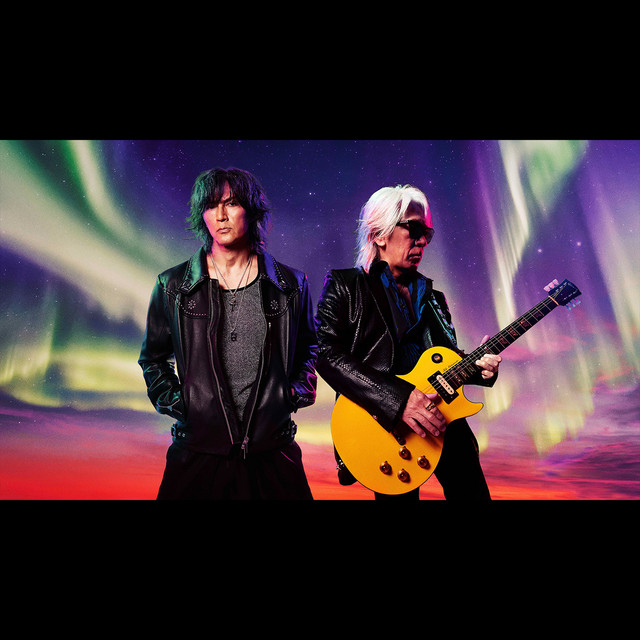
B'z
J-Pop
J-Rock
Kayōkyoku
4
/5
MASS OF THE FERMENTING DREGS
J-Rock
Math Rock
Shibuya-Kei
3
/5
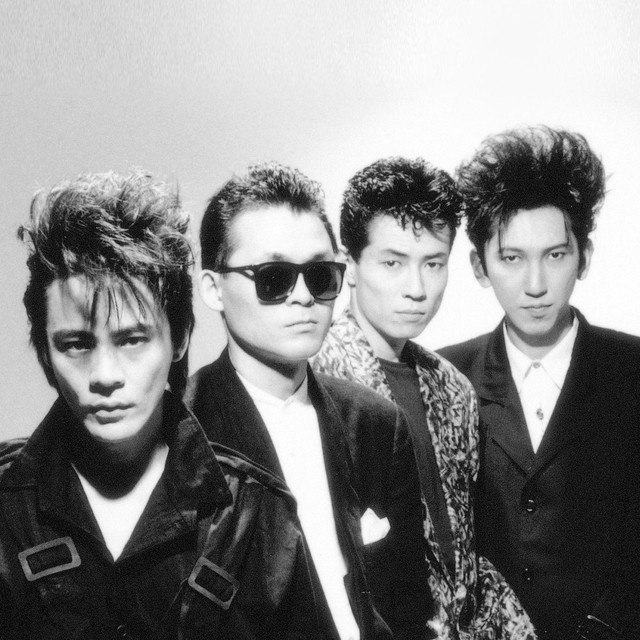
BOØWY
Beat Rock
Visual Kei
J-Pop
3
/5
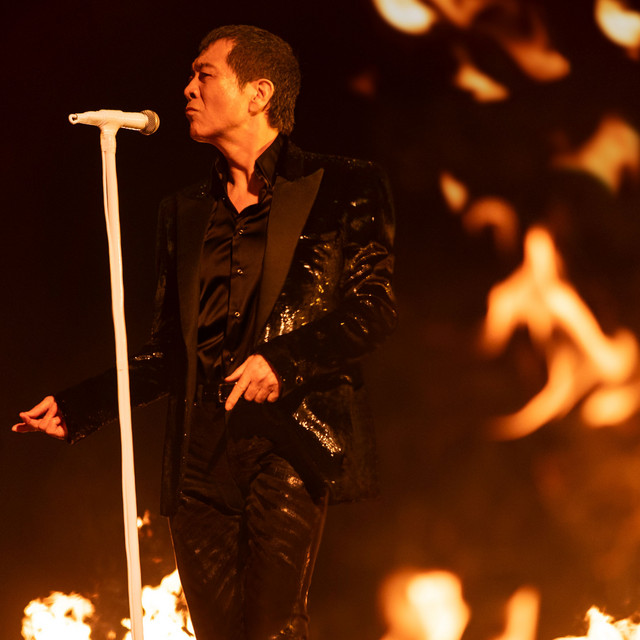
Eikichi Yazawa
Enka
J-Pop
J-Rock
3
/5
Taeko Onuki
City Pop
Pop
Electronic
Download our mobile app
Get the Melodigging app and start digging for new genres on the go
Download on the App Store
Get it on Google Play
© 2026 Melodigging
Give feedback
Legal
Melodding was created as a tribute to
Every Noise at Once
, which inspired us to help curious minds keep digging into music's ever-evolving genres.