Genres
Artists
Albums
Make Music
Sign in
Sign in
Artists
Cocktail Nation
Artists
Cocktail Nation
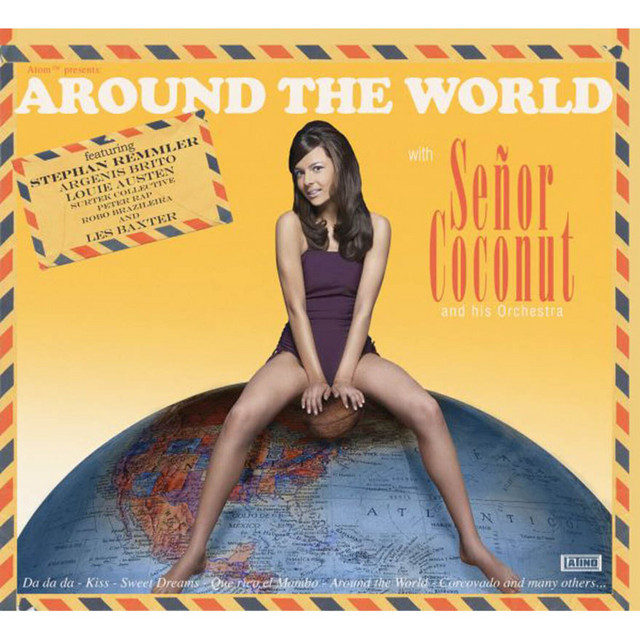
Señor Coconut
2000–2003
·
2 albums
Listen
2
/5
Genres
Deep Indie Pop
Deep indie pop is a moody, finely textured branch of indie pop that favors introspective songwriting, soft-focus production, and intimate vocal delivery. It sits between bedroom pop and dream pop, borrowing lo‑fi warmth and hazy ambience while maintaining the hook sensibility of pop. Compared with mainstream indie pop, the "deep" variant leans toward slower to mid‑tempo grooves, lush synth pads, chorus‑soaked guitars, and subdued drum programming. Lyrics often explore memory, late‑night reflection, and bittersweet romance, presented with close‑miked, breathy vocals and understated arrangements.
Discover
Listen
Slimepunk
Slimepunk is an internet-born microgenre that fuses the hyper-saturated textures of vaporwave-era net music with the velocity and abrasion of breakcore, digital hardcore, and punk. Its sound favors blown-out drums, maximally clipped mixdowns, candy-coated melodies, and sudden left turns, capturing both the chaotic energy of DIY punk and the playful, neon gloss of online aesthetics. Typical tracks pair frenetic breakbeats or half-time trap grooves with chiptune timbres, mangled samples, and pitch-shifted vocals that dart between cute, deadpan, and snarling. The result is a noisy, high-impact, and deliberately synthetic style that celebrates the unstable, meme-native sensibility of the modern web while remaining danceable and hook-driven.
Discover
Listen
Cocktail Nation
Cocktail nation is a 1990s retro-lounge revival that resurrected the suave, mid‑century “space-age bachelor pad” aesthetic of 1950s–60s lounge, exotica, and easy listening for contemporary audiences. It pairs vibraphones, organs, bongos, brushed drum kits, and velvet strings with light jazz harmonies, Latin dance grooves (bossa nova, cha-cha-cha, mambo), and a winking, postmodern sense of kitsch. The mood is urbane and cinematic—martinis, tiki bars, hi‑fi stereo tricks, and cosmopolitan glamour—delivered with crisp production and often a knowingly nostalgic or ironic tone.
Discover
Listen
Leftfield
Leftfield is a broad umbrella term for experimental, boundary‑pushing electronic and dance music that sits to the "left" of the mainstream. Rather than adhering to standard club formulas, it privileges adventurous sound design, unexpected rhythms, and collage‑like production choices. While the term is sometimes used loosely, in practice it refers to a UK‑rooted sensibility that blends elements of house, techno, ambient, dub, breakbeat, and hip‑hop into unconventional forms. Leftfield music often emphasizes texture and atmosphere, favors asymmetry over predictable drops, and prizes originality over genre purity.
Discover
Listen
Electro
Electro is an early 1980s machine-funk style built around drum machines (especially the Roland TR-808), sequenced basslines, and a futuristic, robotic aesthetic. It emphasizes syncopated rhythms, sparse arrangements, and timbres drawn from analog and early digital synthesizers. Vocals, when present, are often delivered via vocoder or rap-style chants, reinforcing a sci‑fi, cyborg persona. Electro’s grooves powered breakdance culture, and its sonic palette—crisp 808 kicks, snappy snares, dry claps, cowbells, and squelchy bass—became foundational to later techno and bass music.
Discover
Listen
Latin Pop
Latin pop is mainstream pop music performed primarily in Spanish (and sometimes Portuguese) that blends contemporary pop songwriting with Latin American and Iberian rhythms, harmonies, and vocal stylings. It typically features verse–pre-chorus–chorus forms, catchy hooks, polished production, and a balance between rhythmic drive and romantic lyric themes. Classic Latin pop often leans on bolero- and ballad-informed melodies and soft-rock textures, while modern Latin pop readily incorporates dance-pop, electronic, and urbano elements (such as reggaeton-influenced grooves) without losing its sing-along pop core.
Discover
Listen
Chachachá
Chachachá is a Cuban dance‑music genre that emerged in early‑1950s Havana as a dancer‑friendly offshoot of danzón‑mambo. It is typically performed by charanga ensembles—flute and violins over piano, bass, güiro, and timbales—producing a light, elegant sonority distinct from the brass‑heavy mambo big bands. The groove is mid‑tempo with a clear, even pulse that supports the signature “cha‑cha‑chá” triple step heard in the dancers’ feet. Melodies are tuneful and diatonic, harmonies favor simple I–IV–V movements with occasional II–V turnarounds, and arrangements move from a lyrical cuerpo to a montuno section featuring coro‑pregón call‑and‑response, piano tumbao, and tasteful flute improvisations. The name “chachachá” is often traced to the shuffling sound of the dancers’ steps; composer‑violinist Enrique Jorrín simplified mambo syncopations to make the beat more square and intelligible, which helped the style spread worldwide through social and ballroom dance.
Discover
Listen
Lounge
Lounge music is a style of easy listening designed to evoke a sense of place and atmosphere—tropical islands, jungles, elegant cocktail bars, or even outer space. It prizes a chilled, urbane mood achieved through light instrumentation, lush arrangements, and crooning or wordless vocals. Rooted in earlier light music and crooner traditions, classic lounge blossomed in the 1950s and 1960s alongside hi‑fi and stereo “space age” culture. It draws from Dixieland and small‑combo jazz, Latin dance rhythms (mambo, cha‑cha, bossa inflections), novelty/gimmick songs, and occasional experimental studio techniques. The spectrum ranges from exotica and beautiful‑music instrumentals to suave, jazzy vocal numbers—and in modern eras, it can intersect with downtempo and electronica while keeping its retro, escapist ambiance.
Discover
Listen
Latin
Latin (as a genre label) is a broad umbrella used by the recording industry to categorize popular music rooted in Latin America, the Caribbean, and the Iberian world, often characterized by syncopated Afro-diasporic rhythms, dance-forward grooves, and lyrics primarily in Spanish or Portuguese. As a marketplace category that took shape in the mid-20th century United States, it gathers diverse traditions—Afro-Cuban, Brazilian, Mexican, and Caribbean styles—into a shared space. In practice, "Latin" spans everything from big-band mambo and bolero ballads to contemporary pop, rock, hip hop, and dance fusions produced by artists of Latin American heritage.
Discover
Listen
Electronic
Electronic is a broad umbrella genre defined by the primary use of electronically generated or electronically processed sound. It encompasses music made with synthesizers, drum machines, samplers, computers, and studio/tape techniques, as well as electroacoustic manipulation of recorded or synthetic sources. The genre ranges from academic and experimental traditions to popular and dance-oriented forms. While its sonic palette is rooted in electricity and circuitry, its aesthetics span minimal and textural explorations, structured song forms, and beat-driven club permutations. Electronic emphasizes sound design, timbre, and studio-as-instrument practices as much as melody and harmony.
Discover
Listen
Show all 10 genres
Albums
2003
2
/5
Fiesta Songs
Señor Coconut and His Orchestra
Chachachá
Cocktail Nation
Electro
2000
2
/5
El baile alemán
Señor Coconut y Su Conjunto
Cocktail Nation
Electronic
Leftfield
Similar artists
4
/5
Celia Cruz
Latin Dance
Son Cubano
Mambo
1
/5
Tipsy
Cocktail Nation
Exotica
Shibuya-Kei
5
/5
Bad Bunny
Latin
Reggaeton
Trap Latino
5
/5
J Balvin
Reggaeton
Latin
Trap Latino
5
/5
Pitbull
Hip Hop
Electro Hop
Pop Rap
5
/5
Maluma
Latin
Reggaeton
Urbano Latino
5
/5
Don Omar
Reggaeton
Latin Hip Hop
Electro Latino
5
/5
Anitta
Funk Pop
Brazilian Pop
Pop
5
/5
Nicky Jam
Reggaeton
Latin
Latin Hip Hop
5
/5
Wisin & Yandel
Reggaeton
Electro Latino
Trap Latino
Download our mobile app
Get the Melodigging app and start digging for new genres on the go
Download on the App Store
Get it on Google Play
© 2026 Melodigging
Give feedback
Legal
Melodding was created as a tribute to
Every Noise at Once
, which inspired us to help curious minds keep digging into music's ever-evolving genres.