Genres
Artists
Albums
Make Music
Sign in
Sign in
Artists
Celtic New Age
Artists
Celtic New Age
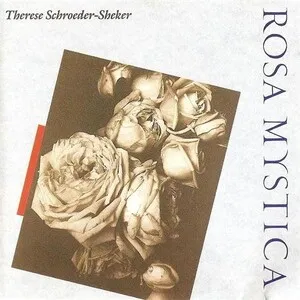
Schroeder‐Sheker, Therese
1990
·
1 album
Listen
Genres
Celtic New Age
Celtic new age blends the timbres and modal melodies of Celtic traditions with the serene atmospheres of New Age and ambient music. It favors ethereal synth pads, spacious reverbs, and gentle acoustic textures, often centering harp, tin whistle, uilleann pipes, fiddle, and airy choral layers. Harmonically, it leans on modal centers (Dorian, Aeolian, and Mixolydian), drones, and slow-moving progressions that evoke pastoral settings and mythic narratives. Tempos are typically moderate to slow, emphasizing sustained tone, delicate ornamentation, and meditative repetition over rhythmic drive. Vocals—when present—frequently feature layered harmonies in Gaelic or English, reinforcing a sense of timelessness, nature, and spirituality.
Discover
Listen
New Age
New age is a largely instrumental, mood-driven genre that emphasizes calm, spacious textures and a sense of spiritual or contemplative uplift. It blends gentle electronic timbres, acoustic instruments, and global/folk influences to create immersive soundscapes intended for relaxation, meditation, and introspection. Hallmarks include slow tempos or free time, long sustaining pads, modal and consonant harmonies, nature field recordings, and unobtrusive rhythms. The music often avoids dramatic tension in favor of openness and continuity, conveying themes of inner peace, nature, and the transcendent.
Discover
Listen
Electronic
Electronic is a broad umbrella genre defined by the primary use of electronically generated or electronically processed sound. It encompasses music made with synthesizers, drum machines, samplers, computers, and studio/tape techniques, as well as electroacoustic manipulation of recorded or synthetic sources. The genre ranges from academic and experimental traditions to popular and dance-oriented forms. While its sonic palette is rooted in electricity and circuitry, its aesthetics span minimal and textural explorations, structured song forms, and beat-driven club permutations. Electronic emphasizes sound design, timbre, and studio-as-instrument practices as much as melody and harmony.
Discover
Listen
Classical
Classical music is the notated art-music tradition of Europe and its global descendants, characterized by durable forms, carefully codified harmony and counterpoint, and a literate score-based practice. The term “classical” can refer broadly to the entire Western art-music lineage from the Medieval era to today, not just the Classical period (c. 1750s–1820s). It privileges long-form structures (such as symphonies, sonatas, concertos, masses, and operas), functional or modal harmony, thematic development, and timbral nuance across ensembles ranging from solo instruments to full orchestras and choirs. Across centuries, the style evolved from chant and modal polyphony to tonal harmony, and later to post-tonal idioms, while maintaining a shared emphasis on written notation, performance practice, and craft.
Discover
Listen
Albums
1990
1
/5
Rosa Mystica
Therese Schroeder-Sheker
Celtic New Age
Classical
Electronic
Similar artists
5
/5
Hans Zimmer
Country Dawn
Soundtrack
Classical
4
/5
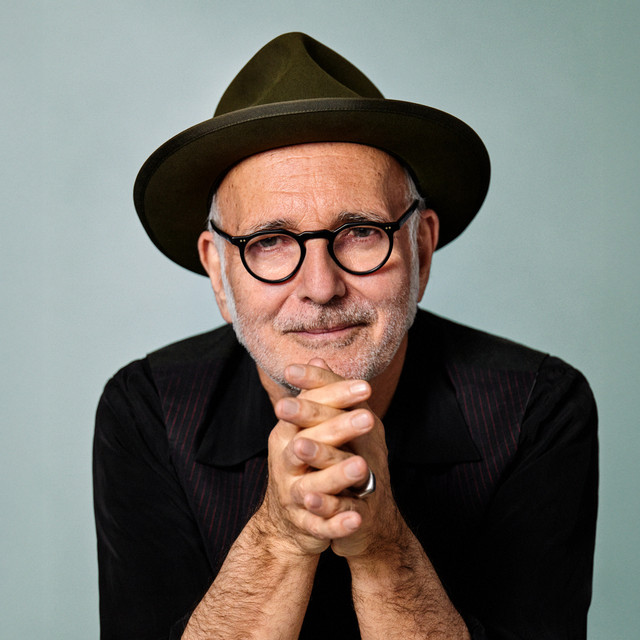
Ludovico Einaudi
Classical
Contemporary Classical
Compositional Ambient
4
/5
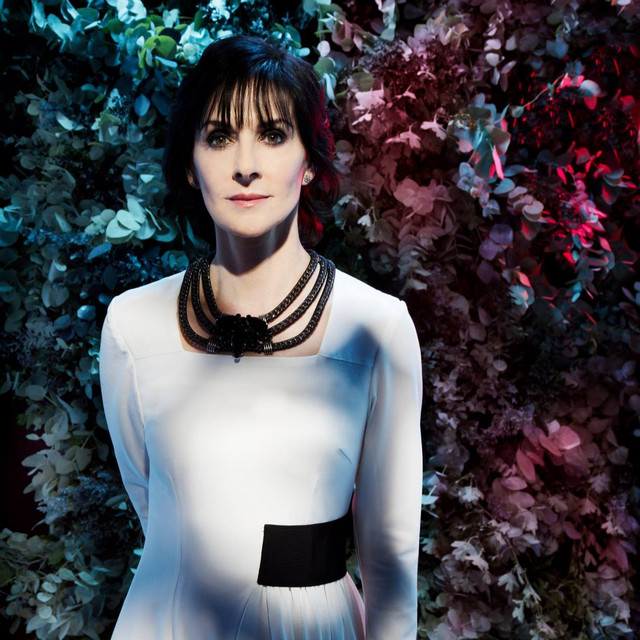
Enya
Celtic
Gregorian Dance
New Age
4
/5
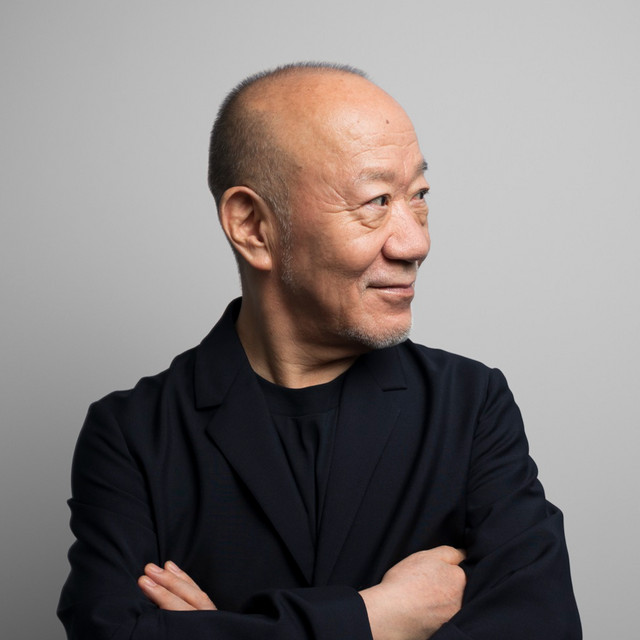
Joe Hisaishi
Japanese Classical
Anime
Cinematic Classical
4
/5
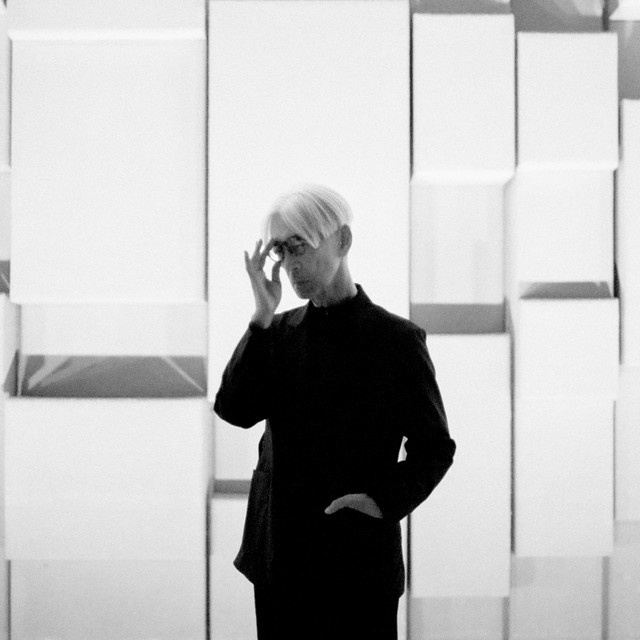
Ryuichi Sakamoto
Drone
Japanese Classical
Ambient
4
/5
Harold Budd
Ambient
Minimalism
Drone
3
/5
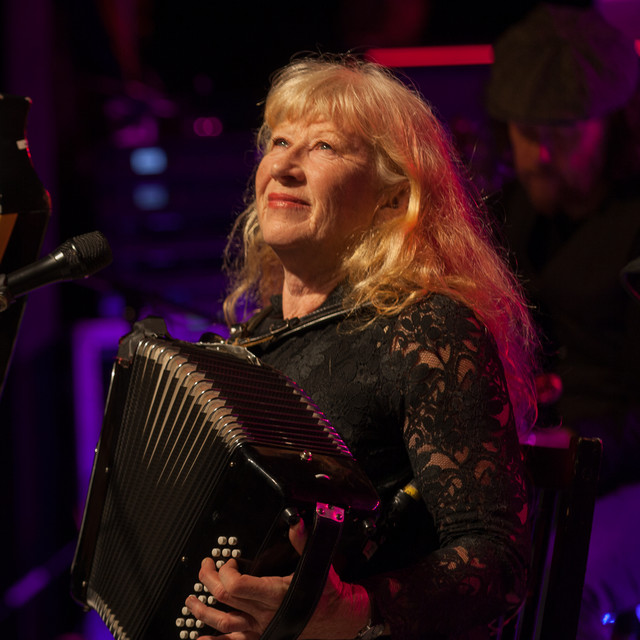
Loreena McKennitt
Celtic New Age
New Age
Celtic
3
/5
Dan Gibson's Solitudes
Gregorian Dance
Gregorian Chant
New Age
3
/5
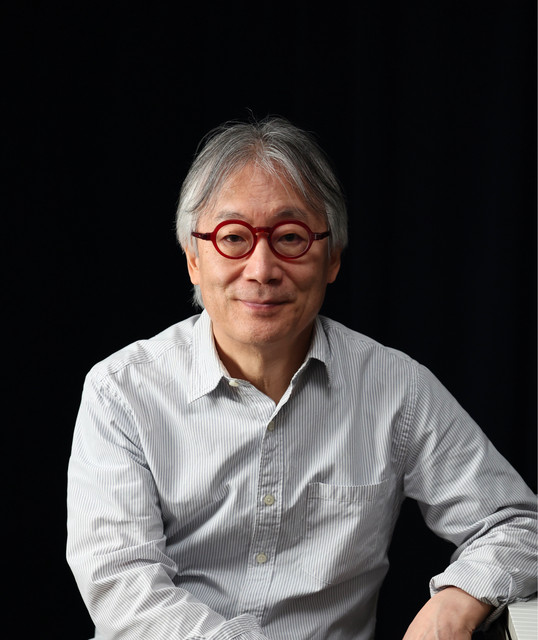
Toshifumi Hinata
Japanese Classical
Ambient
Electronic
3
/5
Clannad
Celtic New Age
Celtic Rock
Rock
Download our mobile app
Get the Melodigging app and start digging for new genres on the go
Download on the App Store
Get it on Google Play
© 2026 Melodigging
Give feedback
Legal
Melodding was created as a tribute to
Every Noise at Once
, which inspired us to help curious minds keep digging into music's ever-evolving genres.