Genres
Artists
Albums
Make Music
Sign in
Sign in
Artists
Nasheed
Artists
Nasheed
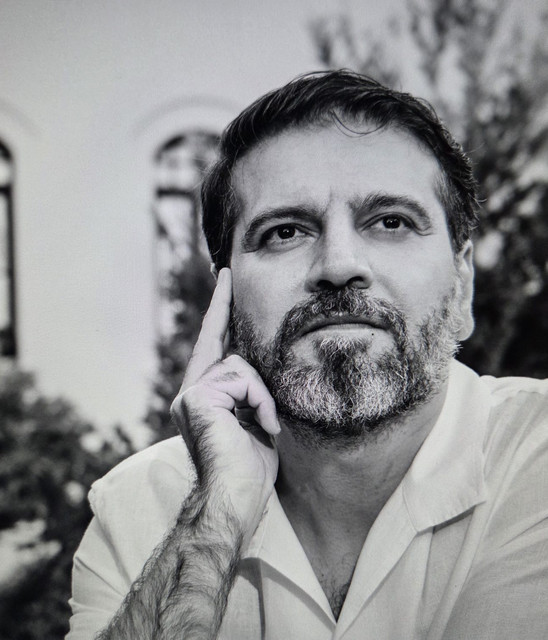
Sami Yusuf
2005–2019
·
4 albums
Listen
3
/5
Genres
Pop
Pop is a broad, hook-driven style of popular music designed for wide appeal. It emphasizes memorable melodies, concise song structures, polished vocals, and production intended for radio, charts, and mass media. While pop continually absorbs elements from other styles, its core remains singable choruses, accessible harmonies, and rhythmic clarity. Typical forms include verse–pre-chorus–chorus, frequent use of bridges and middle-eights, and ear-catching intros and outros. Pop is not defined by a single instrumentation. It flexibly incorporates acoustic and electric instruments, drum machines, synthesizers, and increasingly digital production techniques, always in service of the song and the hook.
Discover
Listen
Sholawat
Sholawat is an Indonesian Islamic devotional song tradition centered on lyrical praises and blessings upon the Prophet Muhammad (salawat). It bridges Arabic liturgical poetry with local musical aesthetics, most commonly voiced in Arabic and Indonesian. Traditionally performed in pesantren (Islamic boarding schools), mosques, and community gatherings such as maulid and haul commemorations, sholawat relies on call-and-response vocals and frame-drum ensembles (rebana/terbangan, hadrah, marawis). In contemporary practice, it also appears in pop-influenced formats with keyboards, oud (gambus), violin, bass, and light percussion, making it accessible to younger audiences while retaining its devotional core. Melodically, sholawat often draws on maqam (modal) flavors such as Hijaz, Bayati, and Nahawand, with ornamental, melismatic singing. Its rhythmic palette spans simple 2/4 and 4/4 grooves to Middle Eastern-derived patterns (e.g., malfuf and wahda), adapted to Indonesian ensemble practices.
Discover
Listen
Sufi
Sufi is a devotional musical tradition rooted in Islamic mysticism that seeks to induce remembrance of the Divine (dhikr) and transport performers and listeners toward spiritual ecstasy (wajd). It is not a single uniform style, but a family of practices that vary across regions—most notably Persian/Iranian, Anatolian/Turkish (Mevlevi), Arab, and South Asian (qawwali, kafi). Musically, Sufi repertoire tends to revolve around repetitive, mantra-like refrains, call-and-response between lead and chorus, and gradual intensification over cyclical rhythms. Melodic language draws from regional modal systems such as the Persian dastgāh, Ottoman/Turkish makam, and South Asian raga, and is often supported by drones. Texts are central: poetry by mystic masters like Rumi, Hafez, Bullhe Shah, and Amir Khusrau is sung in Persian, Urdu, Punjabi, Arabic, Turkish, and other languages. Instrumentation varies by locale—harmonium, tabla/dholak, tanpura, and clapping in South Asia; ney, kudüm, bendir, and tanbur in Turkey; oud and frame drums across the Arab world—yet the unifying aim is spiritual uplift and inner transformation.
Discover
Listen
Qawwali
Qawwali is a Sufi devotional vocal music from the Indian subcontinent that aims to evoke spiritual ecstasy and communal devotion. It is typically performed by a lead singer (qawwal) with a small ensemble of accompanying vocalists, harmoniums, handclaps, and percussion such as dholak and tabla. Musically, Qawwali blends raga-based melodic frameworks and flexible, improvisatory singing with driving rhythms and responsorial choruses. Texts are drawn from Urdu, Persian, Punjabi, and other North Indian languages, and include ghazals, kafis, hamds (praise of God), naats (praise of the Prophet), and manqabats (praise of Sufi saints). Performances traditionally take place at Sufi shrines (dargahs), where repetition, call-and-response, and gradual intensification lead listeners toward wajd (states of spiritual ecstasy). In the modern era, Qawwali is also heard on concert stages, recordings, and film.
Discover
Listen
Nasheed
Nasheed is a form of Islamic devotional song centered on the human voice and text. Traditionally performed a cappella or with minimal percussion (most commonly the frame drum/duff), it conveys praise of God, love of the Prophet Muhammad, ethical instruction, and communal or spiritual reflection. Stylistically, nasheed draws on melodic contours associated with Middle Eastern maqām traditions and favors clear diction, call-and-response refrains, unison choruses, and melismatic ornamentation. While a conservative practice discourages melodic instruments, a contemporary current permits fuller pop arrangements, resulting in a spectrum from austere, chant-like performances to polished, radio-friendly productions. Nasheeds are sung in many languages—Arabic, Urdu, English, Turkish, Malay/Indonesian, and others—allowing the genre to function as a global bridge between traditional religiosity and modern musical idioms.
Discover
Listen
Albums
2019
3
/5
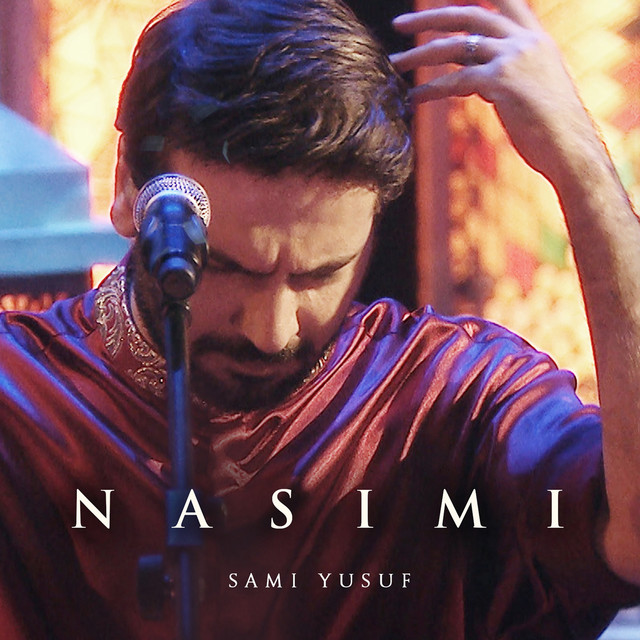
Nasimi (Live)
Sami Yusuf
Nasheed
2016
3
/5
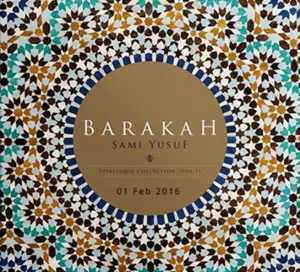
Barakah
Sami Yusuf
Sufi
2005
3
/5
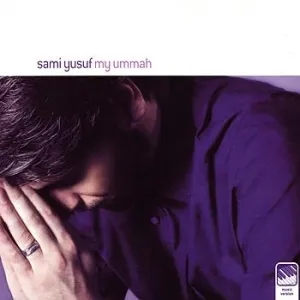
My Ummah
Sami Yusuf
Nasheed
Pop
2005
3
/5
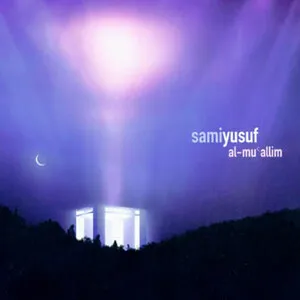
Al-Mu'allim
Sami Yusuf
Nasheed
Similar artists
5
/5
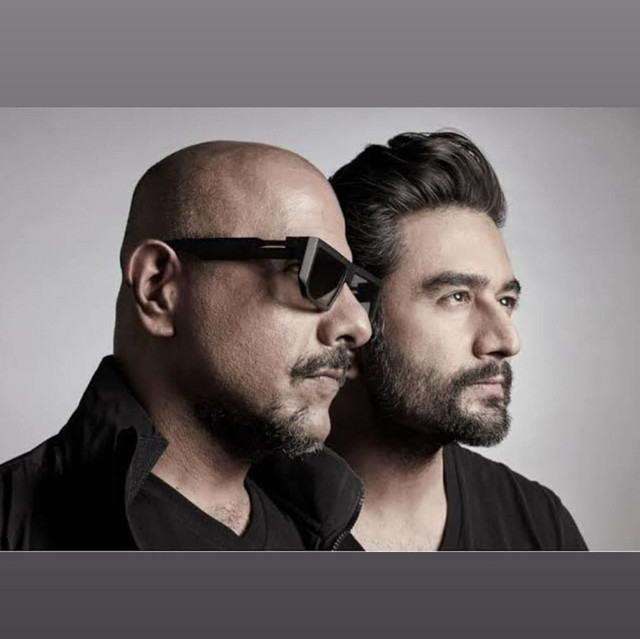
Vishal-Shekhar
Bollywood
Filmi
Pop
5
/5
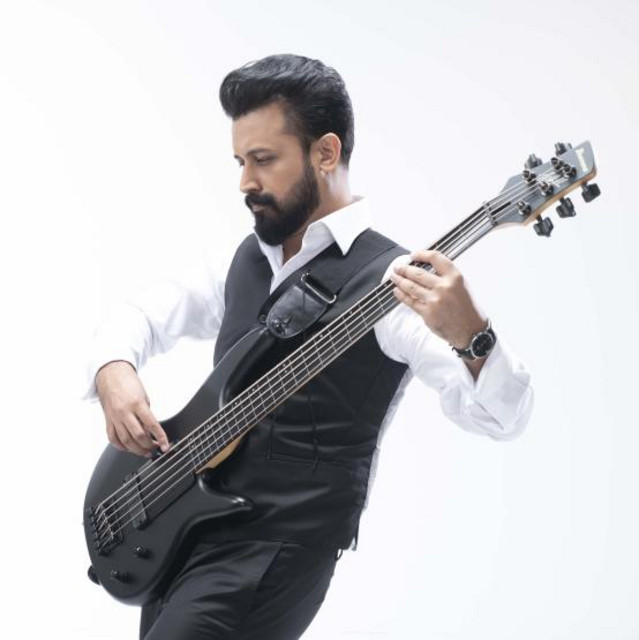
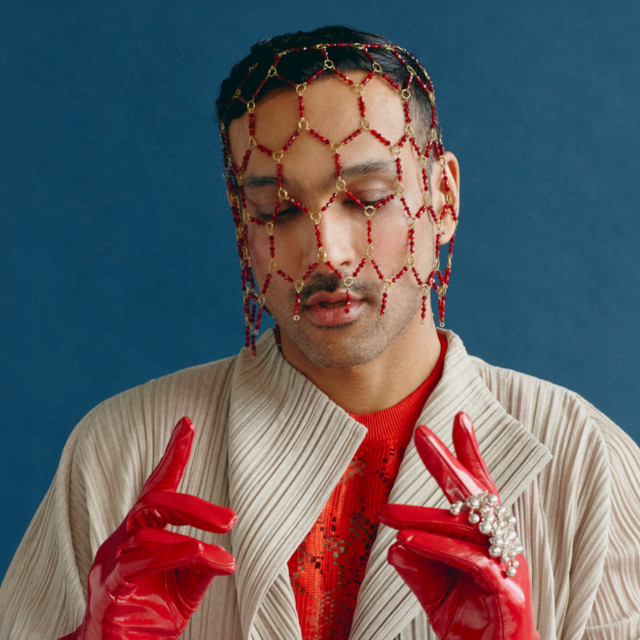
Atif Aslam
Qawwali
Sufi
Bollywood
4
/5
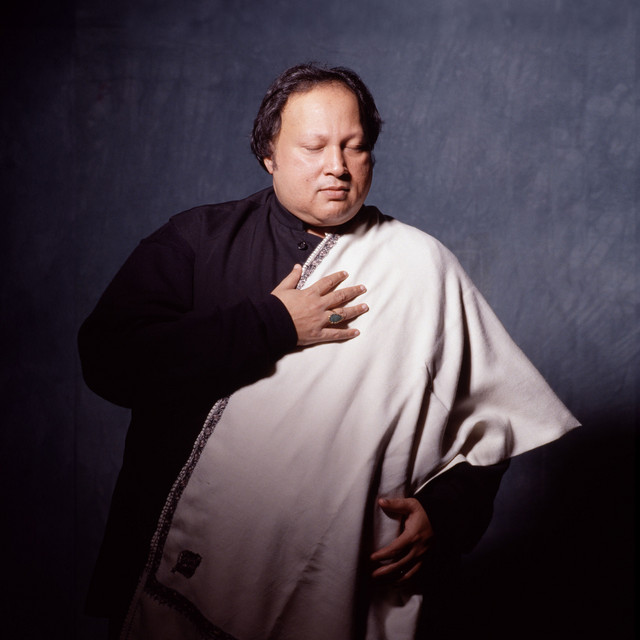
Nusrat Fateh Ali Khan
Qawwali
World
Sufi
3
/5
Ali Sethi
Sufi
Desi
Ghazal
5
/5
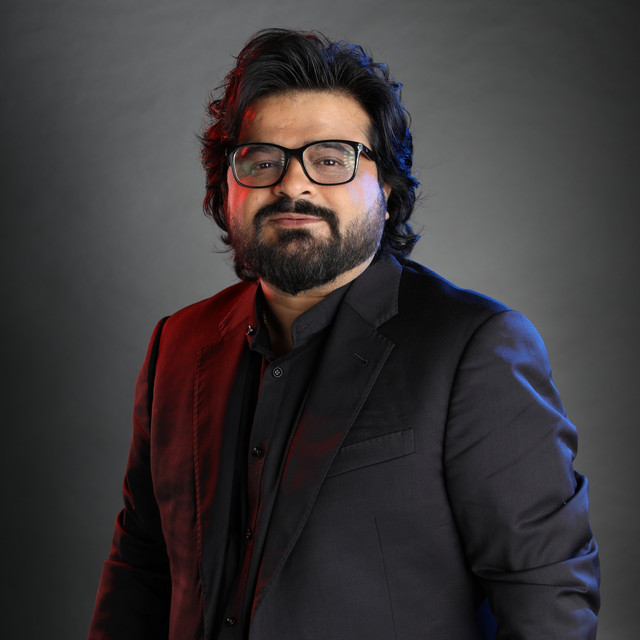
Pritam
Bollywood
Filmi
Pop
5
/5
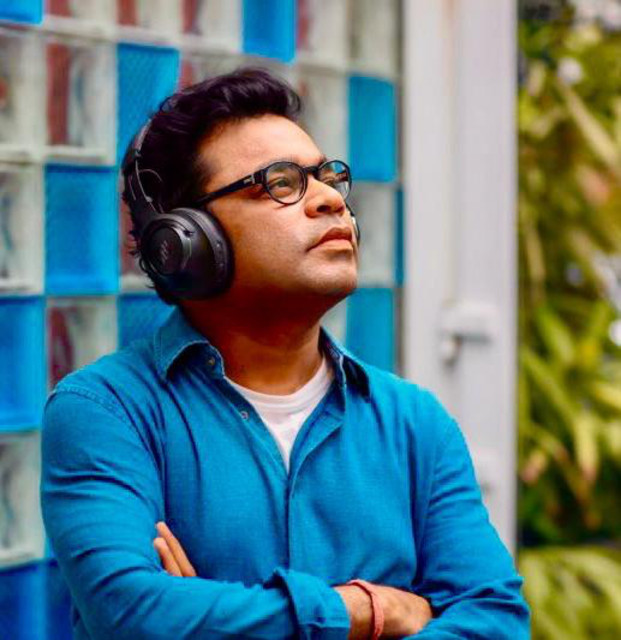
A.R. Rahman
Bollywood
Filmi
Sufi
4
/5
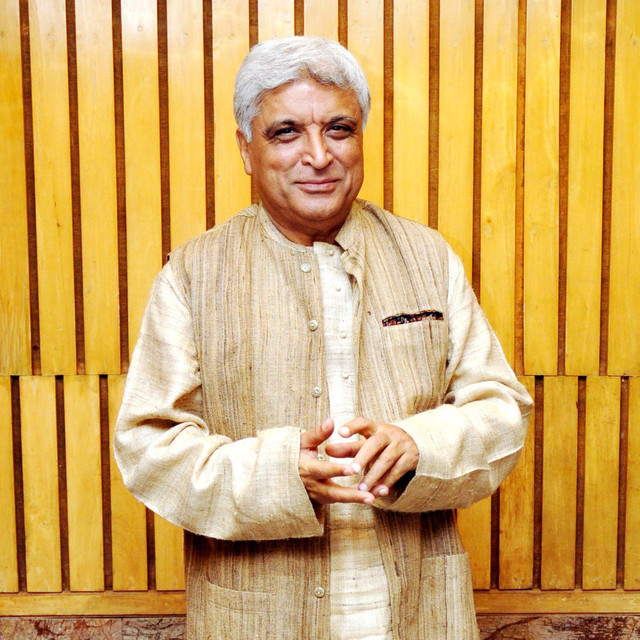
Javed Akhtar
Bollywood
Sufi
Desi
2
/5
Noureddine Khourchid
Qawwali
Sholawat
Sufi
2
/5
Abu Shaar Bro
Qawwali
Sholawat
Sufi
2
/5
Al Marashli Ensemble
Qawwali
Sholawat
Sufi
Download our mobile app
Get the Melodigging app and start digging for new genres on the go
Download on the App Store
Get it on Google Play
© 2026 Melodigging
Give feedback
Legal
Melodding was created as a tribute to
Every Noise at Once
, which inspired us to help curious minds keep digging into music's ever-evolving genres.