Genres
Artists
Albums
Make Music
Sign in
Sign in
Artists
Vocal House
Artists
Vocal House
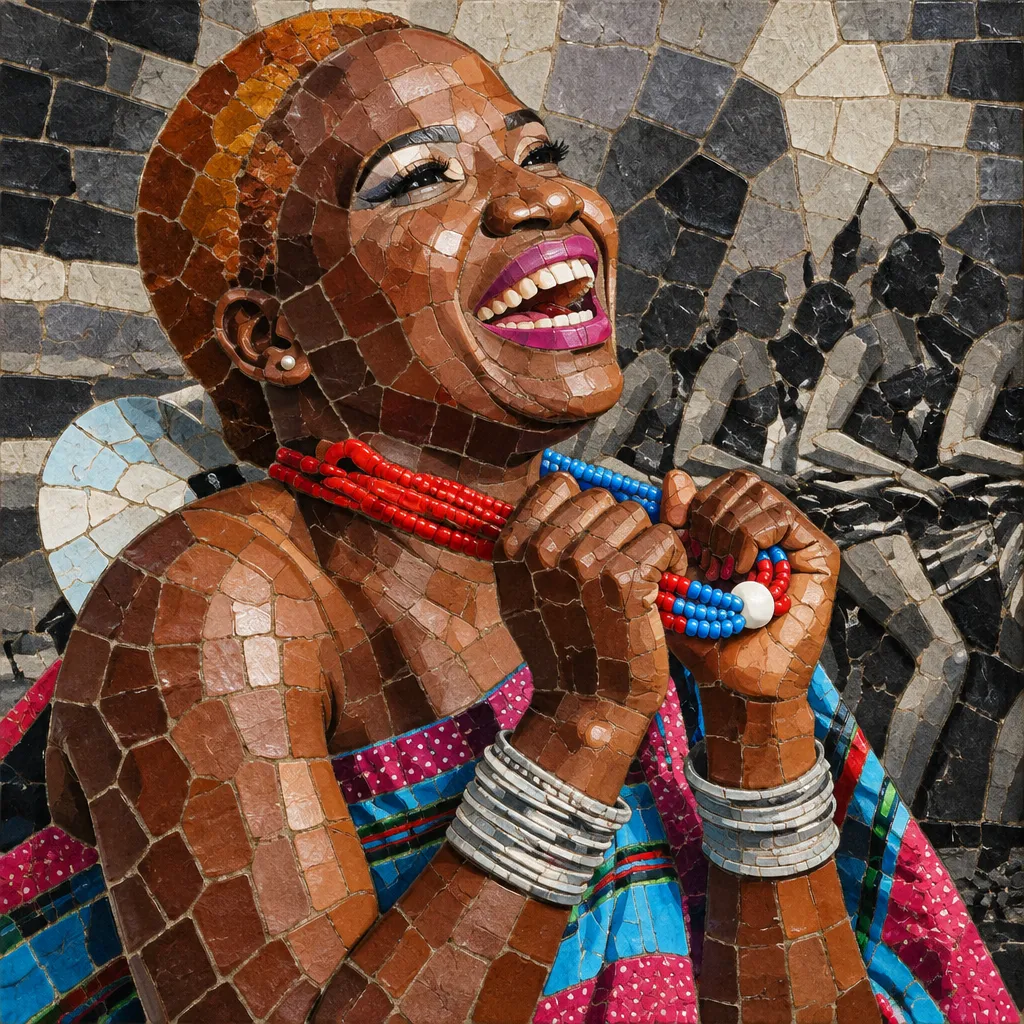
Sam Martin
Listen
4
/5
Genres
Epadunk
Epadunk (also called raggardunk) is a Swedish party‑centric microgenre that fuses high‑energy electronic dance templates with blunt, humorous and often risqué lyrics about rural cruising culture, alcohol and sex. Its name references EPA/A‑tractors—heavily modified slow‑moving cars driven by Swedish teens—that blast these tracks through oversized sound systems. Musically it draws on EDM and 1990s Eurodance hooks, sing‑along choruses and booming, car‑audio‑friendly low end. Culturally it sits inside the youth “EPA” scene and raggare tradition, where showing off vehicles and bass is part of the lifestyle. The sound crossed over nationally in 2022 when several epadunk acts dominated Sweden’s streaming charts.
Discover
Listen
Stutter House
Stutter house is a contemporary house microgenre defined by the percussive use of chopped and rapidly re-triggered vocal fragments that “stutter” rhythmically over a four-on-the-floor groove. Producers slice a short vocal phrase into tiny grains (often 1/8–1/32 notes), gate or retrigger them in syncopated patterns, and then pitch-, formant-, or time-shift the pieces to create a hook that functions as both melody and rhythm. The style typically runs at 124–130 BPM, pairs a tight, sidechained low-end with crisp tech house drums, and relies on minimalist arrangement so the stuttering vocal lead remains the focal point. It borrows the tactile, loop-centric immediacy of tech house and the glitchy ear-candy of modern EDM while keeping club mixing and dancefloor momentum in mind.
Discover
Listen
Edm
EDM (Electronic Dance Music) refers to the mainstream, festival-oriented wave of electronic dance styles that rose to global prominence in the early 2010s. It emphasizes high-energy drops, ear-catching toplines, and crowd-pleasing arrangements designed for large stages and mass audiences. Musically, EDM typically sits around 124–130 BPM with a strong four-on-the-floor kick, wide supersaw leads, bright plucks, and heavily sidechained pads and basses for a pumping feel. Tracks are structured around tension-and-release: intros and builds lead to explosive drops, followed by breakdowns that rebuild energy. Vocals and pop-style songwriting frequently appear, enabling crossover success on radio and streaming platforms.
Discover
Listen
Cruise
Cruise is a fast-paced Nigerian dance music style built around energetic grooves and heavily chopped sampling. It commonly uses short, looped vocal snippets—often humorous or meme-like—cut and rearranged into rhythmic hooks. The sound is club-forward and party-ready, prioritizing movement, chantable moments, and quick transitions over long melodic development. Cruise is closely tied to Nigerian youth party culture and internet-driven humor, where witty sample choices and catchy loop design are as important as the drum patterns.
Discover
Listen
Festival Progressive House
Festival progressive house is an anthemic, melody-forward branch of progressive house engineered for large outdoor stages and mass sing‑alongs. It features euphoric breakdowns, supersaw lead stacks, sidechained pads, and big, vocal‑driven hooks that resolve into powerful four‑on‑the‑floor drops. Arrangements are optimized for festival energy flow: long emotive breakdowns, tension‑building snare rolls and risers, and cathartic, hands‑in‑the‑air drops. Compared with classic progressive house, it is brighter, more pop‑accessible, and designed to translate on huge PA systems and broadcast stages.
Discover
Listen
Big Room House
Big room house is a festival-focused strain of EDM built for massive sound systems and outdoor main stages. It typically runs around 126–132 BPM (most commonly 128), uses four-on-the-floor kick patterns, and features huge, simple lead riffs designed to be instantly memorable to large crowds. A defining trait is the contrast between cinematic, reverb-washed breakdowns and ultra-dry, percussive drops driven by a powerful kick, sub, and a few bold supersaw or horn-like synth stabs. Arrangements lean on dramatic builds with snare rolls, risers, and crowd-hyping vocal chops, culminating in drops that emphasize impact over harmonic complexity.
Discover
Listen
Guaracha Edm
Guaracha EDM is a Colombian-born strain of four-on-the-floor electronic dance music that fuses big-room energy with hooky, folkloric Latin riffs. Its hallmark sound is a driving 4/4 kick at club tempo, stacked with syncopated toms and hand percussion, while short, catchy trumpet- or accordion-like leads deliver the melodic hook. Unlike classic house or techno, the genre leans heavily on Latin rhythmic vocabulary and party chants in Spanish, often chopping, pitching, or formant-shifting vocals into percussive call‑and‑response motifs. The result is a high-adrenaline, festival-ready style designed for “zapateo” dance floors and peak-time drops.
Discover
Listen
Modern Uplift
Modern uplift is a streaming‑era microgenre label for contemporary, radio‑friendly pop/rock that emphasizes optimistic, motivational songwriting and anthemic, sing‑along choruses. It sits at the intersection of post‑grunge sheen and arena‑rock scale, updated with modern pop production touches. Compared with darker alternative strains, modern uplift favors major‑key progressions, mid‑tempo grooves, layered guitars and keys, and polished mixes designed to translate from headphones to large venues. Its lineage runs through 1990s–2000s post‑grunge’s radio‑ready polish and 1970s–1980s arena rock’s big, melodic hooks, reframed in the 2010s by streaming and playlist culture that grouped kindred artists under fine‑grained microgenre tags.
Discover
Listen
Bytebeat
Bytebeat is a minimalist form of algorithmic music in which very short computer programs (often a single arithmetic expression) generate raw PCM audio directly. It typically uses 8-bit integer math and a running time counter t to produce harsh, glitchy, melody-like patterns, rhythms, and textures through bitwise operations, shifts, modular arithmetic, and simple integer multiplications. The aesthetic sits between chiptune timbres and noise art: crunchy aliasing, stepping waveforms, and emergent structure arise from extremely compact code. First popularized online in 2011, bytebeat is as much a programming puzzle as it is a musical style, celebrated for revealing how complex musical behaviors can emerge from ultra-simple rules.
Discover
Listen
Doble Paso
Doble paso is a high‑tempo reggaetón variant characterized by running the classic dembow groove at double speed, creating a frenetic, hard‑hitting feel aimed squarely at the dance floor. Compared with standard reggaetón drum patterns (typically around 90–100 BPM), doble paso accelerates the same rhythmic skeleton to roughly 120–140 BPM, often accompanying a club dance of the same name. Producers keep the core syncopation and low‑end punch of reggaetón while tightening hi‑hats, adding denser percussion fills, and favoring short, chant‑like hooks that match the breathless pace. The result is intense, perreo‑ready energy that bridges classic reggaetón, Dominican dembow’s urgency, and club‑forward editing trends.
Discover
Listen
Progressive Electro House
Progressive electro house is a festival‑ready hybrid that marries the long, melodic builds and emotive chord progressions of progressive house with the gritty basslines, saw‑lead stabs, and syncopated drops of electro house. Tracks typically run around 126–130 BPM in 4/4, featuring wide supersaw stacks, side‑chained pads, and bright, anthemic toplines that crescendo into aggressive, electro‑flavored drops. The style thrived during the early 2010s EDM boom, with Dutch and Scandinavian producers pushing a sound designed for big‑room and main‑stage impact. Production aesthetics favor layered synth leads (Serum, Sylenth1, Massive), tight festival kicks, off‑beat open hats, sweeping risers, and snare‑roll builds, while arrangements spotlight tension‑and‑release between harmonic, euphoric breakdowns and powerful, synth‑driven drops.
Discover
Listen
Dakke Dak
Dakke Dak (also spelled Dakkedak) is a Danish electronic dance music subgenre and slang term that emerged as a distinct cultural phenomenon in the 2010s. Musically, it is a high-energy fusion of various hard dance styles, primarily drawing from Psytrance, Hardstyle, Melbourne Bounce, and Hands Up techno. The name is an onomatopoeia mimicking the rapid, pounding "dak-dak-dak" sound of the heavy basslines and kick drums characteristic of the genre. It is strongly associated with provincial Danish youth culture, "tramper" (stomping) dance styles, car audio culture, and parties in rural or suburban areas. The lyrics are almost exclusively in Danish, often humorous, hedonistic, and centered around drinking, partying, and local identity.
Discover
Listen
Deep Tech
Deep tech (often shorthand for deep tech house) is a stripped‑back, groove‑led branch of house/tech house that emphasizes hypnotic repetition, swing, and sound design over big hooks. Typical tracks sit around 124–128 BPM, use tight, shuffling drum programming, and rely on deep sub‑bass, crisp hi‑hats, and minimal, percussive motifs. Harmony tends to be sparse—dubby chords, single‑note stabs, or short pads—leaving space for long DJ‑friendly arrangements. Vocals, if present, are usually snippets or whispered phrases processed with delay and reverb to blend into the texture rather than sit on top. The result is functional and heady: music optimized for long, seamless mixes, late‑night dancefloors, and a rolling, understated energy rather than explosive drops.
Discover
Listen
Sky Room
Sky room is a streaming-era microgenre of airy, pastel-hued alt‑pop and indie R&B that sits between bedroom pop and chill electronic music. It emphasizes soft, close-miked vocals, spacious reverbs, light trap‑influenced percussion, and gentle synth or clean guitar textures. The overall sound is weightless and daydreamy—designed as much for background listening as for late‑night introspection. Lyrically, sky room leans toward intimate, confessional themes—quiet anxieties, tender romance, and coming‑of‑age self-reflection—conveyed with minimalist phrasing and catchy, understated hooks.
Discover
Listen
Venda Pop
Venda pop is a contemporary South African pop style rooted in the language, melodies and dance traditions of the Venda people (from northern Limpopo). Artists typically sing in Tshivenda while blending house‑derived grooves, bright synths, and catchy call‑and‑response hooks. The sound is upbeat and dance‑forward, but keeps a strong sense of place: choruses often use melodic turns and proverb‑like phrasing familiar from Venda folk and ngano (narrative song) practice. Since the late 2010s it has crossed into the national mainstream via hit singles and festival‑scale performances, helping put Tshivenda on big stages and radio playlists across South Africa.
Discover
Listen
Chill Pop
Chill pop is a contemporary pop micro‑genre that blends radio‑friendly songwriting with the mellow textures of chillout and lo‑fi aesthetics. It favors soft vocals, smooth synths, clean guitar plucks, understated bass, and relaxed, mid‑tempo grooves. Instead of big, bombastic hooks, chill pop tends toward intimate, conversational melodies and minimal, airy arrangements. Production often borrows from bedroom pop and alternative R&B—subtle trap hi‑hats, warm saturation, roomy reverbs, and gentle side‑chain compression—to create a breezy, pastel sound palette well suited to playlists and late‑night listening. Lyrically, chill pop is introspective and relatable: romance, longing, gentle optimism, and coming‑of‑age themes delivered in a plain‑spoken, whisper‑close tone. The result sits between indie pop’s understated cool and mainstream pop’s catchy structures, optimized for the streaming era’s mood‑driven consumption.
Discover
Listen
Deep Big Room
Deep big room is a hybrid branch of EDM that fuses the stadium-scale drops and arrangement of big‑room house with the warmer timbres, deeper basslines, and more groove‑led sensibilities of deep/progressive house. Instead of the piercing supersaw leads and maximalist claps typical of early‑2010s main‑stage tracks, deep big room favors chunky, sidechained low‑end, percussive toplines, filtered plucks, organ/piano stabs, and longer, moodier breakdowns. The result is music that still “hits” on large systems but reads less abrasive—more rolling, hypnotic, and groove‑centric—while retaining crowd‑moving build/drop architecture.
Discover
Listen
Modern Downshift
Modern downshift is a contemporary, playlist-era microgenre that blends hushed alternative pop and alt‑R&B sensibilities with the spaciousness of downtempo and ambient pop. Songs are typically slow to mid‑tempo, minimal in arrangement, and intimate in vocal delivery—often breathy, close‑miked, and confessional. Production emphasizes warmth and negative space: soft sub‑bass, restrained percussion, reverb‑washed pads or guitars, and gentle saturation that keeps the overall texture velvety and nocturnal. Lyrically, the style skews introspective and late‑night: relationships, vulnerability, quiet self‑reflection, and the emotional afterglow of parties or city drives. The result is music that feels low‑key and cinematic—designed as much for solitary listening as for low‑light social settings.
Discover
Listen
Tropical House
Tropical house is a mellow, melodic offshoot of deep house that blends a four-on-the-floor pulse with sun-soaked timbres like steel drums, marimba, pan flute, and warm acoustic guitar. It typically runs around 100–115 BPM, favors major-key progressions, and foregrounds breezy hooks over heavy drops, making it feel more like a summer pop record than a club banger. Vocals often carry romantic, nostalgic, or escapist themes—beaches, sunsets, and travel—while the production emphasizes soft percussion, sidechained pads, and a smooth, rolling sub. The genre rose to global prominence mid-2010s through hit remixes and crossover singles that brought house aesthetics into mainstream pop radio.
Discover
Listen
Cosmic Uplifting Trance
Cosmic uplifting trance is a euphoric, melody‑forward branch of uplifting trance that leans into vast, “astronomical” sound design and emotionally charged themes. It blends supersaw leads, shimmering arpeggios, airy pads, and choirs with spacious reverbs and delays, evoke a feeling of flight, wonder, and the cosmos. Typically around 136–140 BPM, it features long cinematic breakdowns, rising filter sweeps, and snare/FX builds that resolve into soaring, cathartic drops. Harmonies favor bright, consonant progressions in minor keys (often with modal color), while arrangement and sound design emphasize a sense of scale—galactic textures, stardust‑like percussion, and orbital SFX—over a steady 4/4 trance groove.
Discover
Listen
Pilates
Pilates (as a music tag) refers to functional, unobtrusive, largely instrumental music curated to accompany Pilates classes and home workouts. It emphasizes smooth, breath-synchronized flow, stable tempos, and gentle dynamics that support precise, low‑impact movements rather than demand attention. Typical playlists blend calming ambient textures, new age pads and piano, soft downtempo beats, and lounge/chillout grooves. Tracks avoid abrupt transitions, harsh transients, or prominent vocals so instructors and practitioners can focus on alignment, core control, and breathing cues. Tempos cluster in the mid‑range (roughly 80–110 BPM for controlled flow) with slightly faster passages (up to ~120–125 BPM) for more athletic sequences, and slower, atmospheric cues for warm‑ups and cool‑downs. Production values prioritize warmth, spaciousness, and clarity: round low end for grounded movement, soft high‑frequency detail that doesn’t fatigue the ear, and steady dynamics to keep the nervous system calm and attention centered on form.
Discover
Listen
Vocal House
Vocal house is a soulful, song‑forward branch of house music built around prominent lead vocals, memorable hooks, and uplifting messages. It retains the four‑on‑the‑floor pulse of classic house while foregrounding singers in a way that invites sing‑along choruses and radio crossover. The style blends Chicago/NYC house drum programming with disco’s feel‑good ethos, R&B and gospel‑influenced harmonies, and piano/organ chords. Typical productions feature steady 4/4 kicks, syncopated hi‑hats, bouncing basslines, Korg M1 pianos or organs, lush pads, and expansive reverb and delay on the vocals. Lyrical themes often center on love, resilience, community, and dancefloor catharsis.
Discover
Listen
Show all 22 genres
Similar artists
Hide discovered
5
/5
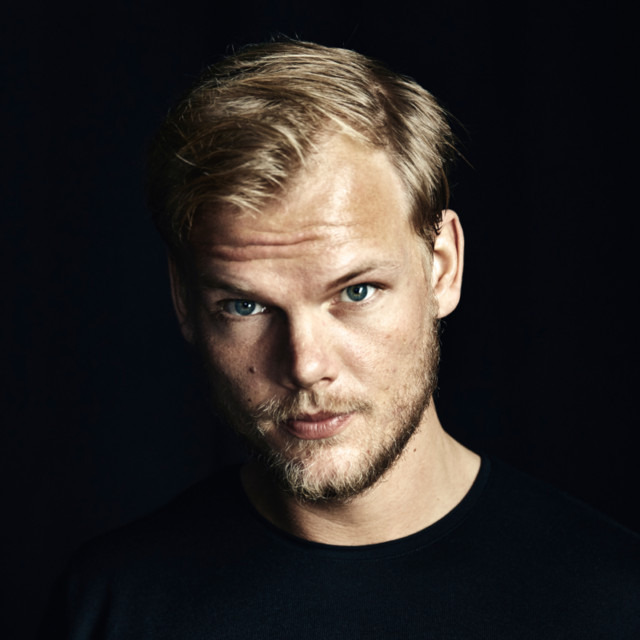
Avicii
Electronic
Dance-Pop
House
4
/5
Zedd
Electro House
Complextro
Dance-Pop
4
/5
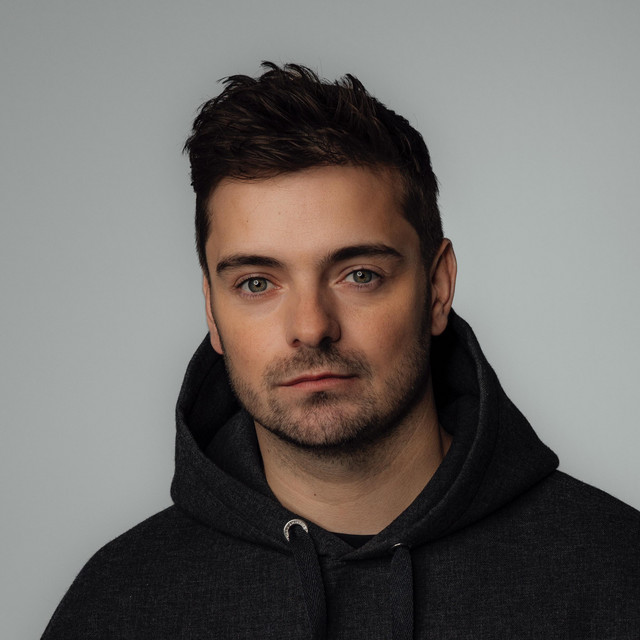
Martin Garrix
Electronica
Progressive House
Edm
4
/5
AFROJACK
Dutch House
Electronic
House
4
/5
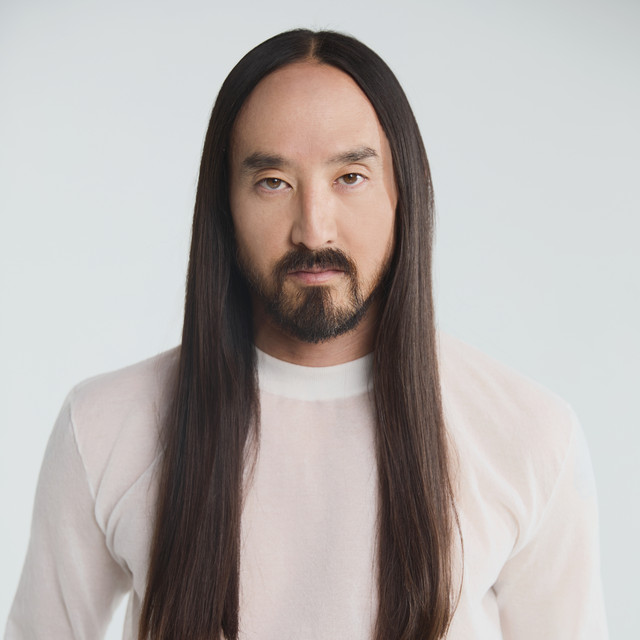
Steve Aoki
Electro House
Electronic
Edm
4
/5
Blasterjaxx
Dutch House
Progressive Electro House
Big Room House
4
/5
Martin Solveig
Filter House
French House
House
3
/5
Spiller
Disco House
Vocal House
Deep House
3
/5
HALIENE
Melodic Bass
Edm
Future Bass
3
/5
Phats & Small
House
Disco House
Electronic
Download our mobile app
Get the Melodigging app and start digging for new genres on the go
Download on the App Store
Get it on Google Play
© 2026 Melodigging
Give feedback
About & FAQ
Legal
Melodding was created as a tribute to
Every Noise at Once
, which inspired us to help curious minds keep digging into music's ever-evolving genres.