Genres
Artists
Albums
Make Music
Sign in
Sign in
Artists
Son Cubano
Artists
Son Cubano
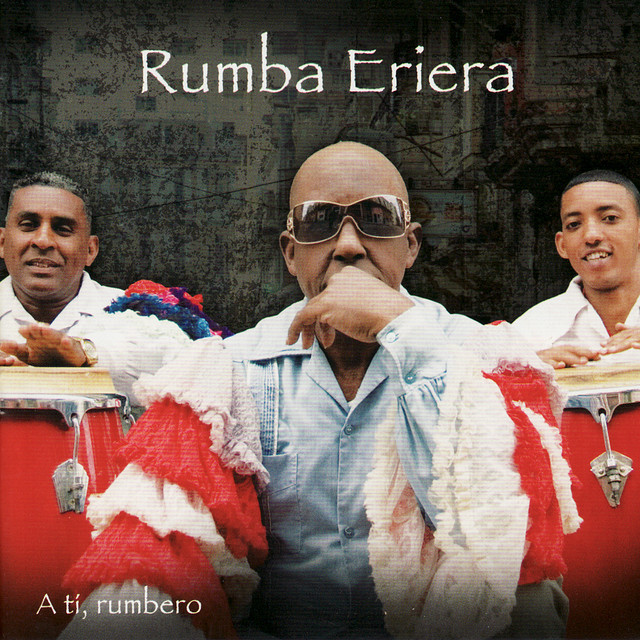
Rumba Eriera
2008
·
1 album
Listen
1
/5
Genres
Timba
Timba is a high-energy Cuban dance-music genre that emerged in the 1990s, characterized by explosive rhythmic drive, complex arrangements, and a modern, urban attitude. It extends the lineage of son cubano and salsa by integrating songo’s drumset-driven groove, rumba’s rhythmic vocabulary, and jazz/funk harmony and horn writing. Hallmarks include gear changes (sudden shifts in groove and orchestration), tightly synchronized bloques (arranged hits and breaks), virtuosic piano tumbaos, aggressive bass lines that “gear up” and release tension, and call-and-response coros with streetwise soneos/rap interjections. Percussion sections typically blend congas, timbales, bongó, and a full drum kit, creating a polyrhythmic engine built around the clave while allowing dramatic rhythmic modulation.
Discover
Listen
Traditional Music
Traditional music is an umbrella term used in the mid–20th century by folklorists and ethnomusicologists to denote community-rooted, orally transmitted repertoires tied to social ritual, work, celebration, and storytelling. Unlike commercial pop or art-music traditions, traditional music is typically learned by ear, varies regionally, and evolves slowly through communal participation. It often features modal melodies, cyclic rhythms, heterophony or unison singing, and indigenous instruments whose timbres are integral to local identity. Lyrics tend to preserve language, history, and collective memory. While the musical practices themselves can be ancient, the phrase “traditional music” emerged to replace earlier, narrower or colonial framings like “folk” or “ethnic” music, foregrounding continuity, locality, and living practice rather than exoticism.
Discover
Listen
Son Cubano
Son cubano is a foundational Cuban genre that fuses Spanish-derived song forms and harmony with Afro-Cuban rhythms and percussion. Born in eastern Cuba (Oriente) and crystallized in Havana in the 1910s–1920s, it became the backbone of much of 20th‑century Latin popular music. Typical ensembles began as sextetos (tres, guitar, bongó, maracas, claves, and bass or marímbula) and later evolved into septetos with trumpet. Conjunto formats in the 1940s added piano, congas, and multiple horns. The music rides a son clave (in 3‑2 or 2‑3 orientation), features interlocking tres guajeos, a walking/tumbao bass that anticipates the downbeat, and call‑and‑response vocals in the montuno section. Harmonically it is rooted in I–IV–V with bluesy dominant sevenths and occasional secondary dominants. Lyrically it balances romance, everyday life, and streetwise wit, always aimed at dancing and social gathering.
Discover
Listen
Rumba Cubana
Rumba cubana is an Afro‑Cuban secular music and dance tradition born in the working‑class solares and dockyards of Havana and Matanzas in the late 19th century. It is percussion‑driven, sung in call‑and‑response, and danced in a highly interactive way. The genre revolves around the rumba clave (in 3‑2 or 2‑3 orientation), interlocking conga (tumbadora) parts, wooden sticks (palitos) on the drum shell, and often cajones (wooden boxes) and chekeré. Its main substyles are yambú (slow and graceful), guaguancó (medium tempo, playful “vacunao” courtship gesture), and columbia (fast, often in 12/8, originally a solo male competitive dance). Rumba cubana is distinct from the ballroom “rhumba.” It is a community practice that blends Central/West African rhythmic logics with Spanish song poetry, improvisation, and dance theater.
Discover
Listen
Afro-Cuban Percussion
Afro-Cuban percussion refers to the family of hand-drum and small-percussion practices that developed in Cuba from West and Central African traditions, fused with local Cuban culture. Its heartbeat is the clave timeline, which organizes interlocking rhythms (often in 3-2 or 2-3 orientation) and anchors layers of drums, bells, and shakers. Core instruments include tumbadoras (congas), bongó with cencerro (cowbell), batá (the sacred double-headed hourglass drums of Yoruba/Lukumí worship: iyá, itótele, okónkolo), cajón (wooden box), timbales (later in popular dance contexts), chekeré/güiro (scrapers and beaded gourds), and various bells. Textures are polyrhythmic and cyclical, featuring call-and-response vocals, improvisatory lead drum phrases, and timeline instruments that guide the ensemble. Within Afro-Cuban percussion there are distinct streams: sacred drumming (batá, iyesá, arará, abakuá) tied to religious ceremony, and secular forms (rumba—yambú, guaguancó, columbia—comparsa/conga street processions, and later dance-band contexts). The tradition emphasizes groove, conversation between parts, and the expressive dialogue between dancer and lead drum.
Discover
Listen
Albums
2008
1
/5
A Tí, Rumbero
Rumba Eriera
Afro-Cuban Percussion
Rumba Cubana
Similar artists
Hide discovered
1
/5
Rumberos de Cuba
Son Cubano
Timba
Traditional Music
2
/5
Los Muñequitos De Matanzas
Rumba Cubana
Afro-Cuban Jazz
Latin Jazz
1
/5
Clave y Guaguancó
Rumba Cubana
Son Cubano
Timba
1
/5
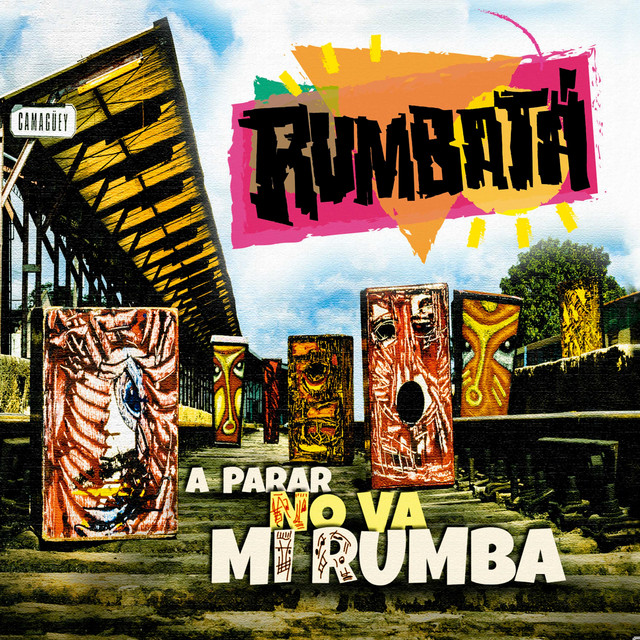
Rumbatá
Latin Jazz
Son Cubano
Timba
1
/5
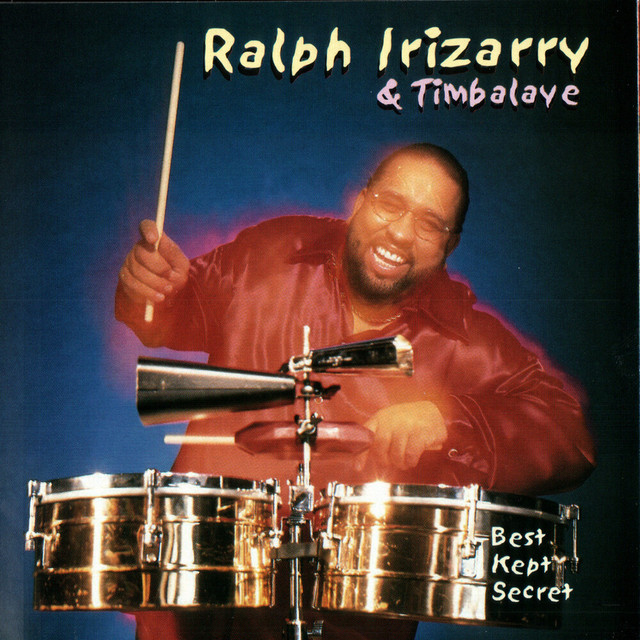
Timbalaye
Afro-Cuban Jazz
Afro-Cuban Percussion
Latin Jazz
1
/5
Pancho Amat Y Su Cabildo Del Son
Son Cubano
Timba
Traditional Music
1
/5
Ecos Del Tivoli
Son Cubano
Timba
Traditional Music
3
/5
Los Van Van
Timba
Rumba Cubana
Songo
2
/5
Maraca
Timba
Latin
Afro-Cuban Jazz
1
/5
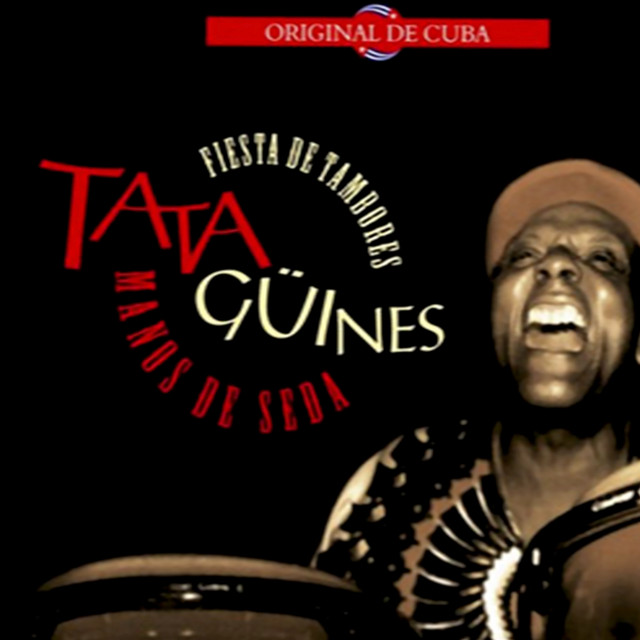
Tata Güines
Latin Jazz
Rumba Cubana
Son Cubano
Download our mobile app
Get the Melodigging app and start digging for new genres on the go
Download on the App Store
Get it on Google Play
© 2026 Melodigging
Give feedback
About & FAQ
Legal
Melodding was created as a tribute to
Every Noise at Once
, which inspired us to help curious minds keep digging into music's ever-evolving genres.