Genres
Artists
Albums
Make Music
Sign in
Sign in
Artists
Timba
Artists
Timba
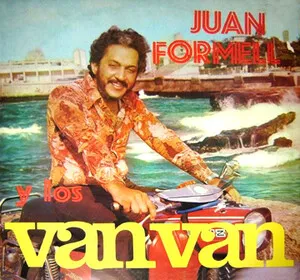
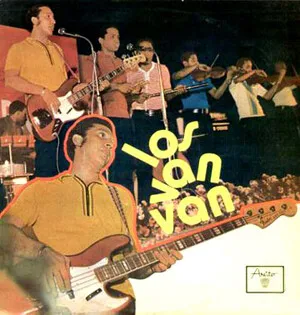
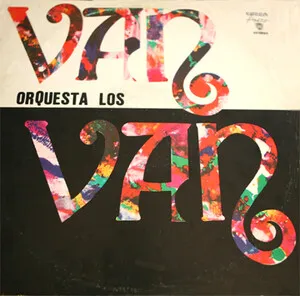
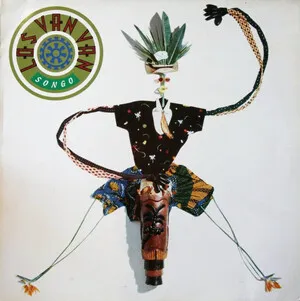
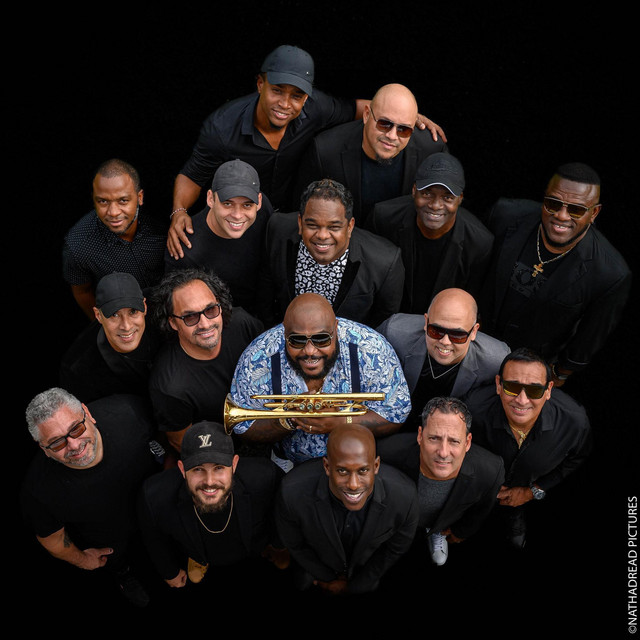
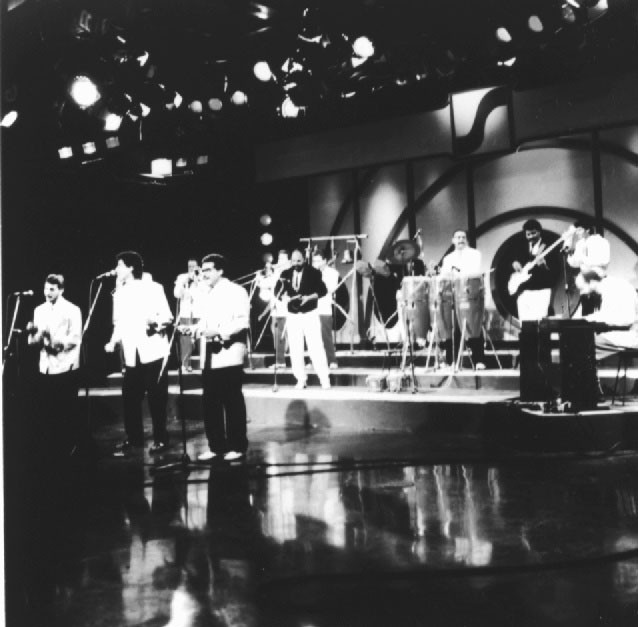
Los Van Van
1993–2023
·
30 albums
Listen
3
/5
Genres
Timba
Timba is a high-energy Cuban dance-music genre that emerged in the 1990s, characterized by explosive rhythmic drive, complex arrangements, and a modern, urban attitude. It extends the lineage of son cubano and salsa by integrating songo’s drumset-driven groove, rumba’s rhythmic vocabulary, and jazz/funk harmony and horn writing. Hallmarks include gear changes (sudden shifts in groove and orchestration), tightly synchronized bloques (arranged hits and breaks), virtuosic piano tumbaos, aggressive bass lines that “gear up” and release tension, and call-and-response coros with streetwise soneos/rap interjections. Percussion sections typically blend congas, timbales, bongó, and a full drum kit, creating a polyrhythmic engine built around the clave while allowing dramatic rhythmic modulation.
Discover
Listen
Songo
Songo is a modern Cuban dance-music style that fuses the charanga ensemble tradition (flute, violins, piano, bass) with drumset-driven Afro‑Cuban percussion and contemporary pop, funk, rock, and jazz elements. Rhythmically, it is defined by a drumset pattern that interlocks with congas, timbales, bongó/campana, and the 3–2 or 2–3 clave (often rumba clave), creating a buoyant, syncopated groove designed for social dancing. Harmonically, songo leans on cyclical vamp-based progressions and piano montunos, while arrangements feature coro‑pregón call‑and‑response and dynamic textural shifts. Pioneered by Los Van Van under bandleader Juan Formell with drummer José Luis “Changuito” Quintana, songo embraced electric bass, synthesizers, and studio innovation. It became a cornerstone of post‑revolution Cuban popular music and a direct ancestor of timba, while also informing salsa and Latin jazz rhythm sections.
Discover
Listen
Salsa
Salsa is a pan–Latin dance music forged primarily in New York City by Puerto Rican, Cuban, and other Caribbean diasporas. It synthesizes Afro‑Cuban rhythmic blueprints, Puerto Rican bomba and plena, jazz harmony, big‑band horn writing, and Nuyorican street culture into a tightly arranged yet improvisation‑friendly style. The music lives on the clave (either 2‑3 or 3‑2), with layered percussion (congas, bongó, timbales, cowbell, güiro, maracas), a tumbao bass that anticipates the beat, and piano montuno guajeos that interlock with the rhythm section. Call‑and‑response vocals (coro/pregón), punchy horn mambos and moñas, and instrumental solos energize the montuno section. Tempos range from medium to fast in 4/4, optimized for social dancing (commonly “on1” or “on2”). Across decades, salsa has branched into harder, percussion‑forward “salsa dura,” smoother “salsa romántica,” and regional scenes in Puerto Rico, Venezuela, and Colombia, while continuing to influence—and be influenced by—neighboring tropical and jazz idioms.
Discover
Listen
Funk
Funk is a rhythm-forward African American popular music style that centers on groove, syncopation, and interlocking parts. Rather than emphasizing complex chord progressions, funk builds tight, repetitive vamps that highlight the rhythm section and create an irresistible dance feel. The genre is marked by syncopated drum patterns, melodic yet percussive bass lines, choppy guitar "chanks," punchy horn stabs, call‑and‑response vocals, and a strong backbeat. Funk’s stripped-down harmony, prominent use of the one (accenting the downbeat), and polyrhythmic layering draw deeply from soul, rhythm and blues, jazz, gospel, and African rhythmic traditions. From James Brown’s late-1960s innovations through the expansive P-Funk universe and the slicker sounds of the 1970s and 1980s, funk has continually evolved while seeding countless other genres, from disco and hip hop to house and modern R&B.
Discover
Listen
Latin
Latin (as a genre label) is a broad umbrella used by the recording industry to categorize popular music rooted in Latin America, the Caribbean, and the Iberian world, often characterized by syncopated Afro-diasporic rhythms, dance-forward grooves, and lyrics primarily in Spanish or Portuguese. As a marketplace category that took shape in the mid-20th century United States, it gathers diverse traditions—Afro-Cuban, Brazilian, Mexican, and Caribbean styles—into a shared space. In practice, "Latin" spans everything from big-band mambo and bolero ballads to contemporary pop, rock, hip hop, and dance fusions produced by artists of Latin American heritage.
Discover
Listen
Son Montuno
Son montuno is a seminal variant of Cuban son distinguished by its extended montuno section: a vamp-based, call-and-response passage that spotlights coro–pregón vocals, cyclical piano or tres guajeos, and a propulsive rhythm section centered on the son clave. Compared with earlier septeto son, son montuno adopts a fuller conjunto format (trumpets, piano, conga added to bongó, maracas, claves, bass, and tres), thicker horn riffs, and more syncopated tumbaos. It balances a lyrical, narrative verse (canto or verso) with a highly danceable, improvisatory montuno, making it the bridge between rural son traditions and later big-band and urban Afro‑Caribbean dance styles.
Discover
Listen
Son Cubano
Son cubano is a foundational Cuban genre that fuses Spanish-derived song forms and harmony with Afro-Cuban rhythms and percussion. Born in eastern Cuba (Oriente) and crystallized in Havana in the 1910s–1920s, it became the backbone of much of 20th‑century Latin popular music. Typical ensembles began as sextetos (tres, guitar, bongó, maracas, claves, and bass or marímbula) and later evolved into septetos with trumpet. Conjunto formats in the 1940s added piano, congas, and multiple horns. The music rides a son clave (in 3‑2 or 2‑3 orientation), features interlocking tres guajeos, a walking/tumbao bass that anticipates the downbeat, and call‑and‑response vocals in the montuno section. Harmonically it is rooted in I–IV–V with bluesy dominant sevenths and occasional secondary dominants. Lyrically it balances romance, everyday life, and streetwise wit, always aimed at dancing and social gathering.
Discover
Listen
Rumba Cubana
Rumba cubana is an Afro‑Cuban secular music and dance tradition born in the working‑class solares and dockyards of Havana and Matanzas in the late 19th century. It is percussion‑driven, sung in call‑and‑response, and danced in a highly interactive way. The genre revolves around the rumba clave (in 3‑2 or 2‑3 orientation), interlocking conga (tumbadora) parts, wooden sticks (palitos) on the drum shell, and often cajones (wooden boxes) and chekeré. Its main substyles are yambú (slow and graceful), guaguancó (medium tempo, playful “vacunao” courtship gesture), and columbia (fast, often in 12/8, originally a solo male competitive dance). Rumba cubana is distinct from the ballroom “rhumba.” It is a community practice that blends Central/West African rhythmic logics with Spanish song poetry, improvisation, and dance theater.
Discover
Listen
Show all 8 genres
Albums
2023
1
/5
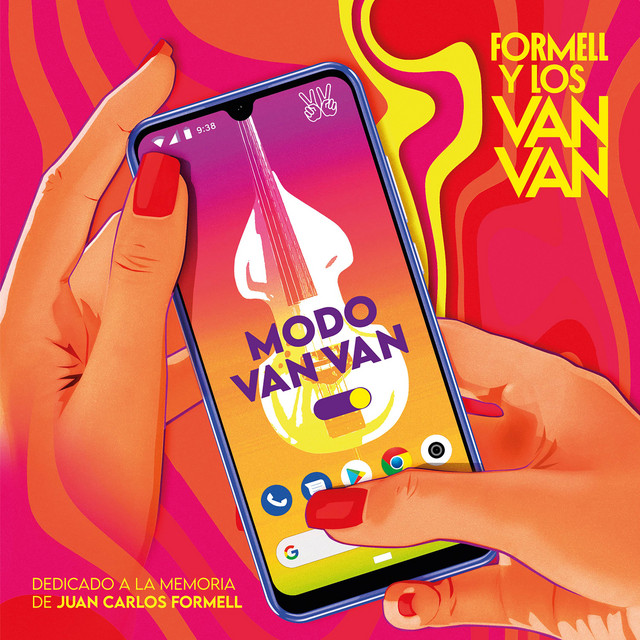
Modo Van Van
Los Van Van
Rumba Cubana
2020
1
/5
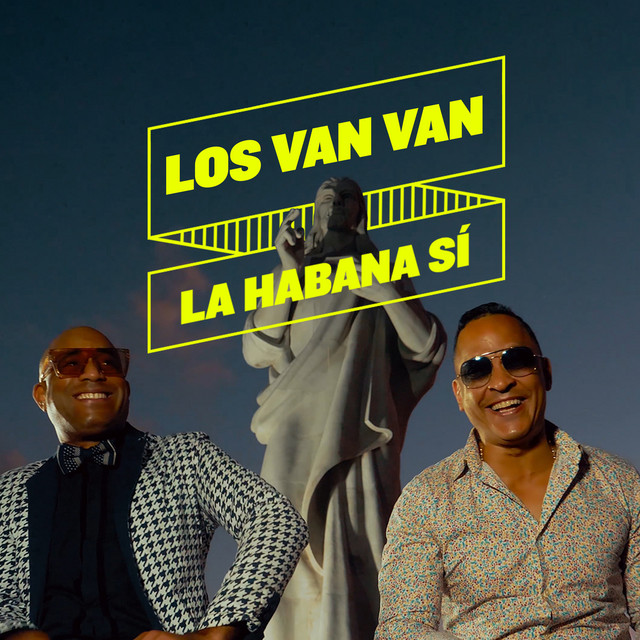
La Habana Sí
Los Van Van
Rumba Cubana
2003
2
/5
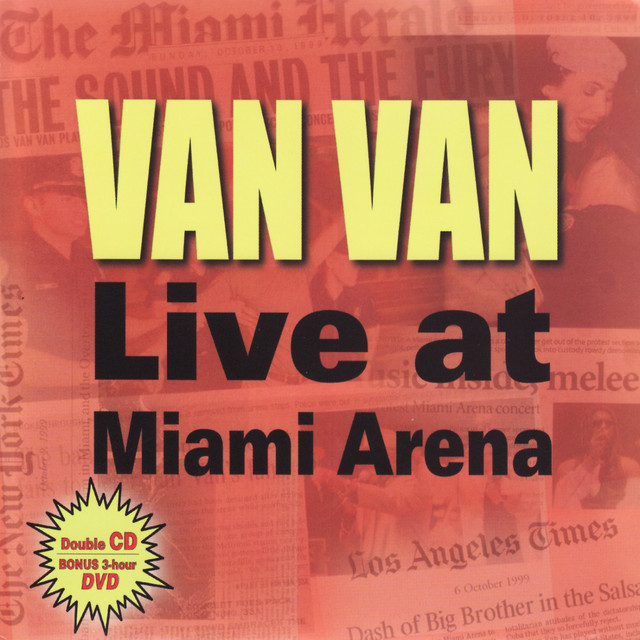
Live At Miami Arena
Los Van Van
Rumba Cubana
2003
3
/5
Llegó Van Van
Los Van Van
Timba
Rumba Cubana
Latin
2002
2
/5
Non Stop Salsa Party
Los Van Van
Rumba Cubana
1995
1
/5
Vol. III
Los Van Van
Songo
Funk
Latin
1993
2
/5
Bailando Mojao
Los Van Van
Rumba Cubana
La Habana sí
Los Van Van
Son Montuno
Vol. VI
Los Van Van
Songo
Vol. V
Los Van Van
Songo
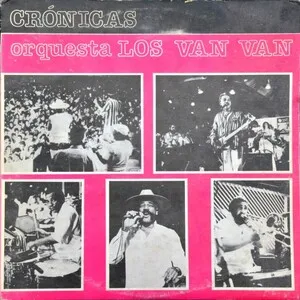
Crónicas
Los Van Van
Songo
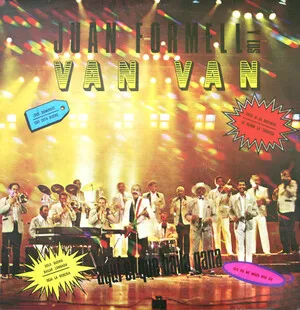
Aquí el que baile gana
Los Van Van
Songo
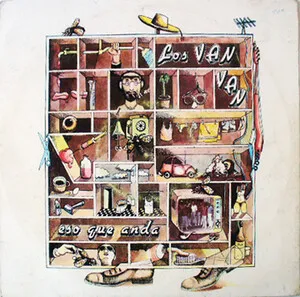
Eso que anda
Los Van Van
Songo
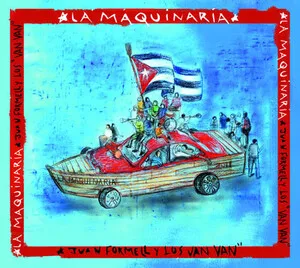
La maquinaria
Los Van Van
Songo
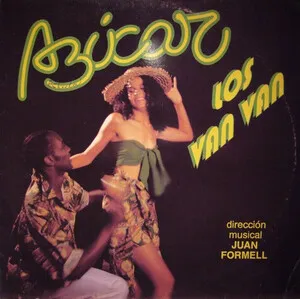
Azúcar
Los Van Van
Songo
La Habana sí
Los Van Van
Songo
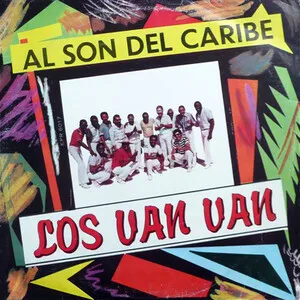
Al son del Caribe
Los Van Van
Songo
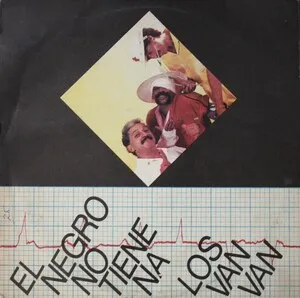
El negro no tiene na
Los Van Van
Songo
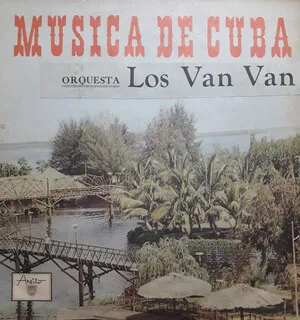
Música de Cuba
Los Van Van
Songo
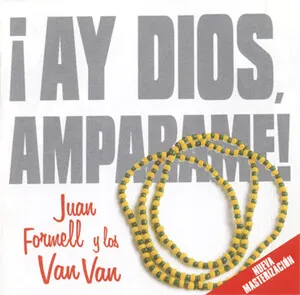
Ay Dios, Ampárame!
Los Van Van
Songo
Vol. II
Los Van Van
Songo
Vol. IV
Los Van Van
Songo
Songo
Los Van Van
Songo
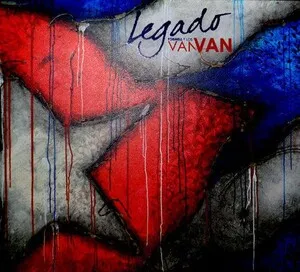
Legado
Los Van Van
Timba
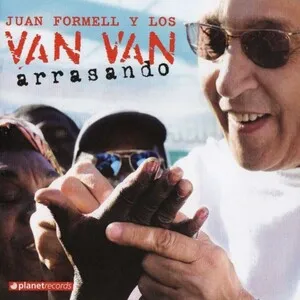
Arrasando
Los Van Van
Timba
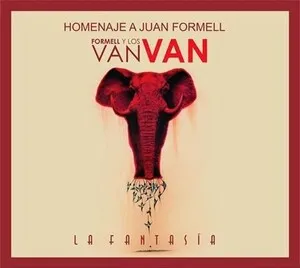
La Fantasía
Los Van Van
Timba
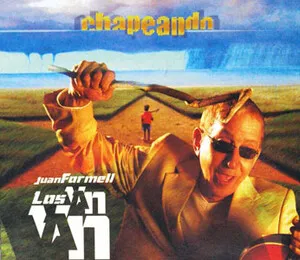
Chapeando
Los Van Van
Timba
La maquinaria
Los Van Van
Timba
Azúcar
Los Van Van
Timba
Ay Dios, Ampárame!
Los Van Van
Timba
Similar artists
2
/5
Maraca
Timba
Chachachá
Latin Jazz
3
/5
Juan Formell
Salsa
Son Cubano
Timba
1
/5
Batacumbele
Latin Jazz
Salsa
Songo
3
/5
Mongo Santamaria
Rumba Cubana
Boogaloo
Mambo
4
/5
Celia Cruz
Latin Dance
Son Cubano
Mambo
3
/5
Alexander Abreu
Salsa
Timba
Reparto
3
/5
Havana D’Primera
Salsa
Timba
Son Cubano
2
/5
Irakere
Songo
Latin Jazz
Son Cubano
2
/5
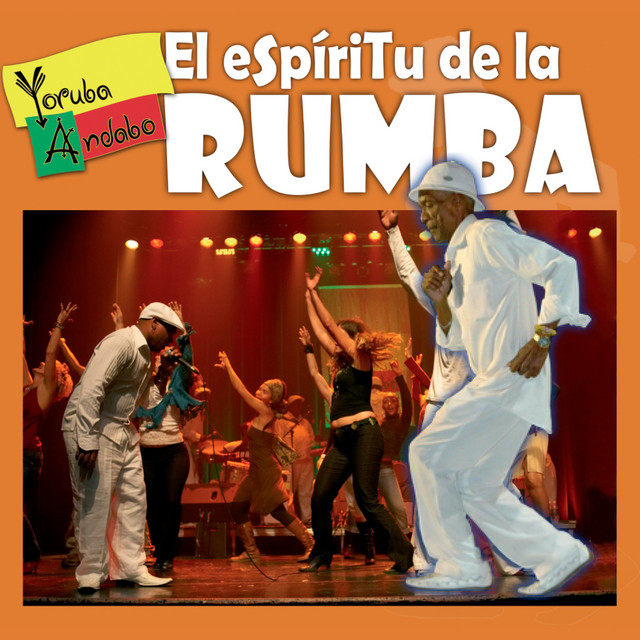
Yoruba Andabo
Rumba Cubana
Reparto
Salsa
1
/5
Various Artists
Afro-Funk
Alternative Rock
Ambient
Download our mobile app
Get the Melodigging app and start digging for new genres on the go
Download on the App Store
Get it on Google Play
© 2026 Melodigging
Give feedback
Legal
Melodding was created as a tribute to
Every Noise at Once
, which inspired us to help curious minds keep digging into music's ever-evolving genres.