Genres
Artists
Albums
Make Music
Sign in
Sign in
Artists
Jazz Brass
Artists
Jazz Brass
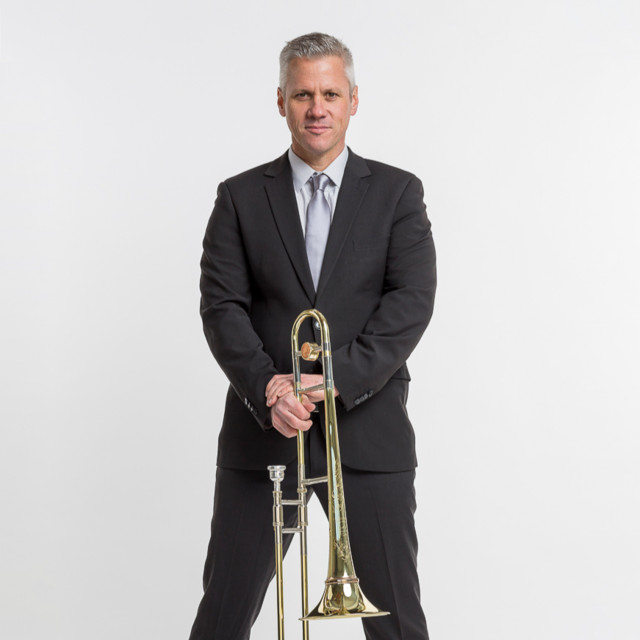
Robin Eubanks
2019
·
1 album
Listen
Genres
Contemporary Jazz
Contemporary jazz is an umbrella term for post-1970 jazz that absorbs advances from post‑bop, fusion, free jazz, modern classical, and global traditions while retaining the core values of improvisation and interaction. It favors a flexible rhythmic feel (from straight‑8 to polyrhythms), modal and post‑tonal harmony, and a producer’s ear for space, texture, and sound design. Unlike earlier era labels tied to a single movement, contemporary jazz denotes a living, evolving practice. It ranges from intimate acoustic trios to electronics‑enhanced ensembles, often using odd meters, ambient timbres, and song forms that move beyond the 32‑bar standard. The result is a wide spectrum—from lyrical, ECM‑influenced spaciousness to groove‑forward, rhythmically intricate music influenced by funk and world traditions.
Discover
Listen
Jazz Fusion
Jazz fusion (often simply called "fusion") blends the improvisational language and harmonic richness of jazz with the amplified instruments, grooves, and song forms of rock, funk, and R&B. It typically features electric guitars, electric bass or fretless bass, Rhodes electric piano, clavinet, analog and digital synthesizers, and a drum kit playing backbeat- and syncopation-heavy patterns. Hallmarks include extended chords and modal harmony, complex and shifting meters, brisk unison lines, virtuosic improvisation, and a production aesthetic that embraces effects processing and studio craft. The style ranges from fiery, aggressive workouts to polished, atmospheric textures, often within the same piece. Emerging in the late 1960s and flourishing through the 1970s, jazz fusion became a bridge between jazz audiences and rock/funk listeners, shaping later styles such as jazz-funk, smooth jazz, nu jazz, and parts of progressive and technical rock/metal.
Discover
Listen
Post-Bop
Post-bop is a modern jazz style that emerged in the early-to-mid 1960s as a synthesis of bebop, hard bop, modal jazz, cool jazz, third stream ideas, and the experimental impulses of the avant‑garde. It typically features acoustic small ensembles (often trumpet, saxophone, piano, bass, and drums) interacting with highly flexible time, non-functional or modal harmony, and motivic development rather than relying strictly on bebop chord cycles. Its sound balances structure and freedom: forms are clearly composed and often intricate, but improvisers stretch time feels, reharmonize on the fly, and use advanced harmonic colors such as quartal voicings, pedal points, and chromatic planing. Canonical touchstones include Miles Davis’s mid‑’60s Second Great Quintet (e.g., E.S.P., Nefertiti), Wayne Shorter’s Speak No Evil, Herbie Hancock’s Maiden Voyage, Andrew Hill’s Point of Departure, and many mid‑’60s Blue Note recordings that pushed beyond hard bop.
Discover
Listen
Jazz Brass
Jazz brass is a jazz-centered approach that foregrounds brass instruments—chiefly trumpet, trombone, and tuba/sousaphone—either as solo voices or as harmonized horn sections. It emphasizes the distinct timbres, colors, and articulations available to brass, from velvety cup-muted lines and plunger “wa-wa” effects to open-horn brilliance and growls. Across small combos and big bands alike, jazz brass is defined by swing and post–swing rhythmic feels, riff-based call-and-response, shout choruses, and an improvisational language rooted in the blues. Early forms drew on New Orleans marching/brass band traditions and ragtime; later developments absorbed bebop’s chromaticism and hard bop’s gospel/blues inflections, while contemporary practice spans straight-ahead, second-line, and modern chamber-like brass voicings. In performance, brass players exploit mutes (Harmon, cup, plunger, bucket), lip slurs, half-valve effects, shakes, smears, and flutter-tongue to shape phrases—making tone color and articulation as central as harmony and rhythm.
Discover
Listen
Jazz Trombone
Jazz trombone refers to the idiomatic ways the trombone is used as a lead, section, and solo instrument across jazz styles. Its sound palette ranges from buttery legato ballads to bright, brassy shout choruses, and from vocal plunger-mute inflections to hyper-articulated bebop lines. The instrument first took a supporting “tailgate” role in early New Orleans/Dixieland ensembles, sliding between chord tones, outlining bass figures, and providing smears and counter-lines under the cornet or clarinet. Over time, virtuoso players demonstrated that the slide horn could execute the same fast, harmonically advanced language as saxophones and trumpets in bebop and hard bop. In big band writing—the music’s core orchestral tradition—the trombone section (typically 3–5 players) provides a warm harmonic spine, punchy riffs, and dramatic falls/doits. Modern jazz trombone embraces straight-eighth grooves, Latin and Afro-Cuban feels, avant-garde techniques, and chamber-like interaction, while retaining the classic swing vocabulary and blues sensibility.
Discover
Listen
Jazz
Jazz is an improvisation-centered music tradition that emerged from African American communities in the early 20th century. It blends blues feeling, ragtime syncopation, European harmonic practice, and brass band instrumentation into a flexible, conversational art. Defining features include swing rhythm (a triplet-based pulse), call-and-response phrasing, blue notes, and extended harmonies built on 7ths, 9ths, 11ths, and 13ths. Jazz is as much a way of making music—spontaneous interaction, variation, and personal sound—as it is a set of forms and tunes. Across its history, jazz has continually hybridized, from New Orleans ensembles and big-band swing to bebop, cool and hard bop, modal and free jazz, fusion, and contemporary cross-genre experiments. Its influence permeates global popular and art music.
Discover
Listen
Albums
2019
Wake Up Call
Robin Eubanks
Jazz Brass
Jazz Trombone
Similar artists
2
/5
Marshall Gilkes
Big Band
Jazz
Jazz Brass
1
/5
Conrad Herwig
Hard Bop
Jazz
Latin Jazz
1
/5
Jimmy Cleveland
Big Band
Hard Bop
Jazz
1
/5
Delfeayo Marsalis
Big Band
Jazz
Jazz Brass
1
/5
Carl Fontana
Big Band
Jazz
Jazz Brass
Jiggs Whigham
Jazz Brass
Jazz Trombone
Hard Bop
Nils Wogram & Root 70
Jazz Brass
Jazz Trombone
Jazz
Ron Westray
Jazz Brass
Jazz Trombone
Jazz
4
/5
Miles Davis
Hard Bop
Jazz
Jazz Fusion
3
/5
Yussef Dayes
Indie Jazz
Jazz Fusion
Contemporary Jazz
Download our mobile app
Get the Melodigging app and start digging for new genres on the go
Download on the App Store
Get it on Google Play
© 2026 Melodigging
Give feedback
Legal
Melodding was created as a tribute to
Every Noise at Once
, which inspired us to help curious minds keep digging into music's ever-evolving genres.