Genres
Artists
Albums
Make Music
Sign in
Sign in
Artists
Classical
Artists
Classical
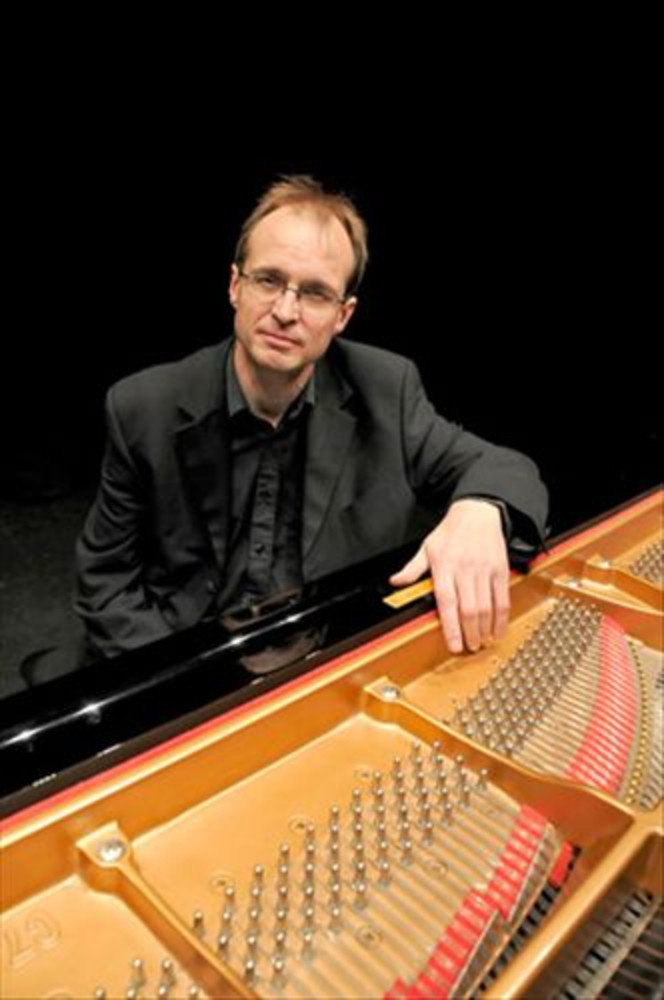
Roberte Mamou
2024
·
1 album
Listen
2
/5
Genres
Nocturne
A nocturne is a short, lyrical character piece that evokes the atmosphere of night, most commonly written for solo piano. It features a cantabile, song-like melody that floats over a gentle, arpeggiated or broken-chord accompaniment, inviting rubato and nuanced pedaling. Originating with the Irish composer John Field and canonized by Frédéric Chopin, nocturnes typically explore intimate emotions—tenderness, melancholy, and reverie—through expressive harmony, chromatic inflections, and spacious pacing. While the piano nocturne is the norm, later composers also wrote orchestral and vocal "nocturnes" that broaden the palette while retaining the essential nocturnal mood.
Discover
Listen
Early Romantic Era
The Early Romantic era in Western art music marks the first decades of the 19th century when composers began to push beyond Classical restraint toward heightened personal expression, vivid musical storytelling, and new harmonic color. Characteristic features include singing, memorable melodies; richer harmonic palettes with modal mixture, chromatic inflection, and bold mediant shifts; flexible forms that privilege expressive arc over strict symmetry; and expanding orchestral colors, especially in winds and brass. New poetic, picturesque, or literary ideas often shape musical form (especially in songs and overtures), and virtuosity rises to the foreground in solo piano and violin music. Genres such as the Lied, character piece for piano, and Romantic opera take definitive shape in this period, while symphony and concerto adopt a more dramatic, narrative impulse.
Discover
Listen
Classical Piano
Classical piano is the tradition of composing and performing music for the acoustic piano within the Western classical lineage. It emphasizes formal clarity, tonal harmony, contrapuntal writing, and expressive nuance across the full compass of the instrument. Its core repertoire ranges from Classical-era sonatas and variations to Romantic character pieces, études, dances, and 20th-century impressionistic and modernist works. Pianists exploit dynamics, articulation, pedaling, and touch to shape phrases, imitate orchestral textures, and project both intimate lyricism and large-scale drama.
Discover
Listen
Classical
Classical music is the notated art-music tradition of Europe and its global descendants, characterized by durable forms, carefully codified harmony and counterpoint, and a literate score-based practice. The term “classical” can refer broadly to the entire Western art-music lineage from the Medieval era to today, not just the Classical period (c. 1750s–1820s). It privileges long-form structures (such as symphonies, sonatas, concertos, masses, and operas), functional or modal harmony, thematic development, and timbral nuance across ensembles ranging from solo instruments to full orchestras and choirs. Across centuries, the style evolved from chant and modal polyphony to tonal harmony, and later to post-tonal idioms, while maintaining a shared emphasis on written notation, performance practice, and craft.
Discover
Listen
Albums
2024
1
/5
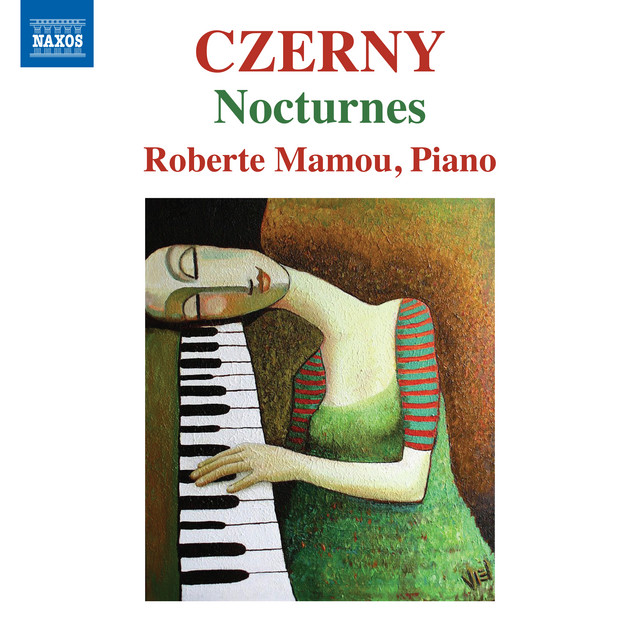
Nocturnes, Opp. 368, 537 and 604
Roberte Mamou
Early Romantic Era
Nocturne
Similar artists
3
/5
John Field
Nocturne
Character Piece
Classical
3
/5
Benjamin Frith
Classical
Classical Piano
Early Romantic Era
3
/5
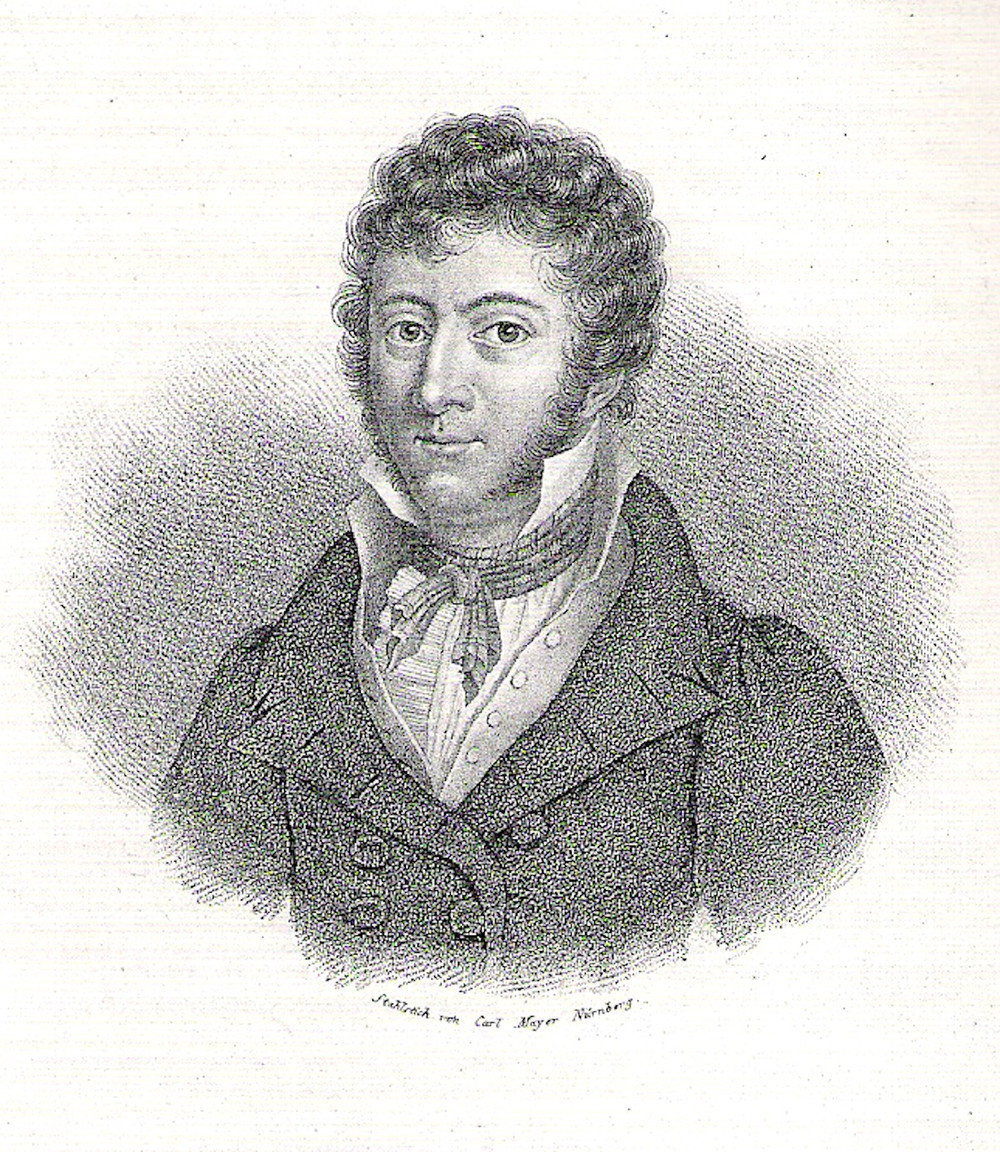
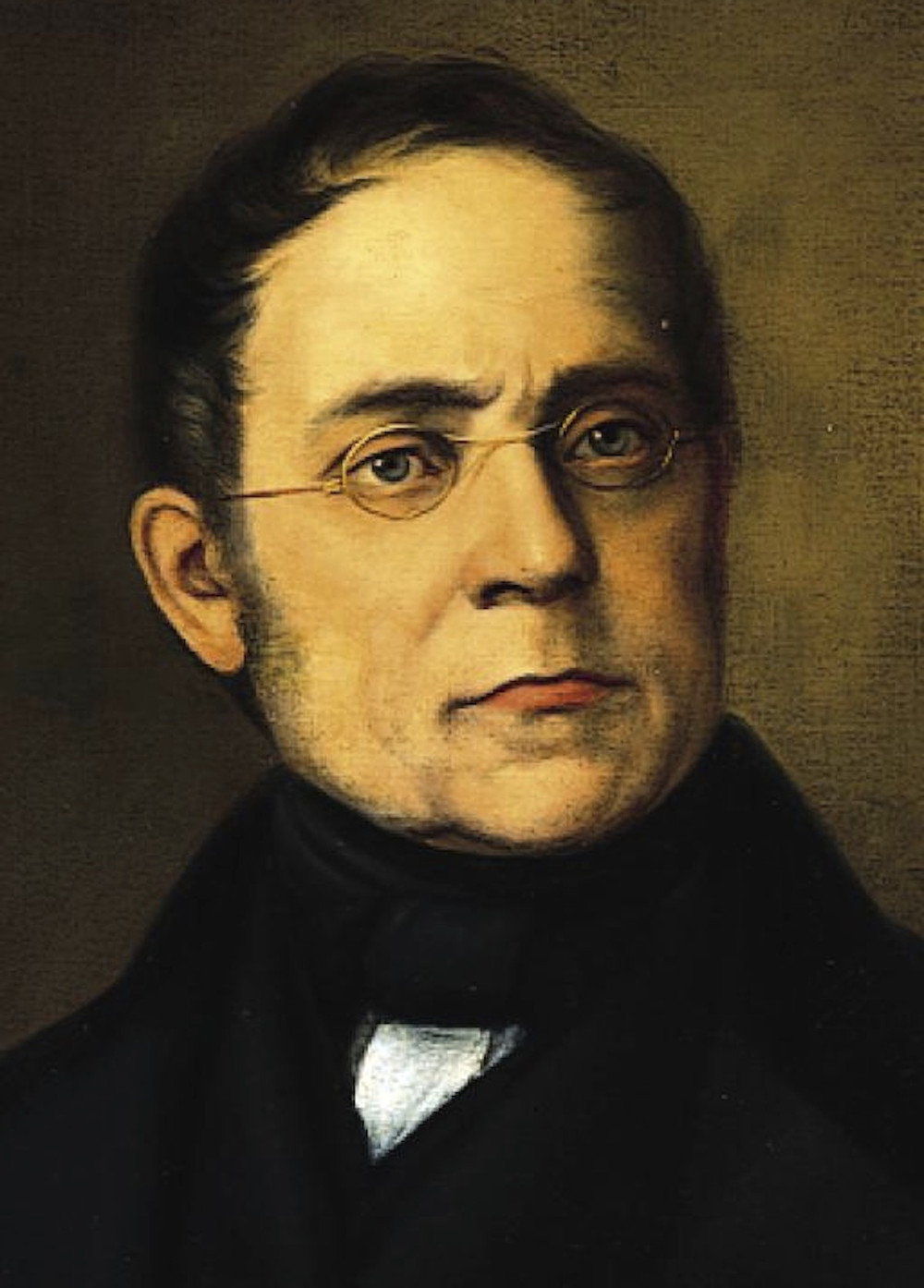
Carl Czerny
Chamber Music
Classical
Classical Piano
4
/5
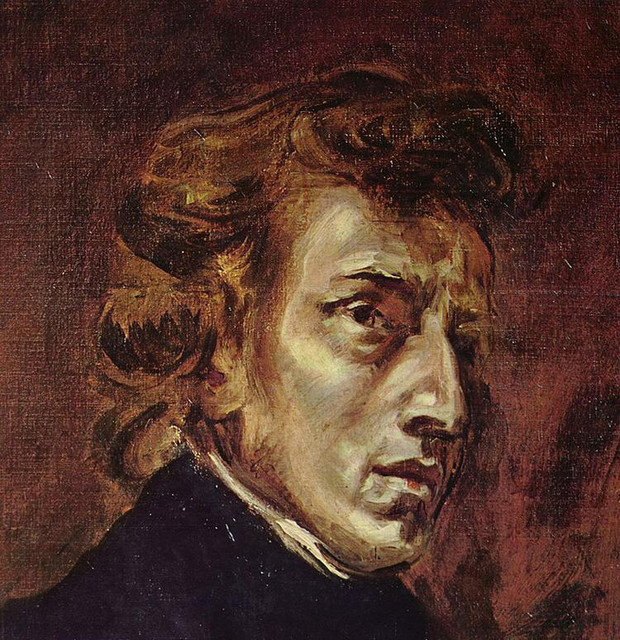
Frédéric Chopin
Classical
Character Piece
Nocturne
4
/5
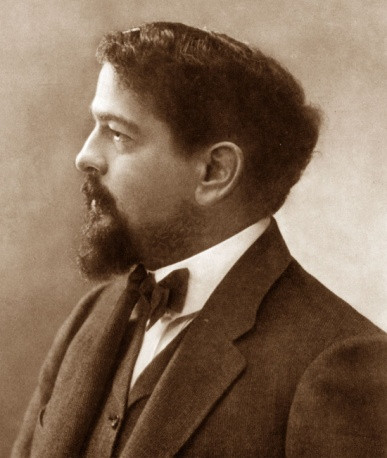
Claude Debussy
Impressionism
Classical
Classical Piano
4
/5
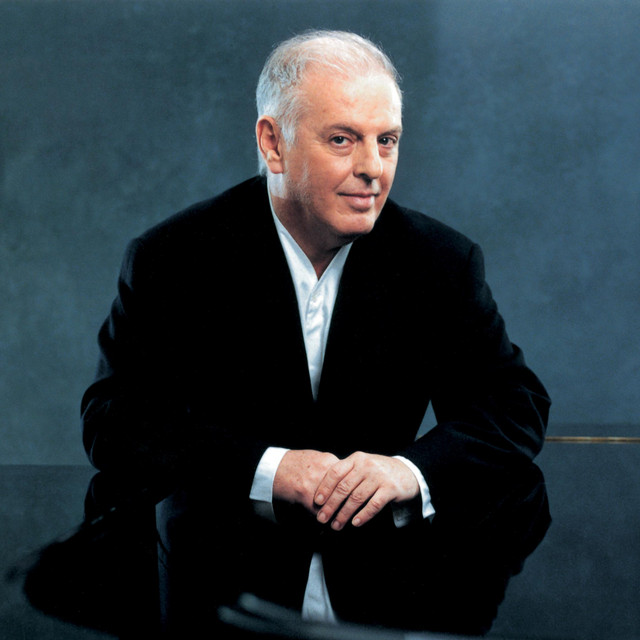
Daniel Barenboim
Impressionism
Classical
Chamber Music
4
/5
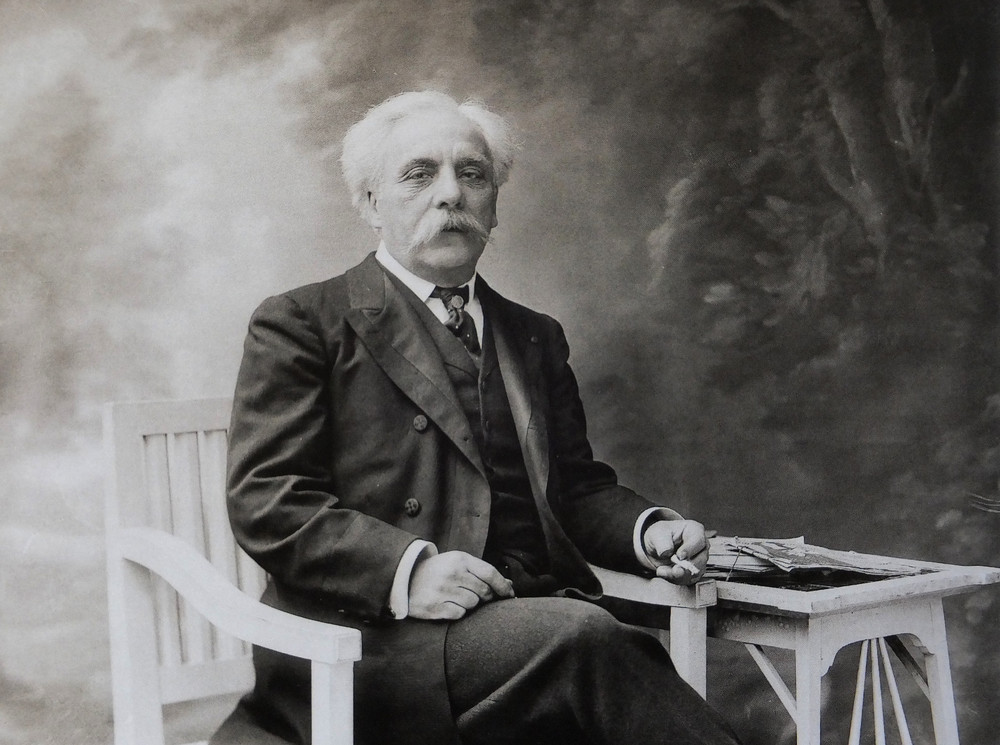
Gabriel Fauré
Requiem
Chamber Choir
Classical
4
/5
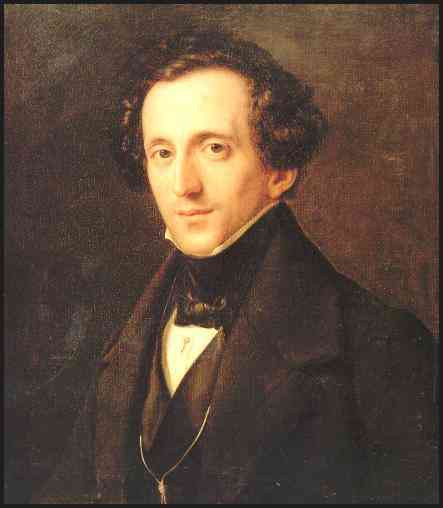
Felix Mendelssohn
Chamber Music
Choral
Classical
4
/5
Maurice Ravel
Impressionism
Classical
Neoclassicism
4
/5
Maurizio Pollini
Classical
Classical Performance
Classical Piano
Download our mobile app
Get the Melodigging app and start digging for new genres on the go
Download on the App Store
Get it on Google Play
© 2026 Melodigging
Give feedback
Legal
Melodding was created as a tribute to
Every Noise at Once
, which inspired us to help curious minds keep digging into music's ever-evolving genres.