Genres
Artists
Albums
Make Music
Sign in
Sign in
Artists
Latin Hip Hop
Artists
Latin Hip Hop
Residente
2017–2020
·
2 albums
Listen
4
/5
Genres
Reparto
Reparto is a contemporary Cuban urban dance genre that grew out of Havana’s neighborhood (“el reparto”) party circuits. It is built for high-energy street dancing, emphasizing syncopated, loop-based rhythms, shouted hooks, and a raw, percussive low-end that often feels closer to club-ready reggaeton than to traditional Cuban pop. A distinctive trait is the incorporation of Cuban music elements—especially salsa-derived rhythmic language and, in many productions, salsa-like guitar picking patterns that add a bright, montuno-adjacent drive over modern drum programming. Vocals typically alternate between rap-style delivery, call-and-response chants, and catchy repeated slogans designed for crowd participation.
Discover
Listen
Trap Latino
Trap latino (Latin trap) is a Spanish-language offshoot of Southern U.S. trap that fuses the dark, bass-heavy aesthetics of trap with the rhythmic DNA and songwriting sensibilities of the Latin urbano spectrum (reggaeton, dembow, Latin hip hop). Beats typically sit around 70–75 BPM (or 140–150 BPM double-time), driven by sliding 808 bass lines, skittering hi-hat rolls, and crisp snares/claps. Vocals range from gritty rap to heavily Auto-Tuned, melodic hooks, often delivered in Spanish or Spanglish. Lyrical themes oscillate between street realism, romance, hedonism, and introspection, with production palettes favoring minor keys, eerie pads, bell/pluck motifs, and space that lets low-end energy shine. Born in Puerto Rico mid-2010s, the style quickly crossed into the broader Latin urbano market and global pop, reshaping the sound of contemporary Latin music and catalyzing crossovers with regional Mexican, pop, and reggaeton scenes.
Discover
Listen
Trap Boricua
Trap boricua is the Puerto Rican strain of Latin trap: a Spanish-language take on Southern U.S. trap aesthetics fused with the island’s reggaetón DNA and hip‑hop tradition. It is characterized by halftime 4/4 grooves (typically 65–75 BPM, or 130–150 BPM counted double‑time), heavy 808 sub-bass with slides, skittering 1/16 hi‑hats and triplet rolls, crisp claps/snares on the halftime backbeat, and atmospheric pads or minor‑key synth motifs. Vocals often mix melodic Auto‑Tuned hooks with gritty rap verses, switching between rapid‑fire syllables and laid‑back flows. Lyrically, artists blend barrio storytelling, bravado (fronteo), luxury and street codes with Puerto Rican slang, while also opening space for romance, introspection, and social commentary. The sound frequently hybrids with reggaetón (dembow cadences), R&B, and drill, making it both club‑ready and mood‑driven.
Discover
Listen
Bytebeat
Bytebeat is a minimalist form of algorithmic music in which very short computer programs (often a single arithmetic expression) generate raw PCM audio directly. It typically uses 8-bit integer math and a running time counter t to produce harsh, glitchy, melody-like patterns, rhythms, and textures through bitwise operations, shifts, modular arithmetic, and simple integer multiplications. The aesthetic sits between chiptune timbres and noise art: crunchy aliasing, stepping waveforms, and emergent structure arise from extremely compact code. First popularized online in 2011, bytebeat is as much a programming puzzle as it is a musical style, celebrated for revealing how complex musical behaviors can emerge from ultra-simple rules.
Discover
Listen
Latin Hip Hop
Latin hip hop is a hip hop movement driven by Latino and Latin American diasporic communities, blending classic rap aesthetics with Latin rhythms, language, and cultural references. It often features bilingual (Spanish–English/Spanglish) lyricism, sampling and instrumentation that draw from salsa, merengue, cumbia, boogaloo, and funk, and production styles that range from boom‑bap and G‑funk to Miami bass, Southern bounce, and modern trap. Thematically, it spans identity, immigration, barrio life, pride, social commentary, and party culture, balancing gritty street narratives with celebratory hooks and chantable coros. Regional scenes in Los Angeles, New York, and Miami were foundational, later spreading across Puerto Rico, Mexico, and the rest of Latin America, and ultimately converging with the wider “urbano” ecosystem (including reggaeton and Latin trap).
Discover
Listen
Latin Rap
Latin rap (often called Latin hip‑hop) is hip‑hop recorded by Spanish‑speaking artists across the Americas and Spain. While many performers switch fluidly between Spanish and English (Spanglish), the idiom is primarily voiced in Spanish and draws overtly on Hispanic and Latin American musical vocabularies. Stylistically it keeps core hip‑hop elements—MCing, DJing/beatmaking, breakbeats, and sampling—while mixing in Afro‑Latin rhythms, song forms, and instrumentation. You’ll often hear salsa or cumbia samples, congas, timbales, or palmas alongside boom‑bap or West Coast grooves, and hooks crafted as chant‑like coros. Lyrically, Latin rap spotlights barrio life, migration, identity, and social critique, but also party and dance themes aligned with broader urbano culture.
Discover
Listen
Pop Rap
Pop rap blends the rhythmic vocal delivery and beat-centric production of hip hop with the catchy hooks, polished structures, and radio-friendly sensibilities of pop music. It typically features melodic choruses (often sung), accessible themes, and mid-tempo grooves designed for mass appeal. Production prioritizes clean, bright sonics, simple harmonic progressions, and memorable top-line melodies, while verses keep to clear, punchy flows that are easy for broad audiences to follow. Because it sits between two commercial powerhouses—pop and hip hop—pop rap has frequently served as a gateway for mainstream listeners to explore rap, while giving hip hop artists a framework to cross over to pop charts.
Discover
Listen
Hip Hop
Hip hop is a cultural and musical movement that emerged from Black, Latino, and Caribbean communities, centering around rapping (MCing), DJing/turntablism, sampling-based production, and rhythmic speech over beats. It prioritizes groove, wordplay, and storytelling, often reflecting the social realities of urban life. Musically, hip hop is built on drum-centric rhythms (from breakbeats to 808 patterns), looped samples, and bass-forward mixes. Lyrically, it ranges from party anthems and braggadocio to political commentary and intricate poetic forms, with flow, cadence, and rhyme density as core expressive tools. Beyond music, hip hop encompasses a broader culture, historically intertwined with graffiti, b-boying/b-girling (breakdance), fashion, and street entrepreneurship, making it both an art form and a global social language.
Discover
Listen
Pop
Pop is a broad, hook-driven style of popular music designed for wide appeal. It emphasizes memorable melodies, concise song structures, polished vocals, and production intended for radio, charts, and mass media. While pop continually absorbs elements from other styles, its core remains singable choruses, accessible harmonies, and rhythmic clarity. Typical forms include verse–pre-chorus–chorus, frequent use of bridges and middle-eights, and ear-catching intros and outros. Pop is not defined by a single instrumentation. It flexibly incorporates acoustic and electric instruments, drum machines, synthesizers, and increasingly digital production techniques, always in service of the song and the hook.
Discover
Listen
Rock
Rock is a broad family of popular music centered on amplified instruments, a strong backbeat, and song forms that foreground riffs, choruses, and anthemic hooks. Emerging from mid‑20th‑century American styles like rhythm & blues, country, and gospel-inflected rock and roll, rock quickly expanded in scope—absorbing folk, blues, and psychedelic ideas—while shaping global youth culture. Core sonic markers include electric guitar (often overdriven), electric bass, drum kit emphasizing beats 2 and 4, and emotive lead vocals. Rock songs commonly use verse–chorus structures, blues-derived harmony, and memorable melodic motifs, ranging from intimate ballads to high‑energy, stadium‑sized performances.
Discover
Listen
Latin
Latin (as a genre label) is a broad umbrella used by the recording industry to categorize popular music rooted in Latin America, the Caribbean, and the Iberian world, often characterized by syncopated Afro-diasporic rhythms, dance-forward grooves, and lyrics primarily in Spanish or Portuguese. As a marketplace category that took shape in the mid-20th century United States, it gathers diverse traditions—Afro-Cuban, Brazilian, Mexican, and Caribbean styles—into a shared space. In practice, "Latin" spans everything from big-band mambo and bolero ballads to contemporary pop, rock, hip hop, and dance fusions produced by artists of Latin American heritage.
Discover
Listen
Show all 11 genres
Albums
2020
4
/5
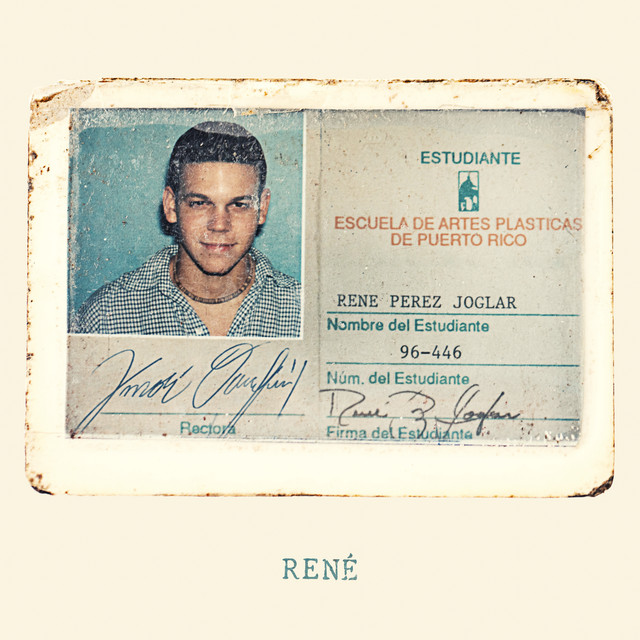
René
Residente
Latin Hip Hop
2017
3
/5
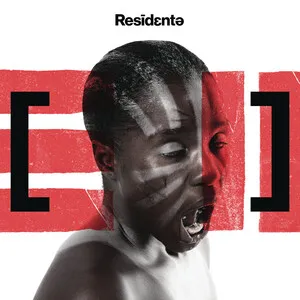
Residente
Residente
Latin Rap
Hip Hop
Pop
Similar artists
5
/5
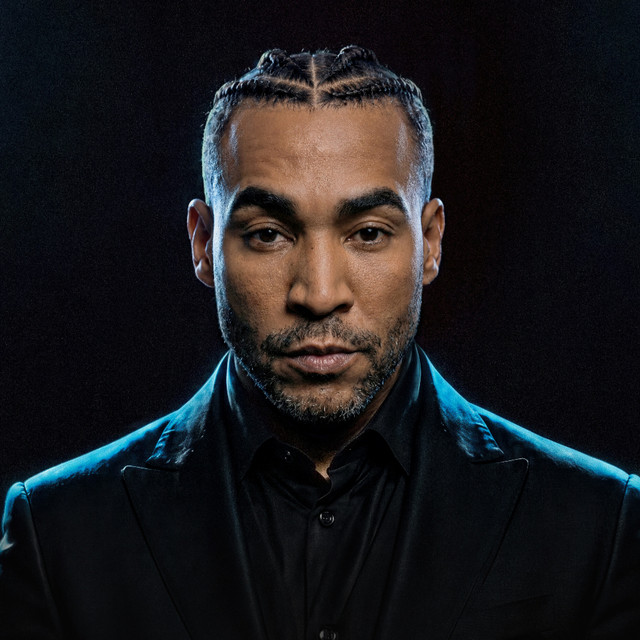
Don Omar
Reggaeton
Latin Hip Hop
Electro Latino
5
/5
Daddy Yankee
Reggaeton
Latin
Latin Hip Hop
5
/5
Nicky Jam
Reggaeton
Latin
Latin Hip Hop
4
/5
Tego Calderón
Reggaeton
Latin Hip Hop
Flamenco Urbano
5
/5
Yandel
Reggaeton
Trap Boricua
Pop Reggaeton
5
/5
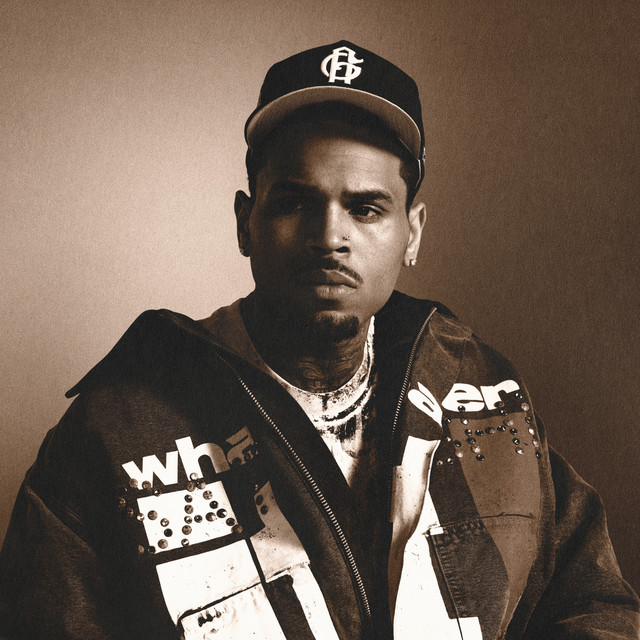
Chris Brown
R&b
Contemporary R&b
Hip Hop
5
/5
Maluma
Latin
Reggaeton
Urbano Latino
5
/5
Sean Paul
Dancehall
Reggae
Pop
5
/5
KAROL G
Reggaeton
Latin
Trap Latino
5
/5
Prince Royce
Bachata
Latin
Latin Pop
Download our mobile app
Get the Melodigging app and start digging for new genres on the go
Download on the App Store
Get it on Google Play
© 2026 Melodigging
Give feedback
Legal
Melodding was created as a tribute to
Every Noise at Once
, which inspired us to help curious minds keep digging into music's ever-evolving genres.